
Installing a sewage ejector pump for your basement bar in St. Francis
Planning a basement bar in St. Francis means understanding that any plumbing below the main sewer line needs special equipment. The area’s clay-heavy soil and high water table near Lake Michigan make sewage ejector pumps essential for basement bathrooms, bars, or laundry rooms. Without one, wastewater cannot flow uphill to the main sewer connection, causing backups and potential health hazards. Who to call when your Bay View basement floods at 3 AM.
A properly installed sewage ejector pump ensures your basement bar functions safely and meets all Wisconsin plumbing codes. The pump sits in a sealed basin, collects waste from below-grade fixtures, and automatically pumps it up to the main sewer line when the basin fills. This system prevents sewer gases from entering your living space and protects your investment from costly water damage. Wisconsin DSPS Plumbing Code.
Why St. Francis homes need ejector pumps for basement bars
St. Francis sits on former marshland with Lake Michigan just blocks away. The high water table means many homes have basements where the floor sits below the municipal sewer main. When you add a bar sink, dishwasher, or half bath, gravity cannot move waste uphill to the sewer connection. The best options for water heater replacement in Wauwatosa.
The Milwaukee Metropolitan Sewerage District (MMSD) requires all below-grade plumbing to have proper backflow prevention and pumping systems. Without an ejector pump, wastewater would back up into your fixtures, creating unsanitary conditions and violating local code. The clay soil in St. Francis also shifts with freeze-thaw cycles, potentially damaging improperly installed plumbing. MMSD Deep Tunnel system.
Homeowners in the 53235 zip code often discover this requirement during renovation planning. The St. Francis building department enforces Wisconsin DSPS (Department of Safety and Professional Services) plumbing code Section SPS 382.70, which mandates proper sewage handling for all below-grade fixtures. Professional drain cleaning in Shorewood for stubborn kitchen clogs.
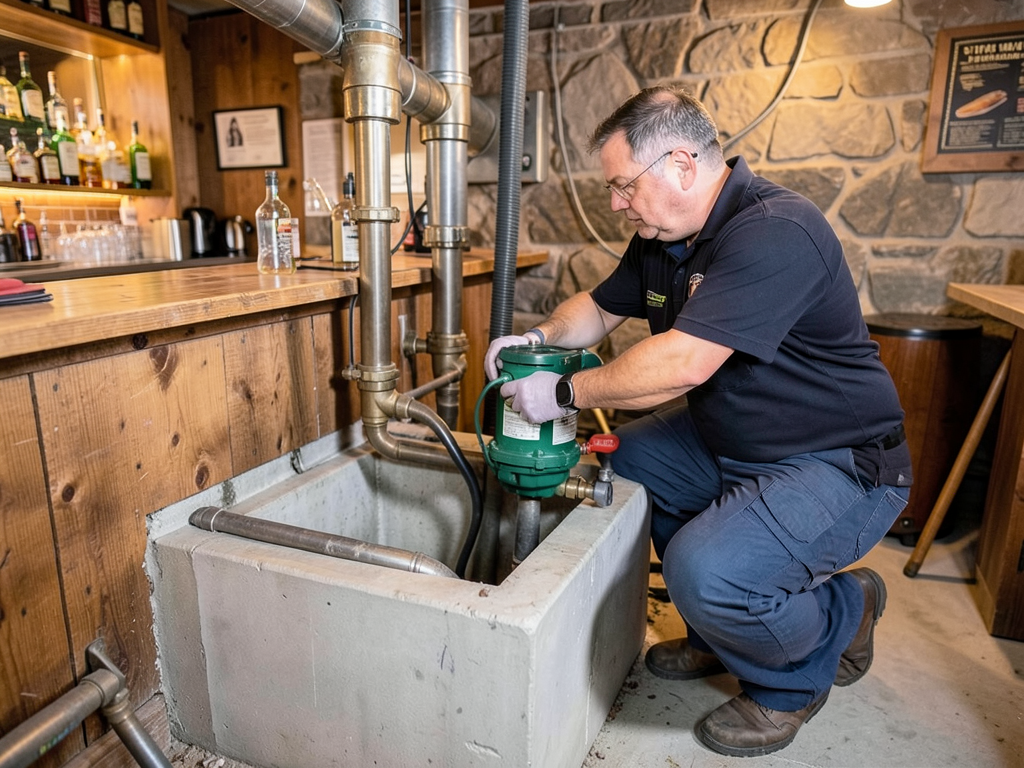
How sewage ejector pumps work in basement installations
Sewage ejector pumps operate automatically using a float switch system. When wastewater enters the sealed basin, the float rises until it triggers the pump. The pump then forces waste through a discharge pipe up to the main sewer line, typically 8 to 10 feet above the basement floor.
The sealed basin design prevents sewer gases from escaping into your basement bar. A check valve in the discharge line stops backflow when the pump shuts off. Most residential systems use 1/3 to 1/2 horsepower pumps capable of handling solids up to 2 inches in diameter.
During installation, plumbers must ensure proper venting to prevent airlock and pressure buildup. The vent pipe connects to your home’s main plumbing vent stack, allowing gases to escape safely through the roof. This venting requirement comes from Wisconsin plumbing code and is non-negotiable for code compliance.
Step-by-step ejector pump installation process
- Site assessment and planning
Plumbers measure fixture locations, calculate waste flow rates, and determine the optimal basin location. They check for existing plumbing vents and plan discharge pipe routes to avoid structural obstacles.
- Basin and pit excavation
A hole is cut into the concrete floor, typically 18 to 24 inches in diameter and 30 inches deep. The basin is set level and surrounded with gravel for stability and drainage.
- Pump and piping installation
The ejector pump mounts inside the sealed basin. Discharge piping runs from the pump to the main sewer connection, typically through a wall or floor penetration. A check valve and union fittings allow for future maintenance.
- Vent and electrical connections
A 1.5-inch vent pipe connects to the basin and ties into the home’s vent stack. A dedicated 115-volt GFCI circuit powers the pump with proper wiring to the float switch.
- Testing and inspection
The system fills with water and cycles multiple times to verify proper operation. Plumbers check for leaks, verify float switch operation, and ensure all connections meet code requirements before final inspection.
Local codes and permit requirements in St. Francis
The City of St. Francis requires permits for all below-grade plumbing installations. The building department reviews plans to ensure compliance with Wisconsin DSPS plumbing code and MMSD regulations. Permits typically cost $75 to $150 depending on project scope.
Wisconsin plumbing code mandates that ejector pumps have alarms to alert homeowners of pump failure. The alarm sounds when water rises above normal operating levels, preventing basement flooding. Many modern systems include battery backup to operate during power outages.
The MMSD Deep Tunnel system, serving St. Francis, has specific requirements for basement plumbing connections. All below-grade fixtures must have proper backflow prevention, and discharge pipes cannot connect to floor drains or sump pits. Violations can result in fines and mandatory system removal. What to do if your pipes freeze during a Milwaukee cold snap.
Common ejector pump problems and solutions
Pump failure often occurs due to power outages, float switch malfunctions, or clogged discharge lines. The clay soil in St. Francis can cause pipe shifting over time, leading to misaligned discharge piping. Regular maintenance prevents most failures.
Unusual noises from the pump indicate bearing wear or impeller damage. A grinding sound suggests debris in the pump, while constant cycling points to a faulty float switch. These issues require professional diagnosis to prevent complete system failure.
Odor problems usually stem from a dry trap or damaged basin seal. The sealed design should prevent smells, but if you notice sewage odors, the system needs immediate inspection. This could indicate a cracked basin or failed check valve allowing sewer gases to escape.
Cost factors for ejector pump installation
Installation costs vary based on basement accessibility, existing plumbing configuration, and pump capacity needs. Basic installations in finished basements with easy access to main sewer lines typically cost $2,500 to $4,000. Complex installations requiring extensive demolition or long discharge runs can exceed $6,000.
High-end ejector pumps with battery backup, alarm systems, and higher horsepower ratings cost more upfront but provide better reliability. For a basement bar with multiple fixtures, a 1/2 horsepower pump with 2-inch solids handling capacity is usually necessary.
Permit fees, inspection costs, and potential concrete cutting charges add to the total. Many St. Francis homeowners find that proper installation prevents much more expensive flood damage and code violation fines.
Maintenance tips for long-lasting performance
Annual maintenance keeps ejector pumps operating reliably. This includes checking the float switch operation, cleaning the basin, inspecting discharge piping for leaks, and testing the alarm system. Most manufacturers recommend professional inspection every two years.
Avoid putting grease, wipes, or other debris down basement bar sinks. These items can clog the pump impeller or discharge line. Installing a sink strainer helps prevent solids from entering the system.
During heavy storms, monitor the pump’s operation. If it runs continuously or fails to activate, shut off water to the basement fixtures and call a plumber immediately. Quick response prevents basement flooding and water damage to your bar area.
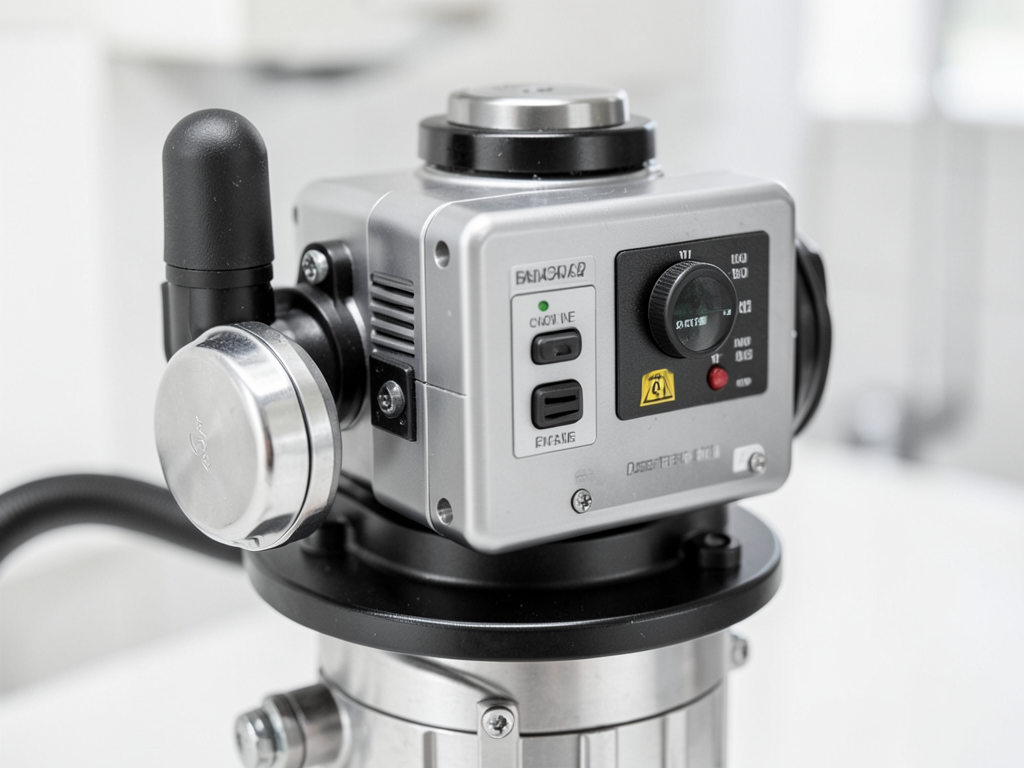
Choosing the right ejector pump for your basement bar
Residential ejector pumps come in various sizes and configurations. For a typical basement bar with a sink and dishwasher, a 1/3 horsepower pump handles 30 to 40 gallons per minute. Bars with half baths need 1/2 horsepower pumps capable of handling toilet waste.
Cast iron pumps last longer than thermoplastic models but cost more. The extra durability matters in St. Francis where soil movement can stress plumbing components. Look for pumps with stainless steel components and quality float switches from reputable manufacturers.
Consider features like battery backup, high-water alarms, and remote monitoring capabilities. These additions provide peace of mind and prevent emergency situations. Some modern systems connect to smartphone apps, alerting you to problems before they cause damage.
Why professional installation matters
Ejector pump installation requires expertise in plumbing codes, electrical work, and basement construction. Improper installation can cause code violations, system failures, and expensive property damage. Professional plumbers understand local requirements and ensure your system meets all St. Francis and Wisconsin standards.
DIY attempts often result in inadequate venting, improper discharge piping, or non-compliant electrical connections. These mistakes can cause sewer gas leaks, pump inefficiency, or even electrical hazards. Professional installation includes proper permits, inspections, and warranty coverage.
Professional plumbers also provide maintenance guidance and emergency support. If your ejector pump fails during a party or storm, having a trusted professional on call prevents panic and minimizes damage to your basement bar investment.
Frequently Asked Questions
How long do sewage ejector pumps typically last?
Quality ejector pumps last 7 to 10 years with proper maintenance. Factors affecting lifespan include pump quality, usage frequency, and water conditions. Regular cleaning and annual inspections help maximize pump life and prevent unexpected failures.
Can I install an ejector pump myself to save money?
DIY installation violates Wisconsin plumbing codes and MMSD regulations. Improper installation can cause code violations, system failures, and expensive property damage. Professional installation ensures compliance, proper operation, and warranty coverage for your investment.
What happens if my ejector pump fails during a party?
Most modern systems include battery backup and high-water alarms to prevent flooding. If the primary pump fails, the backup activates automatically. The alarm alerts you to the problem, allowing time to address issues before damage occurs. Professional installation includes emergency response protocols.
How much noise do ejector pumps make?
Modern ejector pumps operate quietly, typically producing 40 to 50 decibels when running. This is similar to a refrigerator or dishwasher. Proper installation with vibration isolation and sound-dampening materials minimizes noise in your basement bar area.
Do I need a permit for ejector pump installation?
Yes, the City of St. Francis requires permits for all below-grade plumbing installations. The building department reviews plans to ensure compliance with Wisconsin DSPS plumbing code and MMSD regulations. Permit fees typically range from $75 to $150.
What maintenance does an ejector pump need?
Annual maintenance includes checking float switch operation, cleaning the basin, inspecting discharge piping, and testing the alarm system. Professional inspection every two years ensures optimal performance. Avoid putting grease or debris down basement fixtures to prevent clogs.
How do I know if my basement needs an ejector pump?
If your basement floor is below the main sewer line elevation, you need an ejector pump for any below-grade fixtures. A professional plumber can measure elevations and determine your specific requirements based on local codes and your planned basement bar layout.
What size pump do I need for a basement bar?
For a basic bar with sink and dishwasher, a 1/3 horsepower pump handles 30-40 gallons per minute. Bars with half baths need 1/2 horsepower pumps capable of handling toilet waste. Professional assessment ensures proper sizing for your specific needs.
How much does ejector pump installation cost?
Basic installations cost $2,500 to $4,000 in finished basements with easy access. Complex installations requiring extensive work can exceed $6,000. Factors include basement accessibility, existing plumbing configuration, and pump capacity needs. Permit fees and inspections add to the total.
What causes ejector pump failure?
Common causes include power outages, float switch malfunctions, clogged discharge lines, and debris in the pump. The clay soil in St. Francis can cause pipe shifting over time. Regular maintenance and proper installation prevent most failures.
Ready to install your basement bar ejector pump?
A properly installed sewage ejector pump protects your basement bar investment and ensures code compliance. Don’t risk DIY mistakes or code violations that could cost thousands in repairs and fines. Professional installation provides peace of mind and reliable operation for years to come. Reliable Milwaukee sump pump repair services to keep your basement dry.
Call (414) 375-7955 today to schedule your ejector pump installation consultation. Our experienced plumbers understand St. Francis building codes and can design a system that meets your needs and budget. Don’t let plumbing problems ruin your basement bar dreams.
Pick up the phone and call (414) 375-7955 before the next storm hits. We offer emergency service and can handle everything from initial assessment to final inspection. Your basement bar deserves professional installation that lasts.
{
“@context”: “https://schema.org”,
“@type”: “BlogPosting”,
“headline”: “Installing a sewage ejector pump for your basement bar in St. Francis”,
“description”: “Need a sewage ejector pump for your basement bar in St. Francis? Learn local codes, installation steps, and why basement plumbing below grade requires special handling.”,
“wordCount”: 1996,
“datePublished”: “2026-03-08T07:58:00.000Z”,
“dateModified”: “2026-03-08T07:58:00.000Z”,
“inLanguage”: “en-US”,
“mainEntityOfPage”: {
“@type”: “WebPage”,
“@id”: “https://eliteplumbingmilwaukee.com”
},
“publisher”: {
“@type”: “LocalBusiness”,
“name”: “Elite Plumbing Milwaukee”,
“url”: “https://eliteplumbingmilwaukee.com”
},
“author”: {
“@type”: “Organization”,
“name”: “Elite Plumbing Milwaukee”,
“url”: “https://eliteplumbingmilwaukee.com”
},
“image”: {
“@type”: “ImageObject”,
“url”: “https://eliteplumbingmilwaukee.com/wp-content/uploads/2026/03/installing-a-sewage-ejector-pump-for-your-basement-1.png”
}
}
{
“@context”: “https://schema.org”,
“@type”: “Plumber”,
“name”: “Elite Plumbing Milwaukee”,
“url”: “https://eliteplumbingmilwaukee.com”,
“address”: {
“@type”: “PostalAddress”,
“addressLocality”: “Milwaukee”
},
“areaServed”: {
“@type”: “City”,
“name”: “Milwaukee”
}
}
{
“@context”: “https://schema.org”,
“@type”: “FAQPage”,
“mainEntity”: [
{
“@type”: “Question”,
“name”: “How long do sewage ejector pumps typically last?”,
“acceptedAnswer”: {
“@type”: “Answer”,
“text”: “Quality ejector pumps last 7 to 10 years with proper maintenance. Factors affecting lifespan include pump quality, usage frequency, and water conditions. Regular cleaning and annual inspections help maximize pump life and prevent unexpected failures.”
}
},
{
“@type”: “Question”,
“name”: “Can I install an ejector pump myself to save money?”,
“acceptedAnswer”: {
“@type”: “Answer”,
“text”: “DIY installation violates Wisconsin plumbing codes and MMSD regulations. Improper installation can cause code violations, system failures, and expensive property damage. Professional installation ensures compliance, proper operation, and warranty coverage for your investment.”
}
},
{
“@type”: “Question”,
“name”: “What happens if my ejector pump fails during a party?”,
“acceptedAnswer”: {
“@type”: “Answer”,
“text”: “Most modern systems include battery backup and high-water alarms to prevent flooding. If the primary pump fails, the backup activates automatically. The alarm alerts you to the problem, allowing time to address issues before damage occurs. Professional installation includes emergency response protocols.”
}
},
{
“@type”: “Question”,
“name”: “How much noise do ejector pumps make?”,
“acceptedAnswer”: {
“@type”: “Answer”,
“text”: “Modern ejector pumps operate quietly, typically producing 40 to 50 decibels when running. This is similar to a refrigerator or dishwasher. Proper installation with vibration isolation and sound-dampening materials minimizes noise in your basement bar area.”
}
},
{
“@type”: “Question”,
“name”: “Do I need a permit for ejector pump installation?”,
“acceptedAnswer”: {
“@type”: “Answer”,
“text”: “Yes, the City of St. Francis requires permits for all below-grade plumbing installations. The building department reviews plans to ensure compliance with Wisconsin DSPS plumbing code and MMSD regulations. Permit fees typically range from $75 to $150.”
}
},
{
“@type”: “Question”,
“name”: “What maintenance does an ejector pump need?”,
“acceptedAnswer”: {
“@type”: “Answer”,
“text”: “Annual maintenance includes checking float switch operation, cleaning the basin, inspecting discharge piping, and testing the alarm system. Professional inspection every two years ensures optimal performance. Avoid putting grease or debris down basement fixtures to prevent clogs.”
}
},
{
“@type”: “Question”,
“name”: “How do I know if my basement needs an ejector pump?”,
“acceptedAnswer”: {
“@type”: “Answer”,
“text”: “If your basement floor is below the main sewer line elevation, you need an ejector pump for any below-grade fixtures. A professional plumber can measure elevations and determine your specific requirements based on local codes and your planned basement bar layout.”
}
},
{
“@type”: “Question”,
“name”: “What size pump do I need for a basement bar?”,
“acceptedAnswer”: {
“@type”: “Answer”,
“text”: “For a basic bar with sink and dishwasher, a 1/3 horsepower pump handles 30-40 gallons per minute. Bars with half baths need 1/2 horsepower pumps capable of handling toilet waste. Professional assessment ensures proper sizing for your specific needs.”
}
},
{
“@type”: “Question”,
“name”: “How much does ejector pump installation cost?”,
“acceptedAnswer”: {
“@type”: “Answer”,
“text”: “Basic installations cost $2,500 to $4,000 in finished basements with easy access. Complex installations requiring extensive work can exceed $6,000. Factors include basement accessibility, existing plumbing configuration, and pump capacity needs. Permit fees and inspections add to the total.”
}
},
{
“@type”: “Question”,
“name”: “What causes ejector pump failure?”,
“acceptedAnswer”: {
“@type”: “Answer”,
“text”: “Common causes include power outages, float switch malfunctions, clogged discharge lines, and debris in the pump. The clay soil in St. Francis can cause pipe shifting over time. Regular maintenance and proper installation prevent most failures.”
}
},
{
“@type”: “Question”,
“name”: “Ready to install your basement bar ejector pump?”,
“acceptedAnswer”: {
“@type”: “Answer”,
“text”: “A properly installed sewage ejector pump protects your basement bar investment and ensures code compliance. Don’t risk DIY mistakes or code violations that could cost thousands in repairs and fines. Professional installation provides peace of mind and reliable operation for years to come. Reliable Milwaukee sump pump repair services to keep your basement dry.”
}
}
]
}
{
“@context”: “https://schema.org”,
“@type”: “HowTo”,
“name”: “How to install a sewage ejector pump”,
“step”: [
{
“@type”: “HowToStep”,
“position”: 1,
“name”: “Site assessment and planning”,
“text”: “Plumbers measure fixture locations, calculate waste flow rates, and determine the optimal basin location. They check for existing plumbing vents and plan discharge pipe routes to avoid structural obstacles.”
},
{
“@type”: “HowToStep”,
“position”: 2,
“name”: “Basin and pit excavation”,
“text”: “A hole is cut into the concrete floor, typically 18 to 24 inches in diameter and 30 inches deep. The basin is set level and surrounded with gravel for stability and drainage.”
},
{
“@type”: “HowToStep”,
“position”: 3,
“name”: “Pump and piping installation”,
“text”: “The ejector pump mounts inside the sealed basin. Discharge piping runs from the pump to the main sewer connection, typically through a wall or floor penetration. A check valve and union fittings allow for future maintenance.”
},
{
“@type”: “HowToStep”,
“position”: 4,
“name”: “Vent and electrical connections”,
“text”: “A 1.5-inch vent pipe connects to the basin and ties into the home’s vent stack. A dedicated 115-volt GFCI circuit powers the pump with proper wiring to the float switch.”
},
{
“@type”: “HowToStep”,
“position”: 5,
“name”: “Testing and inspection”,
“text”: “The system fills with water and cycles multiple times to verify proper operation. Plumbers check for leaks, verify float switch operation, and ensure all connections meet code requirements before final inspection.”
}
],
“image”: “https://eliteplumbingmilwaukee.com/wp-content/uploads/2026/03/installing-a-sewage-ejector-pump-for-your-basement-1.png”
}
{
“@context”: “https://schema.org”,
“@type”: “BreadcrumbList”,
“itemListElement”: [
{
“@type”: “ListItem”,
“position”: 1,
“name”: “Home”,
“item”: “https://eliteplumbingmilwaukee.com”
},
{
“@type”: “ListItem”,
“position”: 2,
“name”: “Blog”,
“item”: “https://eliteplumbingmilwaukee.com/blog”
},
{
“@type”: “ListItem”,
“position”: 3,
“name”: “Installing a sewage ejector pump for your basement bar in St. Francis”
}
]
}
{
“@context”: “https://schema.org”,
“@type”: “Service”,
“serviceType”: “Plumbing”,
“provider”: {
“@type”: “LocalBusiness”,
“name”: “Elite Plumbing Milwaukee”,
“url”: “https://eliteplumbingmilwaukee.com”
},
“areaServed”: {
“@type”: “City”,
“name”: “Milwaukee”
},
“description”: “Need a sewage ejector pump for your basement bar in St. Francis? Learn local codes, installation steps, and why basement plumbing below grade requires special handling.”
}