



Menu

Grease Trap Cleaning & Pumping in Milwaukee | Avoid Health Code Violations and Keep Your Kitchen Running

Prevent costly fines, blocked drains, and shutdowns with professional grease trap cleaning and pumping designed for Milwaukee's food service industry—scheduled maintenance that keeps your business compliant and operational.

Slider Image 1
Slider Image 2
Slider Image 3
Slider Image 4
Slider Image 5
Slider Image 7
Slider Image 8
Slider Image 9
Slider Image 10
Slider Image 11

Why Milwaukee Restaurants Cannot Ignore Grease Trap Maintenance

Milwaukee's food service sector operates under strict municipal and state health codes that mandate regular grease trap maintenance. The city's older sewer infrastructure, particularly in areas like the Historic Third Ward and Walker's Point, struggles with grease buildup that leads to blockages and sanitary sewer overflows. When your grease interceptor fails, you face immediate health department citations, potential closure orders, and fines that escalate with each violation.

The freeze-thaw cycles Milwaukee experiences between November and March create additional complications. Solidified fats, oils, and grease (FOG) expand and contract in outdoor grease traps, causing cracks and structural failures that leak untreated waste into city systems. This triggers both environmental violations and emergency service calls that cost far more than preventive maintenance.

Your kitchen generates grease waste every shift. Without scheduled commercial grease trap pumping, that waste accumulates until it blocks your drainage system completely. The smell alerts customers first. Then comes the backup into your prep sinks and dishwashing stations. By the time you call for emergency grease trap cleanout, you have lost hours of business and face the prospect of failed health inspections.

Milwaukee's dense restaurant districts along Brady Street and in Bay View create competitive pressure. You cannot afford downtime. Regular restaurant grease trap service keeps your operation running while your competitors scramble to fix problems they ignored. Grease interceptor cleaning is not optional maintenance. It is the difference between a profitable quarter and a health code violation that follows your business record for years.

Why Milwaukee Restaurants Cannot Ignore Grease Trap Maintenance
How Professional Grease Trap Waste Removal Works

How Professional Grease Trap Waste Removal Works

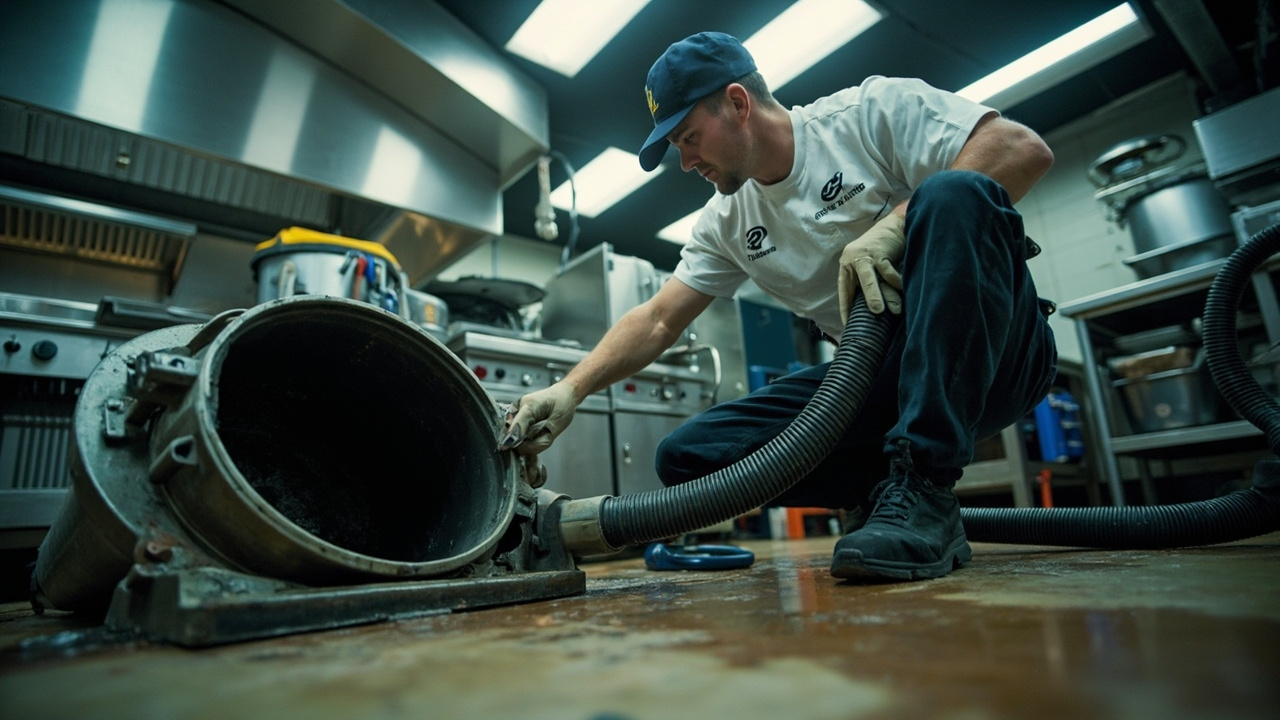
Effective grease trap service requires vacuum truck equipment rated for commercial waste extraction and trained technicians who understand interceptor design. The process begins with complete evacuation of all three layers in your trap: the floating grease cap, the middle water layer, and the settled solids at the bottom. Many operators only skim the top layer. That leaves contaminated water and sludge that reduce your trap's functional capacity by 60 percent or more.

After full extraction, we pressure wash the interior walls and baffles to remove adhered grease films that restrict flow and generate odors. The inlet and outlet tees require individual attention because these components fail first when grease hardens around the pipe connections. We inspect gaskets, bolts, and the tank structure for cracks or corrosion that compromise system integrity.

Milwaukee's municipal code requires proper manifesting of grease waste to licensed treatment facilities. We maintain detailed service records that document pump dates, volumes removed, and disposal locations. These records protect you during health inspections and provide the documentation required for your business license renewal.

The frequency of service depends on your kitchen's output and your trap's capacity. High-volume operations like supper clubs and breweries along the Milwaukee River corridor need pumping every two to four weeks. Smaller cafes and bakeries can extend to monthly or quarterly schedules. We measure your accumulation rate during initial service and recommend a schedule that prevents overflows while avoiding unnecessary pump-outs that waste your budget.

Your grease management system includes the trap itself, but also the drain lines running from your three-compartment sinks, floor drains, and prep stations. We assess the entire system to identify problem areas where grease enters the plumbing before reaching the interceptor.

What Happens During Your Grease Trap Service

Grease Trap Cleaning & Pumping in Milwaukee | Avoid Health Code Violations and Keep Your Kitchen Running
01

Scheduled Access and Assessment

Our crew arrives during your specified time window with vacuum truck equipment positioned to minimize disruption to your parking and delivery access. We locate your grease trap or interceptor, remove the access cover, and measure current grease accumulation levels to determine pump requirements. This initial assessment identifies any immediate concerns like structural damage, baffle deterioration, or inlet blockages that need attention beyond standard pumping.
02

Complete Waste Extraction

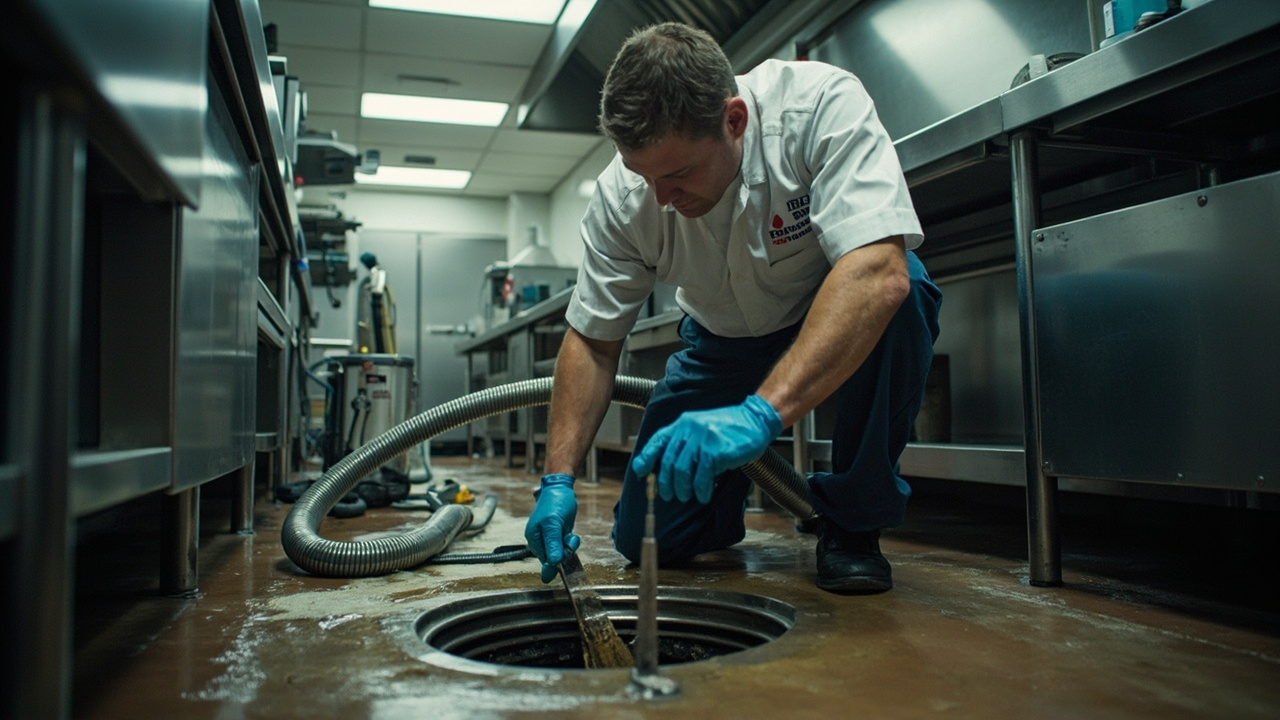
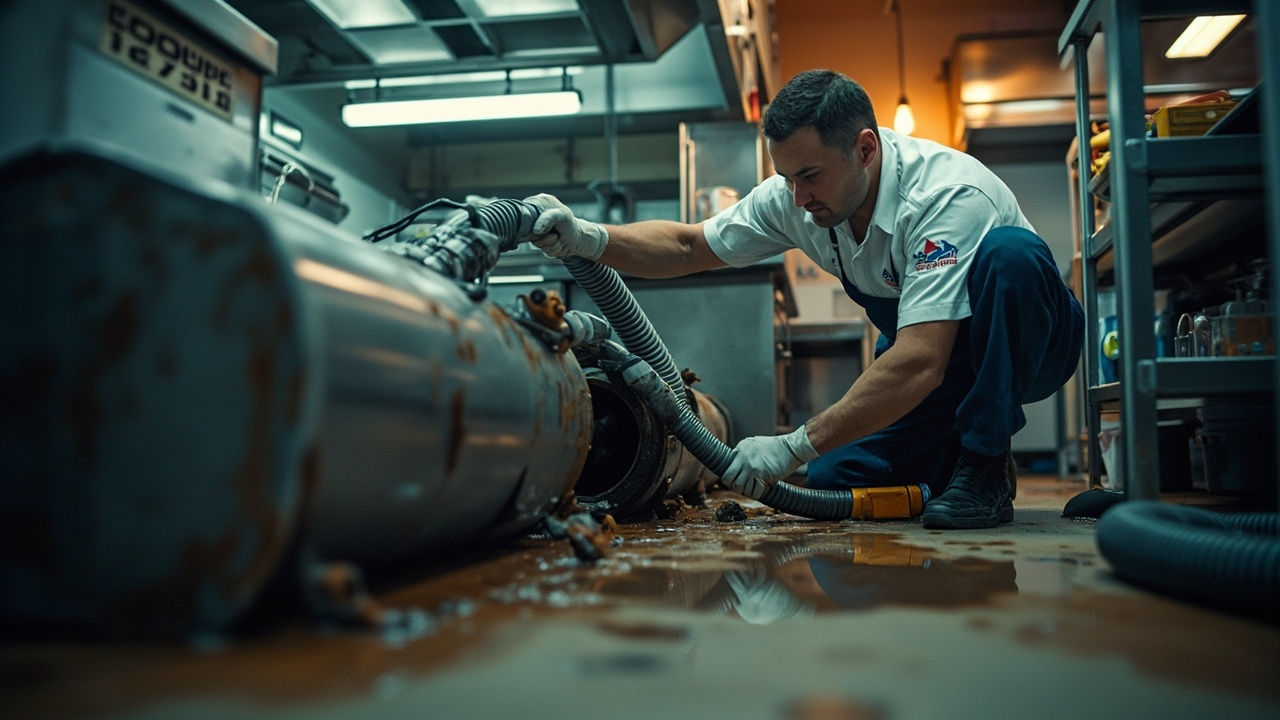
We use industrial vacuum hoses to extract all contents from your grease trap, including the grease layer, water, and bottom solids. The vacuum truck holds up to 3,000 gallons, sufficient for multiple traps in a single service call. After evacuation, we pressure wash interior surfaces and components to remove residual grease films. This thorough cleaning restores your trap's full separation capacity and eliminates odor-causing bacteria growth on interior walls.
03

Documentation and Disposal

We refill your trap with clean water to restore the hydraulic seal that prevents sewer gases from entering your building. You receive a detailed service ticket documenting the date, volume removed, and tank condition. We transport waste to a licensed rendering facility where it undergoes processing for biofuel production. Your service records remain on file for health department review and provide the compliance documentation required for Milwaukee business license renewals.

Why Milwaukee Food Service Operations Choose Professional Grease Management

Milwaukee operates under Wisconsin Administrative Code COMM 82, which sets specific requirements for grease interceptor sizing, installation, and maintenance. The city's Building Inspection Department enforces these standards through plan review and periodic inspections. When violations occur, the corrective action timeline is measured in days, not weeks. Professional grease trap service providers understand these regulatory requirements and maintain the documentation trail that satisfies municipal inspectors.

The food service corridor from Downtown to Wauwatosa creates concentrated grease loading on sewer mains that were installed between 1920 and 1960. These older systems lack the capacity to handle modern kitchen volumes. The Milwaukee Metropolitan Sewerage District (MMSD) actively monitors FOG discharge and issues enforcement actions against businesses that contribute to system blockages. Your grease trap maintenance record becomes evidence of compliance when MMSD investigates sewer overflows in your district.

Choosing a Milwaukee-based grease service provider means we understand the specific challenges of your neighborhood's infrastructure. We know which areas have clay tile sewers prone to root intrusion, which districts have undersized mains, and which food service zones face the strictest health department scrutiny. This local knowledge shapes our service recommendations and helps you avoid the compliance problems that hit restaurant operators who rely on generic advice.

Our equipment operates efficiently in Milwaukee's tight urban spaces, from the narrow alleys behind Water Street establishments to the compact loading areas in East Side mixed-use buildings. We schedule service windows that align with your kitchen's down periods and coordinate with your staff to minimize operational disruption. When problems arise between scheduled services, you reach a local dispatcher who knows your location and can mobilize response within hours, not days.

What Your Business Gets From Regular Grease Trap Service

Service Scheduling and Response

We establish a maintenance calendar based on your trap capacity and kitchen volume, typically ranging from biweekly to quarterly intervals. Service appointments occur during your specified time windows to avoid peak business hours. Emergency pump-outs receive same-day or next-day response when you face unexpected backups or health inspection notices. You receive advance notice before each scheduled service through text or email confirmation that includes the technician's arrival window and expected service duration.

Trap Condition Reporting

Each service includes a written condition report documenting grease depth measurements, structural integrity, component function, and any maintenance needs beyond routine pumping. We photograph problem areas and provide repair recommendations with priority rankings. These reports track your trap's performance over time and identify developing issues before they cause system failures. You receive digital copies suitable for health department review and business records retention.

Regulatory Compliance Documentation

Your service records include pump dates, volumes extracted, disposal facility manifests, and tank capacity measurements that demonstrate compliance with Milwaukee's FOG management ordinances. We maintain these records for the required retention period and provide compilation reports for license renewals or health inspections. This documentation protects your business during regulatory audits and provides evidence of proper waste handling that satisfies both city and MMSD requirements.

Preventive Maintenance and Best Practices

Beyond pumping, we evaluate your kitchen's grease production patterns and provide staff training on proper disposal practices that extend trap life and reduce service frequency. We identify opportunities to install drain screens, adjust cleaning procedures, or modify equipment placement that reduces FOG loading on your system. Our goal is to optimize your maintenance schedule so you pay only for the service your operation requires while maintaining full compliance with health codes.

Frequently Asked Questions

You Have Questions,
We Have Answers

How Milwaukee's Sewer Infrastructure Affects Grease Trap Performance

Milwaukee's combined sewer system, which serves the central city and lakefront districts, creates unique challenges for grease management. During heavy rainfall events, the system operates at capacity and creates backpressure that slows drainage from grease traps. This backup allows grease to cool and solidify in your drain lines before reaching the interceptor. Restaurants in the Historic Third Ward and Downtown frequently experience slower drainage during spring storms and summer thunderstorms. Regular grease trap cleaning prevents the accumulation that turns temporary slow drainage into complete blockages when the sewer system reaches peak flow. Understanding this relationship between city infrastructure and your trap's performance shapes our service recommendations for properties in combined sewer areas.

Milwaukee's health department conducts routine inspections of food service establishments with particular attention to grease management practices. Inspectors check service records, measure grease depths, and assess overall trap condition as part of their standard protocol. Establishments that demonstrate proactive maintenance through regular professional service avoid the corrective action notices and follow-up inspections that burden operators with documentation requirements and reinspection fees. Local grease service providers familiar with Milwaukee's inspection standards prepare your system to meet these requirements and maintain the compliance documentation that inspectors expect to review during routine visits.
Plumbing Services in The Milwaukee Area

View our service area on the map to see how we can serve you. We proudly provide top-tier plumbing services throughout the Milwaukee region and its surrounding communities. Our dedicated team is just a call or click away, ready to deliver the reliable solutions you need, right to your doorstep. We are committed to being your trusted local plumbing experts for any and all jobs.

Address:
Elite Plumbing Milwaukee, 2201 N Doctor M.L.K. Jr Dr, Milwaukee, WI, 53212

Additional Services We Offer

Our news updates

Latest Articles & News from The Blogs

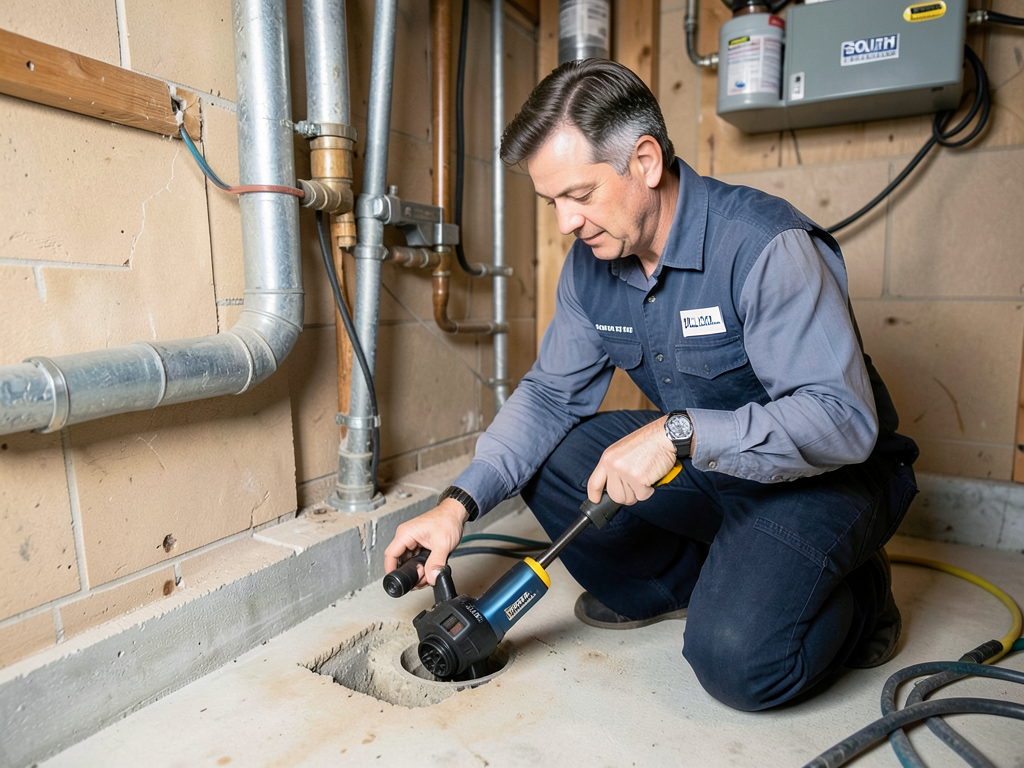
Why your South Milwaukee basement drains smell like a swamp after a heavy storm The first heavy rain hits South…

Why your South Milwaukee basement drains smell like a swamp after a heavy storm

Why your South Milwaukee basement drains smell like a swamp after a heavy storm The first heavy rain hits South…

What to consider before installing a gas line for a professional range in New Berlin

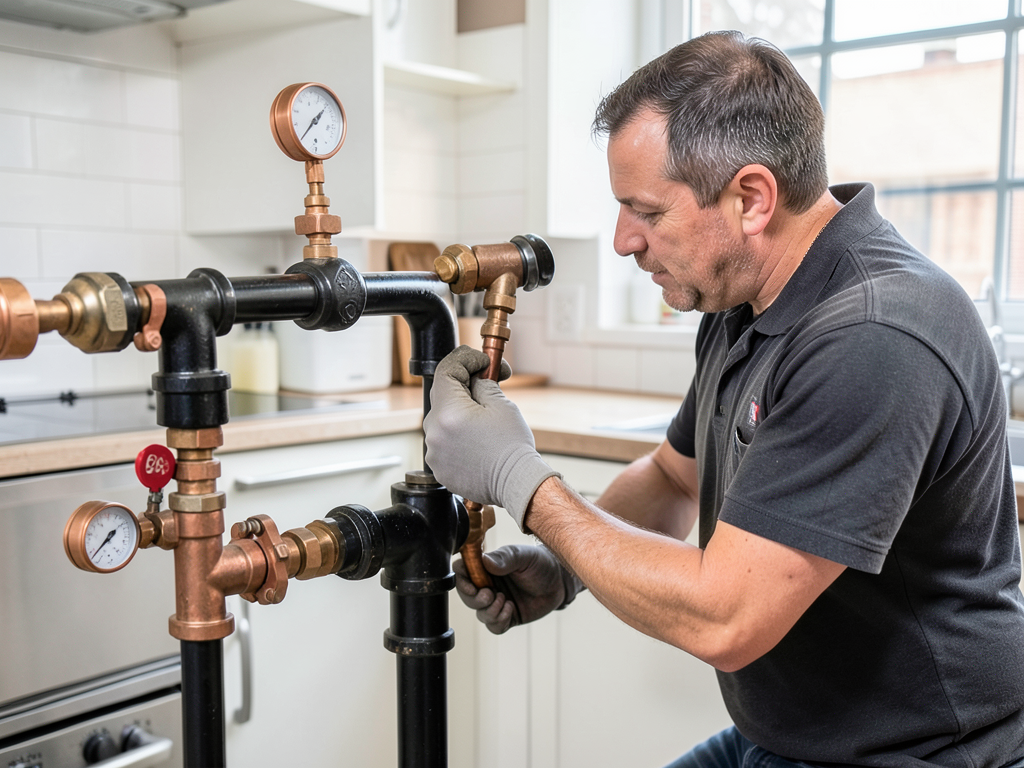
What to consider before installing a gas line for a professional range in New Berlin Installing a gas line for…

Where you can legally drain your sump pump water in Greenfield

Where you can legally drain your sump pump water in Greenfield Your sump pump works hard to keep your Greenfield…

Contact Us

Do not wait for a backup or health inspection to force emergency action. Call (414) 375-7955 now to establish a maintenance schedule that keeps your kitchen compliant and operational. We provide same-day quotes and next-available service appointments for Milwaukee food service operations.