




Menu

Sediment Buildup in Pipes in Milwaukee | Expert Diagnosis and Lasting Solutions

Elite Plumbing Milwaukee uses advanced camera inspection and hydrojetting technology to identify and remove sediment buildup in pipes, restoring full water pressure and preventing costly pipe replacement throughout the greater Milwaukee metro.

Slider Image 1
Slider Image 2
Slider Image 3
Slider Image 4
Slider Image 5
Slider Image 7
Slider Image 8
Slider Image 9
Slider Image 10
Slider Image 11

Why Milwaukee Homes Face Severe Sediment and Mineral Deposit Problems

You turn on the faucet and the water trickles out like someone's pinching the line halfway down. Your water heater sounds like it's boiling rocks. The pressure in your shower barely qualifies as a drizzle.

Milwaukee's water supply ranks among the hardest in the Midwest. Lake Michigan water picks up significant mineral content as it moves through the city's infrastructure, and by the time it reaches homes in Riverwest, Bay View, or Wauwatosa, calcium buildup in water lines has already begun. The problem compounds during winter when pipes contract and expand through freeze-thaw cycles, creating rough interior surfaces where limescale accumulation in plumbing accelerates.

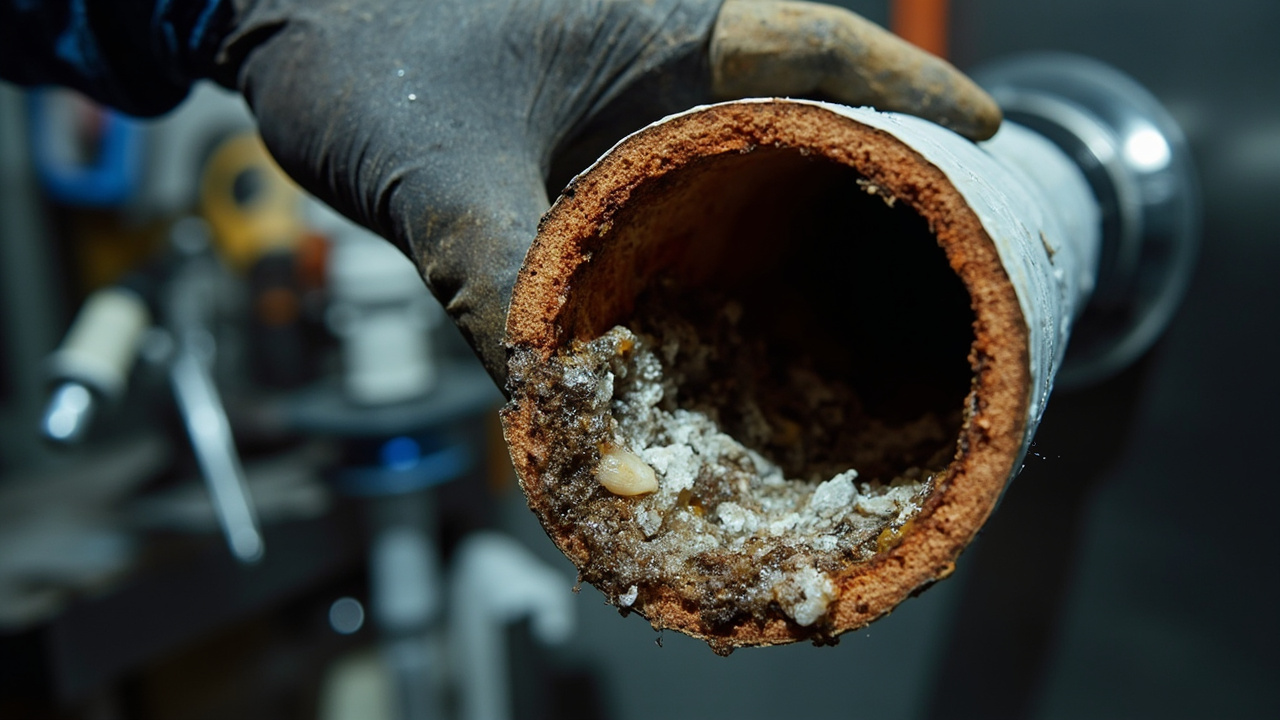
Hard water pipe scaling starts small. Calcium, magnesium, iron, and sediment particles settle on pipe walls in microscopic layers. Over months and years, these mineral deposits in water pipes grow thick enough to choke water flow by 30 to 50 percent. The buildup concentrates at bends, joints, and horizontal runs where water velocity drops.

Homes built before 1970 face additional challenges. Galvanized steel pipes corrode from the inside out, creating rough surfaces that trap sediment faster than smooth copper or PEX. The corrosion flakes mix with hard water minerals, creating a dense sludge that standard drain cleaners cannot touch. By the time you notice reduced pressure at multiple fixtures, pipe calcification problems have likely progressed throughout the system.

The water you cannot see causes the damage you will pay for later.

Why Milwaukee Homes Face Severe Sediment and Mineral Deposit Problems
How We Remove Sediment Without Replacing Your Entire Plumbing System

How We Remove Sediment Without Replacing Your Entire Plumbing System

Most plumbers walk in, see low pressure, and immediately quote you for repiping. We take a different approach because sediment buildup in pipes does not always require demolition and reconstruction.

We start with video camera inspection. A waterproof camera head travels through your supply lines and drain lines, transmitting real-time footage to a monitor. We see exactly where mineral deposits in water pipes have accumulated, how thick the buildup measures, and whether the pipe material underneath remains structurally sound. This diagnostic step eliminates guesswork and prevents unnecessary replacement of pipes that can be restored.

For moderate calcium buildup in water lines, we use hydrojetting. A specialized nozzle propels water at 3,000 to 4,000 PSI through the pipe, scouring limescale accumulation in plumbing from the interior walls. The high-pressure stream breaks up sediment without damaging copper, PEX, or even older galvanized steel pipes when pressure is properly calibrated. The debris flushes out through your system, leaving clean pipe walls.

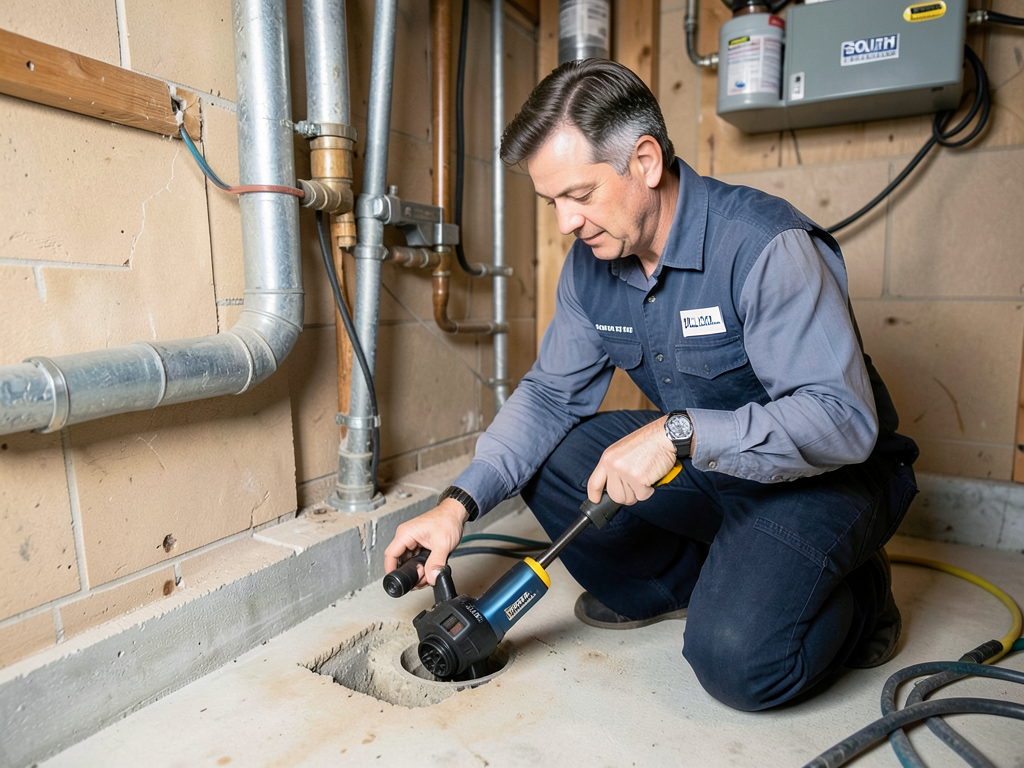
Severe pipe calcification problems require descaling equipment. We use mechanical descalers with rotating heads that grind away thick mineral deposits while a camera monitors progress. This method works when hydrojetting alone cannot penetrate decades of hard water pipe scaling.

After clearing the buildup, we test pressure at multiple fixtures to confirm full restoration. We also evaluate your water heater, which often suffers the worst sediment accumulation. Flushing the tank and clearing the inlet pipes prevents the problem from restarting immediately.

Chemical descaling solutions exist, but we avoid them in residential systems. The acids strong enough to dissolve calcium can weaken pipe joints and contaminate your water supply if not neutralized perfectly.

What Happens During Your Sediment Removal Service

Sediment Buildup in Pipes in Milwaukee | Expert Diagnosis and Lasting Solutions
01

Inspection and Pressure Testing

We measure water pressure at your main supply line and at fixtures throughout your home to map where restrictions occur. A camera inspection identifies sediment concentration points and confirms pipe material. We check your water heater for standing sediment and test shut-off valves to ensure they will hold during cleaning. This diagnostic phase typically takes 45 to 90 minutes and determines which clearing method your system requires.
02

Hydrojetting and Mechanical Descaling

We isolate sections of your plumbing system and introduce the hydrojetting nozzle through cleanout access points or removed fixtures. The high-pressure water scours pipe interiors while waste flushes to your main drain. For stubborn mineral deposits in water pipes, we follow up with mechanical descaling heads that grind away hardened calcium buildup in water lines. We monitor progress with the camera to avoid over-cleaning or damaging pipe walls.
03

Final Testing and Prevention Plan

After clearing sediment buildup in pipes, we retest pressure at all fixtures to confirm restoration. We flush your water heater to remove accumulated sediment and inspect the anode rod for replacement if needed. You receive documentation showing before and after camera footage, measured pressure improvements, and a maintenance schedule. We recommend water softener options if your home lacks one, as softened water prevents limescale accumulation in plumbing from restarting.

Why Milwaukee Property Owners Choose Local Sediment Removal Experts

A national chain sends a technician with a van full of generic tools and a script that ends with "you need new pipes." We bring equipment specifically designed for sediment removal and decades of experience with Milwaukee's unique water chemistry.

Milwaukee's water hardness varies by neighborhood. Homes near the lake in Shorewood or Whitefish Bay receive slightly softer water than properties in West Allis or Greenfield, where mineral content runs higher. We adjust our cleaning methods based on your specific location and water source. A one-size-fits-all approach fails because calcium buildup in water lines behaves differently at different hardness levels.

We understand local building codes and the plumbing materials common to Milwaukee's housing stock. The city's older neighborhoods feature galvanized steel supply lines installed between 1920 and 1970. These pipes corrode internally, creating rough surfaces where hard water pipe scaling accelerates. We know how much pressure galvanized steel can handle during hydrojetting without rupturing weakened sections. This knowledge prevents the "cure" from becoming worse than the disease.

Elite Plumbing Milwaukee maintains relationships with local water treatment specialists. When sediment removal alone will not solve your problem long-term, we connect you with softener and filtration experts who understand Milwaukee's water composition. We do not sell water treatment systems ourselves, which means our recommendations focus on your needs rather than our commission.

You also get faster response times. We stock hydrojetting equipment and camera systems in our local shop. National companies order equipment from regional warehouses, adding days to your timeline. When mineral deposits in water pipes have reduced your water pressure to a trickle, waiting 72 hours for parts shipment is unacceptable.

We live and work in the same neighborhoods we serve. Your problem is our problem.

What You Can Expect From Your Sediment Removal Service

Same-Day Inspection Availability

We schedule diagnostic appointments within 24 hours of your call, and same-day slots often open up for urgent situations. The inspection itself takes 45 to 90 minutes depending on your home's size and plumbing complexity. You receive a detailed explanation of what the camera reveals, where sediment buildup in pipes has concentrated, and which clearing method we recommend. We provide upfront information about the work timeline before starting any cleaning procedures, so you can plan accordingly.

Diagnostic Camera Documentation

The video camera inspection gives you visual proof of what's happening inside your pipes. You watch the footage with us and see exactly where calcium buildup in water lines has restricted flow. We record before and after videos, so you can verify the cleaning effectiveness. This documentation also helps if you're selling your home and buyers question your plumbing system's condition. The camera identifies problems a surface inspection cannot detect, including cracks, root intrusion in drain lines, and failing pipe joints that need attention.

Restored Water Pressure and Flow

After clearing mineral deposits in water pipes, most homes see pressure increase by 40 to 60 percent at affected fixtures. Your shower produces a strong spray instead of a weak dribble. Washing machines fill in normal time frames. Water heaters operate quietly without the rumbling caused by sediment boiling at the tank bottom. The improvement is immediate and measurable. We test pressure before and after service to document the restoration. If pressure remains low after cleaning, we investigate other causes like failing pressure regulators or supply line restrictions outside your home.

Ongoing Maintenance Recommendations

Sediment buildup in pipes will return if your water remains untreated. We provide a maintenance schedule based on your water hardness and pipe material. Most Milwaukee homes benefit from water heater flushing every 12 months and whole-system inspections every 24 to 36 months. We also discuss water softener installation if you lack one, as softened water dramatically slows limescale accumulation in plumbing. You receive written documentation of our findings and recommendations, with no pressure to purchase additional services immediately. The goal is keeping your plumbing system functional for years, not creating repeat emergency calls.

Frequently Asked Questions

You Have Questions,
We Have Answers

What causes sediment in water pipes? +

Sediment in water pipes comes from mineral deposits, rust, and debris. Milwaukee's water supply contains calcium, magnesium, and iron that accumulate over time inside pipes. Older homes in neighborhoods like Bay View and Riverwest often have galvanized steel or iron pipes that corrode and flake internally. City water main work can also stir up sediment that enters your service line. Water heaters are common culprits too. Minerals settle at the tank bottom and get pushed into your lines. If your home was built before 1960, expect more sediment issues from aging infrastructure.

How long does it take to run water to get sediment out? +

Run water for 3 to 5 minutes to flush most sediment out after water main work or system disturbances. Start with your cold water taps at the lowest level of your home, then work upward. Open all faucets simultaneously if possible to increase flow velocity. For severe sediment issues after Milwaukee water utility maintenance, you may need 10 to 15 minutes. Remove faucet aerators first to prevent clogging. If water stays discolored beyond 15 minutes, shut off water and call a plumber. Your water heater may need draining if sediment persists.

Is it okay to pour boiling water down drains in the house to clean them? +

Boiling water is safe for metal pipes but risky for PVC and older pipe joints. Many Milwaukee homes have mixed plumbing with PVC drain lines added during renovations. Boiling water can soften PVC joints and cause leaks or warping. It might melt wax toilet seals if poured near bathrooms. Boiling water does not remove grease effectively. It melts grease temporarily, then the grease re-solidifies further down your drain line. Use hot tap water instead. For stubborn clogs in metal drains, a plumber's snake or hydro jet works better without risking pipe damage.

How do you remove buildup from pipes? +

Professional pipe cleaning uses hydro jetting or mechanical snaking to remove buildup. Hydro jetting blasts high-pressure water through pipes to scour away mineral scale, grease, and rust. This method works best for Milwaukee homes with cast iron or copper lines suffering from decades of accumulation. For water lines, a plumber may install sediment filters or recommend a whole-house water softener to prevent future buildup. Water heaters need annual draining to flush sediment. Chemical descalers exist but can damage older pipes. Always hire a licensed plumber to assess your specific pipe material before aggressive cleaning.

How do you flush sediment out of pipes? +

Flushing sediment requires opening multiple fixtures and running water throughout your system. Start by shutting off your water heater to prevent sediment from recirculating. Open the lowest faucet in your home, typically a basement utility sink or outdoor spigot. Then open all cold water taps on upper floors to create flow. Let water run for 10 to 15 minutes. For water heaters, attach a garden hose to the drain valve and flush until water runs clear. Milwaukee homes with older galvanized pipes may need professional hydro jetting if sediment persists after flushing.

What are two things you should never flush down a toilet? +

Never flush wipes or feminine hygiene products down toilets. Wipes marketed as flushable do not break down in Milwaukee's sewer system. They clog pipes and damage city lift stations. Wipes bind with grease to form blockages in your service line, costing hundreds to clear. Feminine products absorb water and expand, lodging in pipe bends. They do not disintegrate like toilet paper. Other forbidden items include cotton swabs, dental floss, cat litter, and medications. Medications contaminate Lake Michigan and local waterways. Use trash cans for everything except human waste and toilet paper.

How much do plumbers usually charge to unclog a drain? +

Drain cleaning in Milwaukee typically costs $150 to $400 depending on severity and location. Simple sink or tub clogs run $150 to $250 for basic snaking. Main sewer line blockages cost $300 to $600 for hydro jetting or cable augering. Emergency service after hours adds $100 to $200. Older Milwaukee homes with cast iron stacks or root intrusion from parkway trees cost more due to complexity. Camera inspection adds $200 to $300 but reveals hidden damage. Get written estimates before work begins. Avoid flat-rate pricing without diagnosis. Reputable plumbers charge by the hour or job after inspection.

Why is my water full of sediment? +

Sediment-filled water signals corroding pipes, disturbed water mains, or water heater problems. Milwaukee's aging infrastructure means frequent water main breaks and repairs that stir up decades of accumulated minerals. If your entire neighborhood has cloudy water, the city likely flushed lines. If only your home is affected, your water heater needs draining or your galvanized pipes are deteriorating. Homes near Lake Michigan sometimes experience sediment from intake system maintenance. Brown or rusty water indicates iron corrosion. White or cloudy water suggests mineral deposits. Persistent sediment warrants a plumber inspection to check pipe condition.

How do you flush the water pipes in your house? +

Flushing house pipes starts at your water heater and lowest fixtures. Turn off the water heater breaker or gas valve. Connect a garden hose to the water heater drain valve and run it outside or to a floor drain. Open the temperature and pressure relief valve. Drain until water runs clear. Next, open the cold water tap at your lowest fixture, usually a basement laundry sink. Open all upper-floor cold taps to create system-wide flow. Run for 10 minutes. Close taps from top down. Restart your water heater. Milwaukee homes should flush pipes annually.

What does Dawn dish soap do to drains? +

Dawn dish soap works as a temporary degreaser but does not clear clogs. The soap breaks surface tension and emulsifies light grease films coating drain walls. Pour a few tablespoons down the drain followed by hot tap water. This maintains freshness between professional cleanings. Dawn cannot dissolve hair, soap scum, or mineral buildup. It will not clear existing blockages. Milwaukee's hard water reduces soap effectiveness. Overuse creates suds that slow drainage. For actual clogs, use a plunger or call a plumber. Dawn works for maintenance, not repair. Never combine Dawn with chemical drain cleaners.

How Milwaukee's Hard Water Accelerates Pipe Calcification

Milwaukee draws water from Lake Michigan, but the treatment and distribution process adds significant mineral content before it reaches your home. The city's water averages 120 to 150 milligrams per liter of calcium carbonate, placing it firmly in the "hard" to "very hard" category. Homes in neighborhoods with older infrastructure, like Riverwest and the Near South Side, experience additional mineral pickup from aging distribution mains. Winter temperature swings compound the problem as pipes contract and expand, creating microscopic surface irregularities where calcium buildup in water lines initiates faster. Basement plumbing stays cold longer during Milwaukee's extended winters, which slows water velocity and allows more sediment to settle before reaching upper floors.

Elite Plumbing Milwaukee operates under city licensing requirements and follows Milwaukee's plumbing code amendments, which address specific local conditions like frost depth requirements and basement drainage standards. We maintain relationships with the Milwaukee Water Works and stay current on water quality reports that affect how we approach sediment removal in different neighborhoods. Local expertise matters because pipe calcification problems manifest differently in Bay View's century-old homes compared to newer construction in Wauwatosa. We understand which pipe materials were popular during different construction eras and how each responds to cleaning methods. National companies lack this neighborhood-level knowledge, which leads to inefficient service and sometimes damaged pipes.
Plumbing Services in The Milwaukee Area

View our service area on the map to see how we can serve you. We proudly provide top-tier plumbing services throughout the Milwaukee region and its surrounding communities. Our dedicated team is just a call or click away, ready to deliver the reliable solutions you need, right to your doorstep. We are committed to being your trusted local plumbing experts for any and all jobs.

Address:
Elite Plumbing Milwaukee, 2201 N Doctor M.L.K. Jr Dr, Milwaukee, WI, 53212

Additional Services We Offer

Our news updates

Latest Articles & News from The Blogs

Why your South Milwaukee basement drains smell like a swamp after a heavy storm The first heavy rain hits South…

Why your South Milwaukee basement drains smell like a swamp after a heavy storm

Why your South Milwaukee basement drains smell like a swamp after a heavy storm The first heavy rain hits South…

What to consider before installing a gas line for a professional range in New Berlin

What to consider before installing a gas line for a professional range in New Berlin Installing a gas line for…

Where you can legally drain your sump pump water in Greenfield

Where you can legally drain your sump pump water in Greenfield Your sump pump works hard to keep your Greenfield…

Contact Us

Call Elite Plumbing Milwaukee at (414) 375-7955 for same-day camera inspection and sediment removal. We clear mineral deposits in water pipes without unnecessary repiping. Get your water pressure back today.