





Menu

Commercial Kitchen Plumbing in Milwaukee – Industrial-Grade Systems That Keep Your Food Service Operation Running

High-capacity grease trap management, code-compliant dish stations, and rapid response for commercial kitchen plumbing emergencies across Milwaukee's restaurant and hospitality sector.

Slider Image 1
Slider Image 2
Slider Image 3
Slider Image 4
Slider Image 5
Slider Image 7
Slider Image 8
Slider Image 9
Slider Image 10
Slider Image 11

Milwaukee Food Service Operations Face Unique Plumbing Demands

Every minute your kitchen is down costs you money. Milwaukee's food service sector operates in buildings ranging from century-old Cream City brick structures along Water Street to newer Third Ward developments. Many of these facilities carry outdated plumbing infrastructure never designed for modern industrial kitchen loads.

Restaurant plumbing services in Milwaukee must account for freeze-thaw cycles that stress supply lines and aging cast iron drain stacks common in Historic Third Ward properties. Winter temperatures regularly drop below zero, making exposed pipe runs in loading dock areas vulnerable. Add high-volume grease loads from fryers and griddles, and you have a system under constant pressure.

Milwaukee's municipal water contains moderate mineral content that accelerates scale buildup in steam kettles and combi ovens. Hard water reduces efficiency and shortens equipment lifespan. Commercial kitchen plumber operations here must address calcium deposits that restrict flow to ice machines and dishwashers.

Food service plumbing failures cascade quickly. A backed-up floor sink shuts down your dish station. A leaking water heater floods your dry storage. A failed backflow preventer triggers health code violations. Industrial kitchen plumbing systems require proactive maintenance and immediate response capability when failures occur.

The Wisconsin Food Code enforces strict requirements for commercial kitchen infrastructure. Violations result in closure orders and lost revenue. Professional kitchen plumbing must meet these standards while supporting peak service volumes during Summerfest, State Fair, and Brewers home games when tourist traffic surges.

Milwaukee Food Service Operations Face Unique Plumbing Demands
Our Commercial Kitchen Plumbing Methodology

Our Commercial Kitchen Plumbing Methodology

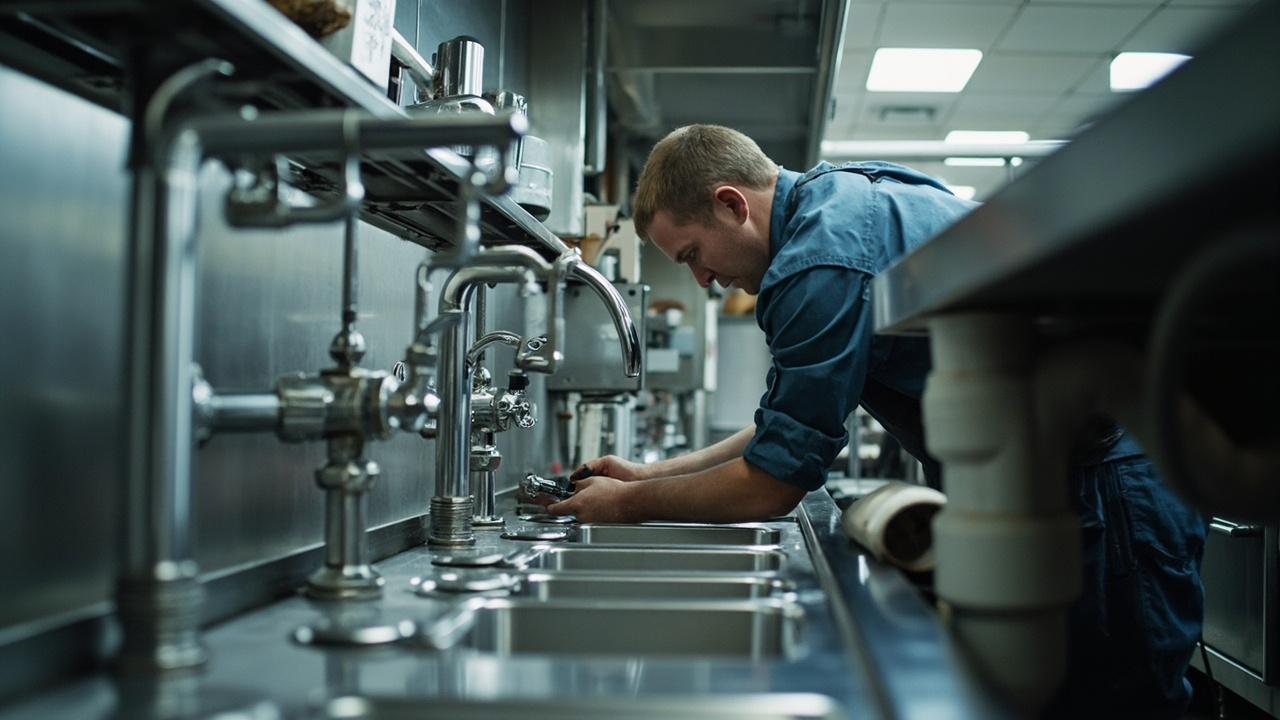
Elite Plumbing Milwaukee approaches restaurant plumbing services differently than residential providers. We conduct hydraulic load analysis to ensure your system can handle simultaneous demands from dishwashers, pre-rinse spray valves, and handwashing stations during peak service.

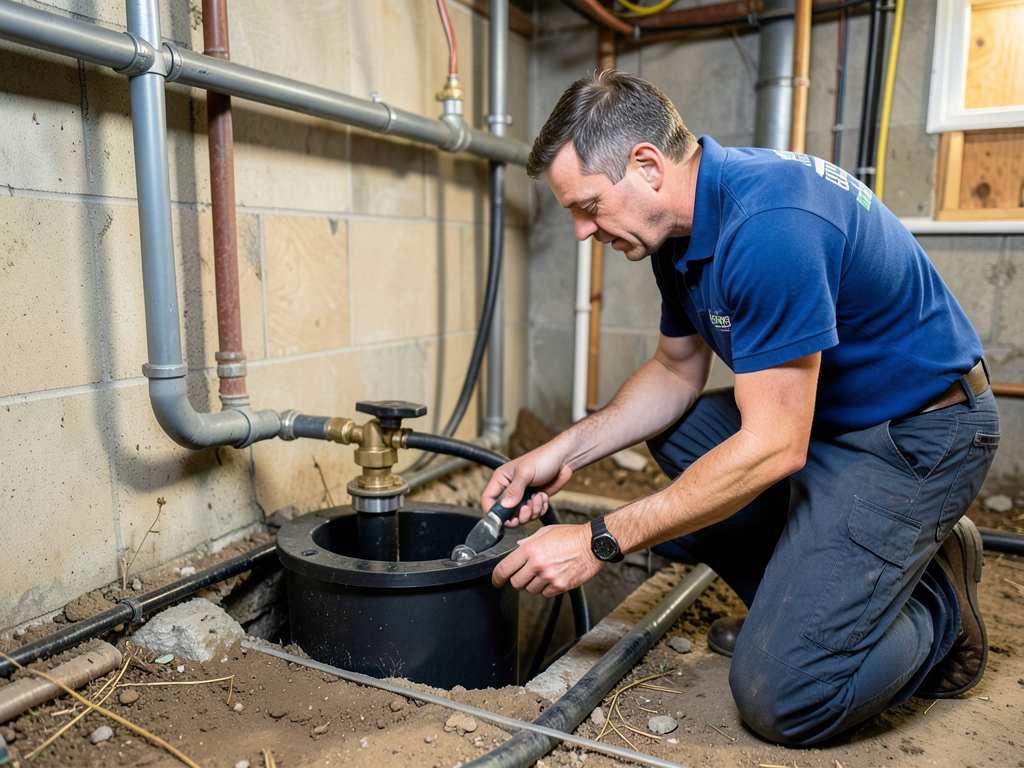
Our industrial kitchen plumbing assessments examine drainage capacity first. We camera-inspect main drain lines to identify grease buildup, root intrusion, or bellied sections that cause recurring backups. Many Milwaukee commercial buildings have 4-inch cast iron stacks that cannot handle modern kitchen discharge volumes. We identify bottlenecks before they cause shutdowns.

We size grease interceptors based on actual fixture unit loads, not guesswork. Milwaukee's sewer system requires properly functioning grease traps to prevent sanitary overflow events. We install external interceptors where space allows and compact under-sink units where it does not. All installations meet Wisconsin Plumbing Code Chapter SPS 382 requirements.

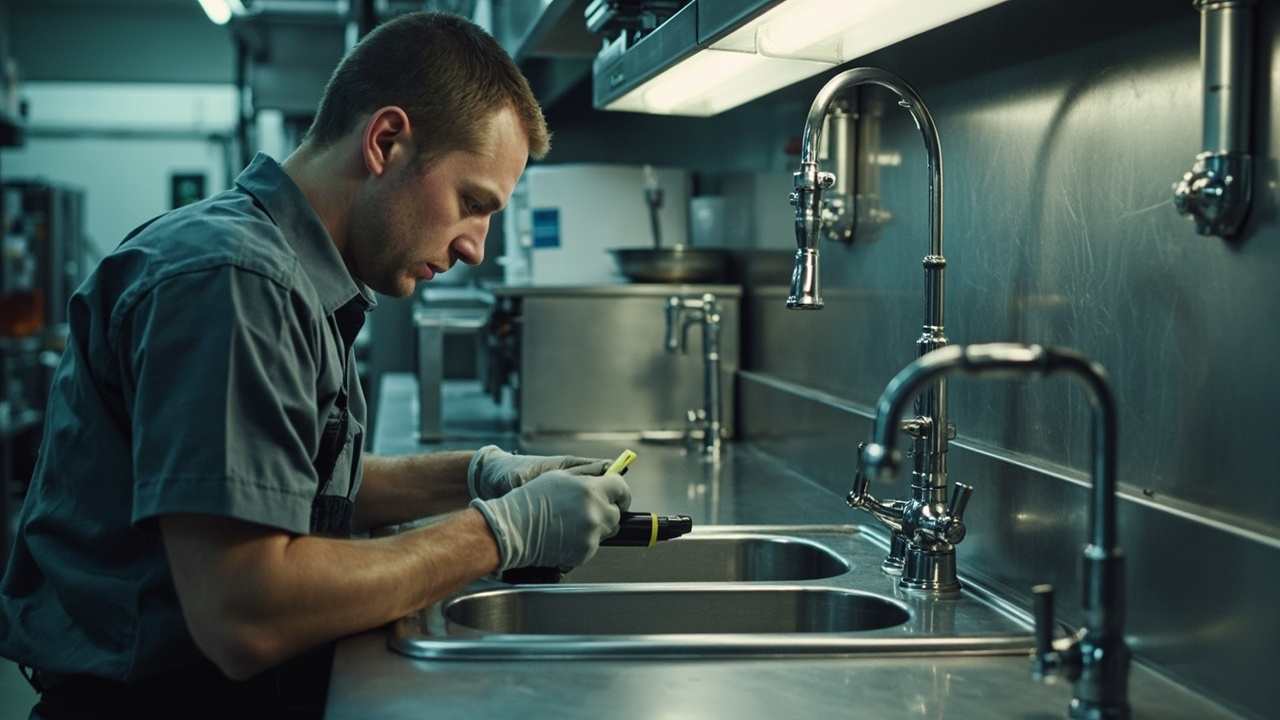
For food service plumbing projects, we coordinate rough-in with health department inspections. We provide documentation showing all floor sinks, mop basins, and handwashing stations meet spacing and accessibility requirements. We install backflow prevention devices on all potable water connections to kitchen equipment and arrange for annual testing.

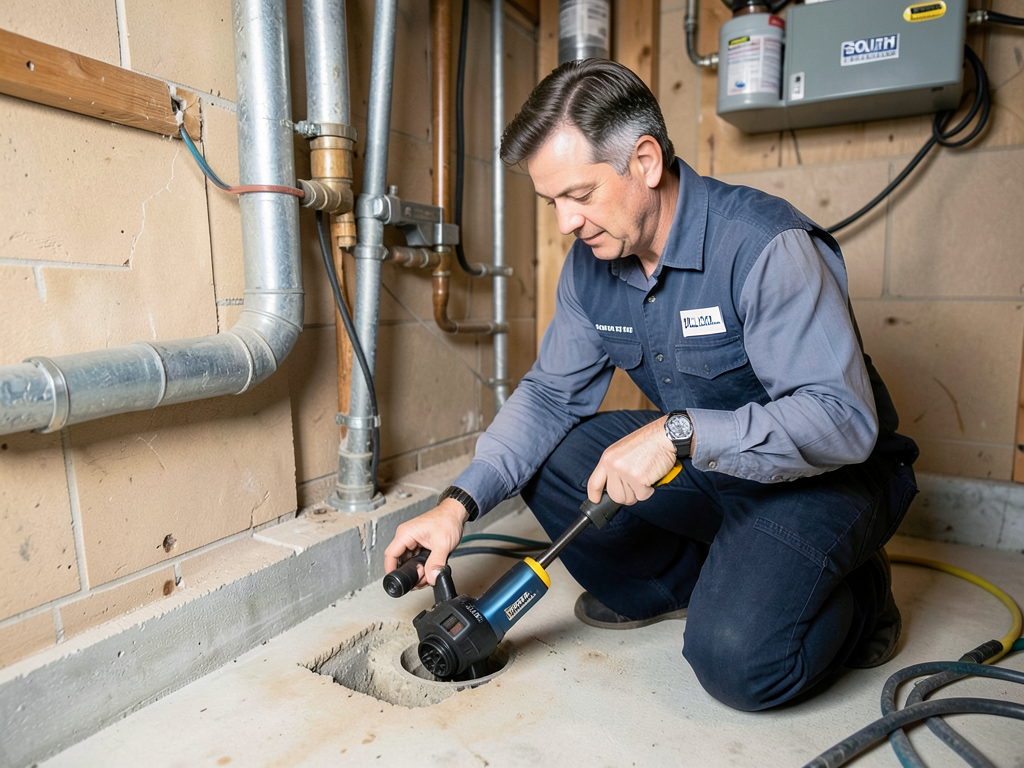
Our commercial kitchen plumber teams carry high-capacity drain cleaning equipment including powered drum augers and hydro-jetters. We clear main line stoppages that smaller drain snakes cannot reach. We also stock common commercial parts like vacuum breakers, atmospheric vent assemblies, and thermostatic mixing valves to minimize downtime during repairs.

Temperature control matters in food service. We install point-of-use water heaters to deliver 120-degree water at handwashing stations while preventing scalding. We replace failed mixing valves on dishwashers that allow excessively hot water to damage dish racks.

How We Deliver Commercial Kitchen Plumbing Solutions

Commercial Kitchen Plumbing in Milwaukee – Industrial-Grade Systems That Keep Your Food Service Operation Running
01

System Assessment and Planning

We begin with a complete evaluation of your existing plumbing infrastructure. This includes measuring water pressure at equipment connections, testing drainage flow rates, and inspecting grease trap function. We review your health inspection reports to identify recurring violations. For new installations, we coordinate with your equipment supplier to confirm rough-in specifications before any pipe goes in the ground. You receive a detailed scope document that identifies required upgrades and compliance issues.
02

Installation and Code Compliance

Our installation crews work during your closed hours to avoid service disruptions. We rough in all drainage and supply lines per approved plans, then schedule inspections with Milwaukee Building Inspection before concealing any work. All gas connections to ranges and fryers receive pressure testing and leak detection before equipment startup. We install only commercial-grade fixtures rated for high-cycle use. Every handwashing station, pre-rinse sprayer, and mop sink meets Wisconsin Food Code positioning requirements. You get signed inspection cards proving compliance.
03

Ongoing Service and Compliance

After installation, we provide scheduled maintenance to keep your system compliant. This includes quarterly grease trap pumping coordination, annual backflow testing, and proactive replacement of vacuum breakers before they fail. We maintain service records required by health inspectors. When emergencies occur, you get priority dispatch with arrival typically within 90 minutes. We stock your facility profile in our system so responding technicians arrive with the correct parts. You avoid prolonged shutdowns that cost thousands in lost revenue.

Why Milwaukee Food Service Operators Choose Elite Plumbing Milwaukee

Commercial kitchens cannot tolerate extended downtime. A backed-up dishwasher during Saturday dinner service costs you table turns and customer satisfaction. You need a professional kitchen plumbing provider who responds immediately and fixes problems correctly the first time.

Elite Plumbing Milwaukee maintains dedicated commercial service vehicles stocked with high-capacity drain equipment and commercial-grade repair parts. We do not send residential plumbers to handle industrial kitchen plumbing problems. Our commercial specialists understand three-compartment sink drainage requirements, the proper venting of atmospheric vacuum breakers, and how to size water supply lines for rapid-fill kettles.

We know Milwaukee's building stock. We have installed restaurant plumbing services in converted warehouses in Walker's Point, updated systems in Brady Street establishments, and maintained kitchens in downtown hotels. We understand the challenges of working in buildings with limited access, tight mechanical spaces, and structural constraints that affect routing options.

Our familiarity with Milwaukee health inspectors expedites approval processes. We know which details they scrutinize and how to document compliance. When you face a violation notice, we provide rapid corrections with proper documentation to clear your inspection quickly.

We coordinate with other trades because commercial kitchen projects involve multiple contractors. We work alongside electricians installing hood suppression systems, HVAC contractors running makeup air, and equipment installers positioning cooking lines. Our scheduling flexibility prevents delays that push back your opening date.

For food service plumbing maintenance, we offer service agreements that include priority emergency response, scheduled drain maintenance, and annual backflow testing. You get predictable costs and avoid surprise failures during your busiest periods. We maintain detailed service records that satisfy health department documentation requirements during inspections.

What Milwaukee Commercial Kitchen Clients Can Expect

Emergency Response Time

When your kitchen experiences a plumbing emergency, we dispatch a commercial specialist immediately. Most Milwaukee-area restaurants receive response within 90 minutes during business hours. We maintain after-hours availability because kitchen failures do not respect your schedule. Our trucks carry hydro-jetters capable of clearing main line stoppages and parts inventory for common commercial failures like vacuum breaker replacements and mixing valve repairs. We focus on getting your operation back online quickly, then schedule any needed follow-up work during your closed hours to avoid further service disruption.

System Evaluation Process

Our commercial kitchen assessment examines every component that affects food service operations. We test water pressure at equipment connections because low pressure causes poor dishwasher performance and slow sink fill times. We camera-inspect drain lines to identify grease buildup before it causes backups. We measure hot water recovery rates to ensure you have adequate capacity during peak dishwashing periods. You receive a written report documenting current conditions, code compliance status, and recommended improvements. This report provides documentation for health inspections and helps you budget for necessary upgrades before they become emergency repairs.

Installation Quality Standards

Every installation meets Wisconsin Plumbing Code requirements and receives proper inspection approval before concealment. We use only commercial-grade materials rated for continuous high-temperature discharge and chemical exposure from detergents. All drain connections receive proper venting to prevent trap siphonage that causes sewer gas infiltration. Water supply lines are sized to deliver adequate flow during simultaneous fixture use. Backflow prevention devices protect your potable water supply from contamination. You receive documentation showing inspection approval and equipment specifications that satisfy health department requirements during licensing reviews.

Preventive Maintenance Programs

Regular maintenance prevents emergency failures that shut down your operation. Our service agreements include scheduled drain line maintenance to remove grease accumulation before it causes backups, annual backflow preventer testing as required by Milwaukee Water Works, and proactive replacement of wear components like mixing valves and vacuum breakers. We maintain detailed service records accessible during health inspections. You receive advance notification of upcoming maintenance visits and can schedule them during your closed hours. Service agreement clients get priority emergency response and discounted repair rates. Preventive maintenance costs far less than emergency repairs and lost revenue from unexpected closures.

Frequently Asked Questions

You Have Questions,
We Have Answers

What type of plumbing is used in commercial buildings? +

Commercial buildings in Milwaukee use Type K or Type L copper for water supply lines, cast iron or PVC for drain and waste systems, and galvanized steel for gas lines. The choice depends on building codes, occupancy type, and system pressure requirements. Food service facilities require grease interceptors with separate waste lines. High-rise structures use pressure-reducing valves on vertical risers. Milwaukee's freeze-thaw cycles demand proper insulation on all exterior-exposed piping. Commercial systems also integrate backflow preventers to protect municipal water supply, particularly for buildings near the Milwaukee River or lakefront.

Are floor drains required in commercial kitchens? +

Yes. Milwaukee commercial kitchens must install floor drains per Wisconsin Plumbing Code SPS 382. Drains prevent water accumulation from equipment discharge, cleaning operations, and potential leaks. Position drains within 25 feet of sinks, dishwashers, and ice machines. Grease interceptors are required upstream of drains to prevent FOG buildup in city sewer lines. Install drains at low points with proper slope for drainage. Commercial kitchens need minimum two-inch drain lines with accessible cleanouts. Health department inspections verify drain placement and function before issuing food service licenses.

How much does a commercial kitchen setup cost? +

Commercial kitchen setup costs range widely based on equipment density, code requirements, and building infrastructure. Plumbing alone represents 15 to 25 percent of total buildout expenses. Gas line installations, grease interceptors, multi-compartment sinks, and backflow prevention add to baseline costs. Milwaukee projects require permits from the Department of Neighborhood Services. Older buildings in historic districts may need extensive upgrades to meet current Wisconsin Plumbing Code standards. Factor in prep sinks, mop sinks, ice machine connections, and hot water capacity. Request detailed estimates from licensed commercial plumbers familiar with Milwaukee health department requirements.

What plumbing is needed for a kitchen? +

Kitchens require hot and cold water supply lines, drain and vent systems, and gas connections if using gas equipment. Install shutoff valves for each fixture. Commercial kitchens need three-compartment sinks, prep sinks, and mop sinks with proper trap configurations. Grease interceptors are required for all food service establishments in Milwaukee. Dishwashers need dedicated hot water lines, often with booster heaters. Ice machines require water filtration and drain connections. Gas equipment needs flexible connectors with approved shutoff valves. All installations must meet Wisconsin Plumbing Code and pass inspection before operation.

What is the highest paid type of plumber? +

Commercial and industrial plumbers earn the highest wages, particularly those specializing in complex systems like medical gas, process piping, or large-scale food service installations. In Milwaukee, plumbers working on multi-story commercial projects, hospitals, or breweries command premium rates. Master plumbers with contractor licenses and specialized certifications in backflow prevention or medical gas systems earn substantially more. Union journeymen plumbers working prevailing wage projects see higher compensation. Emergency commercial service plumbers also earn premium pay for after-hours work minimizing business downtime. Specialization and licensure level directly impact earning potential.

Is PEX approved for commercial use? +

PEX has limited approval for commercial use under Wisconsin Plumbing Code. PEX is acceptable for potable water distribution in specific applications but faces restrictions in commercial kitchens. Milwaukee commercial projects typically require copper or CPVC for hot water systems due to temperature ratings and code compliance. PEX cannot be used where exposed to sunlight, in recirculation systems, or in high-occupancy buildings without specific engineering approval. Many commercial insurers and building owners prefer traditional copper systems for longevity and fire resistance. Always verify PEX applications with local code officials before specification.

What is the 60 30 10 rule for kitchens? +

The 60 30 10 rule is a design principle, not a plumbing specification. It applies to color balance in interior design, allocating 60 percent dominant color, 30 percent secondary color, and 10 percent accent color. This rule does not apply to commercial kitchen plumbing systems or code compliance. Milwaukee commercial kitchens must follow Wisconsin Plumbing Code SPS 382 for fixture placement, drain sizing, and equipment connections. Focus on proper grease interceptor sizing, adequate hot water capacity, and compliant fixture spacing. Consult licensed commercial plumbers for code-compliant layouts rather than design ratios.

What are the 5 C's of the kitchen? +

The 5 Cs refer to kitchen organization principles: Clear, Clean, Cook, Cool, and Contain. These concepts address workflow efficiency and food safety, not plumbing systems. However, plumbing design directly impacts these principles. Adequate handwashing sinks support cleanliness. Proper drain placement aids cleaning operations. Ice machine connections enable cooling functions. Commercial plumbing in Milwaukee must facilitate health code compliance through strategic fixture placement. Three-compartment sinks, prep sinks, and mop sinks create functional zones supporting these organizational concepts. Effective plumbing layout enables kitchen staff to maintain food safety standards required by Milwaukee Health Department.

Can you use PVC in a commercial kitchen? +

PVC is restricted in commercial kitchens under Wisconsin Plumbing Code. You cannot use PVC for hot water lines, gas connections, or above-ground drain systems in food prep areas. Schedule 40 PVC is acceptable for underground drain and vent systems outside the building. Commercial kitchens require cast iron, copper, or stainless steel for visible drainage systems due to fire codes and durability requirements. Milwaukee inspectors enforce strict material standards for commercial food service. Grease-laden waste systems need cast iron or approved materials resistant to high temperatures and chemical breakdown. Always specify code-compliant materials for commercial kitchen applications.

What is the most expensive part of a commercial kitchen? +

Ventilation and HVAC systems typically represent the most expensive component, followed by cooking equipment. Among plumbing systems, grease interceptor installation and hot water generation create significant costs. Large-capacity water heaters or tankless systems for high-volume dishwashing demand substantial investment. In Milwaukee, older buildings may require complete supply line replacement and sewer lateral upgrades to handle commercial loads. Gas line installations for multiple high-BTU appliances add expense. The three-compartment sink package with proper drainage and backflow prevention also represents major plumbing investment. Budget 20 percent of total kitchen costs for comprehensive plumbing infrastructure.

How Milwaukee's Aging Building Stock Affects Commercial Kitchen Plumbing

Milwaukee's restaurant scene thrives in repurposed historic buildings throughout the Third Ward, Walker's Point, and Bay View. Many of these structures feature cast iron drain stacks installed in the 1920s that were never designed for modern commercial kitchen discharge volumes. The freeze-thaw cycles common to Milwaukee winters stress aging pipe joints, creating leaks inside walls that go undetected until significant damage occurs. Buildings along the Milwaukee River corridor also contend with high water tables that stress foundation drains and create hydrostatic pressure against basement plumbing systems. Industrial kitchen plumbing projects in these older structures require careful assessment of existing infrastructure capacity before adding modern equipment loads.

Milwaukee health inspectors enforce strict Wisconsin Food Code requirements for commercial kitchen plumbing. Backflow prevention on all equipment connections, proper spacing of handwashing stations, and adequate grease trap capacity receive close scrutiny during inspections. Elite Plumbing Milwaukee maintains current knowledge of local inspection priorities and documentation requirements. Our familiarity with Milwaukee Building Inspection processes expedites permit approval for commercial kitchen renovations. We provide the compliance documentation and inspection coordination that keeps your project on schedule and your operation in good standing with health authorities. Local expertise matters when regulatory compliance directly affects your ability to operate.
Plumbing Services in The Milwaukee Area

View our service area on the map to see how we can serve you. We proudly provide top-tier plumbing services throughout the Milwaukee region and its surrounding communities. Our dedicated team is just a call or click away, ready to deliver the reliable solutions you need, right to your doorstep. We are committed to being your trusted local plumbing experts for any and all jobs.

Address:
Elite Plumbing Milwaukee, 2201 N Doctor M.L.K. Jr Dr, Milwaukee, WI, 53212

Additional Services We Offer

Our news updates

Latest Articles & News from The Blogs

Why your South Milwaukee basement drains smell like a swamp after a heavy storm The first heavy rain hits South…

Why your South Milwaukee basement drains smell like a swamp after a heavy storm

Why your South Milwaukee basement drains smell like a swamp after a heavy storm The first heavy rain hits South…

What to consider before installing a gas line for a professional range in New Berlin

What to consider before installing a gas line for a professional range in New Berlin Installing a gas line for…

Where you can legally drain your sump pump water in Greenfield

Where you can legally drain your sump pump water in Greenfield Your sump pump works hard to keep your Greenfield…

Contact Us

Plumbing failures shut down food service operations and cost you revenue. Get expert commercial kitchen plumbing service from specialists who understand industrial systems. Call Elite Plumbing Milwaukee at (414) 375-7955 for immediate response or to schedule a system assessment.