




Menu

Water Heater Maintenance Tips in Milwaukee | Protect Your Investment From Hard Water and Winter Freezes

Learn the preventative water heater maintenance strategies that extend tank life in Milwaukee's challenging water conditions, prevent costly winter breakdowns, and keep your hot water flowing year-round.

Slider Image 1
Slider Image 2
Slider Image 3
Slider Image 4
Slider Image 5
Slider Image 7
Slider Image 8
Slider Image 9
Slider Image 10
Slider Image 11

Why Milwaukee's Water and Weather Demand Regular Hot Water Heater Upkeep

Milwaukee's municipal water supply contains high mineral concentrations, particularly calcium and magnesium. These minerals settle at the bottom of your water heater tank, forming sediment layers that reduce efficiency and cause premature tank failure. The average Milwaukee water heater accumulates 3 to 5 gallons of sediment annually without proper maintenance.

Winter adds another layer of complexity. When temperatures drop below freezing for extended periods, your water heater works harder to maintain temperature. Inlet pipes feeding cold water into the tank can freeze in unheated basements or crawl spaces, particularly in older homes throughout Riverwest, Bay View, and Walker's Point where original plumbing routes through exterior walls.

A water heater care checklist adapted to Milwaukee's conditions prevents two common failures. First, sediment buildup causes the bottom of the tank to overheat, weakening the steel and leading to leaks. Second, the anode rod, which protects your tank from corrosion, depletes faster in mineral-rich water. Once the anode rod fails, rust begins within months.

Preventative water heater maintenance addresses these specific challenges. Annual flushing removes sediment before it calcifies into a concrete-like mass. Anode rod inspection every two years catches corrosion protection failure before tank damage occurs. Temperature and pressure relief valve testing prevents dangerous pressure buildups that can crack tanks during Milwaukee's freeze-thaw cycles.

Your hot water tank maintenance schedule should align with Milwaukee's seasonal patterns. Schedule comprehensive inspections before winter to ensure your system can handle increased demand during the coldest months.

Why Milwaukee's Water and Weather Demand Regular Hot Water Heater Upkeep
The Technical Approach to Water Heater Maintenance in Hard Water Conditions

The Technical Approach to Water Heater Maintenance in Hard Water Conditions

Effective water heater maintenance starts with understanding what Milwaukee's water does to your system. We measure Total Dissolved Solids in your water supply to determine sediment accumulation rate. Homes pulling water with TDS levels above 300 ppm require more frequent flushing than the standard annual recommendation.

The flushing process removes sediment through the drain valve at the tank bottom. We attach a garden hose, open the valve, and drain 3 to 5 gallons. The discharged water should run clear. If it remains cloudy or gritty after several gallons, your tank contains heavy sediment requiring a full drain and cold water flush.

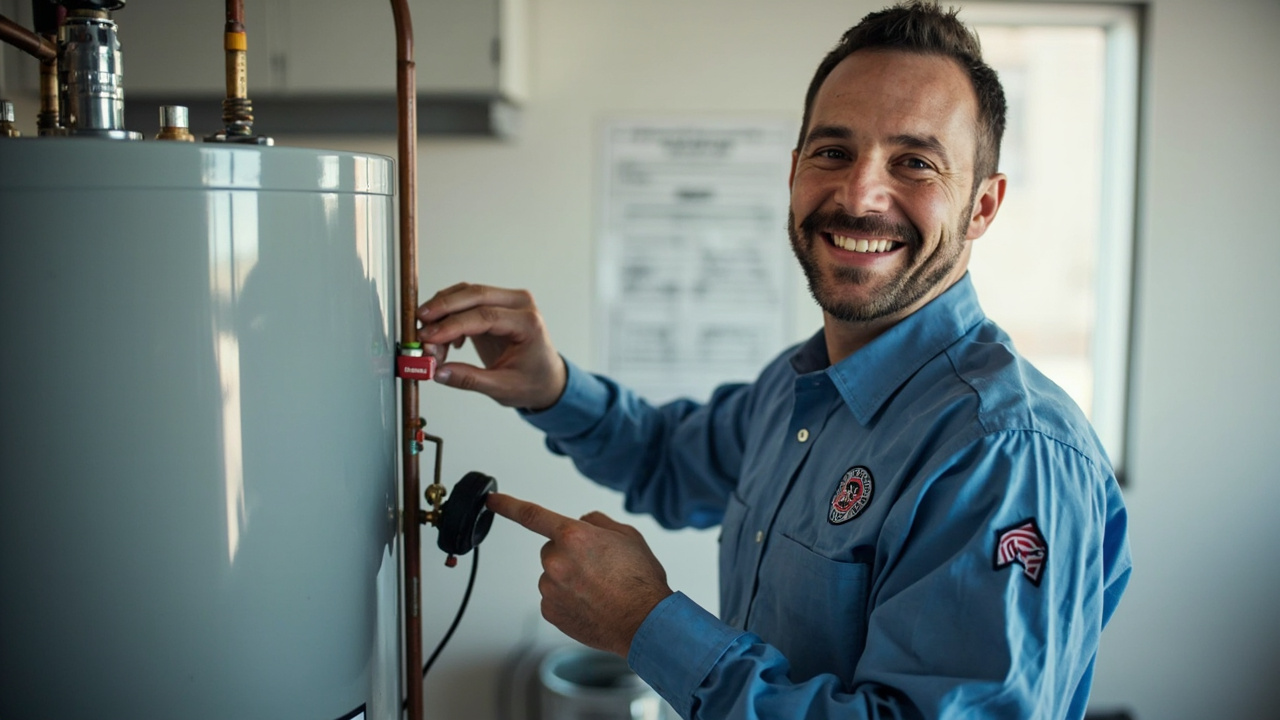
Anode rod inspection requires accessing the hex head fitting on top of your tank. The sacrificial anode rod, typically made of magnesium or aluminum, corrodes instead of your tank. When the rod depletes to less than half an inch thick or the core wire becomes exposed, replacement is necessary. In Milwaukee's hard water, anode rods last 3 to 5 years compared to 8 to 10 years in soft water regions.

Temperature and pressure relief valve testing involves lifting the test lever to release a small amount of water. The valve should snap shut cleanly. If water continues dripping or the valve sticks, replacement prevents future tank overpressure situations.

Gas water heaters require burner assembly inspection. Sediment and dust accumulation on the burner affects combustion efficiency. We vacuum the burner chamber and inspect the flame pattern. A proper flame burns blue with minimal yellow tipping.

Electric water heaters need heating element inspection. Sediment encases the lower element, causing it to overheat and fail. We test element continuity and check for mineral buildup that reduces heating efficiency.

Your Complete Water Heater Care Checklist in Three Stages

Water Heater Maintenance Tips in Milwaukee | Protect Your Investment From Hard Water and Winter Freezes
01

Initial System Assessment

We document your water heater's age, manufacturer, and model to identify known failure points specific to that unit. Visual inspection reveals rust stains, water pooling, or corrosion around fittings. We test water temperature at multiple taps to confirm consistent heating. Inlet and outlet connections get checked for proper dielectric unions, which prevent galvanic corrosion between dissimilar metals common in Milwaukee's conductive water supply.
02

Component Service and Testing

Tank flushing removes accumulated sediment through controlled drainage. Anode rod removal requires breaking the initial seal, which can take significant torque on older installations. We inspect the rod for depletion and test water heater operation under load. Temperature and pressure relief valve testing confirms proper operation at the rated 150 psi threshold. Thermostat calibration ensures accurate temperature control, preventing scalding or insufficient heating.
03

Documentation and Scheduling

You receive a detailed report showing component condition, sediment levels, and remaining service life estimates. We photograph the anode rod condition to show actual wear. Based on your water hardness and usage patterns, we recommend your next hot water tank maintenance interval. Properties with water softeners can extend service intervals. Homes without softening systems need more frequent attention to combat Milwaukee's aggressive water chemistry.

Why Milwaukee Homeowners Trust Local Expertise for Water Heater Maintenance

Milwaukee's plumbing challenges require local knowledge that generic maintenance guides cannot provide. Our technicians understand how Lake Michigan's water chemistry affects residential plumbing systems differently than properties drawing from deeper aquifer wells in Waukesha County.

We know which Milwaukee neighborhoods have the hardest water. Properties in Wauwatosa and West Allis experience more aggressive sediment buildup than homes closer to the lakefront. This geographic knowledge helps us customize your water heater care checklist to match actual conditions at your address.

Building codes in Milwaukee require specific venting configurations for gas water heaters. Older homes often have venting that no longer meets current standards. During maintenance visits, we identify code compliance issues before they become problems during property sales or rental inspections.

Winter preparedness separates adequate maintenance from comprehensive care. We insulate exposed pipes, check basement temperatures, and ensure proper clearances around your water heater. These details matter when temperatures drop below zero for days at a time.

Elite Plumbing Milwaukee technicians carry replacement anode rods, temperature and pressure relief valves, and drain valves to complete repairs during maintenance visits. This eliminates return trips and gets your system back to full protection immediately.

We document maintenance history for property value purposes. When you sell your home, maintenance records demonstrate responsible ownership and can justify asking prices. Buyers appreciate homes with documented hot water heater upkeep, particularly in Milwaukee's older housing stock where deferred maintenance is common.

Our maintenance programs align with seasonal demands. Spring and fall service windows prepare your system for extreme summer demand and winter stress periods.

What Your Water Heater Maintenance Service Includes

Service Timeline and Scheduling

Standard maintenance appointments take 45 to 90 minutes depending on your water heater type and condition. We schedule services during business hours on weekdays and offer Saturday appointments for homeowners who cannot accommodate weekday visits. If maintenance reveals immediate safety concerns like a failing temperature and pressure relief valve or a depleted anode rod, we carry common replacement parts to complete repairs the same day. Emergency maintenance for water heaters showing signs of imminent failure receives same-day response. We prioritize properties where tank failure would cause significant damage to finished basements or living spaces.

Comprehensive Inspection Process

Your maintenance visit includes external tank inspection for rust, corrosion, and water stains indicating slow leaks. We test the temperature and pressure relief valve operation and inspect the discharge tube routing. Anode rod removal and inspection shows actual wear. Gas units receive burner assembly cleaning and flame pattern analysis. Electric models get heating element testing and thermostat calibration. We measure sediment levels during tank flushing to determine accumulation rate. Water temperature testing at multiple fixtures confirms consistent heating performance. All findings are documented with photographs showing component condition and wear patterns specific to your system.

Performance and Efficiency Results

Proper water heater maintenance restores efficiency lost to sediment buildup. Customers typically see a 10 to 15 percent reduction in water heating costs after service removes accumulated minerals. Temperature consistency improves as heating elements or burners operate without sediment insulation. Recovery time, the period needed to reheat the tank after heavy use, decreases when sediment no longer blocks heat transfer. Anode rod replacement extends tank life by 5 to 8 years compared to neglected units. Your water heater operates more quietly after service removes sediment that causes popping and rumbling sounds during heating cycles.

Ongoing Maintenance Planning

We create a customized water heater maintenance schedule based on your water hardness, usage patterns, and system age. Properties with water softeners receive extended service intervals. Homes with high mineral content need more frequent attention. You receive reminder notices when your next service is due, eliminating the need to track maintenance dates. Annual maintenance plans lock in current pricing and guarantee priority scheduling. We maintain detailed service records in our system, so every technician who visits your property has complete maintenance history. If your water heater requires replacement, maintenance records help determine whether tank failure occurred due to age or correctable maintenance issues.

Frequently Asked Questions

You Have Questions,
We Have Answers

What maintenance needs to be done on a water heater? +

Annual maintenance keeps your water heater running efficiently. Flush the tank yearly to remove sediment buildup, especially critical in Milwaukee where hard water accelerates mineral deposits. Test the temperature and pressure relief valve to ensure it operates correctly. Check the anode rod every three years and replace it when deteriorated. Inspect the tank exterior for rust or leaks. Set your temperature to 120 degrees to prevent scalding and reduce energy costs. For gas units, inspect the burner and venting system. Electric models require checking heating elements and thermostats. Milwaukee's freeze-thaw cycles make insulation checks important to prevent pipe damage during winter.

What happens if you don't flush your water heater? +

Sediment accumulates at the tank bottom when you skip flushing. Milwaukee's hard water contains high mineral content that settles and hardens over time. This sediment layer insulates water from the heating element, forcing your unit to work harder and increasing energy bills. The buildup causes hot water to run out faster and creates popping or rumbling sounds during heating cycles. Severe accumulation corrodes the tank from the inside, leading to premature failure and potential leaks. Your water heater lifespan shortens significantly without regular flushing. The sediment also reduces tank capacity, meaning less hot water available for your household needs.

How often should I flush a water heater? +

Flush your water heater once per year for standard maintenance. Milwaukee homeowners should consider increasing frequency to twice yearly due to the area's hard water conditions. High mineral content in local water supplies accelerates sediment buildup. If you notice reduced hot water output, strange noises, or discolored water, flush immediately regardless of your schedule. Larger households using more hot water may need quarterly flushing. Check your manufacturer recommendations, as some newer models have different requirements. Set a calendar reminder each spring and fall to maintain consistency. Regular flushing prevents costly repairs and extends your unit's operational life.

Can I do water heater maintenance myself? +

Basic water heater maintenance is manageable for handy homeowners. You can flush the tank, test the relief valve, check for leaks, and adjust temperature settings safely. However, Milwaukee's building codes and safety requirements make professional inspections valuable. Gas water heaters require careful handling around combustion components. Anode rod replacement needs specific tools and knowledge to avoid damaging the tank. If you smell gas, see active leaks, or lack experience with plumbing systems, call a licensed plumber immediately. Annual professional maintenance catches problems before they become emergencies and ensures warranty compliance on newer units.

Can I flush my hot water heater myself? +

Yes, you can flush your water heater yourself with basic tools. Turn off power or gas, shut the cold water supply valve, and connect a garden hose to the drain valve. Run the hose outside or to a floor drain. Open the drain valve and a hot water faucet upstairs to break the vacuum. Let water run until clear. Milwaukee homeowners should wear gloves as the water exits extremely hot. Be prepared for sediment chunks that may clog the valve. If the drain valve gets stuck or you encounter complications, stop and contact a professional to prevent tank damage.

What is the average cost to flush a water heater? +

Professional water heater flushing typically costs between reasonable and moderate amounts depending on your location and service provider. Milwaukee pricing varies based on tank size, accessibility, and whether you bundle it with other maintenance services. The cost includes labor, disposal, and valve inspection. Many plumbers offer annual maintenance packages that reduce per-visit pricing. While flushing seems expensive compared to DIY, professionals catch additional issues like failing anode rods or developing leaks. They also handle permit requirements and ensure code compliance. The investment prevents costly emergency repairs and extends your water heater lifespan, saving money long term.

Should I flush a 20 year old water heater? +

Flushing a 20 year old water heater carries risks. If never flushed before, disturbing decades of hardened sediment can dislodge buildup and damage internal components or clog the drain valve permanently. Milwaukee's hard water makes this especially problematic. The tank may already be corroded beneath the sediment layer. Flushing could expose weaknesses and trigger leaks. At 20 years, your unit exceeds typical lifespan expectations. Consider professional inspection first. A plumber can assess whether flushing helps or if replacement makes more financial sense. Continuing operation without maintenance risks sudden failure and potential water damage to your home.

How much does a plumber charge to flush it? +

Plumbers in Milwaukee typically charge service call fees plus labor for water heater flushing. Expect pricing based on tank size, accessibility, and condition. The process takes 30 to 60 minutes for straightforward jobs. Costs increase if the drain valve needs replacement or sediment has hardened significantly. Many plumbing companies offer flat-rate pricing or maintenance packages that include flushing, inspection, and minor adjustments. Emergency or weekend service commands premium rates. Get quotes from licensed local plumbers and ask what the service includes. Verify they check the anode rod and relief valve during the visit for comprehensive maintenance value.

Is flushing the same as draining? +

Flushing and draining differ in purpose and process. Draining empties the tank completely, typically for repairs, winterization, or replacement. You open the drain valve and remove all water. Flushing removes sediment while keeping the tank operational. You drain several gallons, stir up settled minerals, then drain more until water runs clear. The cold water supply stays on during flushing to agitate sediment. Milwaukee homeowners flush for maintenance but drain for system shutdown. Both procedures use the same drain valve, but flushing requires multiple cycles to effectively remove mineral buildup from hard water. Complete draining takes longer than flushing.

Do most people flush their water heaters? +

Most homeowners neglect water heater flushing despite manufacturer recommendations. National surveys show fewer than 20 percent of households perform this maintenance annually. Milwaukee residents face consequences from this neglect due to local hard water conditions. Many people remain unaware of the requirement until their water heater fails prematurely. Others avoid the task due to time constraints or uncertainty about the process. This widespread neglect explains why water heaters often fail before reaching their potential lifespan. Proactive homeowners who flush regularly enjoy lower energy bills, consistent hot water supply, and fewer emergency replacements. Professional maintenance programs help overcome homeowner inertia.

How Milwaukee's Hard Water and Freeze-Thaw Cycles Make Preventative Maintenance Critical

Milwaukee's water supply ranks among the hardest in Wisconsin, with Total Dissolved Solids frequently exceeding 250 ppm. This mineral concentration accelerates sediment accumulation inside water heater tanks at twice the rate seen in soft water regions. Combined with winter temperatures that regularly drop below zero, Milwaukee water heaters face a dual challenge. Hard water creates insulating sediment layers while extreme cold increases heating demand. The result is overworked heating elements or burners struggling to maintain temperature through sediment buildup. Tanks fail prematurely when bottom sections overheat trying to compensate for reduced heat transfer. Regular hot water tank maintenance removes these sediment layers before they calcify into permanent deposits that no amount of flushing can eliminate.

Milwaukee building codes require specific clearances and venting configurations for water heaters, particularly in the densely built neighborhoods like Brady Street and the Historic Third Ward. Many older homes have water heaters installed before current code requirements took effect. During maintenance visits, Elite Plumbing Milwaukee identifies code compliance gaps and recommends corrections. This local code knowledge protects homeowners during property transfers and rental inspections. Our technicians understand Milwaukee's unique mix of housing stock, from century-old bungalows to modern construction, and adapt maintenance procedures to each property's specific plumbing configuration. This neighborhood-level expertise ensures your water heater maintenance addresses the actual challenges present in your home, not generic conditions that may not apply to Milwaukee properties.
Plumbing Services in The Milwaukee Area

View our service area on the map to see how we can serve you. We proudly provide top-tier plumbing services throughout the Milwaukee region and its surrounding communities. Our dedicated team is just a call or click away, ready to deliver the reliable solutions you need, right to your doorstep. We are committed to being your trusted local plumbing experts for any and all jobs.

Address:
Elite Plumbing Milwaukee, 2201 N Doctor M.L.K. Jr Dr, Milwaukee, WI, 53212

Additional Services We Offer

Our news updates

Latest Articles & News from The Blogs

Why your South Milwaukee basement drains smell like a swamp after a heavy storm The first heavy rain hits South…

Why your South Milwaukee basement drains smell like a swamp after a heavy storm

Why your South Milwaukee basement drains smell like a swamp after a heavy storm The first heavy rain hits South…

What to consider before installing a gas line for a professional range in New Berlin

What to consider before installing a gas line for a professional range in New Berlin Installing a gas line for…

Where you can legally drain your sump pump water in Greenfield

Where you can legally drain your sump pump water in Greenfield Your sump pump works hard to keep your Greenfield…

Contact Us

Protect your Milwaukee home from winter water heater failures. Call Elite Plumbing Milwaukee at (414) 375-7955 to schedule maintenance service. Our technicians carry replacement parts for same-day repairs when needed. Do not wait until your water heater fails during the coldest week of the year.