




Menu

High Water Bills in Milwaukee – Expert Leak Detection and Water Waste Diagnostics

Elite Plumbing Milwaukee uses specialized leak detection equipment and whole-system audits to identify hidden water waste, pinpoint billing errors, and stop excessive water usage before high water bills drain your wallet.

Slider Image 1
Slider Image 2
Slider Image 3
Slider Image 4
Slider Image 5
Slider Image 7
Slider Image 8
Slider Image 9
Slider Image 10
Slider Image 11

Why Your Milwaukee Water Bill Suddenly Spiked

You checked your Milwaukee water bill and froze. The number is double, triple, or worse than last month. You have not changed your routine. No one is taking longer showers. The washing machine runs the same amount. Yet here you are, staring at an unexplained high water bill that makes no sense.

Milwaukee homes face unique water billing challenges. The freeze-thaw cycles we experience between November and March can crack underground supply lines without any visible surface evidence. Your water meter keeps spinning while you sleep, and the leak stays hidden until the bill arrives. The clay-heavy soil common in neighborhoods like Bay View and Riverwest shifts during spring thaw, stressing old galvanized pipes that were installed decades before modern plumbing codes.

A sudden spike in water bill is not always from a visible burst. Most excessive water usage comes from silent failures. A toilet flapper that does not seat properly can waste 200 gallons per day. A pinhole leak in your basement slab can drain 50 gallons before you notice a damp spot. Water softener malfunction can trigger continuous regeneration cycles, flushing hundreds of gallons down the drain every night.

Milwaukee Water Works bills based on actual meter readings, so a skyrocketing water bill reflects real consumption or real loss. The problem exists. The question is where. You need a plumber who can trace the water path from your meter to every fixture, identify the failure point, and stop the bleed before next month's bill arrives.

Why Your Milwaukee Water Bill Suddenly Spiked
How We Find and Stop Water Waste

How We Find and Stop Water Waste

We do not guess. We measure. Every high water bill investigation starts with a meter isolation test. We shut off every fixture and appliance in your home, then watch your water meter. If the flow indicator keeps moving, water is escaping somewhere between the meter and your plumbing system. That tells us whether the problem is internal or external before we tear into walls or dig up your yard.

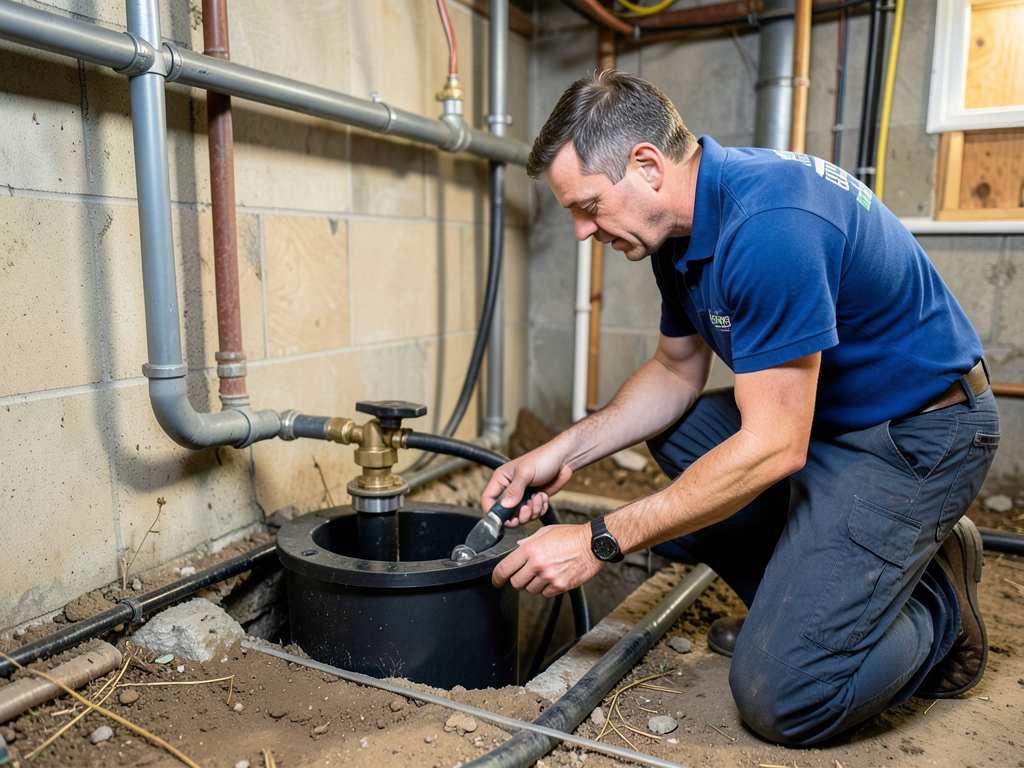
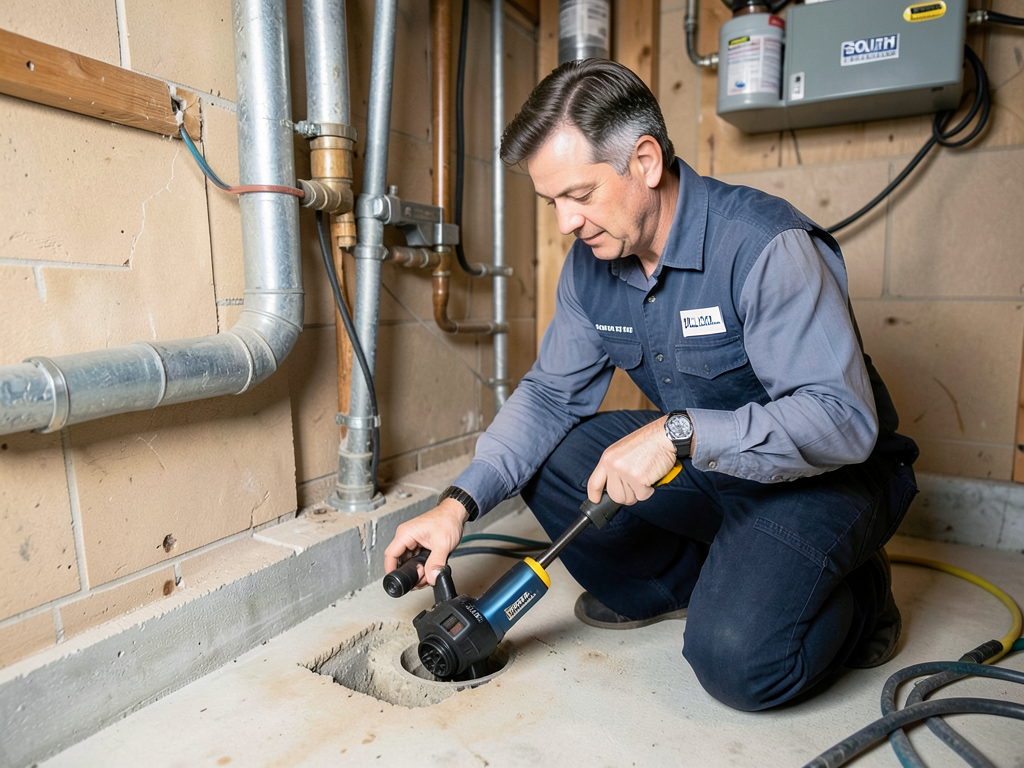
For internal leaks, we use acoustic leak detection equipment. This tool amplifies the sound of water moving through pipes, pinpointing leaks behind drywall, under concrete slabs, or inside finished ceilings. We can hear a pinhole leak in a copper supply line from six feet away. That precision means we cut one small access hole instead of demolishing half your bathroom to find the source.

Toilet leaks are the most common cause of unexpected water bill increases in Milwaukee homes. We dye-test every toilet tank to check for flapper seal failure. A failing flapper lets water trickle from the tank into the bowl continuously. You will not hear it. You will not see it. But your meter registers every gallon. Replacing a $8 flapper can cut your water bill by $60 per month.

We also inspect your water softener, irrigation system backflow preventer, and pressure-reducing valve. These components fail silently. A stuck-open PRV can spike your home's water pressure to 120 psi, causing fixture leaks and appliance strain. An irrigation system with a cracked zone valve can flood your lawn's subsurface for hours after the timer shuts off. Elite Plumbing Milwaukee checks every potential failure point during the diagnostic visit.

Our Water Bill Investigation Process

High Water Bills in Milwaukee – Expert Leak Detection and Water Waste Diagnostics
01

Initial Meter Test

We start outside at your water meter. With all fixtures and appliances shut off, we observe the meter's flow indicator for five minutes. Any movement confirms active water loss. This test isolates the problem to either your property's supply line or your interior plumbing system. We document the meter reading and flow rate to calculate your daily water loss in gallons.
02

System Component Inspection

We inspect every water-using fixture and appliance. Toilets get dye tests. Faucets get flow rate checks. Water heaters get pressure relief valve inspections. We examine your water softener's control head for regeneration cycle errors. We test your irrigation system's backflow preventer and zone valves. We check under sinks for dripping supply lines and corroded shutoff valves that leak at the packing nut.
03

Repair and Verification

After identifying the source, we complete the repair and retest your system. We verify zero flow at the meter with all fixtures off. Before we leave, we calculate your projected water savings based on the leak volume we stopped. Most clients see their next bill drop back to normal range. We provide documentation you can submit to Milwaukee Water Works if you want to dispute the high bill.

Why Milwaukee Homeowners Choose Elite Plumbing

Milwaukee's housing stock is old. Homes in Brewer's Hill, Walker's Point, and the East Side were built between 1890 and 1950, long before modern plumbing codes required backflow prevention, pressure regulation, or corrosion-resistant piping. Your home's plumbing system was designed for a different era. It needs a plumber who understands how these older systems fail and where the hidden weak points exist.

Elite Plumbing Milwaukee has traced thousands of water leaks through Milwaukee's maze of galvanized steel, cast iron, and early copper installations. We know how the freeze-thaw cycle affects buried supply lines in different soil types. We know which toilet brands from the 1980s have flapper designs that fail every five years. We know how water hammer from the city's high main pressure damages older compression fittings.

We also understand Milwaukee Water Works billing cycles and meter reading procedures. If you suspect a meter error or billing mistake, we provide documentation from our diagnostic test that you can submit with your dispute. We have worked with the Water Works customer service department on dozens of billing investigations. Sometimes the problem is not your plumbing. Sometimes it is a malfunctioning meter or a misread account number.

You are not paying for an amateur to experiment with your plumbing. You are paying for a diagnostic process that has been refined over years of solving the exact problem you are facing right now. We find the leak. We stop the waste. We document the repair. Your next water bill will prove we did the job correctly.

What Happens During Your Service Call

Same-Day Diagnostic Visits

We know high water bills create financial stress. You cannot afford to wait two weeks for an appointment while the meter keeps spinning. We offer same-day diagnostic visits for water bill investigations throughout Milwaukee. Call before noon, and we can typically arrive that afternoon. Our plumbers carry acoustic leak detection equipment, pressure gauges, and dye test kits on every truck, so we complete the full inspection during the first visit. You get answers fast, not another appointment weeks away.

Transparent Diagnostic Process

We explain what we find as we find it. If your toilet flapper is leaking, we will show you the dye in the bowl. If your water softener is stuck in regeneration, we will show you the control head display. If you have a slab leak, we will play the acoustic signal through a speaker so you can hear what we hear. You are not paying for a mystery diagnosis. You are paying for clear answers and photographic documentation of the problem. We provide written findings before we quote any repair work.

Complete Leak Resolution

We do not stop at diagnosis. We complete the repair during the same visit whenever possible. Toilet flapper replacement takes 15 minutes. Faucet cartridge swaps take 30 minutes. Water softener valve repairs take an hour. For underground supply line leaks or slab leaks that require excavation, we provide a detailed scope of work and timeline. You will know exactly what needs to happen, how long it will take, and what the repair involves before we start cutting concrete or digging trenches.

Billing Dispute Support

If you plan to dispute your water bill with Milwaukee Water Works, we provide documentation to support your claim. Our service report includes the leak location, estimated daily water loss, repair description, and verification test results. This documentation proves the high bill resulted from a plumbing failure, not excessive usage. Milwaukee Water Works reviews disputes on a case-by-case basis, and professional plumber documentation strengthens your claim. We have helped dozens of homeowners successfully reduce or eliminate inflated water bills through the dispute process.

Frequently Asked Questions

You Have Questions,
We Have Answers

Why did my water bill go so high? +

A sudden spike in your water bill usually signals a hidden leak, running toilet, or faulty fixture. In Milwaukee, the freeze-thaw cycles stress older galvanized pipes and sewer laterals, causing pinhole leaks or slab leaks you cannot see. Check your meter reading before and after a two-hour period when no water is used. If the numbers change, you have a leak. Irrigation systems, broken fill valves, and dripping faucets also drive up usage. Address leaks fast to avoid overpaying Milwaukee Water Works and prevent structural damage to your home.

What runs your water bill up the most? +

Toilets are the biggest culprit. A running toilet can waste over 200 gallons per day. Showers and baths follow, especially in multi-person households. Irrigation systems and outdoor hose bibs during Milwaukee summers add hundreds of gallons. Older washing machines and dishwashers use more water than modern, efficient models. Leaking supply lines, dripping faucets, and faulty water softeners compound the issue. In Milwaukee homes with older plumbing infrastructure, corroded pipes and failing fixtures often leak silently behind walls or under slabs, inflating bills without visible signs.

How to tell if you have a water leak on the meter? +

Turn off all water-using appliances and fixtures inside and outside your home. Locate your meter, usually in the basement or near the curb in Milwaukee properties. Check the leak indicator dial or triangle. If it spins or moves, water is flowing somewhere. You can also record the meter reading, wait two hours without using water, then check again. Any change confirms a leak. Milwaukee Water Works meters are accurate, so movement during a shutoff period means you need a professional inspection to locate the source.

How much should a normal water bill be per month? +

In Milwaukee, the average water bill for a single-family home runs between $40 and $80 per month, depending on household size and usage. A family of four typically uses 8,000 to 12,000 gallons monthly. If your bill exceeds $100 without explanation, investigate leaks or inefficient fixtures. Milwaukee Water Works charges based on consumption and includes sewer fees, which can double the cost. Older homes with galvanized pipes or outdated fixtures often see higher bills due to inefficiency and hidden leaks. Track your usage quarterly to spot anomalies early.

Why is my water bill $900? +

A $900 water bill is not normal and indicates a serious leak, likely a broken supply line, failed slab leak, or continuously running toilet. In Milwaukee, frozen pipes that burst during winter thaws can dump thousands of gallons before you notice. Slab leaks under concrete foundations are common in older Milwaukee homes and go undetected for weeks. Check your meter for constant movement. Contact Milwaukee Water Works immediately to dispute billing errors, but expect to fix the leak first. A licensed plumber can pinpoint the issue with leak detection equipment before you waste more money.

How do I check for hidden leaks? +

Start by inspecting visible fixtures. Check under sinks, around toilets, and near water heaters for damp spots or pooling water. Listen for hissing sounds near pipes or valves. Add food coloring to toilet tanks. If color appears in the bowl without flushing, the flapper is leaking. Check your water meter before bed and again in the morning without using water. Any change signals a hidden leak. In Milwaukee homes, check basement foundations and crawl spaces for moisture, especially after freeze-thaw cycles that crack supply lines or corrode galvanized pipes.

How can I check for water leaks? +

Inspect all visible plumbing first. Look under sinks, behind toilets, and around appliance connections for drips or corrosion. Run your hand along exposed pipes in basements or crawl spaces to feel for moisture. Check outdoor hose bibs and irrigation systems, which often leak during Milwaukee winters. Monitor your water meter for movement when all fixtures are off. Soft spots on floors, stains on ceilings, or mold growth indicate hidden leaks behind walls or under slabs. If you cannot locate the source, call a licensed plumber with leak detection tools like acoustic sensors or thermal imaging cameras.

Can water meters read too high? +

Water meters rarely read too high. Milwaukee Water Works uses accurate, calibrated meters tested regularly. If you suspect an error, request a meter test through the utility. False highs usually trace back to undetected leaks, not meter malfunction. In older Milwaukee homes, corroded pipes or faulty pressure regulators can cause erratic flow that appears as high usage. Seasonal irrigation, filling pools, or running humidifiers also spike readings. Before disputing a bill, check your property for leaks and review past usage patterns. Meters measure actual consumption, so the problem is usually on your side of the line.

What wastes the most water in a house? +

Toilets waste the most water in a house. A single leaking flapper can waste 200 gallons daily. Showers and baths rank second, especially with older low-efficiency showerheads. Outdoor irrigation systems and hose bibs waste significant water during Milwaukee summers. Leaking faucets, though they seem minor, waste gallons over time. Washing machines and dishwashers in older homes use more water than modern, high-efficiency models. Undetected slab leaks or broken supply lines under foundations silently dump water for weeks. Fixing these issues cuts your bill fast and prevents structural damage to your Milwaukee property.

How do plumbers detect a water leak? +

Plumbers use specialized leak detection equipment to locate hidden leaks without demolition. Acoustic listening devices pick up the sound of water escaping pressurized pipes. Thermal imaging cameras detect temperature changes caused by water seeping behind walls or under slabs. Video pipe inspection cameras snake through drains to spot cracks or blockages. Pressure testing isolates sections of plumbing to pinpoint the leak zone. In Milwaukee, freeze-thaw damage and corroded galvanized pipes require expert diagnosis. Licensed plumbers combine these tools with experience to find leaks fast, minimizing damage and keeping repair costs down.

How Milwaukee's Aging Water Infrastructure Causes Billing Spikes

Milwaukee Water Works operates one of the oldest municipal water systems in the Midwest. Many of the underground water mains in neighborhoods like Washington Heights, Shorewood, and Wauwatosa date to the early 1900s. These cast iron mains experience pressure fluctuations during winter demand surges and summer peak usage periods. When main pressure spikes to 90 or 100 psi, older pressure-reducing valves in homes fail to compensate. That pressure surge stresses your fixture connections, loosens compression fittings, and cracks brittle plastic components in older toilets. A toilet fill valve that worked fine at 60 psi starts leaking at 95 psi. The result is a sudden spike in water bill that appears out of nowhere but traces back to city main pressure changes your home's plumbing system could not handle.

Elite Plumbing Milwaukee has worked with the city's unique water delivery challenges for years. We understand how the system's pressure zones shift between the lakefront and the western suburbs. We know which neighborhoods experience the most freeze-thaw pipe failures based on soil composition and water table depth. We also maintain relationships with Milwaukee Water Works meter services division, so if we suspect a meter malfunction during our diagnostic test, we know the correct department to contact and the documentation they require. Local expertise matters when you are trying to solve a problem that involves both your home's plumbing and the city's infrastructure.
Plumbing Services in The Milwaukee Area

View our service area on the map to see how we can serve you. We proudly provide top-tier plumbing services throughout the Milwaukee region and its surrounding communities. Our dedicated team is just a call or click away, ready to deliver the reliable solutions you need, right to your doorstep. We are committed to being your trusted local plumbing experts for any and all jobs.

Address:
Elite Plumbing Milwaukee, 2201 N Doctor M.L.K. Jr Dr, Milwaukee, WI, 53212

Additional Services We Offer

Our news updates

Latest Articles & News from The Blogs

Common plumbing mistakes people make when building an ADU in Milwaukee Building an Accessory Dwelling Unit in Milwaukee requires understanding…

Common plumbing mistakes people make when building an ADU in Milwaukee

Common plumbing mistakes people make when building an ADU in Milwaukee Building an Accessory Dwelling Unit in Milwaukee requires understanding…

Setting up a coffee bar sink in your Wauwatosa home office

Setting up a coffee bar sink in your Wauwatosa home office Installing a coffee bar sink in your Wauwatosa home…

Why your Oconomowoc vacation home smells like sewer gas when you first arrive

Why Your Oconomowoc Vacation Home Smells Like Sewer Gas When You First Arrive The moment you unlock the door to…

Contact Us

Every day you wait is another day of wasted water and money. Call Elite Plumbing Milwaukee at (414) 375-7955 right now. We will schedule your diagnostic visit today, find the leak, and stop your water bill from climbing higher.