




Menu

Tank vs. Tankless Water Heaters in Milwaukee | Expert Comparison to Match Your Home's Needs

Get the facts on traditional vs on-demand water heaters for Milwaukee homes. We explain how climate, water hardness, and usage patterns shape the right choice for your household.

Slider Image 1
Slider Image 2
Slider Image 3
Slider Image 4
Slider Image 5
Slider Image 7
Slider Image 8
Slider Image 9
Slider Image 10
Slider Image 11

Why Milwaukee Homeowners Are Rethinking Water Heater Choices

Milwaukee's hard water creates specific challenges that change how storage and instantaneous water heaters perform over time. The high mineral content in our municipal supply accelerates sediment buildup in conventional water heaters, reducing efficiency and shortening lifespan. This same hard water affects tankless units differently, requiring more frequent descaling maintenance to prevent heat exchanger failure.

Our freeze-thaw cycles add another layer to the tank vs tankless water heater comparison. Traditional tank units store 40 to 80 gallons of heated water continuously, which increases standby heat loss during Milwaukee's cold months when basements drop below 50 degrees. On-demand systems only heat water when you turn on a faucet, eliminating this waste but demanding higher gas line capacity or electrical upgrades in older homes.

The choice between standard vs tankless water heaters depends on your household's specific conditions. A family of five in a 1920s bungalow near Washington Park faces different constraints than a couple in a newer Riverwest condo. Water pressure, existing infrastructure, basement configuration, and peak demand all factor into which system delivers better performance and value.

Milwaukee's aging housing stock means many homes have galvanized supply lines, undersized gas mains, or electrical panels that cannot support the instantaneous draw a tankless unit requires. These infrastructure realities often tip the conventional vs tankless water heaters decision in ways national articles never mention.

You need local knowledge to make this choice correctly. Generic advice fails when applied to Milwaukee's specific water chemistry and housing characteristics.

Why Milwaukee Homeowners Are Rethinking Water Heater Choices
How Each System Works in Milwaukee Conditions

How Each System Works in Milwaukee Conditions

A conventional water heater uses a storage tank with a burner or heating element at the bottom. Cold water enters through a dip tube, gets heated, and rises to the top where the hot water outlet draws it off. The thermostat cycles the burner to maintain set temperature, typically 120 to 140 degrees. In Milwaukee's hard water, calcium carbonate settles at the tank bottom, forming a barrier between burner and water that reduces heat transfer efficiency.

Tankless units operate on a fundamentally different principle. When you open a hot water tap, flow sensors detect movement and ignite a high-BTU burner or activate high-wattage heating elements. Water passes through a heat exchanger in a serpentine path, reaching target temperature before exiting to your fixture. The system shuts down the moment you close the tap.

This instantaneous heating requires significant energy input compressed into seconds rather than spread over hours. A whole-house gas tankless unit demands 150,000 to 200,000 BTU, compared to 40,000 BTU for a standard 50-gallon tank heater. Your existing gas line may need upsizing from half-inch to three-quarter-inch to deliver adequate fuel volume.

Electric tankless models pull 80 to 150 amps during operation. Most Milwaukee homes built before 2000 have 100 to 150-amp main panels, making a whole-house electric tankless installation impossible without panel upgrade and utility service increase.

The heat exchanger in a tankless unit is vulnerable to scale formation in hard water. Milwaukee water averages 7 to 10 grains per gallon hardness. Without annual descaling using food-grade acid solution, mineral deposits restrict flow paths and cause the unit to overheat and shut down.

Elite Plumbing Milwaukee evaluates your specific infrastructure before recommending either system. We measure actual water pressure, gas line capacity, and electrical service to ensure the chosen system performs as intended.

What Happens During Your Water Heater Consultation

Tank vs. Tankless Water Heaters in Milwaukee | Expert Comparison to Match Your Home's Needs
01

Home Infrastructure Assessment

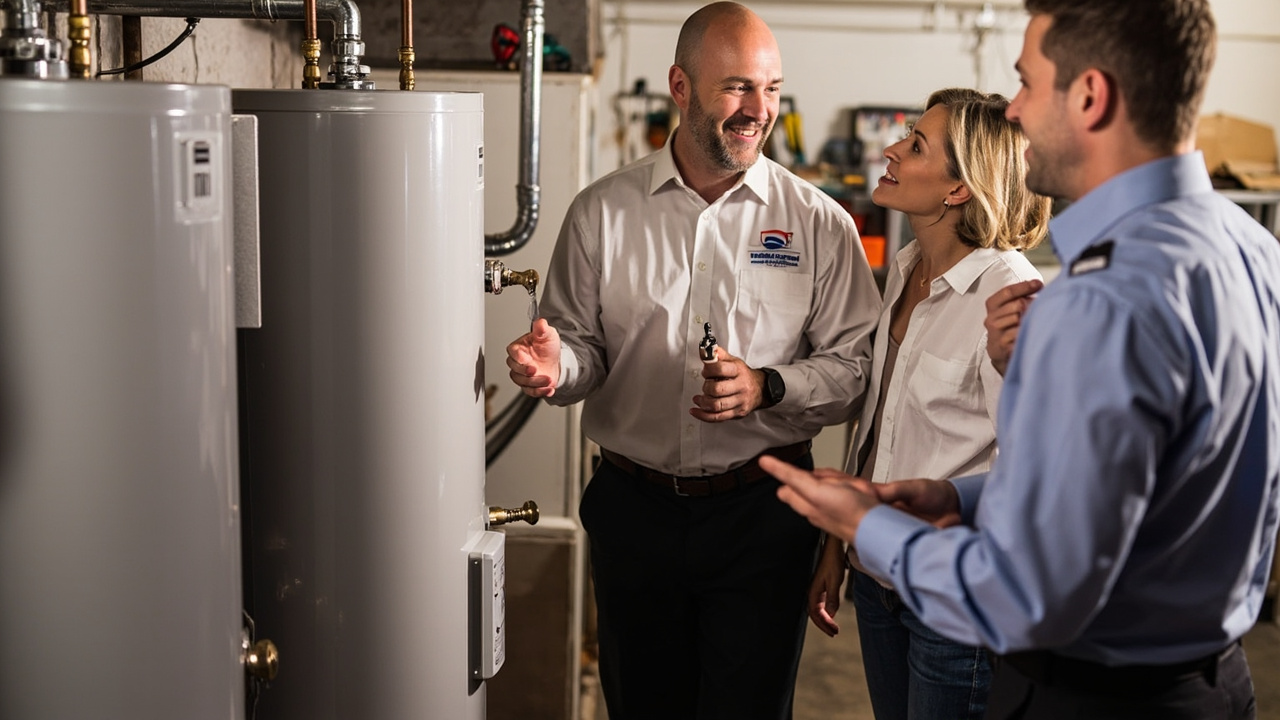
We document your current water heater type, age, and performance issues. Our technician measures hot water demand by counting fixtures and occupants, then tests water pressure at multiple locations. We inspect gas line sizing, electrical panel capacity, and venting configuration. This data determines which systems your home can physically support without expensive upgrades.
02

Cost and Performance Analysis

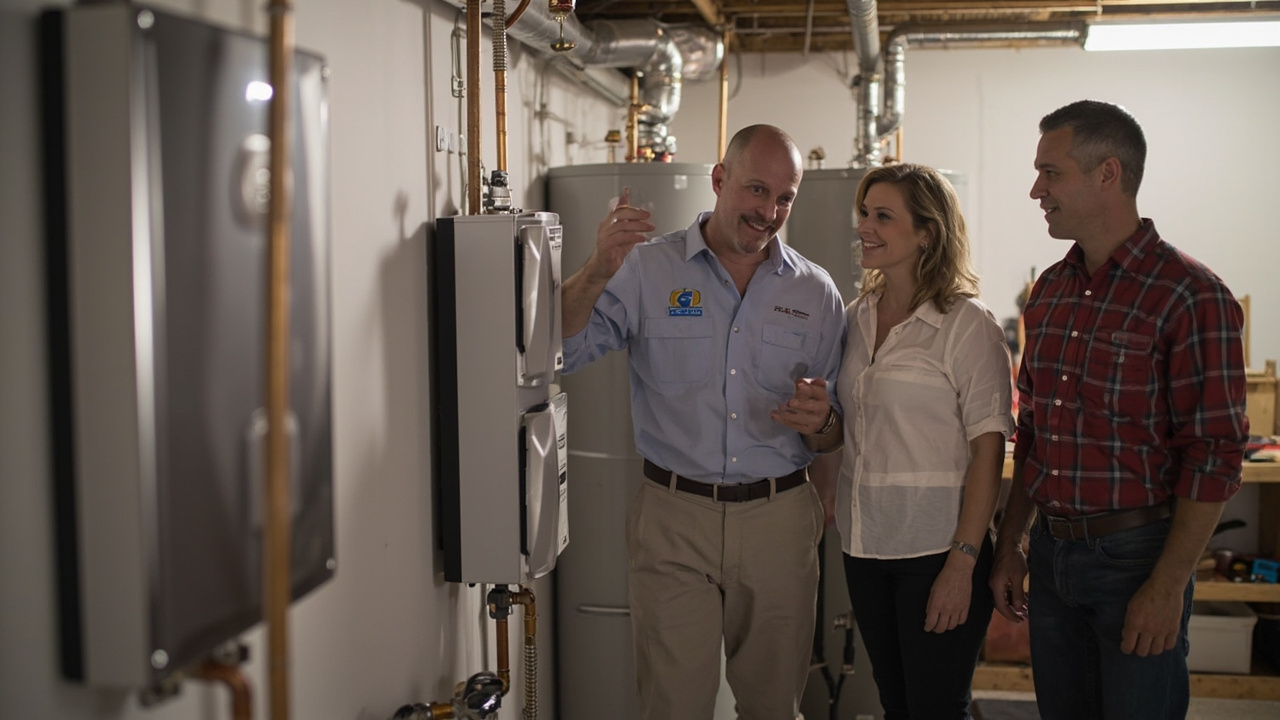
You receive a written comparison showing installation requirements, projected energy costs, and maintenance schedules for both storage and instantaneous systems. We calculate recovery rate for tank models and flow rate for tankless units based on your actual usage patterns. This eliminates guesswork and shows real numbers for your specific household in Milwaukee's rate environment and climate.
03

Recommendation and Installation Planning

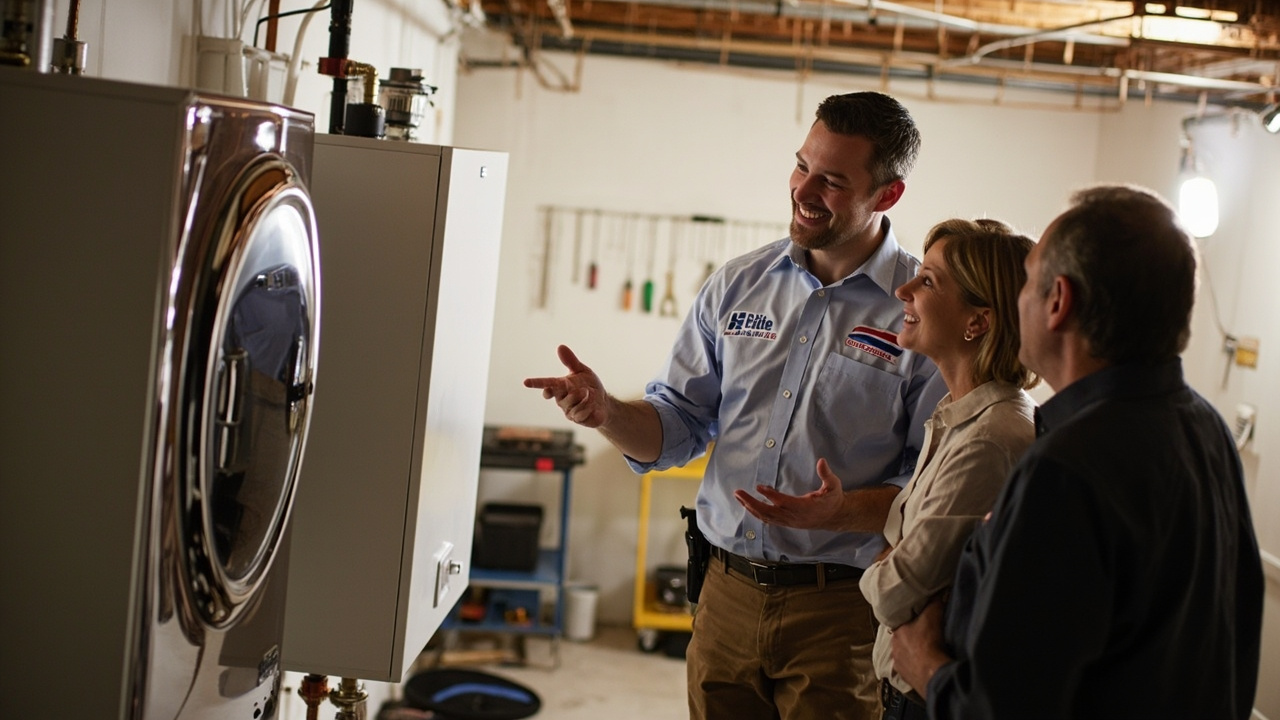
We explain which system matches your priorities, whether that is lowest upfront investment, maximum efficiency, space savings, or unlimited hot water. If infrastructure upgrades are needed for your preferred option, we provide exact scope and timeline. You get a detailed proposal with equipment specifications, labor breakdown, and permit requirements before any work begins.

Why Milwaukee Homeowners Trust Local Expertise for This Decision

National retailers and online guides cannot account for Milwaukee's specific variables. Our water hardness, older housing stock, and climate extremes create unique requirements that generic advice misses. A plumber familiar with Milwaukee conditions spots issues an out-of-town contractor overlooks.

We know that homes in Wauwatosa, Shorewood, and Bay View built in the 1920s through 1940s typically have basement ceiling heights under seven feet. This limits clearance for tankless vent piping, which requires two-inch to three-inch PVC or stainless steel with specific slope requirements. A conventional heater with direct vent through the rim joist often installs faster and cheaper in these configurations.

Milwaukee amended its plumbing code in 2018 to require expansion tanks on all closed-loop water heater systems. This applies to both traditional and tankless installations but affects each differently. Tank heaters need expansion tanks sized to system volume. Tankless units create more rapid pressure fluctuations that can exceed standard expansion tank capacity if undersized.

Our familiarity with local permit processes saves you time. We pull permits through the City of Milwaukee Development Center and coordinate inspections. We know which installations trigger additional requirements like carbon monoxide detector upgrades or GFCI protection on recirculation pumps.

Milwaukee's hard water makes ongoing maintenance critical for tankless longevity. Elite Plumbing Milwaukee offers annual descaling service using citric acid solution circulated through the heat exchanger. This removes mineral buildup before it restricts flow or damages components. We track service history and remind you when maintenance is due.

The traditional vs on-demand water heaters decision carries long-term consequences. Choose wrong and you face either inadequate hot water, excessive energy bills, or expensive retrofits. Local expertise ensures the system matches your home's actual capabilities and your household's real needs.

What You Can Expect from the Installation Process

Installation Timeline and Scheduling

Standard tank water heater replacement typically completes in four to six hours, including old unit removal and new unit hookup. Tankless installations require one to two days depending on infrastructure modifications. Gas line upsizing, electrical panel upgrades, or vent system reconfiguration extend the timeline. We schedule permits in advance to prevent delays and provide a specific arrival window on installation day. Your water service is restored the same day unless major plumbing modifications are required.

Pre-Installation Evaluation and Preparation

Before installation day, we verify that your selected system matches your home's infrastructure. For tankless units, this includes combustion air calculations, gas meter capacity verification, and electrical load analysis. We confirm vent termination locations comply with clearance requirements from windows, doors, and property lines. You receive a preparation checklist covering basement access, utility shutoff locations, and workspace requirements. This eliminates surprises and keeps the project on schedule.

System Performance and Quality Standards

We test the installed system under actual use conditions before leaving your home. This includes running multiple fixtures simultaneously to verify flow rate and temperature consistency. Gas connections undergo leak testing with pressure gauges and electronic detectors. Venting systems are checked for proper draft and condensate drainage. You receive operating instructions specific to your model, including temperature adjustment, maintenance requirements, and troubleshooting basics. The system is left fully operational and tested.

Maintenance Plans and Service Access

Tank heaters benefit from annual flushing to remove sediment accumulation that reduces efficiency. Tankless units require yearly descaling to prevent mineral buildup in heat exchangers. We offer scheduled maintenance programs that track service history and send reminders when maintenance is due. Our technicians carry descaling equipment, replacement anode rods, and common wear parts to complete service in one visit. Regular maintenance extends equipment life and maintains efficiency, protecting your investment over the system's lifespan.

Frequently Asked Questions

You Have Questions,
We Have Answers

What is better, a tankless water heater or a tank? +

Neither option is universally better. It depends on your household needs and Milwaukee home setup. Tankless units provide endless hot water on demand and last 20+ years, making them ideal for larger families or homes with limited space. Tank water heaters cost less upfront and work well for smaller households with predictable usage. In Milwaukee's cold climate, tankless systems may struggle during harsh winters if incoming water temps drop significantly. Tank heaters store pre-heated water, which can be more reliable when temperatures plunge. Your water usage patterns, budget, and available space should guide your decision.

What is the downside of a tankless water heater? +

The upfront cost is the biggest downside. Tankless units cost two to three times more to purchase and install than tank heaters, especially in Milwaukee homes that need gas line upgrades or electrical panel modifications. They also require annual descaling maintenance due to our moderately hard water, which adds ongoing expense. Tankless heaters struggle to supply multiple fixtures simultaneously in larger homes. If you run the dishwasher, washing machine, and shower at once, you may experience temperature fluctuations. Milwaukee's freezing winters can reduce efficiency when incoming water temps drop below 40 degrees.

Why do plumbers not recommend tankless water heaters? +

Some plumbers hesitate to recommend tankless systems because they require more complex installation and precise sizing calculations. In Milwaukee, many older homes need significant electrical or gas line upgrades to support tankless units, which increases project scope and liability. Tankless heaters also demand regular maintenance that homeowners often skip, leading to premature failure and callback complaints. Tank heaters are straightforward to install and repair with readily available parts. That said, experienced plumbers who understand proper sizing and installation do recommend tankless systems for appropriate applications. The hesitation often stems from installation complexity, not equipment quality.

How do amish get hot water? +

Amish communities typically heat water using wood-fired stoves, propane-powered tankless coils, or solar thermal systems. Many use a reservoir system where water sits in a tank on or near a wood stove, heating passively throughout the day. Some Amish households install propane-powered on-demand heaters that do not require electricity, aligning with their lifestyle principles. Others rely on outdoor wood boilers that heat water through coil systems. The methods vary by community and specific religious guidelines. This question is not directly relevant to Milwaukee homeowners choosing between modern tank and tankless systems for residential plumbing applications.

Why do people still use tank water heaters? +

Tank water heaters remain popular because they cost less upfront and work reliably in most Milwaukee homes without major modifications. Installation is straightforward and repair parts are widely available. They perform consistently in our cold climate without efficiency loss from low incoming water temperatures. Many homeowners prefer the simplicity of a storage tank that provides hot water even during power outages if gas-powered. For smaller households or those with limited budgets, tank heaters deliver dependable performance at half the installed cost of tankless systems. Familiarity and proven reliability keep them a common choice across Milwaukee neighborhoods.

Can I replace my 40 gallon water heater with a tankless water heater? +

Yes, you can replace a 40-gallon tank with a tankless unit, but your Milwaukee home may need upgrades first. Tankless heaters require higher gas pressure or dedicated electrical circuits that older homes often lack. A plumber must calculate your peak hot water demand to size the unit correctly. If you regularly use multiple fixtures simultaneously, you may need a larger capacity tankless model or even two units. Your existing gas line, electrical panel, and venting system will determine installation complexity and cost. Proper sizing is critical. An undersized tankless heater will not meet your household's hot water needs.

What is the most common problem with tankless water heaters? +

Mineral buildup from hard water is the most common tankless water heater problem in Milwaukee. Our municipal water contains calcium and magnesium that accumulate inside the heat exchanger, reducing efficiency and eventually causing system failure. Without annual descaling maintenance, the buildup restricts water flow and triggers error codes. Cold weather also creates issues when incoming water temperatures drop, forcing the unit to work harder and sometimes fail to reach the set temperature. Improper sizing during installation leads to temperature fluctuations when multiple fixtures run simultaneously. Regular professional maintenance prevents most of these problems and extends equipment life.

Can you run out of hot water with a tankless water heater? +

No, you cannot run out of hot water with a properly sized tankless heater because it heats water on demand as it flows through the unit. The system provides continuous hot water as long as you stay within its flow rate capacity. Problems occur when demand exceeds capacity. If you run three showers, a dishwasher, and a washing machine simultaneously, the unit may not keep up, causing temperature drops. In Milwaukee's winter months, extremely cold incoming water can also reduce output temperature. A correctly sized tankless system should meet your household's peak demand without running out of hot water.

How much does your electric bill go up with a tankless water heater? +

Electric tankless water heaters typically increase your bill by 10 to 20 dollars monthly compared to electric tank heaters, depending on usage and Milwaukee's electricity rates. However, this comparison is misleading because most tankless installations in our area use natural gas, which costs less to operate than electric resistance heating. Gas tankless units often reduce energy costs by 20 to 30 percent compared to gas tank heaters because they eliminate standby heat loss. Your actual savings depend on household size, usage patterns, and fuel type. Milwaukee's cold groundwater temperatures in winter can reduce efficiency gains slightly compared to warmer climates.

How Milwaukee's Water Hardness Affects Tank and Tankless Performance

Milwaukee Water Works delivers treated Lake Michigan water with hardness levels between 7.2 and 10.5 grains per gallon depending on which treatment plant serves your neighborhood. The Linnwood plant generally produces slightly harder water than the Howard Avenue facility. This mineral content creates calcium carbonate scale that accumulates faster in our climate than in soft water regions. Tank heaters develop thick sediment layers at the bottom, while tankless heat exchangers build scale deposits that restrict water passages. Both systems lose efficiency, but the failure modes differ. Sediment in tank heaters insulates water from the burner, increasing heating time and energy consumption. Scale in tankless units triggers overheat sensors that shut the system down entirely.

Milwaukee's plumbing code follows Wisconsin administrative code SPS 382, which sets specific requirements for water heater installations. These include temperature and pressure relief valve discharge piping, drain pan requirements for units in living spaces, and earthquake restraints for certain configurations. Local inspectors enforce these standards strictly. Elite Plumbing Milwaukee stays current with code amendments and inspector preferences, ensuring installations pass inspection the first time. We have established relationships with the city inspection department and understand their specific documentation requirements. This local knowledge prevents failed inspections and callback visits that delay project completion.
Plumbing Services in The Milwaukee Area

View our service area on the map to see how we can serve you. We proudly provide top-tier plumbing services throughout the Milwaukee region and its surrounding communities. Our dedicated team is just a call or click away, ready to deliver the reliable solutions you need, right to your doorstep. We are committed to being your trusted local plumbing experts for any and all jobs.

Address:
Elite Plumbing Milwaukee, 2201 N Doctor M.L.K. Jr Dr, Milwaukee, WI, 53212

Additional Services We Offer

Our news updates

Latest Articles & News from The Blogs

Why your South Milwaukee basement drains smell like a swamp after a heavy storm The first heavy rain hits South…

Why your South Milwaukee basement drains smell like a swamp after a heavy storm

Why your South Milwaukee basement drains smell like a swamp after a heavy storm The first heavy rain hits South…

What to consider before installing a gas line for a professional range in New Berlin

What to consider before installing a gas line for a professional range in New Berlin Installing a gas line for…

Where you can legally drain your sump pump water in Greenfield

Where you can legally drain your sump pump water in Greenfield Your sump pump works hard to keep your Greenfield…

Contact Us

Stop guessing which system fits your Milwaukee home. Call (414) 375-7955 now for an honest assessment of your options. We evaluate your actual infrastructure and usage to recommend the right choice, whether that is tank or tankless.