



Menu

Water Conservation Tips in Milwaukee – Proven Ways to Lower Your Water Bill While Protecting Local Watersheds

Milwaukee homeowners can cut water consumption by 30% or more using simple, targeted water saving techniques designed for Great Lakes region homes and our aging municipal infrastructure.

Slider Image 1
Slider Image 2
Slider Image 3
Slider Image 4
Slider Image 5
Slider Image 7
Slider Image 8
Slider Image 9
Slider Image 10
Slider Image 11

Why Milwaukee Homes Need Location-Specific Water Efficiency Strategies

Milwaukee sits at the confluence of three rivers feeding into Lake Michigan, yet our aging municipal water system faces infrastructure challenges that make conservation critical. Many Milwaukee homes built before 1980 still have original galvanized supply lines and first-generation fixtures that waste thousands of gallons monthly.

The Milwaukee Metropolitan Sewerage District charges combined water and sewer rates that make our region one of the highest-cost water markets in the Midwest. Every gallon you use gets charged twice: once coming in, once going out. This pricing structure means ways to save water directly impact your monthly utility costs more than in most other cities.

Milwaukee's freeze-thaw cycles create another local challenge. Outdoor spigots and supply lines that run through unheated spaces leak more here than in temperate climates. The average Milwaukee home loses 10% of its water use to leaks you cannot see. These hidden drips happen inside walls, under slabs, and in crawl spaces where Wisconsin winters stress connections and joints.

Water efficiency strategies here must account for hard water. Milwaukee's groundwater contains high mineral content that builds scale inside water heaters, reduces fixture efficiency, and shortens appliance lifespan. This mineral buildup makes conservation devices work harder and fail faster without proper maintenance.

The good news is that reducing water consumption in Milwaukee homes delivers measurable savings within one billing cycle. Small changes to how you use water and strategic upgrades to key fixtures can cut your water bill by $30 to $80 monthly while protecting the regional watershed that defines our city.

Why Milwaukee Homes Need Location-Specific Water Efficiency Strategies
How Professional Water Audits Identify Your Biggest Waste Points

How Professional Water Audits Identify Your Biggest Waste Points

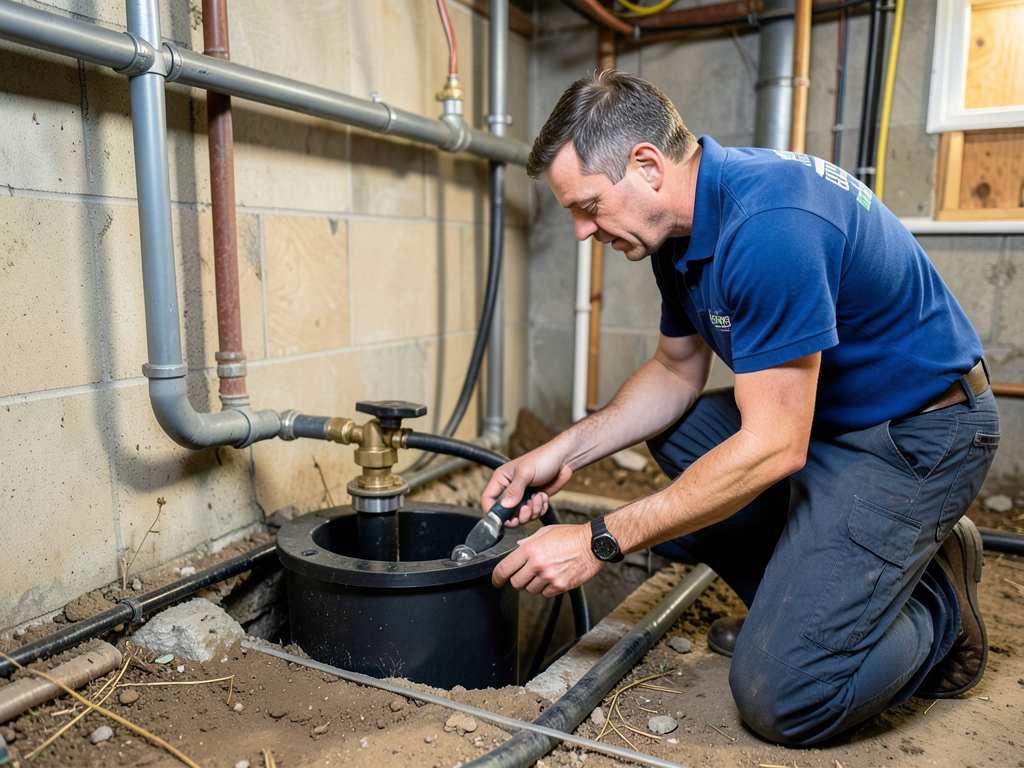
Effective water saving techniques start with knowing where your water actually goes. Elite Plumbing Milwaukee conducts whole-house water audits that measure flow rates at every fixture, test for hidden leaks using pressure decay testing, and calculate your gallons-per-day baseline.

We start with your water meter. By isolating circuits and monitoring the meter with all fixtures off, we can detect leaks as small as a dripping valve seat. Many Milwaukee homes have service line leaks between the meter and the house that waste water you pay for but never use.

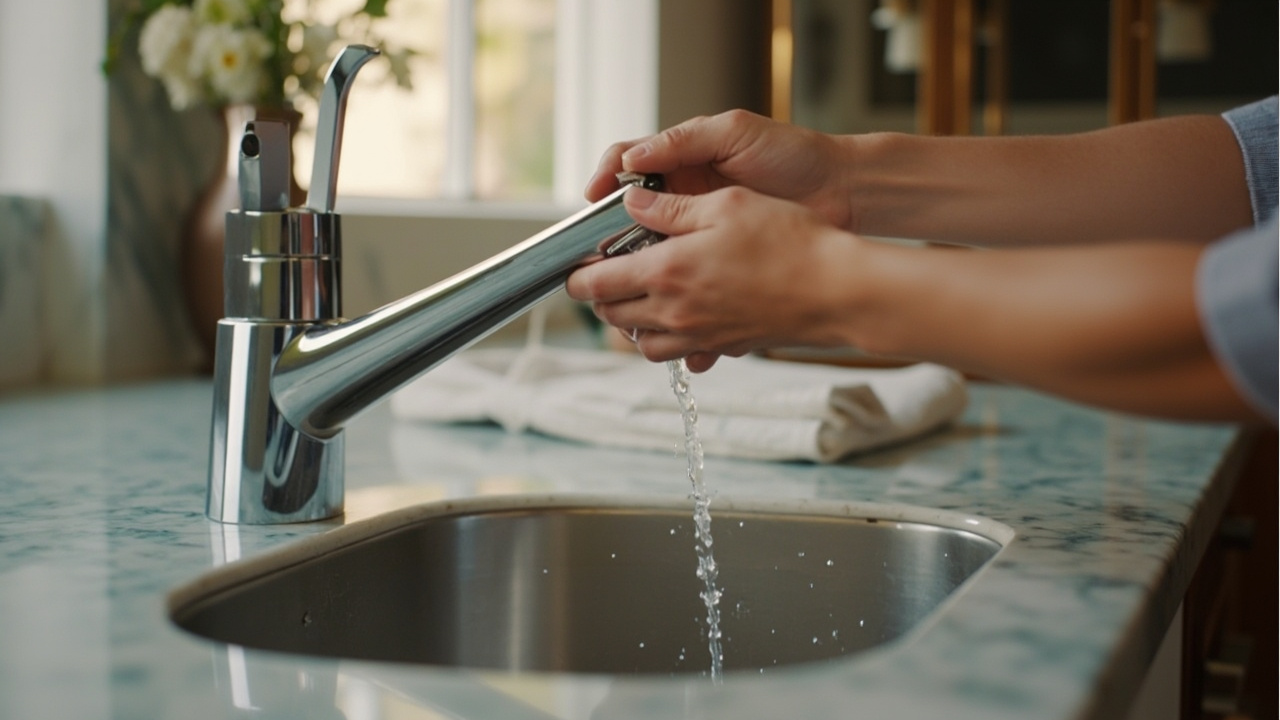
Next, we measure fixture flow rates using calibrated flow bags. Your kitchen faucet should deliver 1.5 gallons per minute or less, but older faucets often flow at 2.5 GPM or higher. That difference adds up to 15,000 gallons yearly at just one sink. Showerheads, toilets, and outdoor hose bibs all get individual flow testing.

Toilet testing uses dye tablets. We place tablets in the tank and wait 15 minutes without flushing. If color appears in the bowl, the flapper valve leaks. A leaking flapper wastes 200 gallons daily and costs you $40 monthly in combined water and sewer charges. This single issue accounts for more residential water waste in Milwaukee than any other problem.

We also inspect your water heater for sediment buildup and thermal efficiency loss. Hard water scale reduces heating efficiency and forces the unit to work longer, which increases standby water loss through the temperature and pressure relief valve. Flushing sediment and testing the TPR valve are critical water efficiency strategies for Milwaukee homes.

The audit produces a prioritized action list showing where upgrades deliver the fastest payback.

Three Steps to Implement Water Conservation in Your Home

Water Conservation Tips in Milwaukee – Proven Ways to Lower Your Water Bill While Protecting Local Watersheds
01

Baseline Water Use Assessment

We begin by analyzing your last 12 months of water bills to establish your usage pattern and identify seasonal spikes. This baseline reveals whether your waste comes from indoor fixtures, outdoor irrigation, or hidden leaks. We compare your consumption to similar Milwaukee homes to flag outliers. This data-driven approach ensures we target the right problems first and measure results after implementing water saving techniques.
02

High-Impact Fixture Upgrades

We replace your highest-consumption fixtures with WaterSense-certified alternatives designed for hard water environments. Pressure-compensating aerators, low-flow showerheads with pause valves, and dual-flush toilet retrofits get installed first. These upgrades require no behavior change from you but deliver immediate reductions in water consumption. We also repair or replace any leaking supply valves, worn flapper assemblies, and corroded hose bibs found during the audit.
03

Ongoing Monitoring and Adjustment

After installation, we track your water bills for three months to verify savings and identify any remaining inefficiencies. We provide a maintenance schedule for cleaning aerators, inspecting flapper valves, and flushing your water heater to prevent scale buildup. This follow-up ensures your water efficiency strategies continue working long-term. Many Milwaukee homeowners see 25% to 40% reductions in water use, which translates to $400 to $800 in annual savings.

Why Milwaukee Homeowners Trust Local Plumbing Expertise for Water Conservation

Water conservation is not a one-size-fits-all solution. What works in Phoenix or Seattle fails here because our climate, water chemistry, and infrastructure are different. You need a plumber who understands Milwaukee's specific challenges and knows which products survive our conditions.

Elite Plumbing Milwaukee has spent years working with the local water utility and Milwaukee Metropolitan Sewerage District to understand regional water quality reports and infrastructure limitations. We know which neighborhoods still have lead service lines, where water pressure runs high enough to stress fixtures, and which areas experience seasonal low-pressure problems that affect conservation device performance.

Our techs carry hard water test kits because mineral content varies across Milwaukee County. A WaterSense showerhead that works perfectly in Shorewood might clog within months in West Allis due to higher calcium levels. We match products to your specific water chemistry so upgrades last and perform as designed.

We also understand local building codes related to backflow prevention, fixture spacing, and water heater venting. These regulations affect which conservation devices you can legally install. Installing a greywater system or rainwater harvesting setup requires permits and inspections. We handle that process so you stay compliant while implementing advanced water saving techniques.

Milwaukee's housing stock presents unique challenges. Homes in the Historic Third Ward, Bay View, and Brewers Hill have plumbing systems installed decades ago using methods no longer considered best practice. We know how to retrofit these older systems without compromising structural integrity or violating historic preservation guidelines.

When you work with a local plumber who knows Milwaukee inside and out, you get solutions that actually work in your home with your water, not generic advice from a national chain.

What to Expect When You Start Reducing Water Consumption

Fast Implementation with Minimal Disruption

Most water conservation upgrades take two to four hours to complete. We schedule appointments within 48 hours and bring all necessary fixtures, tools, and parts to finish the job in one visit. You do not need to shut off water to your entire home for most upgrades. We isolate individual fixtures, make the swap, test for leaks, and verify proper flow rates before moving to the next location. If we discover a problem that requires extended work, like a corroded supply valve or damaged drain assembly, we explain the issue and provide options before proceeding. The goal is to improve your water efficiency with as little interruption to your daily routine as possible.

Detailed Water Use Analysis and Recommendations

During your consultation, we walk through your home and examine every water-using fixture and appliance. We ask about your household size, daily routines, and any known plumbing issues. This information helps us calculate your current water footprint and project savings from specific upgrades. We provide a written report showing your baseline usage, recommended changes prioritized by cost and impact, and projected monthly savings. This transparency lets you decide which improvements fit your budget and goals. We never push unnecessary upgrades. If your toilet already has a WaterSense flapper and your showerhead flows at 1.8 GPM, we tell you to leave it alone and focus resources elsewhere.

Measurable Results You Can Track

You will see changes on your next water bill. Most Milwaukee homeowners save 15% to 35% after implementing basic water efficiency strategies like aerator upgrades and leak repairs. Larger projects involving toilet replacements and water heater optimization can push savings past 40%. We help you read your bill and track consumption month-over-month so you can verify the return on your investment. If savings fall short of projections, we come back to investigate. Sometimes additional leaks surface after initial repairs, or a fixture does not perform as expected. We stand behind the work and make sure you get the results we promised.

Ongoing Support and Seasonal Maintenance

Water conservation devices require periodic maintenance to work properly in Milwaukee's hard water environment. Aerators collect sediment and need cleaning every three to six months. Flapper valves wear out and should be inspected annually. Water heaters need flushing to remove mineral buildup that reduces efficiency. We offer maintenance plans that include twice-yearly visits to inspect fixtures, clean aerators, test for new leaks, and flush your water heater. These preventive visits keep your water saving techniques working at peak performance and catch small problems before they turn into expensive repairs. We also provide seasonal reminders to winterize outdoor spigots and check sump pump operation before spring thaw.

Frequently Asked Questions

You Have Questions,
We Have Answers

What are 10 ways to conserve water? +

Fix leaky faucets and toilets immediately. Install low-flow showerheads and aerators on all taps. Run dishwashers and washing machines only with full loads. Take shorter showers. Turn off the tap while brushing teeth or washing dishes. Water your lawn early morning or evening to reduce evaporation. Sweep driveways instead of hosing them down. Collect rainwater for garden use. Mulch around plants to retain soil moisture. Upgrade to WaterSense-labeled fixtures. Milwaukee homeowners can reduce water bills significantly by addressing common issues like toilet flappers that fail during freeze-thaw cycles.

What are the 5 R's of water conservation? +

The 5 R's of water conservation are Reduce, Reuse, Recycle, Repair, and Rethink. Reduce your daily water use by cutting shower time and turning off taps. Reuse greywater from sinks or dehumidifiers for plants. Recycle water where possible through rain barrels. Repair leaks promptly, as a single dripping faucet wastes gallons daily. Rethink your water habits by choosing efficient appliances and native landscaping. Milwaukee's humid summers mean dehumidifiers produce reusable water, and our freeze-thaw winters make timely leak repairs critical to prevent pipe bursts.

What are 7 ways to conserve water? +

Install low-flow toilets and showerheads. Fix leaks in faucets, pipes, and toilets right away. Run full loads in dishwashers and washing machines. Turn off water while brushing teeth or scrubbing dishes. Water lawns in early morning to minimize evaporation. Use a broom instead of a hose for cleaning patios and driveways. Upgrade to Energy Star appliances with water-saving features. Milwaukee residents should also insulate pipes to prevent winter freeze damage, which can cause costly leaks and water waste once thawing occurs.

What are 20 ways to save water? +

Practical ways to save water include fixing leaks, installing low-flow fixtures, taking shorter showers, running full appliance loads, turning off taps when not in use, watering plants early or late, using rain barrels, mulching gardens, sweeping instead of hosing, upgrading toilets, insulating pipes, checking for hidden leaks, installing faucet aerators, using efficient irrigation systems, washing cars with buckets, composting food waste, choosing native plants, collecting shower warm-up water, defrosting food in the fridge, and scheduling regular plumbing inspections. Milwaukee homeowners benefit from winterizing outdoor faucets and addressing seasonal pipe stress from temperature swings.

What are 8 ways to conserve water? +

Install WaterSense-labeled fixtures throughout your home. Fix all leaks immediately, as even small drips add up. Take five-minute showers instead of baths. Run dishwashers and washing machines only when full. Turn off the tap while soaping hands, brushing teeth, or scrubbing dishes. Water outdoor plants during cooler parts of the day. Use mulch in garden beds to retain moisture. Collect rainwater for lawn and garden use. Milwaukee's clay soil retains water well, so avoid overwatering landscapes and adjust irrigation based on seasonal rainfall patterns.

How can we save water 50 ways? +

While listing 50 ways exceeds this format, key strategies include fixing leaks, installing efficient fixtures, reducing shower time, running full appliance loads, turning off taps, watering smartly, using rain barrels, mulching gardens, sweeping driveways, upgrading toilets, insulating pipes, checking for hidden leaks, installing aerators, composting, choosing native plants, washing cars efficiently, defrosting food properly, reusing greywater, maintaining your water heater, and scheduling annual plumbing inspections. Milwaukee homeowners should prioritize winterizing outdoor systems and monitoring for freeze damage. Small daily changes compound into significant water and cost savings over time.

How to stop wasting water? +

Stop wasting water by identifying and repairing leaks quickly. Install low-flow showerheads and faucet aerators to reduce flow rates without losing pressure. Avoid letting taps run while brushing teeth, washing dishes, or waiting for hot water. Collect that initial cold water for plants instead. Run appliances only with full loads. Water lawns only when needed, not on a fixed schedule. Milwaukee's humid climate means lawns often need less watering than you think. Insulate hot water pipes to get hot water faster, reducing waste. Monitor your water bill for unusual spikes that indicate hidden leaks.

What are 5 ways to protect the environment? +

Conserve water by fixing leaks and installing efficient fixtures. Reduce energy use by upgrading to Energy Star appliances and improving insulation. Minimize waste through recycling, composting, and avoiding single-use plastics. Use eco-friendly products that do not harm waterways. Plant native species that require less water and support local wildlife. Milwaukee residents near Lake Michigan should be mindful that stormwater runoff carries pollutants into the watershed. Choose rain gardens and permeable surfaces to filter runoff naturally. Small actions like proper disposal of chemicals and reducing lawn fertilizers protect our shared water resources.

What is water conservation 10 lines? +

Water conservation means using water wisely to reduce waste and protect supplies. It involves fixing leaks promptly to prevent loss. Installing efficient fixtures like low-flow toilets and showerheads cuts daily use. Running appliances only with full loads maximizes efficiency. Turning off taps when not actively using water saves gallons. Watering lawns during cooler hours reduces evaporation. Collecting rainwater provides free irrigation. Choosing native plants reduces watering needs. Regular plumbing maintenance prevents costly leaks. Milwaukee's position on Lake Michigan does not mean unlimited supply. Conservation protects infrastructure, lowers bills, and ensures sustainable water access for future generations.

How to save water 30 ways? +

While listing 30 specific ways exceeds this format, effective water-saving strategies include repairing leaks, upgrading fixtures, shortening showers, running full loads, shutting off taps, watering efficiently, using rain barrels, mulching, sweeping instead of hosing, installing aerators, insulating pipes, checking for hidden leaks, winterizing outdoor systems, maintaining appliances, choosing native landscaping, composting, washing cars smartly, defrosting food properly, reusing greywater, and scheduling professional inspections. Milwaukee homeowners should focus on seasonal maintenance like winterizing hose bibs and checking sump pumps. Combining multiple strategies creates meaningful water and cost savings throughout the year.

How Milwaukee's Combined Sewer System Makes Water Conservation Critical

Milwaukee operates a combined sewer system in older neighborhoods where stormwater and wastewater share the same pipes. During heavy rain events, this system overflows and dumps untreated sewage into Lake Michigan, the Menomonee River, and the Kinnickinnic River. The Milwaukee Metropolitan Sewerage District has invested billions in deep tunnel storage, but overflow events still occur during extreme weather. Reducing indoor water consumption decreases the baseline flow through this system, which creates more capacity for stormwater during storms. Every gallon you save helps prevent combined sewer overflows that threaten our drinking water source and recreational waterways. This makes residential water conservation a public health issue unique to Milwaukee's infrastructure.

Elite Plumbing Milwaukee works directly with the City of Milwaukee Water Works and MMSD on conservation initiatives and rebate programs. We stay current on local incentives that offset upgrade costs and help homeowners access funding for water-efficient toilets, rain barrels, and water heater replacements. Our techs understand Milwaukee's plumbing codes, permit requirements, and inspection processes. When you work with a local provider who participates in regional water stewardship programs, you get more than just fixture upgrades. You get a partner who understands how your home fits into Milwaukee's larger water ecosystem and can help you contribute to cleaner rivers and a healthier lake.
Plumbing Services in The Milwaukee Area

View our service area on the map to see how we can serve you. We proudly provide top-tier plumbing services throughout the Milwaukee region and its surrounding communities. Our dedicated team is just a call or click away, ready to deliver the reliable solutions you need, right to your doorstep. We are committed to being your trusted local plumbing experts for any and all jobs.

Address:
Elite Plumbing Milwaukee, 2201 N Doctor M.L.K. Jr Dr, Milwaukee, WI, 53212

Additional Services We Offer

Our news updates

Latest Articles & News from The Blogs

Why Your Enderis Park Shower Gets Cold When the Toilet Flushes That sudden blast of cold water when someone flushes…

Why your Enderis Park home has fluctuating water temperatures when you flush the toilet

Why Your Enderis Park Shower Gets Cold When the Toilet Flushes That sudden blast of cold water when someone flushes…

Deciding between a battery or water-powered backup sump pump for your Mequon basement

The Spring Thaw Threat: Why Mequon Basements Need Backup Protection Mequon homeowners know the drill. When Lake Michigan ice melts…

How to protect your pool house pipes from the first freeze in River Hills

How to protect your pool house pipes from the first freeze in River Hills Milwaukee’s first hard freeze typically hits…

Contact Us

Call Elite Plumbing Milwaukee at (414) 375-7955 to schedule your water audit. We will identify your biggest waste points, recommend cost-effective upgrades, and show you exactly how much you can save on your next bill.