



Menu

How to Prevent Frozen Pipes in Milwaukee – Winter Protection Strategies That Stop Costly Burst Pipe Damage

Expert winterizing techniques designed for Milwaukee's harsh freeze-thaw cycles, protecting your water supply lines from ice expansion and preventing emergency repairs during the coldest months.

Slider Image 1
Slider Image 2
Slider Image 3
Slider Image 4
Slider Image 5
Slider Image 7
Slider Image 8
Slider Image 9
Slider Image 10
Slider Image 11

Why Milwaukee Winters Make Pipe Protection Critical

Milwaukee winters hit hard. When temperatures drop below 20 degrees for extended periods, water inside pipes freezes and expands with enough force to crack copper, PEX, and galvanized steel. The real danger happens during the thaw. That's when small cracks turn into full ruptures, flooding basements and crawl spaces.

Milwaukee's building stock makes this worse. Older homes in Riverwest, Bay View, and Washington Heights were built before modern insulation standards. Many have unheated crawl spaces, exterior wall plumbing, or uninsulated rim joists where pipes run. The freeze-thaw cycles we experience from November through March create repeated stress on these vulnerable lines.

Stopping pipes from freezing requires understanding where cold air infiltrates your plumbing system. North-facing exterior walls are the biggest risk. Pipes near foundation vents, in attached garages, or running through unheated attics freeze first. Homes built on pier and beam foundations face additional exposure because crawl space temperatures mirror outdoor conditions.

Frozen pipe prevention tips start with identifying your risk zones. Walk your property and note every location where supply lines run through unheated spaces. Check under sinks on exterior walls. Look in your basement ceiling where pipes run near rim joists. These are your critical points. Most Milwaukee burst pipe emergencies happen in these exact locations because homeowners don't realize the pipes are there until water stops flowing.

The cost of pipe protection is minimal compared to burst pipe repairs. Water damage restoration, mold remediation, and replacing drywall adds up fast. Keeping water pipes from freezing is about preparation before the first hard freeze, not reaction after the damage starts.

Why Milwaukee Winters Make Pipe Protection Critical
The Right Method for Winterizing Plumbing Pipes

The Right Method for Winterizing Plumbing Pipes

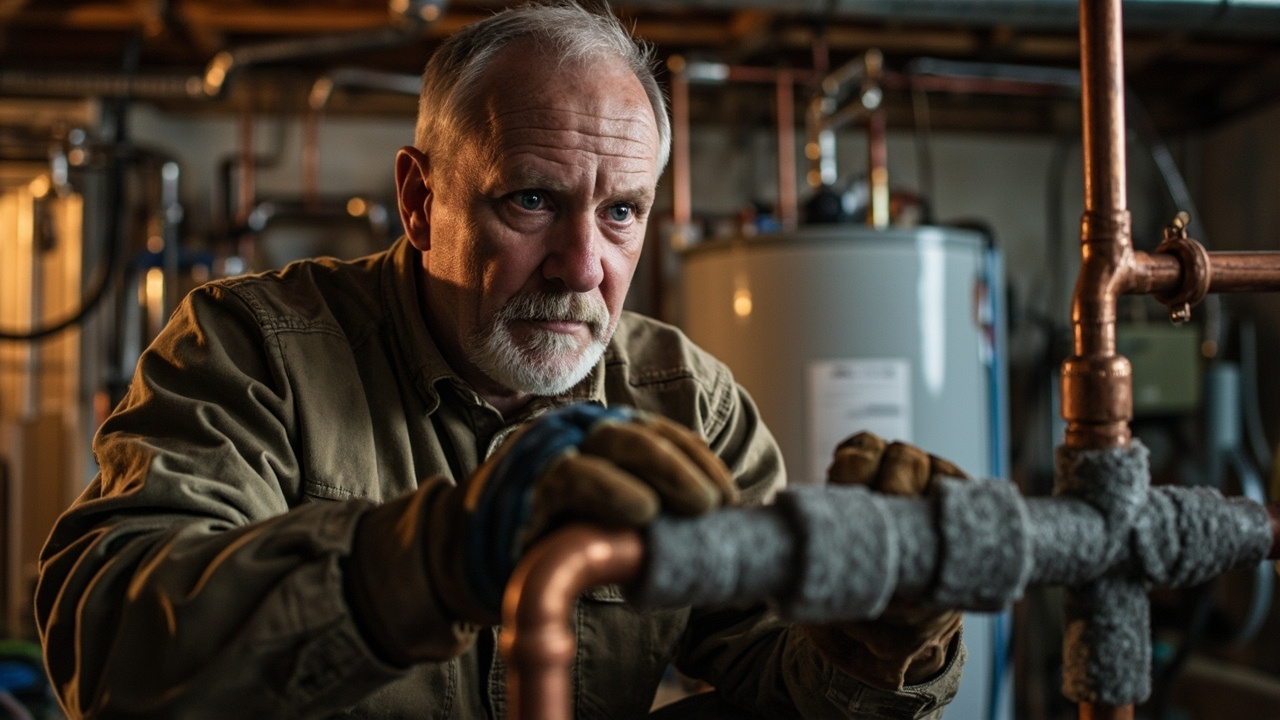
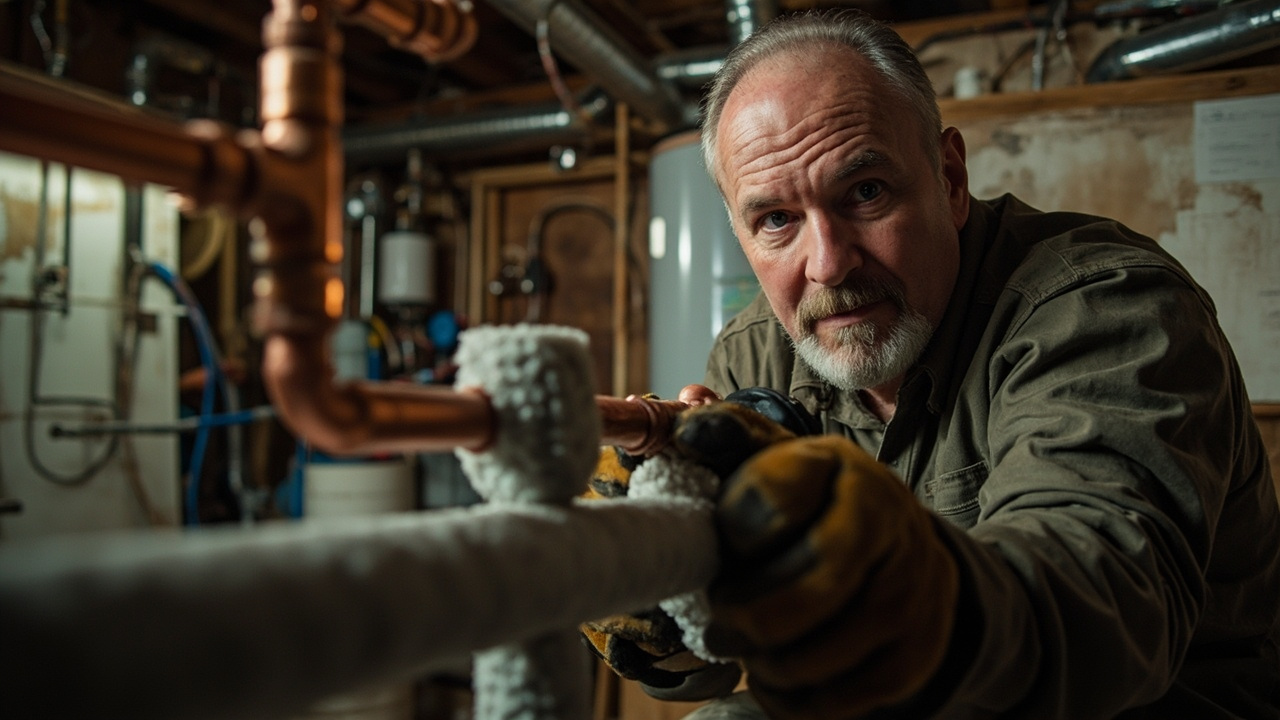
Protecting pipes from freezing requires layered defense. Start with insulation. Foam pipe sleeves provide an R-value barrier between cold air and your water lines. For Milwaukee conditions, use half-inch wall thickness minimum on all exposed pipes. Fiberglass insulation works for pipes in wall cavities, but you need continuous coverage with no gaps.

Heat tape is your second layer. Self-regulating heat cable wraps around supply lines and activates automatically when temperatures drop. Install it on pipes in crawl spaces, attics, and along exterior walls. The cable draws minimal power but maintains temperature above freezing even during extended cold snaps. Thermostat-controlled models give you precision, activating at 38 degrees and shutting off at 45 degrees.

Air sealing matters more than most homeowners realize. Cold air infiltration through rim joists, foundation vents, and wall penetrations defeats insulation. Spray foam those gaps. Seal around pipe penetrations where lines enter from outside. Close crawl space vents during winter months. Milwaukee's wind chill drops effective temperatures even lower, so stopping air movement around pipes is critical.

Cabinet doors under sinks need to stay open during extreme cold. This allows heated air from your home to circulate around pipes in exterior wall cavities. Set your thermostat no lower than 55 degrees if you leave town. A small heating bill beats a burst pipe claim.

Winterizing plumbing pipes in vacant properties requires draining the system. Shut off the main valve, open all faucets, and drain supply lines completely. Add antifreeze to drain traps. Pressure relief valves on water heaters need attention too. Standing water anywhere in the system creates a freeze risk.

Elite Plumbing Milwaukee approaches pipe protection systematically. We identify every vulnerable section, apply appropriate insulation and heat cable, and verify no gaps in coverage. Milwaukee winters don't forgive half measures.

Your Pipe Protection Plan from Start to Finish

How to Prevent Frozen Pipes in Milwaukee – Winter Protection Strategies That Stop Costly Burst Pipe Damage
01

Risk Assessment Survey

We walk your property and identify every pipe location exposed to freezing temperatures. This includes crawl spaces, attics, exterior walls, unheated garages, and outdoor hose bibs. We map supply line routes, note insulation gaps, and document air leaks around rim joists and foundation penetrations. You get a written vulnerability report showing exactly which pipes need protection and why.
02

Insulation and Heat Application

We install foam pipe insulation on all exposed supply lines, using adhesive-backed sleeves that seal completely. Heat tape gets wrapped on high-risk sections with proper spacing and electrical connections. We seal air infiltration points with spray foam, close foundation vent gaps, and verify no cold air pathways reach your pipes. All electrical work follows Milwaukee building code requirements for crawl space and attic installations.
03

Verification and Monitoring Setup

We test heat cable activation to confirm proper operation and thermostat calibration. You receive documentation showing which circuits control your heat tape and how to verify it's working. We explain cabinet door procedures, thermostat minimums, and what to do if you leave town during winter. Your pipes stay protected through Milwaukee's coldest stretches because we eliminate every weak point in your system.

Why Milwaukee Homeowners Choose Local Pipe Protection Experts

Milwaukee plumbers understand what national services don't: our freeze-thaw patterns differ from Chicago, Minneapolis, or Madison. Lake Michigan's influence creates unique weather patterns. We get rapid temperature swings that catch unprepared pipes. A plumber from another region might recommend solutions that fail here because they don't account for our specific conditions.

Building codes matter too. Milwaukee requires specific insulation R-values in crawl spaces and attics. Heat tape installations must follow electrical code for damp locations. Permits are required for certain winterization work on multi-family properties. Local plumbers know these requirements and build compliance into every installation. Out-of-area contractors often miss these details, creating liability issues.

Older Milwaukee homes present specific challenges. Many properties in Sherman Park, Wauwatosa, and Whitefish Bay have galvanized steel pipes that corrode from inside. These lines are more susceptible to freeze damage because reduced diameter creates higher pressure during ice expansion. We recognize these risk factors during assessment and adjust protection strategies accordingly.

Response time matters when prevention fails. If a pipe does freeze despite protection efforts, you need immediate help before it bursts. Elite Plumbing Milwaukee maintains trucks throughout the metro area. We arrive faster than regional services because we're already in your neighborhood. We know the street layouts, we understand property access issues in winter, and we carry Milwaukee-specific parts on our trucks.

Community reputation keeps us honest. We serve the same neighborhoods year after year. Our work has to hold up through multiple winters because we'll see you again for future service. National chains rotate technicians through markets and disappear when problems arise. Local accountability means better work quality and real commitment to stopping pipes from freezing.

Milwaukee winters demand Milwaukee expertise. We've protected thousands of homes through decades of service. We know which solutions work here because we've tested them through our harshest seasons.

What Happens During Your Pipe Protection Service

Same-Week Scheduling

We schedule winterization services within days of your call, not weeks. Fall is our busiest season for pipe protection work, but we maintain capacity to handle volume. Most residential pipe insulation projects take four to six hours depending on property size and access difficulty. We work around your schedule and complete the job in a single visit. If you need emergency freeze protection during an active cold snap, we prioritize those calls and arrive same-day when possible.

Detailed Property Inspection

Our technician walks every area where pipes run. We enter crawl spaces, check attic spaces, and inspect exterior wall cavities where feasible. We use thermal imaging to identify cold air infiltration points and temperature differentials around pipe runs. You get a verbal explanation of every vulnerability we find and why it matters. We don't upsell unnecessary work, but we do explain the consequences of leaving pipes unprotected. Most Milwaukee homeowners are surprised how many pipes they have in unheated spaces.

Professional-Grade Materials

We use commercial-grade foam insulation rated for below-zero temperatures. Heat tape is self-regulating with built-in thermostats, not the cheap hardware store cable that overheats and creates fire risks. Our spray foam is closed-cell formulation that stops air movement and provides structural rigidity. Pipe insulation gets secured with UV-resistant cable ties and adhesive that holds through temperature cycling. The materials we install last through multiple winters without degradation or separation. You get the protection level commercial properties require, applied to your home.

Winter Monitoring Guidance

We provide written instructions for monitoring your protected pipes through winter. You learn how to check heat cable operation, when to open cabinet doors, and what thermostat settings maintain safety. We explain warning signs that indicate a pipe is starting to freeze so you can call before it bursts. Our technicians answer questions throughout winter if you're uncertain about conditions. We also offer mid-winter check services for homeowners who travel or want professional verification their systems are holding up during extreme cold events.

Frequently Asked Questions

You Have Questions,
We Have Answers

Do all faucets need to drip to prevent freezing? +

No, you do not need to drip every faucet. Focus on faucets connected to pipes in vulnerable areas like exterior walls, unheated basements, crawl spaces, or attics. In Milwaukee homes, older properties often have exposed plumbing in rim joist areas or near original exterior walls. Start with these. If you have multiple fixtures on the same vulnerable pipe run, dripping just one can keep water moving through the entire line. Save water and effort by targeting your drip strategy to known cold spots in your home.

How do I stop my pipes from freezing? +

Keep indoor temperatures at 55 degrees or higher, even when you are away. Open cabinet doors under sinks on exterior walls to let warm air circulate around pipes. Seal gaps and cracks in foundation walls, rim joists, and around pipe penetrations. Insulate exposed pipes in basements, crawl spaces, and attics with foam pipe sleeves. Disconnect and drain outdoor hoses, and shut off interior valves to exterior faucets. Milwaukee winters hit hard, so these steps are critical before the first deep freeze arrives.

How often should I run water to keep pipes from freezing? +

Run water at a pencil-thin stream when temperatures drop below 20 degrees Fahrenheit. You do not need to run it constantly all winter. Check the forecast and start dripping faucets the night before a cold snap. In Milwaukee, polar vortex events can push temps well below zero for days. During these stretches, keep the drip going around the clock on vulnerable lines. Once temps rise above 20 degrees, you can stop. This approach balances freeze protection with water conservation.

At what temperature do pipes freeze? +

Pipes begin to freeze when temperatures drop to 20 degrees Fahrenheit or lower. Sustained cold below 20 degrees for several hours increases freeze risk dramatically. Pipes in unheated spaces or against exterior walls freeze faster. Wind chill does not affect pipes directly, but Milwaukee's harsh winter winds can cool exterior walls and crawl spaces faster, speeding up the freezing process inside. Pipes without insulation or heat exposure are most vulnerable. Do not wait until it hits zero to take action.

Should you drip faucets all day or just at night? +

Drip faucets overnight when temperatures are forecast to drop below 20 degrees. Night hours are coldest, and heating systems often cycle down while you sleep. If a severe cold snap keeps temps below 20 degrees all day, keep the drip going continuously. In Milwaukee, January and February often bring multi-day cold spells. Monitor forecasts and adjust. You do not need to drip all winter, just during high-risk periods. This saves water while protecting your pipes when it matters most.

What freezes first, hot or cold water pipes? +

Cold water pipes freeze first. Hot water pipes retain residual heat from recent use, and hot water heaters add warmth to the lines. Once hot water stops flowing and cools down, those pipes become just as vulnerable. In Milwaukee homes, cold water supply lines running through unheated basements or crawl spaces are the first to freeze. Do not assume hot water lines are safe during extreme cold. Insulate both. Focus freeze prevention efforts on cold supply lines in exposed areas first.

At what temperature should you let your faucets drip? +

Let faucets drip when outdoor temperatures fall to 20 degrees Fahrenheit or below. This threshold applies to Milwaukee winters, where cold snaps are common. Check the forecast and start dripping before temps drop overnight. A pencil-thin stream is enough to keep water moving and prevent freezing. If you have pipes in unheated areas or along exterior walls, start dripping earlier, around 25 degrees, as a precaution. Adjust based on your home's specific vulnerabilities and past freeze history.

Does adding rubbing alcohol to water keep it from freezing? +

Adding rubbing alcohol to water in a toilet tank or sink trap can lower the freezing point slightly, but it is not a reliable solution for protecting household plumbing. Alcohol does not circulate through your entire pipe system, and concentrations dilute quickly. Focus on proven methods like insulation, heat tape, and dripping faucets. Milwaukee winters require real freeze protection. Do not rely on home remedies. Insulate exposed pipes and maintain indoor heat. These methods work every time without guesswork or risk.

What pipes are most likely to freeze? +

Pipes in unheated spaces freeze most often. Look for pipes in crawl spaces, attics, unfinished basements, and garages. Pipes running along exterior walls or in rim joist cavities are vulnerable. In Milwaukee, older homes often have original plumbing routed through cold zones without insulation. Outdoor hose bibs and irrigation lines also freeze easily. Identify these areas before winter hits. Insulate pipes with foam sleeves, seal air leaks, and consider adding heat tape to high-risk sections. Prevention starts with knowing your weak points.

Is it better to drip outside faucets or cover them? +

Cover outside faucets with insulated faucet covers, but also shut off the interior valve and drain the line completely. Covers alone do not protect against Milwaukee's subzero temps. Turn off the shutoff valve inside your home, then open the outdoor faucet to let remaining water drain out. This empties the pipe and prevents freeze damage. Covers add an extra layer of protection after draining. Do not rely on covers alone. Draining the line is the critical step. Covers help, but proper shutoff prevents disasters.

How Milwaukee's Brick Construction and Uninsulated Rim Joists Create Freeze Zones

Milwaukee's housing stock includes thousands of brick homes built between 1920 and 1960. These properties have solid masonry exterior walls with plaster interior finishes. The problem is what's between them: often just an air gap with no insulation. When supply lines run through these exterior wall cavities, they're exposed to near-outdoor temperatures. Rim joists where floor systems meet foundation walls create another vulnerability. Many Milwaukee homes have uninsulated rim joists because they were built before energy codes required it. Cold air infiltrates through these gaps and surrounds pipes running along basement ceilings. These architectural features are why keeping water pipes from freezing requires Milwaukee-specific knowledge. You can't apply generic advice from warmer climates to our building types.

Milwaukee plumbing contractors understand local building patterns and municipal code requirements. We know which neighborhoods have pier and beam foundations versus slab construction. We recognize architectural styles that indicate likely pipe routing. When we arrive at your property, we already know the probable vulnerability points based on age and construction type. This local expertise speeds up assessment and improves protection quality. City of Milwaukee building permits may be required for certain electrical work associated with heat tape installation. We handle those requirements correctly because we work within this jurisdiction daily. Choosing a Milwaukee plumber for winterizing plumbing pipes means working with someone who understands your property's specific challenges.
Plumbing Services in The Milwaukee Area

View our service area on the map to see how we can serve you. We proudly provide top-tier plumbing services throughout the Milwaukee region and its surrounding communities. Our dedicated team is just a call or click away, ready to deliver the reliable solutions you need, right to your doorstep. We are committed to being your trusted local plumbing experts for any and all jobs.

Address:
Elite Plumbing Milwaukee, 2201 N Doctor M.L.K. Jr Dr, Milwaukee, WI, 53212

Additional Services We Offer

Our news updates

Latest Articles & News from The Blogs

Why your South Milwaukee basement drains smell like a swamp after a heavy storm The first heavy rain hits South…

Why your South Milwaukee basement drains smell like a swamp after a heavy storm

Why your South Milwaukee basement drains smell like a swamp after a heavy storm The first heavy rain hits South…

What to consider before installing a gas line for a professional range in New Berlin

What to consider before installing a gas line for a professional range in New Berlin Installing a gas line for…

Where you can legally drain your sump pump water in Greenfield

Where you can legally drain your sump pump water in Greenfield Your sump pump works hard to keep your Greenfield…

Contact Us

Don't wait until water stops flowing or you hear dripping behind walls. Call Elite Plumbing Milwaukee at (414) 375-7955 to schedule your pipe protection service. We'll assess your property, install professional insulation and heat cable, and give you confidence through winter.