




Menu

Water Stains on Ceiling or Walls in Milwaukee | Expert Leak Detection That Stops Hidden Damage Before It Spreads

We trace water stains back to the source using thermal imaging and pressure testing to find hidden leaks behind walls, above ceilings, and under floors before mold takes hold in your Milwaukee home.

Slider Image 1
Slider Image 2
Slider Image 3
Slider Image 4
Slider Image 5
Slider Image 7
Slider Image 8
Slider Image 9
Slider Image 10
Slider Image 11

Why Water Stains Spread Fast in Milwaukee Homes

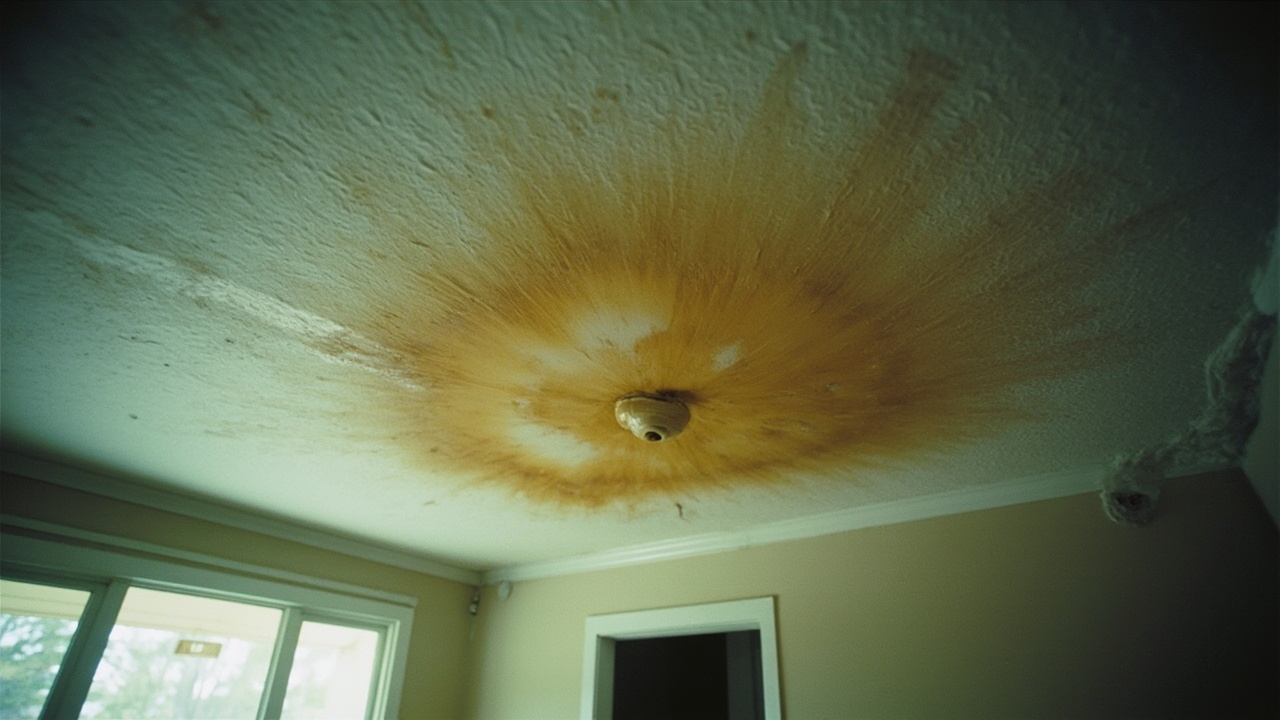
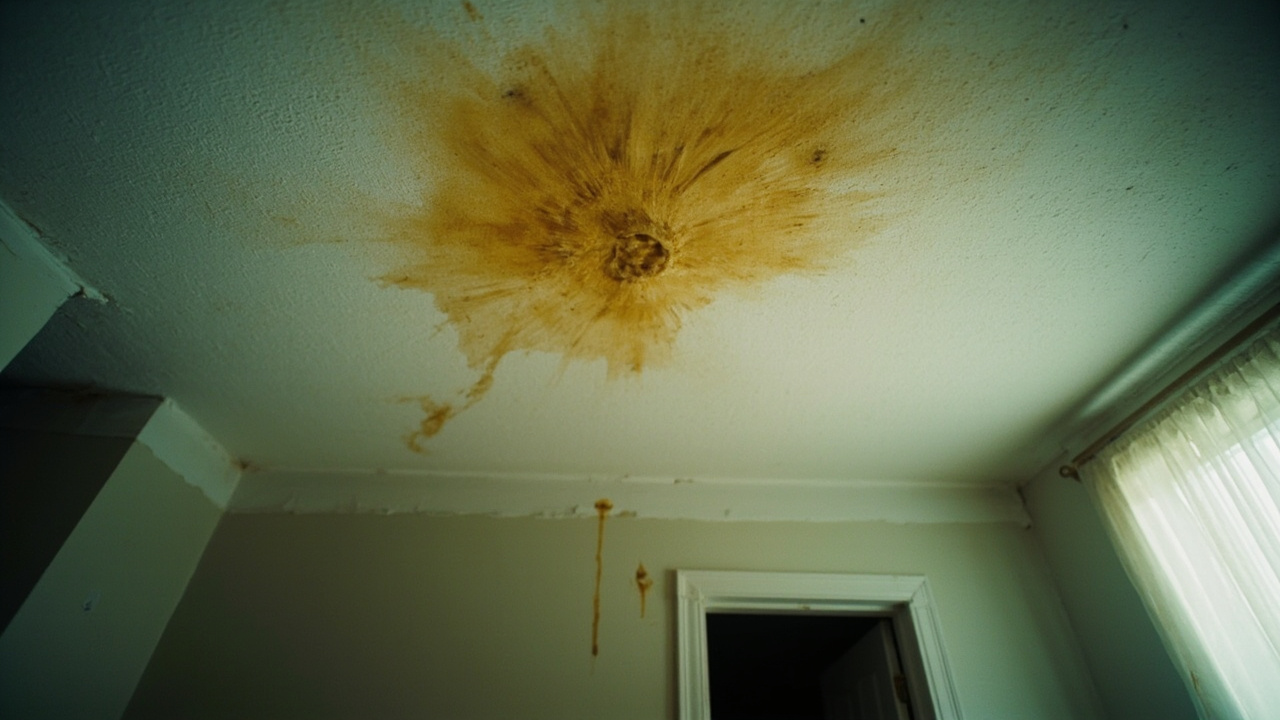
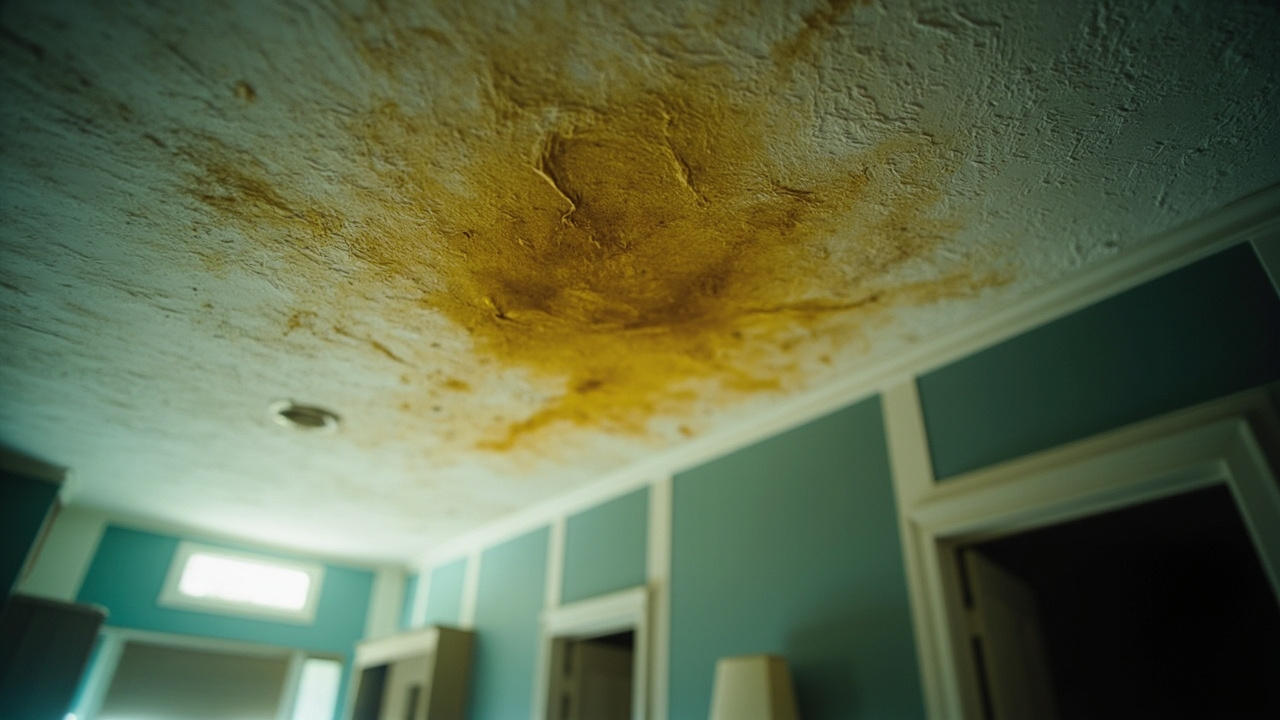
You walk into your living room and notice a brown spot on the ceiling. By next week, it has doubled in size. By the following month, you see yellow water marks creeping across the drywall. This is not just cosmetic damage. It is active water intrusion, and Milwaukee's climate makes it worse.

Milwaukee experiences freeze-thaw cycles that stress pipe joints and fixtures from November through March. When temperatures drop below freezing, water inside pipes expands. When it thaws, weakened connections start to seep. That slow drip behind your wall does not stay slow. Humid summers compound the issue. Moisture stains on drywall provide the perfect environment for mold growth, especially in older homes with limited vapor barriers.

Ceiling discoloration from a leak often appears weeks after the problem starts. By the time you see damp patches on walls, the framing, insulation, and subflooring may already be compromised. Water follows the path of least resistance. A roof leak above the second floor can travel down wall cavities and appear as brown spots on the ceiling of your first-floor kitchen. The visible stain is just the surface. The hidden damage is what costs you.

Milwaukee's housing stock includes many pre-1950 homes with galvanized steel pipes. These corrode from the inside out. You might not see rust on the outside, but pinhole leaks develop along horizontal runs. Water migrates along joists and beams before gravity pulls it through drywall. If you see water stains, you have a source leak that needs location and repair now, not later.

Why Water Stains Spread Fast in Milwaukee Homes
How We Find and Fix the Leak Behind Your Water Stains

How We Find and Fix the Leak Behind Your Water Stains

Water stains are symptoms. We treat the cause. Elite Plumbing Milwaukee uses a combination of thermal imaging, moisture meters, and pressure testing to pinpoint the exact location of the leak without tearing apart your walls unnecessarily.

Thermal imaging cameras detect temperature differentials. Active leaks show up as cool spots because evaporating water absorbs heat. We scan walls, ceilings, and floors to map the moisture intrusion pattern. This tells us whether the source is a supply line, drain line, or external water entry. Moisture meters measure water content in drywall and wood framing. Readings above 16 percent indicate active moisture problems. We document these readings to track the leak path.

Once we identify the affected area, we use pressure testing on supply lines. We isolate sections of your plumbing system and pressurize them with air or water. A pressure drop indicates a leak in that zone. For drain lines, we use dye testing or video inspection. A sewer camera threads through your drain system to visually inspect pipe interiors for cracks, corrosion, or joint separation.

After we locate the source, we expose the damaged section with minimal wall cutting. We replace the faulty pipe segment, valve, or fitting with updated materials. If you have old galvanized pipe, we recommend replacing the entire run to prevent future failures. We do not patch over problems. We fix them correctly. Once the plumbing repair is complete, we verify the fix with another pressure test. No leaks, no callbacks. You handle the drywall and paint, or we can coordinate with a restoration contractor if the damage is extensive.

Our Leak Tracing and Repair Method

Water Stains on Ceiling or Walls in Milwaukee | Expert Leak Detection That Stops Hidden Damage Before It Spreads
01

Visual Inspection and Documentation

We start by examining all visible water stains, noting size, color, and location. We check for soft spots in drywall, peeling paint, or sagging ceilings. We photograph everything and measure moisture levels at multiple points around the stain. This baseline data helps us understand how long the leak has been active and how far the water has spread through your framing.
02

Leak Detection and Source Identification

We deploy thermal imaging and moisture detection tools to trace the water back to its entry point. We inspect all plumbing fixtures, supply lines, drain connections, and roof penetrations in the affected area. We pressure test suspect lines and use video inspection when needed. This phase typically takes one to two hours depending on your home layout and the complexity of the leak path.
03

Repair and Verification

Once we locate the source, we make the necessary plumbing repair using code-compliant materials and methods. We re-test the system to confirm the leak is resolved. We provide you with a detailed report of what we found, what we fixed, and what follow-up is needed for drywall restoration. You get photos, moisture readings, and a clear explanation of the root cause so it does not happen again.

Why Milwaukee Homeowners Trust Us with Hidden Leaks

Water stains are stressful because you cannot see the full extent of the problem. You need a plumber who can find the source quickly, explain what is happening in plain language, and fix it right the first time. Elite Plumbing Milwaukee has been tracing leaks in Milwaukee homes for years. We know the common failure points in older homes. We know how water moves through balloon framing, knob-and-tube cavities, and uninsulated wall sections.

Milwaukee's housing stock presents unique challenges. Many homes have cast iron drain stacks, galvanized supply lines, and outdated venting systems. We are familiar with the plumbing layouts in Cream City brick homes, bungalows, and post-war Cape Cods. We know where builders cut corners in the 1920s and where renovations in the 1980s created new problems. This local knowledge saves you time and money. We do not waste hours chasing symptoms. We go straight to the likely sources based on your home's age, construction style, and plumbing history.

We also understand Milwaukee's building codes and inspection requirements. If your leak repair requires a permit, we pull it and schedule the inspection. If your water damage is extensive enough to involve insurance, we document everything with photos, moisture readings, and detailed repair notes. Insurance adjusters trust our assessments because we provide verifiable data, not guesswork.

You will not get an upsell pitch from us. If you only need a single pipe replacement, that is what we do. If the problem is bigger and requires re-piping a section of your home, we explain why and show you the evidence. Transparency builds trust. We walk you through every step so you understand what you are paying for and why it matters.

What Happens When You Call Us About Water Stains

Response Time and Scheduling

We treat water stains as urgent because they indicate active leaks. We offer same-day or next-day appointments for leak detection. If you call in the morning, we can often get a technician to your home by afternoon. If the stain is growing rapidly or you see active dripping, we prioritize your call. Our goal is to stop the water intrusion before it causes structural damage or mold growth. We respect your schedule and arrive within the agreed time window. No all-day wait times.

The Leak Detection Process

Our technician will spend 60 to 90 minutes on the initial inspection and diagnostic phase. This includes visual assessment, moisture mapping, thermal scanning, and testing your plumbing system. We explain what we find as we go. You will see the thermal images and moisture meter readings. If we need to access a wall cavity or ceiling, we explain why and get your approval first. Once we pinpoint the source, we give you a fixed-price repair quote before we start any work. No surprises.

The Repair and Final Testing

After you approve the repair, we complete the plumbing work using durable, code-compliant materials. We pressure test the repaired section to confirm it holds. We re-scan with thermal imaging to verify no residual moisture is coming through. Most leak repairs take two to four hours once we start. You get a completed system that is dry, tested, and ready for drywall restoration. We clean up all plumbing debris and leave your workspace as clean as we found it. The stain may still be visible, but the water source is eliminated.

Post-Repair Support and Monitoring

We recommend monitoring the affected area for 48 to 72 hours after the repair. We provide you with guidance on what to watch for and when to call us back if you see any changes. If the stain reappears or grows, we return at no additional diagnostic charge. Our repairs are backed by a workmanship guarantee. If the same joint fails within the warranty period, we fix it. We also offer whole-home plumbing inspections if you want to identify other potential leak points before they become stains. Prevention is always cheaper than emergency repairs.

Frequently Asked Questions

You Have Questions,
We Have Answers

Is a water stain on a ceiling serious? +

Yes. A water stain signals active or past moisture intrusion. Even if the leak stopped, the damage remains. Milwaukee homes face freeze-thaw cycles that worsen hidden cracks in roofing or plumbing. Drywall and insulation lose structural integrity when wet. Mold grows within 24 to 48 hours in damp conditions. You risk ceiling collapse, electrical hazards, and health problems if ignored. The stain is a symptom, not the problem. Find the source immediately. A plumber can trace the leak, assess damage, and prevent costly repairs down the line.

How to tell if water is leaking behind a wall? +

Look for bulging or bubbling paint, discoloration, or soft drywall. You might notice peeling wallpaper or a musty odor. Milwaukee's hard water can leave mineral stains near leak points. Listen for dripping sounds behind walls, especially after running water. Check for unexplained spikes in your water bill. Warped baseboards or wet carpet near walls are red flags. Use a moisture meter to confirm. If you suspect a hidden leak, call a plumber. Thermal imaging cameras and acoustic leak detectors pinpoint exact locations without demolition.

Why do I have water spots on my ceiling but no leak? +

You might have condensation, not a leak. Milwaukee winters create warm indoor air meeting cold attic spaces, forming moisture on ceilings. Poor ventilation in bathrooms or kitchens adds to the problem. Old roof shingles can allow humidity penetration without active leaking. Check attic insulation and ventilation first. Another cause is past leaks that stained drywall but have since stopped. The mark remains even after drying. Plumbers use moisture meters to test if the area is actively wet. If dry, you may only need stain-blocking primer before repainting.

Can I just paint over a water stained ceiling? +

No. Paint traps moisture and causes peeling, bubbling, or mold growth beneath the surface. You must fix the source leak first, then dry the area completely. Milwaukee humidity slows drying, so use fans or dehumidifiers. Replace damaged drywall if it crumbles or sags. Apply stain-blocking primer like Kilz or BIN to prevent bleed-through. Only then can you paint. Skipping these steps wastes money and worsens damage. A plumber identifies the leak. A contractor handles drywall repair. Do not cover the problem. Address it correctly.

How to know if a water stain on the ceiling is new or old? +

A new stain is darker, wet to touch, and may drip. The drywall feels soft or spongy. Old stains are light yellow or brown, dry, and hard. Milwaukee homes with older plumbing or roofs often show old stains from resolved issues. Use a moisture meter to confirm if water is present. New stains expand over time. Old stains stay the same size. If uncertain, monitor the stain for a week. Growth means an active leak. Plumbers use thermal imaging to detect moisture behind surfaces without guessing.

How much does it cost to fix a wet spot in a ceiling? +

Repair costs vary based on leak source, damage extent, and access difficulty. Simple fixes like tightening a supply line cost less than rerouting corroded pipes behind walls. Milwaukee homes with plaster ceilings or Historic District properties require specialized repair, increasing costs. Drywall replacement, mold remediation, and repainting add expenses. Expect plumbers to charge for leak detection, repair, and testing. Contractors handle structural work separately. Insurance may cover sudden pipe bursts but not gradual leaks from neglect. Get multiple quotes. Address leaks immediately to avoid escalating damage and higher bills.

Can plumbers detect leaks behind walls? +

Yes. Plumbers use specialized tools to locate hidden leaks without tearing into walls. Thermal imaging cameras detect temperature changes where water travels. Acoustic leak detectors amplify the sound of water escaping pipes. Moisture meters measure drywall wetness. In Milwaukee homes with older cast iron or galvanized steel pipes, corrosion often hides behind finished walls. Plumbers pressure-test lines to isolate problem sections. Video camera inspections work for drain leaks. These methods save time, money, and demolition. If you hear running water or see unexplained stains, call a plumber immediately.

Does home insurance cover leak detection? +

Most homeowner policies cover sudden, accidental leaks like burst pipes but exclude gradual damage from neglect. Leak detection itself is rarely covered unless part of a covered claim. Milwaukee insurers may require proof of regular maintenance. If a frozen pipe bursts and a plumber uses thermal imaging to find it, that cost might be included in the claim. Read your policy carefully. Some companies offer optional endorsements for leak detection technology or water damage coverage. Always document damage with photos and get a plumber's report to support your claim.

How long does it take for a water leak to cause mold? +

Mold begins growing within 24 to 48 hours in wet conditions. Milwaukee's humidity accelerates growth, especially in basements and poorly ventilated bathrooms. Drywall, insulation, and wood provide food for mold spores. You might smell mustiness before seeing visible growth. Black, green, or white patches indicate active colonies. Health risks include respiratory issues and allergic reactions. Stop the leak immediately. Dry affected areas with fans and dehumidifiers. Remove porous materials like drywall if soaked longer than 48 hours. Plumbers fix leaks. Mold remediation specialists handle cleanup if growth spreads.

What are signs of a serious ceiling issue? +

Watch for sagging, cracks, or bulging drywall. Peeling paint, discoloration, or visible mold are warnings. You might hear creaking or notice loose ceiling fixtures. Milwaukee homes with flat roofs or ice dams face higher collapse risk during winter. Water pooling in light fixtures creates electrical hazards. A musty smell signals hidden moisture. If the ceiling feels soft or wet, evacuate the area and call a plumber immediately. Structural damage from prolonged leaks compromises joists and framing. Do not ignore these signs. Fast action prevents injury, mold, and expensive repairs.

How Milwaukee's Freeze-Thaw Cycles Cause Ceiling and Wall Stains

Milwaukee's winter temperatures regularly swing from below freezing to above freezing, sometimes within the same day. This cycle puts constant stress on pipe joints, solder connections, and fixture supply lines. When water freezes, it expands by roughly nine percent. This expansion pushes against pipe walls and fittings. When it thaws, the metal contracts. After dozens or hundreds of freeze-thaw cycles, even properly soldered joints can develop micro-cracks. These small failures start as slow seeps. You will not see a puddle. You will see a brown spot on the ceiling below the bathroom or a damp patch on the wall behind the washing machine. Milwaukee homes built before 1960 are especially vulnerable because many still have original galvanized steel or copper supply lines with aging solder joints. If you see water stains during or after winter, freeze-thaw stress is the likely culprit.

Milwaukee plumbers who understand local construction methods can diagnose leaks faster. We know that many older homes have plumbing routed through exterior walls or uninsulated chases. We know that ice dams on Milwaukee roofs can force water under shingles and down through ceiling cavities. We know that sump pump failures during spring thaws can cause basement wall stains that homeowners mistake for foundation leaks. This local knowledge matters. A plumber from out of town might miss these region-specific issues. We do not. When you call Elite Plumbing Milwaukee, you get a technician who has seen these exact problems in hundreds of Milwaukee homes. We know what to look for, where to look, and how to fix it properly the first time. Local expertise is not just a marketing claim. It is a real advantage when you are dealing with hidden leaks and water damage.
Plumbing Services in The Milwaukee Area

View our service area on the map to see how we can serve you. We proudly provide top-tier plumbing services throughout the Milwaukee region and its surrounding communities. Our dedicated team is just a call or click away, ready to deliver the reliable solutions you need, right to your doorstep. We are committed to being your trusted local plumbing experts for any and all jobs.

Address:
Elite Plumbing Milwaukee, 2201 N Doctor M.L.K. Jr Dr, Milwaukee, WI, 53212

Additional Services We Offer

Our news updates

Latest Articles & News from The Blogs

Why your South Milwaukee basement drains smell like a swamp after a heavy storm The first heavy rain hits South…

Why your South Milwaukee basement drains smell like a swamp after a heavy storm

Why your South Milwaukee basement drains smell like a swamp after a heavy storm The first heavy rain hits South…

What to consider before installing a gas line for a professional range in New Berlin

What to consider before installing a gas line for a professional range in New Berlin Installing a gas line for…

Where you can legally drain your sump pump water in Greenfield

Where you can legally drain your sump pump water in Greenfield Your sump pump works hard to keep your Greenfield…

Contact Us

Water stains grow every day you wait. Call Elite Plumbing Milwaukee at (414) 375-7955 to schedule a leak detection appointment. We will find the source, explain the fix, and stop the water intrusion before it costs you more in repairs.