




Menu

Dripping Faucets & Leaks in Milwaukee | Expert Diagnosis and Permanent Repair

Elite Plumbing Milwaukee stops constant dripping, identifies hidden valve damage, and delivers permanent faucet leak repairs that eliminate water waste and prevent fixture deterioration.

Slider Image 1
Slider Image 2
Slider Image 3
Slider Image 4
Slider Image 5
Slider Image 7
Slider Image 8
Slider Image 9
Slider Image 10
Slider Image 11

Why Milwaukee Faucets Leak More Than You Think

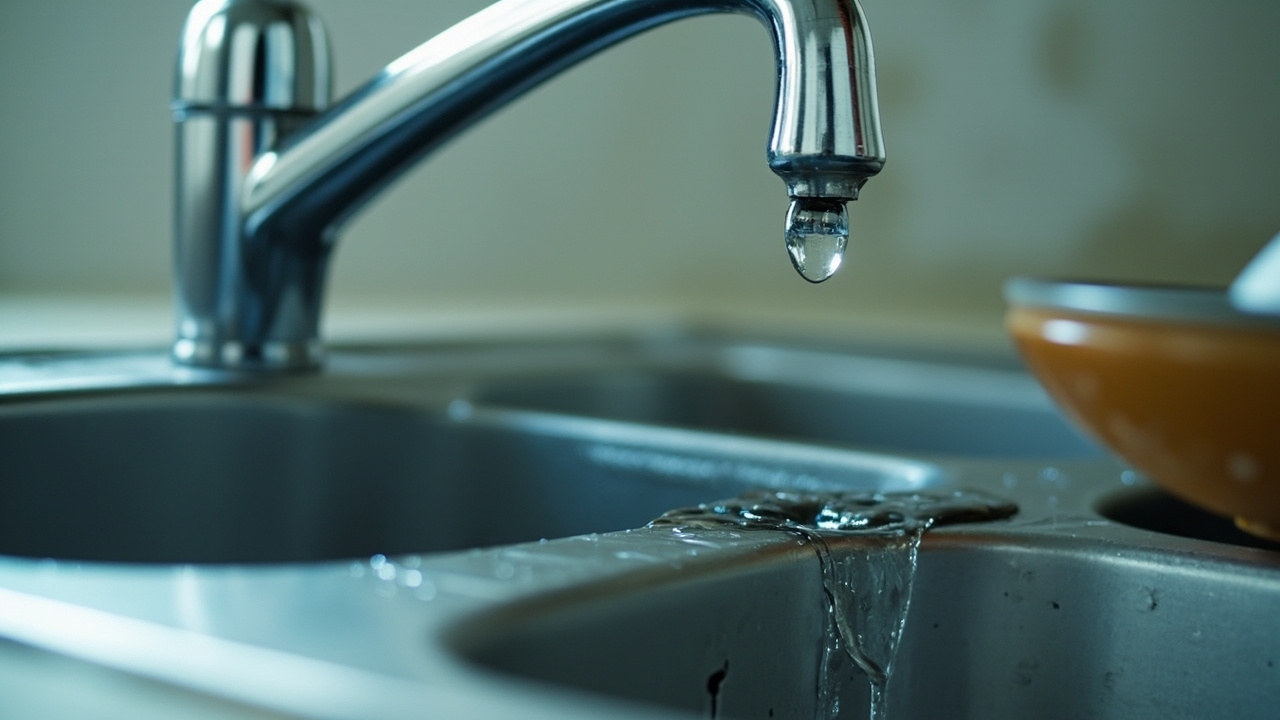
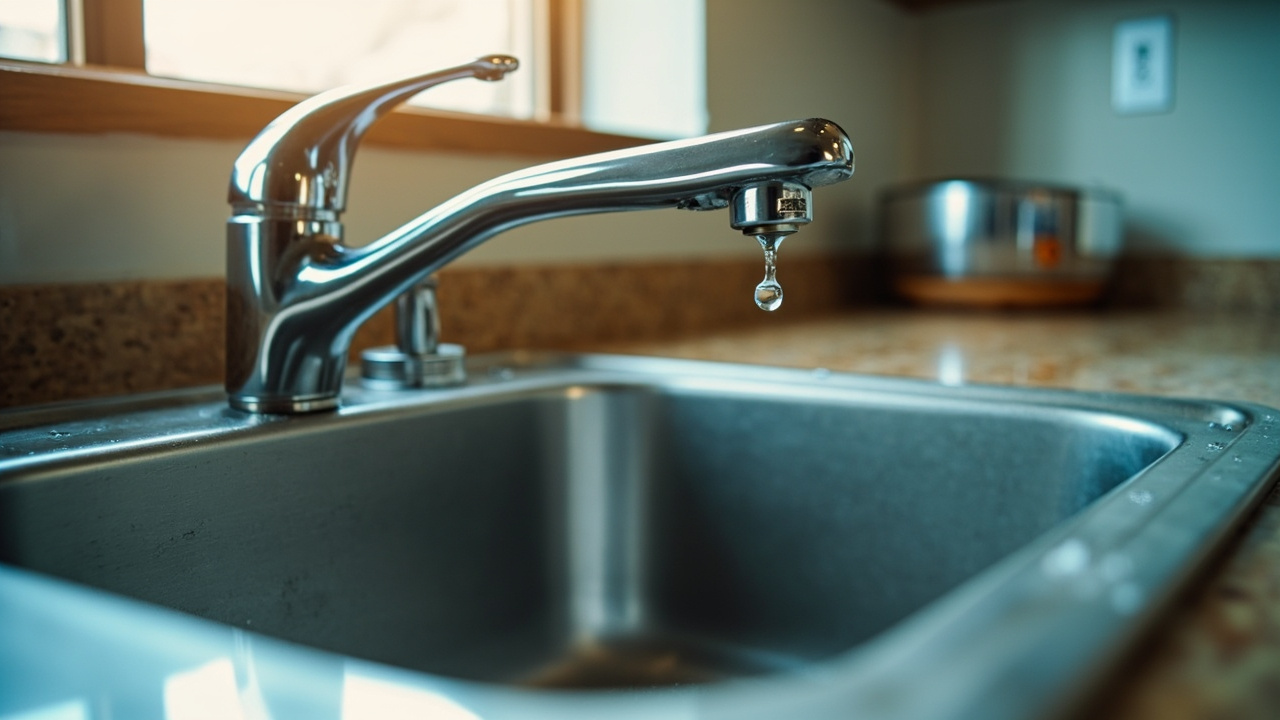
That dripping tap in your bathroom is not just annoying. It signals real damage happening inside the fixture. Milwaukee's hard water accelerates mineral buildup on valve seats and cartridges faster than in softer water regions. Calcium deposits force the valve to stay partially open, creating that constant dripping sound you hear at night.

The freeze-thaw cycles we experience from November through March add another layer of stress. Water trapped in faucet bodies expands when temperatures drop, cracking internal seals and creating leaks that appear suddenly. You might notice a leaking spigot in the spring that worked fine in October. That is freeze damage.

Older homes in neighborhoods like Bay View and Riverwest often have original fixtures from the 1940s and 1950s. These compression faucets use rubber washers that harden and crack over time. When you see water pooling under the sink cabinet or notice a faucet water leak at the base, the O-rings have failed. The metal corrosion common in Milwaukee's humid summers speeds up this deterioration.

A leaky faucet wastes seven gallons per day on average. That is 2,555 gallons per year from one dripping fixture. The wasted water is measurable on your Milwaukee Water Works bill. The hidden cost is fixture damage. Constant moisture erodes chrome finishes, stains porcelain, and promotes mold growth in cabinets. What starts as a minor drip becomes a full replacement job if ignored for months.

Why Milwaukee Faucets Leak More Than You Think
How Elite Plumbing Milwaukee Fixes Leaking Faucets the Right Way

How Elite Plumbing Milwaukee Fixes Leaking Faucets the Right Way

We do not guess. We disassemble the faucet body and inspect every component under task lighting. Most leaky faucets have multiple failure points, not just one worn washer. We check valve seats for pitting, examine cartridges for mineral scoring, and test compression threads for cross-threading damage. This diagnostic approach prevents repeat callbacks.

For compression faucets common in Milwaukee's older housing stock, we resurface valve seats with a seat dressing tool when pitting is shallow. Deep corrosion requires seat replacement. We match the exact thread pitch and diameter because generic seats create new leaks. Cartridge faucets require brand-specific replacements. A Delta cartridge will not fit a Moen body. We stock OEM parts for the six major manufacturers found in Milwaukee homes.

Hard water treatment happens during repair, not after. We clear mineral deposits from aerator screens and supply lines using descaling solutions. This prevents immediate re-clogging. For homes with severe scaling, we recommend inline filters at the angle stops. This protects the new components from premature failure.

Base leaks require different treatment than spout drips. We remove the entire faucet assembly, clean the mounting surface, and install new gaskets with plumber's grease. Overtightening causes cracked baseplates, so we torque mounting nuts to manufacturer specifications. For leaking spigots on exterior hose bibs, we replace the vacuum breaker and packing nut. These components fail first in freeze-thaw conditions.

The repair includes testing under full pressure for three minutes. We cycle the handle through 20 open-close repetitions to verify the cartridge seats properly. You get documentation of what failed and what we replaced.

What Happens During Your Faucet Leak Repair

Dripping Faucets & Leaks in Milwaukee | Expert Diagnosis and Permanent Repair
01

Initial Leak Assessment

We arrive in fully stocked trucks and test water flow at the affected fixture. Our plumber identifies the faucet type, checks shut-off valve function, and isolates the leak source. You get a verbal explanation of what component failed and why. We confirm parts availability before disassembly. Most Milwaukee faucet repairs take 45 to 90 minutes once we start work.
02

Component Replacement

We shut off water at the angle stops, not the main line. This keeps service flowing to other fixtures. The faucet comes apart in stages. We document the assembly order with photos for complex multi-handle setups. Failed parts go into a labeled bag so you see exactly what wore out. New components get lubricated with silicone grease before installation. Threads receive Teflon tape applied in the correct direction.
03

Pressure Testing and Cleanup

Water comes back on slowly to prevent hydraulic shock. We check for leaks at every connection point while the system is under pressure. The faucet cycles through hot and cold multiple times. You test the handle feel and water temperature before we leave. We clean the work area and dispose of old parts. You receive a repair summary with the part numbers used.

Why Milwaukee Homeowners Choose Elite Plumbing Milwaukee for Faucet Repairs

We have repaired faucets in every Milwaukee neighborhood from Shorewood to Greenfield. Our plumbers recognize the fixture brands common in different housing eras. A 1920s bungalow in Washington Heights has different faucet hardware than a 1980s ranch in Oak Creek. This experience prevents mismatched parts and failed repairs.

Milwaukee's plumbing code requires backflow prevention on all threaded faucet connections. We install compliant vacuum breakers on hose bibs and laundry faucets during leak repairs. This protects your water supply from contamination. Many handyman repairs miss this requirement.

Our trucks stock parts for immediate repair in 80 percent of cases. We carry cartridges, washers, O-rings, and valve seats for the fixtures installed in Milwaukee homes over the past 40 years. You do not wait three days for parts delivery. Same-day completion is standard for single-fixture repairs.

Hard water is a Milwaukee fact. We account for mineral scaling in every repair. Our plumbers clean supply lines and aerators as part of the service. This extends the life of new components. We also identify fixtures that are beyond economical repair. A $200 repair on a $90 faucet makes no sense. You get honest recommendations about replacement versus repair.

We know Milwaukee Water Works billing cycles and can calculate your actual waste from dripping faucets. This helps you understand the urgency. A faucet water leak that drips once per second wastes five gallons daily. That visibility drives better decisions about repair timing.

What to Expect from Your Faucet Leak Repair Service

Same-Day Service Availability

We dispatch to Milwaukee locations within two hours for urgent leaks. Non-emergency repairs schedule within 24 to 48 hours. Our plumbers arrive in two-hour windows, not four-hour ranges. You receive a text when we are 15 minutes out. Most single-faucet repairs complete in one visit. Complex multi-fixture jobs may require a second trip for specialty parts. We communicate timelines before starting work so you can plan your day.

Thorough Leak Diagnosis

Your plumber inspects the entire fixture assembly, not just the visible drip. We check supply lines for corrosion, test shut-off valves for proper closure, and examine drain connections for secondary leaks. You get a written assessment of what failed and what components need replacement. We explain repair options in plain language. If hard water scaling is severe, we discuss filtration solutions. The diagnostic process takes 10 to 15 minutes before we quote the repair.

Permanent Leak Elimination

Our repairs stop dripping completely. You should hear zero water sounds after we finish. We use manufacturer-specified parts, not generic hardware store components. Each connection gets tested under full municipal pressure. The faucet handle should move smoothly without binding or squeaking. Water flow should be strong and consistent. If you notice any dripping within the first 30 days, we return to correct it. The repair should last three to seven years depending on water hardness and usage frequency.

Ongoing Maintenance Guidance

You receive care instructions specific to your faucet type. Cartridge faucets need different maintenance than compression models. We show you how to clean aerators monthly to prevent mineral buildup. For homes with hard water, we explain when to replace inline filters. Our plumbers identify other fixtures showing early wear signs. This prevents future emergency repairs. We keep service records in our system, so repeat calls get faster diagnosis. You can schedule annual plumbing inspections to catch leaks before they waste water.

Frequently Asked Questions

You Have Questions,
We Have Answers

How do I get my faucet to stop dripping? +

Turn off the water supply under the sink. Remove the faucet handle by unscrewing the cap and exposing the screw underneath. Lift off the handle to access the cartridge or valve assembly. Inspect the O-rings and washers for wear or damage. Replace worn parts with exact matches from a hardware store. Reassemble the faucet in reverse order and turn the water back on. If the drip continues, the valve seat may be corroded and require professional resurfacing or cartridge replacement.

What is the most common cause of a dripping faucet? +

Worn washers cause most dripping faucets. Every time you turn the handle, the washer presses against the valve seat to stop water flow. Over time, friction wears down the rubber washer, creating gaps that allow water to seep through. Milwaukee's hard water accelerates this wear by depositing mineral buildup on valve seats and washers. Compression faucets with traditional washers fail more often than ceramic disc or cartridge models. Replacing the washer typically stops the drip immediately.

Should you let all faucets drip? +

Only let faucets drip during extreme cold snaps when temperatures drop below 20 degrees. Milwaukee's harsh winter freeze-thaw cycles put pipes at risk, especially in unheated crawl spaces or exterior walls. A slow drip keeps water moving and reduces pressure buildup that causes pipe bursts. Focus on faucets connected to vulnerable pipes. Open cabinet doors under sinks to let warm air circulate. Once temperatures rise above freezing, turn off the drip to avoid wasting hundreds of gallons monthly.

Is a dripping faucet considered a leak? +

Yes. A dripping faucet is a leak. The distinction matters for water bills and insurance claims. Even a slow drip wastes 3,000 gallons yearly, raising your Milwaukee water bill. Insurance companies may deny water damage claims if you neglect known leaks. Document the drip with photos and repair it quickly. Persistent leaks indicate failing internal components that worsen over time. What starts as an annoying drip can escalate to a constant stream, flooding cabinets or damaging subflooring underneath.

Why does a faucet still drip when the water is turned off? +

A faucet drips after shutoff when internal seals fail. The valve seat, O-rings, or cartridge no longer creates a watertight barrier. Water trapped in the spout or supply lines drains out slowly, causing residual dripping for a few seconds. If dripping continues beyond 30 seconds, the valve assembly is compromised. Mineral deposits from Milwaukee's hard water etch valve seats, preventing complete closure. Replacing worn washers or cartridges usually solves the problem. Corroded valve seats require grinding smooth or full faucet replacement.

What does spraying WD-40 in a faucet do? +

Do not spray WD-40 in your faucet. WD-40 is a solvent, not a lubricant, and damages rubber seals and O-rings inside the valve assembly. It may temporarily loosen mineral buildup or sticky cartridges, but it degrades components and causes bigger leaks later. Use plumber's grease or silicone-based lubricant specifically designed for faucet parts. Milwaukee's hard water creates stubborn lime deposits that require proper descaling with vinegar or commercial lime removers. WD-40 creates a messy cleanup and contaminates your water supply.

Should I call a plumber for a dripping faucet? +

Call a plumber if you lack tools, time, or confidence to fix the drip yourself. A licensed plumber diagnoses the root cause quickly and prevents costly mistakes. If the faucet is old or corroded, replacement may be more cost-effective than repairs. Milwaukee homes built before 1990 often have outdated fixtures with hard-to-find parts. Plumbers also spot hidden issues like corroded supply lines or valve damage that DIY fixes miss. Professional repair stops water waste immediately and protects your home from leak-related damage.

What is the dripping faucet theory? +

The dripping faucet theory describes how small, persistent actions create significant long-term effects. In psychology, it refers to gradual influence or erosion of willpower. In plumbing, the metaphor is literal. A single drip per second wastes over 3,000 gallons yearly. Milwaukee homeowners often ignore minor drips, assuming they are harmless. That neglect compounds into inflated water bills, valve damage, and potential mold growth under sinks. The theory reminds you that small problems demand immediate attention before they escalate into expensive repairs.

Can I fix a dripping tap myself? +

You can fix simple compression faucet drips yourself if you have basic tools and patience. Shut off water, disassemble the handle, replace worn washers or O-rings, and reassemble. Compression faucets are straightforward. Cartridge, ceramic disc, or ball-type faucets require more skill and specific parts. Milwaukee's hard water complicates repairs by cementing mineral deposits onto threads and valve seats. If you strip screws, crack the cartridge, or cross-thread components, you create bigger problems. When in doubt, hire a licensed plumber to avoid turning a drip into a flood.

Can pipes still freeze with water dripping? +

Yes, pipes can still freeze even with dripping water. A drip reduces freeze risk but does not eliminate it. Milwaukee's subzero January temperatures can freeze exposed pipes faster than a slow drip can move water through them. Pipes in uninsulated crawl spaces, attics, or exterior walls remain vulnerable. A drip works best for pipes near heated spaces where temperatures hover near freezing. Add pipe insulation, heat tape, or open cabinet doors for better protection. Relying only on dripping wastes water and offers false security during extreme cold snaps.

How Milwaukee's Hard Water Accelerates Faucet Wear and Leak Formation

Milwaukee Water Works delivers water with 125 to 180 milligrams per liter of calcium carbonate. This hardness level ranks in the upper range for municipal supplies. Mineral deposits accumulate on valve seats and cartridge surfaces within 18 months of installation. The rough texture prevents proper sealing, creating the constant dripping you hear. Compression faucets suffer worse than cartridge models because rubber washers absorb minerals and harden prematurely. Homes near the lakefront sometimes see slightly softer water, but the difference is minimal. Every faucet in Milwaukee battles scaling that shortens component life by 30 percent compared to soft water regions.

Elite Plumbing Milwaukee has repaired leaking faucets in Milwaukee homes since our founding. We understand how local water chemistry interacts with different fixture materials. Our plumbers stock parts sized for the water pressure ranges delivered by Milwaukee Water Works, which runs higher than surrounding suburbs. We know which faucet brands hold up better in hard water conditions. This local knowledge prevents repeat repairs and mismatched components. When you call a Milwaukee-based plumber who works in these conditions daily, you get solutions tailored to what actually causes leaks in this city.
Plumbing Services in The Milwaukee Area

View our service area on the map to see how we can serve you. We proudly provide top-tier plumbing services throughout the Milwaukee region and its surrounding communities. Our dedicated team is just a call or click away, ready to deliver the reliable solutions you need, right to your doorstep. We are committed to being your trusted local plumbing experts for any and all jobs.

Address:
Elite Plumbing Milwaukee, 2201 N Doctor M.L.K. Jr Dr, Milwaukee, WI, 53212

Additional Services We Offer

Our news updates

Latest Articles & News from The Blogs

Why your South Milwaukee basement drains smell like a swamp after a heavy storm The first heavy rain hits South…

Why your South Milwaukee basement drains smell like a swamp after a heavy storm

Why your South Milwaukee basement drains smell like a swamp after a heavy storm The first heavy rain hits South…

What to consider before installing a gas line for a professional range in New Berlin

What to consider before installing a gas line for a professional range in New Berlin Installing a gas line for…

Where you can legally drain your sump pump water in Greenfield

Where you can legally drain your sump pump water in Greenfield Your sump pump works hard to keep your Greenfield…

Contact Us

Call Elite Plumbing Milwaukee at (414) 375-7955 right now for same-day faucet leak repair. Our trucks are stocked and ready to stop that constant dripping today. You get permanent fixes, not temporary patches.