
French drains or sump pumps — Which one actually stops backyard flooding in Waukesha?
If your Waukesha yard turns into a swamp after every heavy rain, you’re not alone. The region’s dense clay soil and spring thaws create perfect conditions for standing water. But which solution actually works—a French drain or a sump pump? The answer depends on where the water is coming from and how it moves through your property. Waukesha County Engineering Division.
A French drain handles surface and perimeter water by gravity, while a sump pump removes rising groundwater from beneath your foundation. Both can protect your home, but choosing the wrong one can waste thousands of dollars. Let’s break down how each system works, what Waukesha’s unique soil means for your choice, and when you might need both. Professional drain cleaning in Shorewood for stubborn kitchen clogs.
How French drains work in Waukesha’s clay-heavy soil
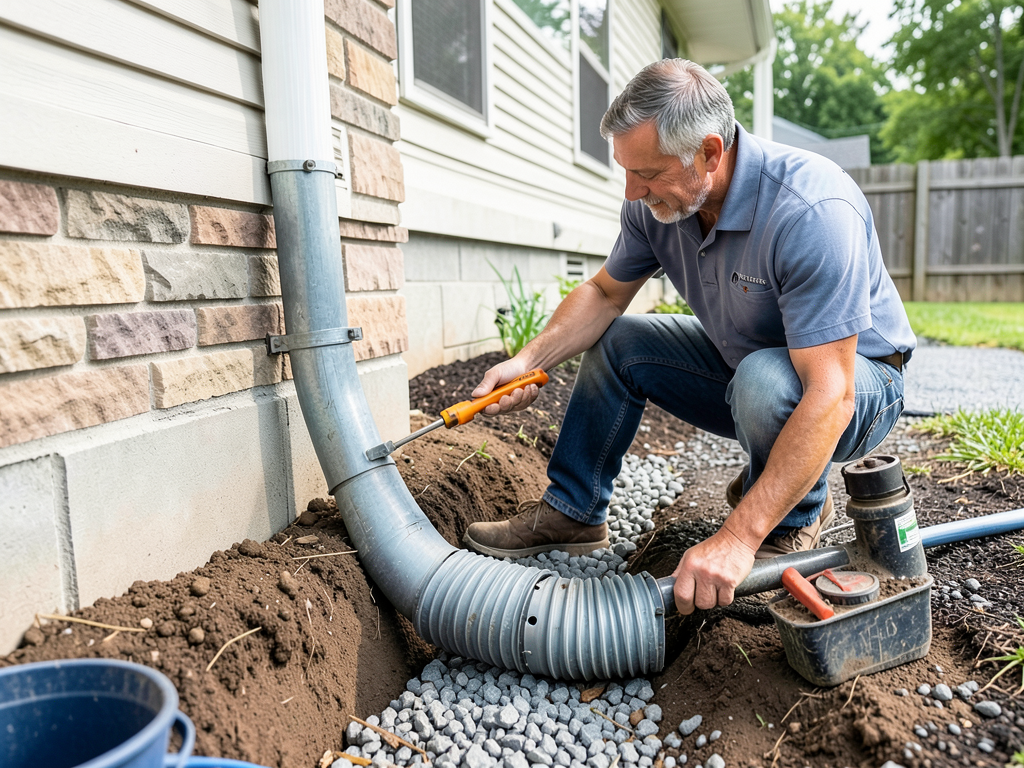
French drains are essentially gravel-filled trenches with perforated pipe that redirect water away from your home. In Waukesha, where the soil contains up to 40% clay content, water moves slowly through the ground. That means surface water from your roof, driveway, or yard can pool against your foundation before it ever seeps down to a sump pit. The best options for water heater replacement in Wauwatosa.
Exterior French drains installed along foundation footings catch this water before it reaches your basement walls. The perforated pipe collects the water and channels it downhill to a storm drain or dry well. Interior French drains, installed beneath your basement floor, work differently—they intercept water that’s already pressing against your foundation walls. Who to call when your Bay View basement floods at 3 AM.
The key diagnostic test: If water appears in your basement within hours of heavy rain, you likely have a surface water problem that a French drain can solve. If water shows up days later or during prolonged wet periods, groundwater is the culprit and you need a sump pump.
Sump pumps and hydrostatic pressure in Waukesha basements
Sump pumps address a different problem entirely. When the water table rises—common in Waukesha during spring thaws or after consecutive rainy days—hydrostatic pressure builds against your foundation. This pressure forces water through cracks, joints, and porous concrete.
A sump pump sits in a pit below your basement floor. As groundwater collects in the pit, the pump activates automatically and discharges the water through a pipe to the exterior. In Waukesha’s frost line zone (typically 4-5 feet deep), discharge lines must be buried below frost depth or equipped with heat tape to prevent freezing.
The most common failure we see during Milwaukee’s spring storms isn’t the pump itself—it’s a frozen discharge line or a power outage during a thunderstorm. That’s why every Waukesha installation should include a battery backup system. When the power goes out, the backup pump keeps working for 24-48 hours, protecting your basement while you’re asleep or away. Reliable Milwaukee sump pump repair services to keep your basement dry.
Side-by-side comparison: Cost, lifespan, and maintenance
| System Type | Initial Cost (2026) | Lifespan | Annual Maintenance |
|---|---|---|---|
| Exterior French Drain | $3,500 – $8,000 | 30-40 years | Clean gutters, check outlet |
| Interior French Drain | $5,000 – $12,000 | 20-30 years | Flush system annually |
| Sump Pump (Primary) | $1,200 – $2,500 | 7-10 years | Test every 3 months |
| Battery Backup System | $800 – $1,500 | 3-5 years (battery) | Replace battery annually |
The cost ranges reflect Waukesha’s specific conditions—clay soil excavation takes longer, and frost-depth requirements add labor. A battery backup system isn’t optional here; it’s insurance against Milwaukee’s storm patterns.
Why Waukesha’s clay soil changes everything
Waukesha’s soil composition is the X-factor most homeowners don’t consider. Clay particles are microscopic and flat, fitting tightly together with minimal space for water movement. Water that might drain in 6 hours through sandy soil can take 48+ hours through Waukesha clay.
This slow drainage means surface water has more time to find entry points into your basement. It also means French drains must be installed with larger gravel beds—typically 1.5 inches of clean stone around the pipe—to create effective drainage channels. Standard 0.75-inch gravel won’t move water fast enough through clay.
During our diagnostic inspections, we use a simple test: dig a 2-foot hole, fill it with water, and time how long it takes to drain. If it takes more than 4 hours, you have clay soil that requires specialized French drain installation. This test costs nothing but can save you from installing an undersized system that fails during the first big storm.. Read more about Installing a luxury outdoor kitchen or pool house bar in your Oconomowoc backyard.
When to use both: The ultimate waterproofing strategy
Many Waukesha homes need both systems working together. Here’s the diagnostic framework we use on every inspection:
- If you have a finished basement and experience any water issues, install both systems. The cost of repairing water damage far exceeds the preventive investment.
- If your property slopes toward your house and you have clay soil, start with an exterior French drain to stop water before it reaches your foundation.
- If your basement stays dry but you have standing water in your yard, a French drain alone may solve the problem.
- If you’ve had flooding during power outages or notice water appearing days after rain, a sump pump with battery backup is essential.
The most effective installations combine an exterior French drain to divert surface water, an interior French drain to intercept foundation seepage, and a sump pump system to handle rising groundwater. This three-layer approach costs more upfront but provides complete protection against Waukesha’s wettest conditions.
Local permit requirements and installation in Waukesha
Waukesha County requires permits for both French drain and sump pump installations that connect to the municipal storm sewer system. The permit process includes a site plan showing discharge locations and ensures compliance with the Wisconsin Plumbing Code (SPS 382.35). Wisconsin Plumbing Code.
Key requirements for Waukesha installations:
- Discharge lines cannot direct water onto neighboring properties or public sidewalks
- Sump pump discharge must be at least 10 feet from the foundation to prevent recirculation
- French drain outlets require erosion control measures like rock aprons or pop-up emitters
- All work must be performed by a licensed Wisconsin Master Plumber
We handle all permitting and inspections as part of our installation service. The process typically takes 2-3 weeks, and inspections ensure your system meets local code requirements for years of reliable operation.
Call (414) 375-7955 today to schedule your inspection
Don’t wait for the next big storm to find out your drainage system isn’t working. A proper diagnostic inspection takes about an hour and can identify exactly which system—or combination of systems—your Waukesha home needs. We’ll test your soil, examine your foundation, and provide a written recommendation with clear pricing.
Call (414) 375-7955 today to schedule your inspection. Our team has installed hundreds of French drains and sump pump systems across Waukesha County, and we back every installation with a 5-year warranty. The next heavy rain is coming—make sure your home is ready.
Frequently Asked Questions
How do I know if I need a French drain or sump pump?
French drains solve surface water problems that appear quickly after rain. Sump pumps handle groundwater that seeps in over time or during prolonged wet periods. A professional inspection can determine which system your home needs.
Can I install these systems myself?
DIY installation is risky in Waukesha. Improper grading, undersized pipes, or incorrect discharge placement can cause more damage than you started with. Plus, permits and code compliance require professional licensing. What to do if your pipes freeze during a Milwaukee cold snap.
How long does installation take?
Most French drain installations take 2-4 days. Sump pump installations typically complete in 1 day. Hybrid systems requiring both may take up to a week, depending on weather and site conditions.
What about maintenance costs?
Annual maintenance for French drains costs $150-300 for inspections and cleaning. Sump pumps require quarterly testing and annual battery replacement for backup systems, totaling about $200-400 per year.. Read more about A seasonal plumbing maintenance checklist for every homeowner in Butler.
Will these systems increase my home’s value?
Yes. Waterproofing improvements typically return 80-100% of their cost in home value, and they make your property more attractive to buyers concerned about basement flooding.
{
“@context”: “https://schema.org”,
“@type”: “BlogPosting”,
“headline”: “French drains or sump pumps — Which one actually stops backyard flooding in Waukesha?”,
“description”: “Discover which drainage system works best for Waukesha’s clay soil and wet springs. Compare French drains vs sump pumps for your basement and yard.”,
“wordCount”: 1354,
“datePublished”: “2026-03-19T08:07:00.000Z”,
“dateModified”: “2026-03-19T08:07:00.000Z”,
“inLanguage”: “en-US”,
“mainEntityOfPage”: {
“@type”: “WebPage”,
“@id”: “https://eliteplumbingmilwaukee.com”
},
“publisher”: {
“@type”: “LocalBusiness”,
“name”: “Elite Plumbing Milwaukee”,
“url”: “https://eliteplumbingmilwaukee.com”
},
“author”: {
“@type”: “Organization”,
“name”: “Elite Plumbing Milwaukee”,
“url”: “https://eliteplumbingmilwaukee.com”
},
“image”: {
“@type”: “ImageObject”,
“url”: “https://eliteplumbingmilwaukee.com/wp-content/uploads/2026/03/french-drains-or-sump-pumps-which-one-actually-sto-1.png”
}
}
{
“@context”: “https://schema.org”,
“@type”: “Plumber”,
“name”: “Elite Plumbing Milwaukee”,
“url”: “https://eliteplumbingmilwaukee.com”,
“address”: {
“@type”: “PostalAddress”,
“addressLocality”: “Milwaukee”
},
“areaServed”: {
“@type”: “City”,
“name”: “Milwaukee”
}
}
{
“@context”: “https://schema.org”,
“@type”: “FAQPage”,
“mainEntity”: [
{
“@type”: “Question”,
“name”: “How do I know if I need a French drain or sump pump?”,
“acceptedAnswer”: {
“@type”: “Answer”,
“text”: “French drains solve surface water problems that appear quickly after rain. Sump pumps handle groundwater that seeps in over time or during prolonged wet periods. A professional inspection can determine which system your home needs.”
}
},
{
“@type”: “Question”,
“name”: “Can I install these systems myself?”,
“acceptedAnswer”: {
“@type”: “Answer”,
“text”: “DIY installation is risky in Waukesha. Improper grading, undersized pipes, or incorrect discharge placement can cause more damage than you started with. Plus, permits and code compliance require professional licensing. What to do if your pipes freeze during a Milwaukee cold snap.”
}
},
{
“@type”: “Question”,
“name”: “How long does installation take?”,
“acceptedAnswer”: {
“@type”: “Answer”,
“text”: “Most French drain installations take 2-4 days. Sump pump installations typically complete in 1 day. Hybrid systems requiring both may take up to a week, depending on weather and site conditions.”
}
},
{
“@type”: “Question”,
“name”: “What about maintenance costs?”,
“acceptedAnswer”: {
“@type”: “Answer”,
“text”: “Annual maintenance for French drains costs $150-300 for inspections and cleaning. Sump pumps require quarterly testing and annual battery replacement for backup systems, totaling about $200-400 per year.”
}
},
{
“@type”: “Question”,
“name”: “Will these systems increase my home’s value?”,
“acceptedAnswer”: {
“@type”: “Answer”,
“text”: “Yes. Waterproofing improvements typically return 80-100% of their cost in home value, and they make your property more attractive to buyers concerned about basement flooding.”
}
}
]
}
{
“@context”: “https://schema.org”,
“@type”: “BreadcrumbList”,
“itemListElement”: [
{
“@type”: “ListItem”,
“position”: 1,
“name”: “Home”,
“item”: “https://eliteplumbingmilwaukee.com”
},
{
“@type”: “ListItem”,
“position”: 2,
“name”: “Blog”,
“item”: “https://eliteplumbingmilwaukee.com/blog”
},
{
“@type”: “ListItem”,
“position”: 3,
“name”: “French drains or sump pumps — Which one actually stops backyard flooding in Waukesha?”
}
]
}
{
“@context”: “https://schema.org”,
“@type”: “Service”,
“serviceType”: “Plumbing”,
“provider”: {
“@type”: “LocalBusiness”,
“name”: “Elite Plumbing Milwaukee”,
“url”: “https://eliteplumbingmilwaukee.com”
},
“areaServed”: {
“@type”: “City”,
“name”: “Milwaukee”
},
“description”: “Discover which drainage system works best for Waukesha’s clay soil and wet springs. Compare French drains vs sump pumps for your basement and yard.”
}