
The risks of running plumbing through an unheated attic in the Historic East Side
Milwaukee’s Historic East Side presents unique plumbing challenges when water lines run through unheated attic spaces. The combination of Lake Michigan’s humid air, extreme winter temperature swings, and century-old home construction creates conditions where attic plumbing becomes a ticking time bomb for homeowners. The best options for water heater replacement in Wauwatosa.
Historic East Side homes built between 1890 and 1930 feature balloon-frame construction with minimal attic insulation. When plumbing gets routed through these unconditioned spaces, it faces temperatures that regularly drop below 20°F during polar vortex events. Water expands approximately 9% when it freezes, generating pressures exceeding 2,000 psi that split copper and PEX pipes like a sledgehammer. What to do if your pipes freeze during a Milwaukee cold snap.
Beyond freezing, summer humidity causes condensation on cold water lines. In Milwaukee’s Zone 6 climate, attic spaces can reach 95°F with 70% relative humidity, creating perfect conditions for pipe sweating. This moisture drips onto insulation, ceiling joists, and drywall, fostering hidden mold colonies that compromise indoor air quality and structural integrity. Reliable Milwaukee sump pump repair services to keep your basement dry.
Attic plumbing also suffers from poor accessibility. When leaks occur, water travels along ceiling cavities before dripping through light fixtures or ceiling medallions. By the time homeowners notice ceiling stains, gallons of water have already saturated building materials, requiring extensive mold remediation and structural repairs. EPA WaterSense Plumbing Standards.
According to Wisconsin Department of Safety and Professional Services (DSPS) plumbing code SPS 381.36, water pipes in unconditioned spaces must maintain minimum temperatures above 40°F to prevent freezing. Many Historic East Side attics fail this requirement due to inadequate insulation and ventilation design. Wisconsin DSPS Plumbing Code SPS 381-387.
The financial impact is substantial. A single burst pipe in an attic can release 5-10 gallons per minute, flooding multiple floors before the main shutoff valve is located. Insurance claims for attic water damage in Milwaukee average $8,500, not including the cost of mold remediation if the leak goes undetected for more than 48 hours.
Homeowners in the Historic East Side face these risks daily. The neighborhood’s architectural charm comes with hidden vulnerabilities that require proactive plumbing assessment and modernization to prevent catastrophic water damage.. Read more about Winterizing the plumbing in your seasonal cottage or pool house in Chenequa.
Top 4 risks of attic plumbing in Wisconsin homes
Understanding the specific dangers helps homeowners make informed decisions about their plumbing systems. These risks compound during Milwaukee’s extreme weather events.
Pipe freezing and bursts
Milwaukee’s winter temperatures drop below 0°F approximately 5-7 nights per year. Attic spaces, being the highest point in a home, experience these extreme lows first. When water freezes inside pipes, it expands with tremendous force. Copper pipes typically burst at -10°F, while PEX can withstand slightly lower temperatures but still fails around -20°F.
Historic East Side homes often have poor attic insulation due to their balloon-frame construction. Original builders never anticipated running plumbing through these spaces, so pipes lack the protective insulation required by modern codes. During the 2019 polar vortex, Milwaukee plumbers responded to over 300 attic pipe burst calls in a single week.
Condensation and sweat damage
Milwaukee’s proximity to Lake Michigan creates high summer humidity levels. When cold water flows through attic pipes during humid conditions, moisture condenses on the pipe exterior. This condensation drips onto ceiling materials, creating ideal conditions for mold growth.
Condensation damage often goes unnoticed for months or years. Homeowners might see minor ceiling stains but attribute them to roof leaks. By the time the true cause is discovered, mold has colonized the attic space, requiring professional remediation that costs $3,000-$8,000 depending on the extent of contamination. Professional drain cleaning in Shorewood for stubborn kitchen clogs.
Slow leaks and hidden mold
Attic plumbing leaks develop gradually through joint failures, corrosion, or freeze-thaw cycles. These slow leaks create persistent moisture that promotes mold growth behind walls and above ceilings. Unlike visible leaks that prompt immediate action, attic leaks can persist for months.
Mold exposure poses serious health risks, particularly for children, elderly residents, and those with respiratory conditions. The Historic East Side’s older housing stock means many residents already deal with compromised indoor air quality. Adding attic mold to this equation creates significant health hazards.
Improper insulation and venting
Many Historic East Side attics lack proper ventilation, causing heat buildup that creates ice dam conditions on roofs. When snow melts on warm roof sections and refreezes at the eaves, it backs up under shingles, allowing water to penetrate roof decks and drip onto attic plumbing.
Improper insulation also creates thermal bridging, where heat escapes through specific pathways and melts snow unevenly. This freeze-thaw cycle stresses plumbing connections and accelerates corrosion on metal pipes, particularly in homes with original galvanized steel water lines.
Identifying vulnerable pipe materials
Different pipe materials respond uniquely to Milwaukee’s climate challenges. Understanding these differences helps homeowners assess their vulnerability and plan upgrades.
| Material | Freeze Resistance | Milwaukee Performance | Lifespan in Attics |
|---|---|---|---|
| PEX (Cross-linked Polyethylene) | Excellent | Expands slightly without bursting | 30-40 years |
| Copper | Good | Bursts at extreme cold but resists corrosion | 20-50 years |
| Galvanized Steel | Poor | Corrodes from inside out, fails at joints | 20-30 years |
| CPVC | Fair | Becomes brittle in cold, prone to cracking | 20-30 years |
PEX piping has become the standard for attic installations in Milwaukee due to its freeze resistance. The material can expand up to 3% without rupturing, providing a critical safety margin during extreme cold snaps. However, PEX still requires proper insulation and protection from UV exposure if installed in areas with potential light exposure.
Copper pipes, while more vulnerable to freezing, offer superior resistance to Milwaukee’s high-mineral water. The city’s water, sourced from Lake Michigan, contains moderate hardness levels that can cause scale buildup in softer materials. Copper’s smooth interior resists this buildup better than galvanized steel.
Galvanized steel pipes, common in Historic East Side homes built before 1950, represent the highest risk category. These pipes corrode from the inside out, creating weak points that fail during temperature fluctuations. The zinc coating that protects new galvanized pipes wears away within 10-15 years, leaving raw steel vulnerable to Milwaukee’s humid conditions.
Local regulations: Milwaukee plumbing codes for attic installations
Wisconsin DSPS plumbing code SPS 381.36 specifically addresses pipe protection in unconditioned spaces. The code requires that water pipes in attics maintain minimum temperatures above 40°F, achievable through insulation, heat tracing, or space conditioning.
For existing homes, the code mandates that any plumbing modifications in unconditioned spaces meet current insulation requirements. This means wrapping pipes with minimum R-4 insulation for residential applications, though R-6 insulation provides better protection in Milwaukee’s climate.
Heat tracing cable installation requires permits and must comply with NEC Article 427, which governs fixed electric heating equipment. The cable must be installed with proper temperature controls to prevent overheating and energy waste. Many Historic East Side homes lack the electrical capacity for heat tracing systems, requiring panel upgrades before installation.
Milwaukee Municipal Code Chapter 28 also addresses water conservation and cross-connection control. Any attic plumbing modifications must include proper backflow prevention devices where required, particularly for irrigation systems or other connections that could contaminate the potable water supply.
Local inspectors often require thermal imaging scans during plumbing inspections to verify that pipe insulation maintains consistent temperatures throughout unconditioned spaces. This diagnostic test reveals thermal bridging and insulation gaps that might otherwise go unnoticed until a pipe bursts.
Preventative action plan for Milwaukee homeowners
Taking proactive steps can prevent costly water damage and protect your home’s structural integrity. This action plan addresses the most critical vulnerabilities in attic plumbing systems.
- Schedule professional inspection
Have a licensed Wisconsin plumber inspect all attic plumbing for proper insulation, support, and accessibility. The inspection should include thermal imaging to identify cold spots and potential freeze zones.
- Upgrade pipe insulation
Replace existing insulation with closed-cell foam pipe insulation rated for Milwaukee’s climate. Ensure all fittings, valves, and connections receive proper insulation coverage.
- Install emergency shutoff valves
Place accessible shutoff valves at strategic points to isolate attic plumbing sections. Label valves clearly and ensure all household members know their locations.
- Consider heat tracing systems
For high-risk areas or during extreme weather events, install thermostatically controlled heat tracing cable on vulnerable pipes. This provides active freeze protection during polar vortex conditions.
- Improve attic ventilation
Ensure proper attic ventilation to prevent ice dam formation and maintain consistent temperatures. This may require adding soffit vents, ridge vents, or powered ventilation systems.
Milwaukee’s Building Inspection Department recommends that homeowners in the Historic East Side schedule plumbing inspections every 5 years, or immediately after any major weather event. The department maintains a list of licensed plumbers who understand the unique challenges of historic home plumbing systems.
Insurance companies increasingly require documentation of plumbing system maintenance for coverage eligibility. Some providers offer premium discounts for homes with documented pipe insulation upgrades and emergency shutoff installations.
During extreme cold warnings, take these emergency steps: open cabinet doors under sinks to allow warm air circulation, let faucets drip slightly to prevent freezing, and monitor attic temperatures using smart home sensors that alert you to dangerous drops.
Secondary damage: Mold and structural rot from attic leaks
Water damage from attic plumbing failures extends far beyond the initial leak. The combination of moisture, organic materials, and time creates conditions for extensive secondary damage.
Mold growth begins within 24-48 hours of water exposure. In Milwaukee’s humid climate, attic spaces provide ideal conditions for various mold species, including Stachybotrys chartarum (black mold). This toxic mold produces mycotoxins that can cause respiratory problems, headaches, and fatigue in sensitive individuals.
Structural damage occurs when water saturates wooden framing members. Ceiling joists, rafters, and trusses absorb moisture, causing them to swell, warp, and eventually rot. This compromises the structural integrity of your home and can lead to ceiling collapses or roof failures.
Insulation damage represents another hidden cost. Water-soaked insulation loses its R-value and becomes a breeding ground for mold. Fiberglass insulation can often be dried and reused, but cellulose insulation contaminated by water must be completely removed and replaced.
Electrical system damage poses serious safety hazards. Water dripping through ceiling cavities can contact wiring, creating short circuits and fire risks. Many Historic East Side homes have outdated electrical systems that lack proper grounding and GFCI protection, increasing the danger of electrical shock.
The cost of secondary damage often exceeds the initial plumbing repair by 3-5 times. A $500 pipe repair can escalate to a $15,000 restoration project when mold remediation, structural repairs, and content restoration are included.
Emergency response protocols for attic plumbing failures
Knowing how to respond quickly when attic plumbing fails can minimize damage and protect your family’s safety. These protocols apply specifically to Milwaukee’s housing stock and climate conditions.
First, locate and operate your main water shutoff valve. In Historic East Side homes, this valve is often in the basement near the front of the house, but some homes have it in utility closets or outside near the foundation. Test this valve annually to ensure it operates smoothly. Who to call when your Bay View basement floods at 3 AM.
Second, identify the leak source if possible. Attic plumbing failures often manifest as water dripping through light fixtures, ceiling medallions, or along exterior walls. Do not touch electrical fixtures if water is present, as this creates electrocution hazards.
Third, contain the water using buckets, towels, and plastic sheeting. Move valuable items away from affected areas and protect flooring with waterproof barriers. The goal is to prevent water from spreading to unaffected areas of your home.
Fourth, contact emergency plumbing services immediately. Milwaukee’s plumbing companies maintain 24/7 emergency response teams, but response times can vary based on weather conditions and demand. During extreme cold events, wait times may extend to several hours.
Fifth, document the damage for insurance purposes. Take photos and videos of all affected areas before cleanup begins. This documentation supports your insurance claim and helps contractors provide accurate repair estimates.
Milwaukee Water Works maintains emergency water service interruption protocols during extreme weather. If your home loses water service, check with neighbors before assuming a plumbing failure. Widespread service interruptions can occur during severe cold snaps when main water lines freeze.
Cost-benefit analysis of attic plumbing upgrades
Investing in attic plumbing protection offers substantial returns compared to the cost of water damage repairs. This analysis examines the financial implications of various upgrade options.
| Upgrade Option | Initial Cost | Annual Energy Savings | Risk Reduction | Payback Period |
|---|---|---|---|---|
| Pipe Insulation Upgrade | $800 – $1,500 | $50 – $100 | 60-70% | 8-15 years |
| Heat Tracing Installation | $1,200 – $2,500 | $30 – $80 | 85-95% | 10-20 years |
| Emergency Shutoff System | $600 – $1,200 | $20 – $40 | 40-50% | 5-10 years |
| Complete Repiping | $4,000 – $12,000 | $100 – $200 | 95-100% | 15-30 years |
The most cost-effective upgrade for most homeowners is comprehensive pipe insulation. This option provides substantial freeze protection while improving energy efficiency by reducing heat loss from hot water pipes. The insulation also reduces condensation on cold water lines during summer months.
Heat tracing systems offer the highest level of protection but require significant electrical capacity and ongoing energy costs. These systems are most appropriate for homes with repeated freeze problems or for protecting critical plumbing runs that would cause severe damage if they failed.
Emergency shutoff systems with leak detection sensors provide rapid response to developing problems. These systems can automatically shut off water when leaks are detected, preventing catastrophic damage. However, they require regular maintenance and battery replacement to ensure reliability.
Complete repiping eliminates most attic plumbing risks but represents the highest upfront investment. This option makes sense for homes with severely degraded existing plumbing or for homeowners planning to stay in their homes long-term.
Frequently Asked Questions
How can I tell if my attic plumbing is at risk?
Look for uninsulated pipes, inadequate attic insulation, and plumbing runs through unconditioned spaces. Homes built before 1980 are most vulnerable, especially in the Historic East Side where original plumbing remains common.
What temperature should I worry about for attic pipes?
Begin monitoring when outdoor temperatures drop below 20°F. Pipes in unconditioned attics can reach freezing temperatures 10-15°F warmer than outdoor readings due to wind chill effects and poor insulation.
Can I insulate attic plumbing myself?
Basic pipe insulation is a DIY-friendly project, but proper installation requires attention to detail. All fittings, valves, and connections must be insulated, and vapor barriers must be correctly installed to prevent condensation problems.
How much does professional attic plumbing inspection cost?
Professional inspections in Milwaukee typically range from $150 to $300, depending on attic accessibility and the scope of evaluation. This cost is minimal compared to potential water damage repairs.
Will my insurance cover attic plumbing damage?
Most policies cover sudden and accidental water damage, but may exclude damage from lack of maintenance or wear and tear. Some insurers require proof of regular plumbing inspections for coverage eligibility.

Diagram showing proper attic pipe insulation installation with vapor barriers and heat tape application in Milwaukee’s climate zone.
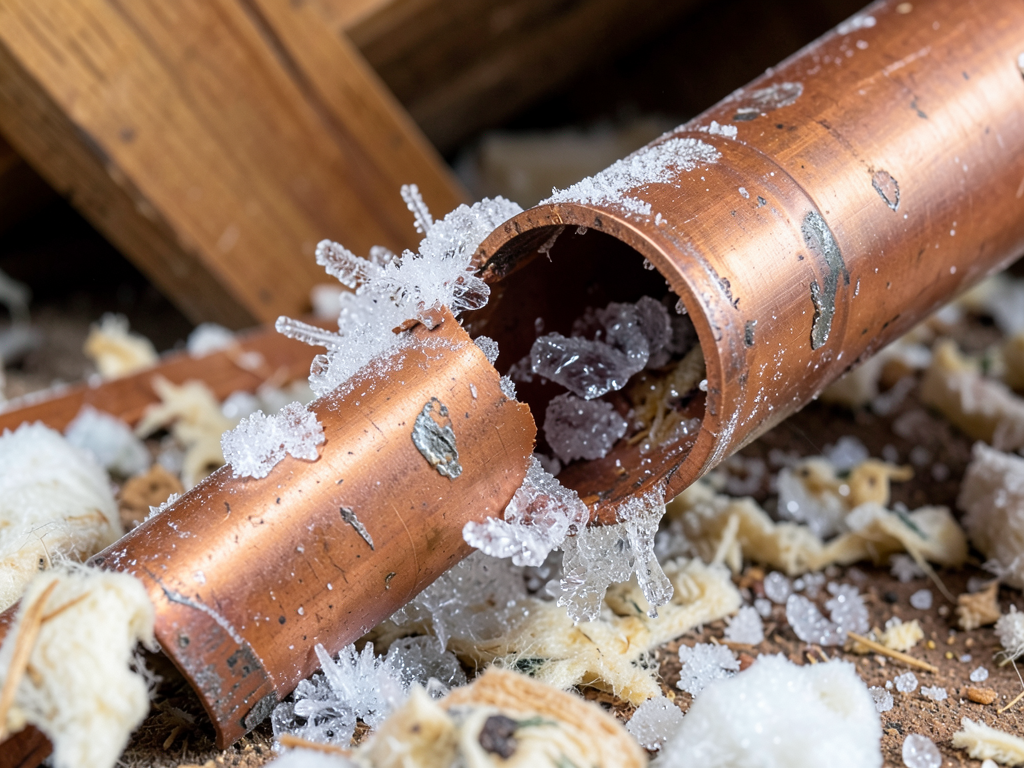
Photo of damaged ceiling from attic plumbing leak showing water stains, mold growth, and structural deterioration in a Historic East Side home.
Comparison image of properly insulated vs. uninsulated attic plumbing runs during winter conditions in Milwaukee.
Protect your Historic East Side home from attic plumbing disasters
The risks of running plumbing through unheated attic spaces in Milwaukee’s Historic East Side are real and potentially devastating. From freeze-burst pipes during polar vortex events to hidden mold growth from summer condensation, attic plumbing failures can cause thousands of dollars in damage and create serious health hazards.
Understanding these risks is the first step toward protection. By recognizing the signs of vulnerable plumbing, understanding local building codes, and implementing preventative measures, you can safeguard your home against water damage disasters.
Don’t wait for a burst pipe to flood your Historic East Side home. Call (414) 375-7955 today to schedule a professional attic plumbing inspection. Our licensed Wisconsin plumbers understand the unique challenges of Milwaukee’s historic homes and can recommend cost-effective solutions to protect your property.
Pick up the phone and call (414) 375-7955 before the next cold snap hits. A simple inspection now can prevent a catastrophic water damage emergency later. Your Historic East Side home deserves expert care from plumbers who understand its unique plumbing challenges.
{
“@context”: “https://schema.org”,
“@type”: “BlogPosting”,
“headline”: “The risks of running plumbing through an unheated attic in the Historic East Side”,
“description”: “Discover why attic plumbing in Milwaukee’s Historic East Side creates freeze-burst risks, condensation damage, and hidden mold problems that threaten your home.”,
“wordCount”: 2705,
“datePublished”: “2026-03-25T09:47:00.000Z”,
“dateModified”: “2026-03-25T09:47:00.000Z”,
“inLanguage”: “en-US”,
“mainEntityOfPage”: {
“@type”: “WebPage”,
“@id”: “https://eliteplumbingmilwaukee.com”
},
“publisher”: {
“@type”: “LocalBusiness”,
“name”: “Elite Plumbing Milwaukee”,
“url”: “https://eliteplumbingmilwaukee.com”
},
“author”: {
“@type”: “Organization”,
“name”: “Elite Plumbing Milwaukee”,
“url”: “https://eliteplumbingmilwaukee.com”
},
“image”: {
“@type”: “ImageObject”,
“url”: “https://eliteplumbingmilwaukee.com/wp-content/uploads/2026/03/the-risks-of-running-plumbing-through-an-unheated-1.png”
}
}
{
“@context”: “https://schema.org”,
“@type”: “Plumber”,
“name”: “Elite Plumbing Milwaukee”,
“url”: “https://eliteplumbingmilwaukee.com”,
“address”: {
“@type”: “PostalAddress”,
“addressLocality”: “Milwaukee”
},
“areaServed”: {
“@type”: “City”,
“name”: “Milwaukee”
}
}
{
“@context”: “https://schema.org”,
“@type”: “FAQPage”,
“mainEntity”: [
{
“@type”: “Question”,
“name”: “How can I tell if my attic plumbing is at risk?”,
“acceptedAnswer”: {
“@type”: “Answer”,
“text”: “Look for uninsulated pipes, inadequate attic insulation, and plumbing runs through unconditioned spaces. Homes built before 1980 are most vulnerable, especially in the Historic East Side where original plumbing remains common.”
}
},
{
“@type”: “Question”,
“name”: “What temperature should I worry about for attic pipes?”,
“acceptedAnswer”: {
“@type”: “Answer”,
“text”: “Begin monitoring when outdoor temperatures drop below 20°F. Pipes in unconditioned attics can reach freezing temperatures 10-15°F warmer than outdoor readings due to wind chill effects and poor insulation.”
}
},
{
“@type”: “Question”,
“name”: “Can I insulate attic plumbing myself?”,
“acceptedAnswer”: {
“@type”: “Answer”,
“text”: “Basic pipe insulation is a DIY-friendly project, but proper installation requires attention to detail. All fittings, valves, and connections must be insulated, and vapor barriers must be correctly installed to prevent condensation problems.”
}
},
{
“@type”: “Question”,
“name”: “How much does professional attic plumbing inspection cost?”,
“acceptedAnswer”: {
“@type”: “Answer”,
“text”: “Professional inspections in Milwaukee typically range from $150 to $300, depending on attic accessibility and the scope of evaluation. This cost is minimal compared to potential water damage repairs.”
}
},
{
“@type”: “Question”,
“name”: “Will my insurance cover attic plumbing damage?”,
“acceptedAnswer”: {
“@type”: “Answer”,
“text”: “Most policies cover sudden and accidental water damage, but may exclude damage from lack of maintenance or wear and tear. Some insurers require proof of regular plumbing inspections for coverage eligibility.”
}
}
]
}
{
“@context”: “https://schema.org”,
“@type”: “HowTo”,
“name”: “How to protect attic plumbing”,
“step”: [
{
“@type”: “HowToStep”,
“position”: 1,
“name”: “Schedule professional inspection”,
“text”: “Have a licensed Wisconsin plumber inspect all attic plumbing for proper insulation, support, and accessibility. The inspection should include thermal imaging to identify cold spots and potential freeze zones.”
},
{
“@type”: “HowToStep”,
“position”: 2,
“name”: “Upgrade pipe insulation”,
“text”: “Replace existing insulation with closed-cell foam pipe insulation rated for Milwaukee’s climate. Ensure all fittings, valves, and connections receive proper insulation coverage.”
},
{
“@type”: “HowToStep”,
“position”: 3,
“name”: “Install emergency shutoff valves”,
“text”: “Place accessible shutoff valves at strategic points to isolate attic plumbing sections. Label valves clearly and ensure all household members know their locations.”
},
{
“@type”: “HowToStep”,
“position”: 4,
“name”: “Consider heat tracing systems”,
“text”: “For high-risk areas or during extreme weather events, install thermostatically controlled heat tracing cable on vulnerable pipes. This provides active freeze protection during polar vortex conditions.”
},
{
“@type”: “HowToStep”,
“position”: 5,
“name”: “Improve attic ventilation”,
“text”: “Ensure proper attic ventilation to prevent ice dam formation and maintain consistent temperatures. This may require adding soffit vents, ridge vents, or powered ventilation systems.”
}
],
“image”: “https://eliteplumbingmilwaukee.com/wp-content/uploads/2026/03/the-risks-of-running-plumbing-through-an-unheated-1.png”
}
{
“@context”: “https://schema.org”,
“@type”: “BreadcrumbList”,
“itemListElement”: [
{
“@type”: “ListItem”,
“position”: 1,
“name”: “Home”,
“item”: “https://eliteplumbingmilwaukee.com”
},
{
“@type”: “ListItem”,
“position”: 2,
“name”: “Blog”,
“item”: “https://eliteplumbingmilwaukee.com/blog”
},
{
“@type”: “ListItem”,
“position”: 3,
“name”: “The risks of running plumbing through an unheated attic in the Historic East Side”
}
]
}
{
“@context”: “https://schema.org”,
“@type”: “Service”,
“serviceType”: “Plumbing”,
“provider”: {
“@type”: “LocalBusiness”,
“name”: “Elite Plumbing Milwaukee”,
“url”: “https://eliteplumbingmilwaukee.com”
},
“areaServed”: {
“@type”: “City”,
“name”: “Milwaukee”
},
“description”: “Discover why attic plumbing in Milwaukee’s Historic East Side creates freeze-burst risks, condensation damage, and hidden mold problems that threaten your home.”
}