
Why your new high-efficiency washing machine keeps throwing a drain error
Your brand-new washing machine flashes a drain error just when you need it most. That spinning drum stops dead and leaves you staring at a puddle of soapy water. The problem isn’t always the machine itself. In Milwaukee homes built before 2000, the real culprit often hides in the drain system. Milwaukee Water Works water hardness data.
High-efficiency washers use less water and rely on precise drain cycles. When your standpipe is too short or your main sewer line has mineral buildup from Milwaukee’s hard water, the washer detects the slow drain and shuts down. You need to fix the plumbing, not the appliance. Professional drain cleaning in Shorewood for stubborn kitchen clogs.
Call (414) 375-7955 today to schedule your inspection before the next load floods your laundry room. Who to call when your Bay View basement floods at 3 AM.
Common Symptoms of a Washing Machine Drainage Problem

Before you panic and call for service, check these signs that point to a drain issue rather than a machine failure. The washer might display error codes like F02, F21, or ND. You might hear a humming pump that never builds pressure. Water might back up into the drum during the spin cycle. The best options for water heater replacement in Wauwatosa.
Look for these physical clues. Water pooling around the washer base means the drain can’t keep up. Gurgling sounds from nearby sinks suggest air trapped in the drain line. A foul odor near the standpipe indicates organic buildup inside the pipe walls.
5 Frequent Causes of Washing Machine Backups
Clogged Drain Hoses and Lint Buildup
High-efficiency washers discharge water faster than older models. Your drain hose might be kinked behind the machine or crushed under the standpipe. Lint and fabric softener residue create a sticky paste that narrows the hose diameter over time.
Check the visible section of hose first. Straighten any kinks and make sure the hose isn’t pushed too far into the standpipe. The discharge end should extend only 4 to 6 inches into the vertical pipe. Too deep creates an airlock; too shallow causes splashing.
Sewer Line Obstructions and Root Intrusion
Milwaukee’s older neighborhoods often have clay sewer laterals that crack and separate at the joints. Tree roots sense the moisture and grow into these gaps. A partial blockage here affects every drain in your home, but the washer shows it first because of its high-volume discharge. Reliable Milwaukee sump pump repair services to keep your basement dry.
Listen for multiple fixtures gurgling when the washer drains. This indicates a main line restriction rather than a local clog. If your home sits near mature trees, especially maple or oak, root intrusion becomes more likely after heavy rains when the soil expands and contracts.
Standpipe Height and Venting Issues
Wisconsin Plumbing Code requires standpipes to extend between 18 and 30 inches above the trap weir. Too short and water backs up; too tall and the washer can’t pump against the column height. Many Milwaukee homes built in the 1950s have standpipes at 12 inches, which barely meets modern washer demands. Wisconsin Plumbing Code Section 2903.
Venting problems compound this issue. Your washer standpipe needs its own vent or connection to the main vent stack. Without proper air admittance, water creates a vacuum that slows drainage and triggers the machine’s error sensors.
Hard Water Mineral Scale in Drain Valves
Milwaukee’s water hardness averages 18 grains per gallon, higher than the national average. This mineral content builds up inside your washer’s drain pump impeller and check valve. The scale reduces flow rates and causes the pump to work harder, eventually triggering overload protection.
You might notice white crusty deposits around hose connections or on the pump housing. This same scale accumulates in your home’s main water lines, reducing overall system capacity and making every fixture more sensitive to partial blockages.
Frozen Exterior Drain Lines in Winter
Wisconsin winters create unique challenges for washing machine drainage. If your washer drains to an exterior line or dry well, freezing temperatures can block the discharge path. The pump runs but can’t push water past the ice plug, causing immediate error codes.
Check for frost buildup around exterior cleanouts or where drain lines exit your foundation. Even indoor lines in unheated crawl spaces can freeze when temperatures drop below zero. The ice expands and cracks pipe fittings, creating slow leaks that freeze again during the next cold snap. What to do if your pipes freeze during a Milwaukee cold snap.
DIY Fixes: How to Clear a Minor Drain Clog
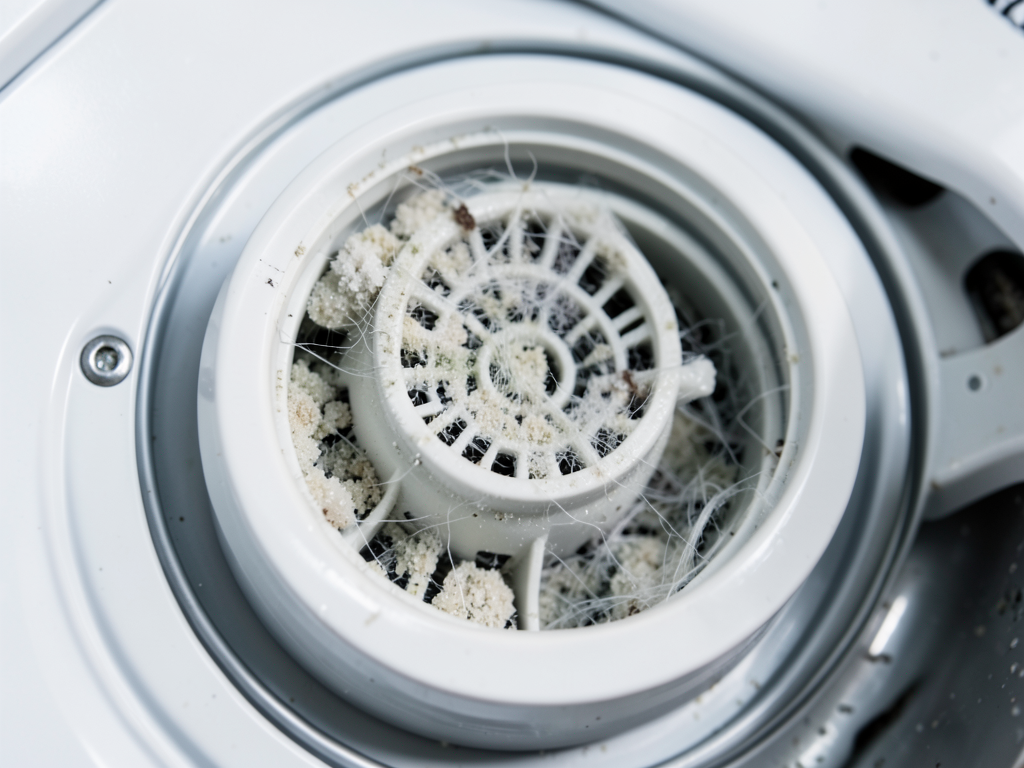
Before calling a plumber, try these steps to rule out simple blockages. Start with the washer’s drain pump filter, usually located behind a small panel at the bottom front. Place towels underneath and slowly open the filter cap. Dirty water will pour out, along with any coins, hairpins, or lint clumps.
Next, disconnect the drain hose from the standpipe. Use a wet-dry vacuum to suck out any standing water and debris. Shine a flashlight into the standpipe to check for visible obstructions. A bent coat hanger can help fish out reachable clogs, but don’t force anything that feels solid.
Run a hot water cycle with no clothes to flush the system. Add a cup of white vinegar to break down soap scum and mineral deposits. If the washer completes this cycle without error, the problem was likely in the local drain path rather than the main sewer line.
When to Call a Milwaukee Emergency Plumber
Some drain issues need professional equipment and expertise. Call immediately if you see sewage backing up into tubs or floor drains when the washer runs. This indicates a main line blockage that could cause extensive water damage within hours.
Contact a plumber if multiple fixtures drain slowly or gurgle simultaneously. This points to a problem beyond the washer’s immediate drain path. Also call if you smell sewer gas in your laundry room, as this suggests broken traps or cracked pipes that release methane into your home.
Professional plumbers use video inspection cameras to locate blockages without tearing walls. They also have motorized augers that can clear 100-foot sewer lines, something impossible with household drain snakes. The cost of emergency service typically runs $150 to $350 for the first hour, but prevents thousands in water damage repairs.
Don’t wait until water floods your basement. Call (414) 375-7955 now for fast emergency service in Milwaukee and surrounding suburbs.
Preventing Future Floods: Maintenance Tips for Milwaukee Homeowners
Prevention costs less than emergency repairs. Install a simple water alarm under your washer to detect leaks early. These battery-powered devices sound an alert when they contact water, giving you time to shut off the supply valve before damage spreads.
Clean your washer’s drain pump filter every three months. This simple task prevents the exact buildup that causes most drain errors. Also inspect the drain hose annually for cracks, brittleness, or mineral deposits at the connection points.
Consider installing a standpipe extension if your current setup falls below code height. This $50 improvement can prevent hundreds in service calls. For homes with known root intrusion problems, annual hydro-jetting of the main sewer line costs $300 to $500 but prevents emergency backups during heavy laundry days.
During Wisconsin winters, insulate any exposed drain pipes in unheated areas. Heat tape can prevent freezing in critical sections, especially where pipes run near exterior walls or through unconditioned crawl spaces.
Frequently Asked Questions
Why does my washer smell like rotten eggs when it drains?
The sulfur smell indicates hydrogen sulfide gas from decaying organic matter in your drain system. This happens when soap scum and lint create anaerobic conditions in the pipes. A thorough drain cleaning and enzyme treatment usually eliminates the odor within 24 hours.
How much does it cost to snake a drain in Milwaukee?
Basic drain snaking for a single fixture runs $100 to $150 in Milwaukee. Main sewer line clearing costs $200 to $400 depending on access and blockage severity. Emergency after-hours service adds $75 to $150 to these base rates.
Can I use chemical drain cleaners in my washing machine drain?
Never use chemical cleaners in washing machine drains. These products can damage the washer’s pump seals and create toxic fumes when mixed with detergents. Mechanical cleaning methods are safer and more effective for appliance drains.
How often should I clean my washing machine’s drain filter?
Clean the drain filter every 3 months for average use, or monthly if you wash heavily soiled items frequently. Homes with pets or construction workers may need monthly cleaning to prevent lint and debris buildup.
What’s the difference between a standpipe and a floor drain for washers?
A standpipe is a vertical pipe that catches the washer’s discharge and connects to your home’s drain system. A floor drain sits at floor level and relies on gravity alone. Standpipes handle high-volume discharge better and prevent water from backing up into the washer during the drain cycle.
Call (414) 375-7955 today to schedule your inspection before the next load floods your laundry room. For more information, visit International Plumbing Code resources.
{
“@context”: “https://schema.org”,
“@type”: “BlogPosting”,
“headline”: “Why your new high-efficiency washing machine keeps throwing a drain error”,
“description”: “Discover why your HE washer keeps showing drain errors in Milwaukee homes. Learn DIY fixes, local plumbing codes, and when to call (414) 375-7955 for emergency service.”,
“wordCount”: 1530,
“datePublished”: “2026-05-08T14:03:00.000Z”,
“dateModified”: “2026-05-08T14:03:00.000Z”,
“inLanguage”: “en-US”,
“mainEntityOfPage”: {
“@type”: “WebPage”,
“@id”: “https://eliteplumbingmilwaukee.com”
},
“publisher”: {
“@type”: “LocalBusiness”,
“name”: “Elite Plumbing Milwaukee”,
“url”: “https://eliteplumbingmilwaukee.com”
},
“author”: {
“@type”: “Organization”,
“name”: “Elite Plumbing Milwaukee”,
“url”: “https://eliteplumbingmilwaukee.com”
},
“image”: {
“@type”: “ImageObject”,
“url”: “https://eliteplumbingmilwaukee.com/wp-content/uploads/2026/03/why-your-new-high-efficiency-washing-machine-keeps-1.png”
}
}
{
“@context”: “https://schema.org”,
“@type”: “Plumber”,
“name”: “Elite Plumbing Milwaukee”,
“url”: “https://eliteplumbingmilwaukee.com”,
“address”: {
“@type”: “PostalAddress”,
“addressLocality”: “Milwaukee”
},
“areaServed”: {
“@type”: “City”,
“name”: “Milwaukee”
}
}
{
“@context”: “https://schema.org”,
“@type”: “FAQPage”,
“mainEntity”: [
{
“@type”: “Question”,
“name”: “Why does my washer smell like rotten eggs when it drains?”,
“acceptedAnswer”: {
“@type”: “Answer”,
“text”: “The sulfur smell indicates hydrogen sulfide gas from decaying organic matter in your drain system. This happens when soap scum and lint create anaerobic conditions in the pipes. A thorough drain cleaning and enzyme treatment usually eliminates the odor within 24 hours.”
}
},
{
“@type”: “Question”,
“name”: “How much does it cost to snake a drain in Milwaukee?”,
“acceptedAnswer”: {
“@type”: “Answer”,
“text”: “Basic drain snaking for a single fixture runs $100 to $150 in Milwaukee. Main sewer line clearing costs $200 to $400 depending on access and blockage severity. Emergency after-hours service adds $75 to $150 to these base rates.”
}
},
{
“@type”: “Question”,
“name”: “Can I use chemical drain cleaners in my washing machine drain?”,
“acceptedAnswer”: {
“@type”: “Answer”,
“text”: “Never use chemical cleaners in washing machine drains. These products can damage the washer’s pump seals and create toxic fumes when mixed with detergents. Mechanical cleaning methods are safer and more effective for appliance drains.”
}
},
{
“@type”: “Question”,
“name”: “How often should I clean my washing machine’s drain filter?”,
“acceptedAnswer”: {
“@type”: “Answer”,
“text”: “Clean the drain filter every 3 months for average use, or monthly if you wash heavily soiled items frequently. Homes with pets or construction workers may need monthly cleaning to prevent lint and debris buildup.”
}
},
{
“@type”: “Question”,
“name”: “What’s the difference between a standpipe and a floor drain for washers?”,
“acceptedAnswer”: {
“@type”: “Answer”,
“text”: “A standpipe is a vertical pipe that catches the washer’s discharge and connects to your home’s drain system. A floor drain sits at floor level and relies on gravity alone. Standpipes handle high-volume discharge better and prevent water from backing up into the washer during the drain cycle.”
}
}
]
}
{
“@context”: “https://schema.org”,
“@type”: “BreadcrumbList”,
“itemListElement”: [
{
“@type”: “ListItem”,
“position”: 1,
“name”: “Home”,
“item”: “https://eliteplumbingmilwaukee.com”
},
{
“@type”: “ListItem”,
“position”: 2,
“name”: “Blog”,
“item”: “https://eliteplumbingmilwaukee.com/blog”
},
{
“@type”: “ListItem”,
“position”: 3,
“name”: “Why your new high-efficiency washing machine keeps throwing a drain error”
}
]
}
{
“@context”: “https://schema.org”,
“@type”: “Service”,
“serviceType”: “Plumbing”,
“provider”: {
“@type”: “LocalBusiness”,
“name”: “Elite Plumbing Milwaukee”,
“url”: “https://eliteplumbingmilwaukee.com”
},
“areaServed”: {
“@type”: “City”,
“name”: “Milwaukee”
},
“description”: “Discover why your HE washer keeps showing drain errors in Milwaukee homes. Learn DIY fixes, local plumbing codes, and when to call (414) 375-7955 for emergency service.”
}