
How to plan the plumbing for a dog washing station in your Grafton mudroom
Installing a dog washing station in your Grafton mudroom is a smart way to keep your home clean and make pet grooming easier. Planning the plumbing correctly is essential to avoid costly mistakes and ensure the system works well year-round in Wisconsin’s climate. This guide walks you through the technical requirements local codes and practical steps to set up a safe and efficient pet washing station. Wisconsin Uniform Plumbing Code Section 312.05.
Why a mudroom dog wash makes sense for Grafton homes
Grafton’s mix of historic and newer homes often means mudrooms are high-traffic areas where pets enter and exit. A dedicated dog washing station here keeps muddy paws and fur from spreading through the house. It also prevents strain on your bathroom plumbing and reduces the risk of clogs from pet hair and debris. Plus a well-designed station can increase your home’s value and appeal to other pet owners.
Essential plumbing components for a dog wash station
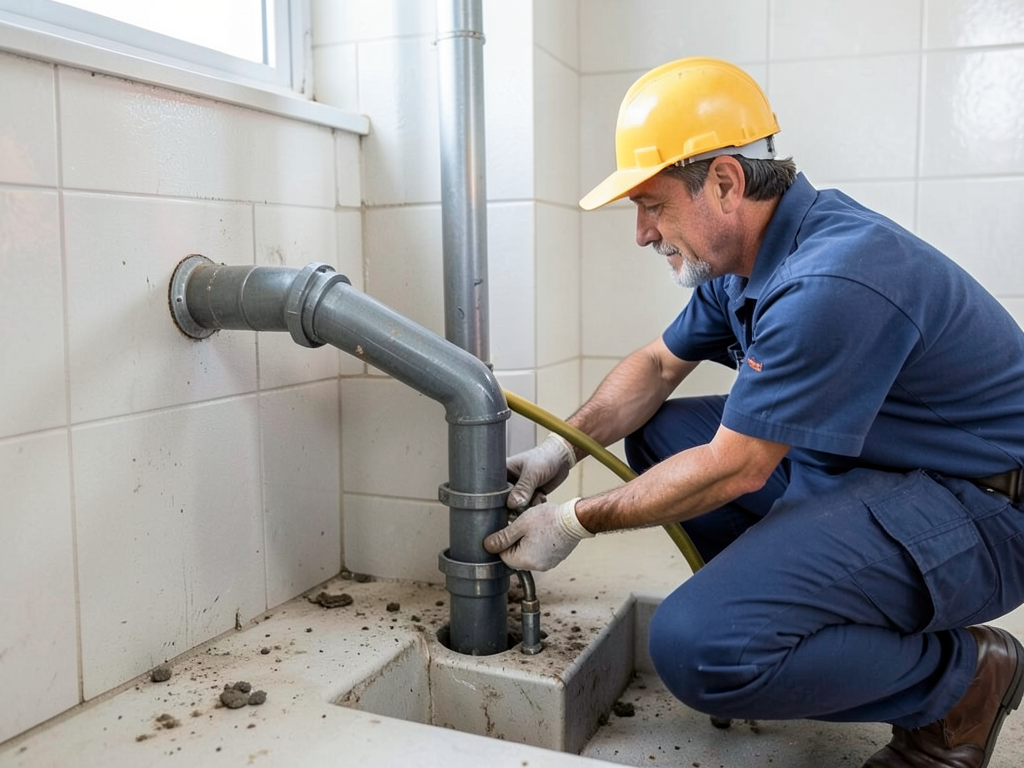
A successful dog wash station requires more than just a faucet and drain. Here are the critical plumbing elements: Professional drain cleaning in Shorewood for stubborn kitchen clogs.
1. Drainage system and P-trap
Dog washing generates a lot of hair and debris that can quickly clog standard drains. A 2-inch drain pipe is the minimum recommended size to handle this runoff. The P-trap must be easily accessible for cleaning hair and sediment buildup. Without proper P-trap maintenance sewer gases can enter your home. Signs You Need Sewer Repair.
2. Hair interceptor or sediment trap
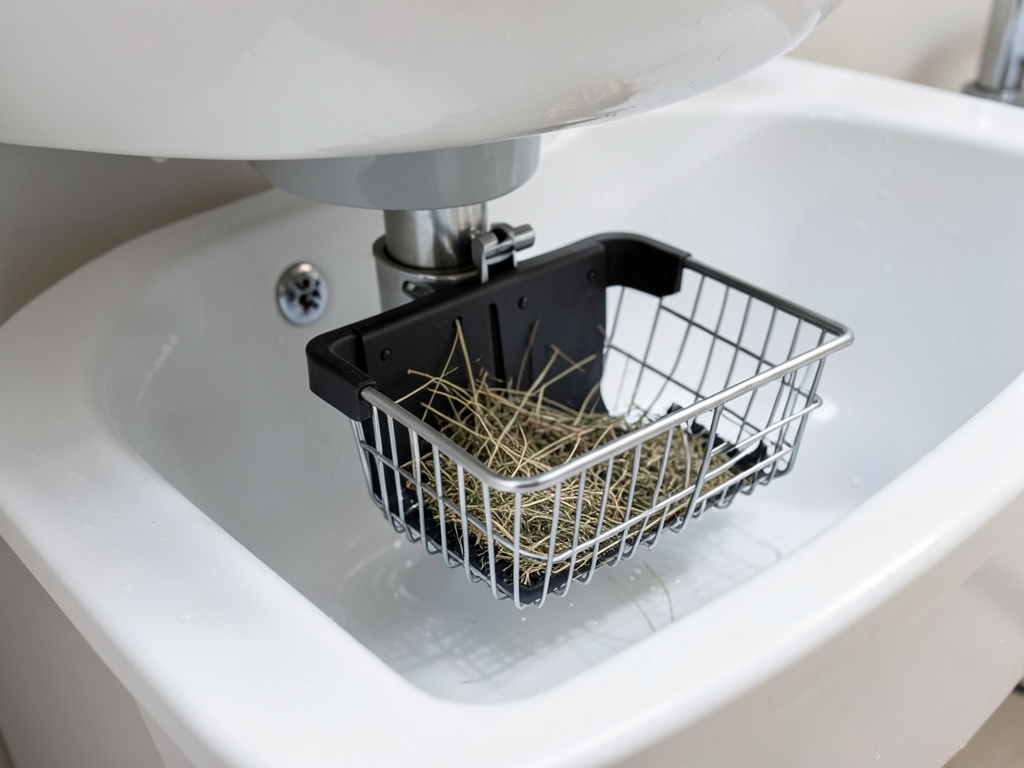
A hair interceptor is a must-have for pet washing stations. This device catches pet hair before it enters your main sewer line preventing costly backups. Commercial-grade interceptors are designed to handle the heavy fur load from dogs and are easy to clean.
3. Thermostatic mixing valve
Wisconsin winters mean cold water supply lines. A thermostatic mixing valve ensures the water temperature stays safe and comfortable for your pet preventing scalding or chilling. This valve mixes hot and cold water to a consistent pre-set temperature. The best options for water heater replacement in Wauwatosa.
4. Backflow preventer
Backflow prevention is required by Wisconsin plumbing code to protect your home’s potable water supply from contamination. A vacuum breaker installed on the handheld sprayer prevents dirty water from siphoning back into your pipes. What to do if your pipes freeze during a Milwaukee cold snap.
5. Floor drain and waterproofing
A floor drain in the mudroom helps manage spills and overflow. Pair this with waterproofing membranes like Schluter-Kerdi or similar products to protect walls and floors from moisture damage.
Local plumbing codes and permits in Grafton
Before starting your project check with the Village of Grafton Building Inspection Department. Wisconsin plumbing installations must comply with the Wisconsin Uniform Plumbing Code (Section 312.05) which covers drainage venting and backflow prevention. A permit is typically required for new plumbing fixtures and drainage modifications. Village of Grafton Building Inspection Department.
Grafton’s building department may also require inspections to ensure your installation meets local safety standards. Skipping permits can lead to fines and problems when selling your home.
Winterization tips for Grafton’s cold climate
Grafton’s freezing winters pose unique challenges for plumbing in mudrooms and garages. Here’s how to protect your dog wash station:
- Insulate exposed pipes with foam pipe insulation to prevent freezing.
- Install heat tape on pipes in unheated areas.
- Use frost-proof hose bibs if your station is near an exterior wall.
- Consider a wall-mounted unit with built-in freeze protection for added safety.
Neglecting winterization can lead to burst pipes and expensive water damage especially in older Grafton homes with less insulation.
Step-by-step installation process
Follow these steps to plan and install your dog washing station:
- Assess your space: Measure the mudroom and choose a location near existing plumbing to minimize costs.
- Design the layout: Decide between a raised tub or floor-level shower. Raised tubs are easier on your back but require more plumbing work.
- Obtain permits: Submit plans to Grafton building inspection and get the necessary permits.
- Install drainage and P-trap: Cut into existing drain lines and install a 2-inch drain with an accessible P-trap.
- Add hair interceptor: Install a commercial-grade hair trap to protect your sewer system.
- Set up water supply: Run hot and cold lines with a thermostatic mixing valve and backflow preventer.
- Waterproof the area: Apply waterproofing membrane to walls and floor around the station.
- Install fixtures: Mount the tub or shower base handheld sprayer and any shelving or hooks.
- Test the system: Check for leaks proper drainage and temperature control before final use.
Maintenance and clog prevention
Keeping your dog wash station running smoothly requires regular maintenance:
- Clean the hair interceptor after every use to prevent buildup.
- Flush the drain with hot water weekly to dissolve soap scum and grease.
- Inspect P-trap and drain lines monthly for signs of slow drainage.
- Use enzyme-based drain cleaners monthly to break down organic matter.
Following these steps reduces the risk of clogs and extends the life of your plumbing system.
Cost factors and professional help
Installing a dog wash station can cost between $1500 and $5000 depending on complexity. Factors include:
- Proximity to existing plumbing (less costly if close)
- Type of tub or shower base
- Need for new drainage or venting
- Waterproofing and finish materials
DIY installation is possible for handy homeowners but professional plumbers ensure code compliance and proper installation. Mistakes can lead to water damage mold or sewer backups.
Frequently Asked Questions
Can I install a dog wash station in my garage?
Yes but you must insulate pipes and use freeze-proof fixtures. Garages in Grafton can get very cold so winterization is critical to prevent pipe bursts.
Do I need a permit for a dog wash station in Grafton?
Yes most plumbing modifications require a permit from the Village of Grafton Building Inspection Department to ensure code compliance and safety.
What size drain pipe do I need for a dog wash?
A 2-inch drain pipe is recommended to handle pet hair and debris without clogging.
How do I prevent my dog wash station from freezing in winter?
Insulate pipes use heat tape and consider frost-proof fixtures. Professional winterization helps avoid costly freeze damage.
Ready to install your dog wash station?
Planning a dog washing station in your Grafton mudroom is a great investment in your home and pet care routine. But getting the plumbing right is critical to avoid headaches later. If you want a professional installation that meets all local codes and is built to last through Wisconsin winters call Elite Plumbing Milwaukee at (414) 375-7955 today. We’ll handle everything from permits to final inspection so you can enjoy a safe efficient dog wash station without the stress. Reliable Milwaukee sump pump repair services to keep your basement dry.
{
“@context”: “https://schema.org”,
“@type”: “BlogPosting”,
“headline”: “How to plan the plumbing for a dog washing station in your Grafton mudroom”,
“description”: “Plan your Grafton mudroom dog washing station with proper plumbing. Learn about drainage, codes, winterization, and installation for Wisconsin’s climate.”,
“wordCount”: 1151,
“datePublished”: “2026-04-25T11:34:00.000Z”,
“dateModified”: “2026-04-25T11:34:00.000Z”,
“inLanguage”: “en-US”,
“mainEntityOfPage”: {
“@type”: “WebPage”,
“@id”: “https://eliteplumbingmilwaukee.com”
},
“publisher”: {
“@type”: “LocalBusiness”,
“name”: “Elite Plumbing Milwaukee”,
“url”: “https://eliteplumbingmilwaukee.com”
},
“author”: {
“@type”: “Organization”,
“name”: “Elite Plumbing Milwaukee”,
“url”: “https://eliteplumbingmilwaukee.com”
},
“image”: {
“@type”: “ImageObject”,
“url”: “https://eliteplumbingmilwaukee.com/wp-content/uploads/2026/03/how-to-plan-the-plumbing-for-a-dog-washing-station-1.png”
}
}
{
“@context”: “https://schema.org”,
“@type”: “Plumber”,
“name”: “Elite Plumbing Milwaukee”,
“url”: “https://eliteplumbingmilwaukee.com”,
“address”: {
“@type”: “PostalAddress”,
“addressLocality”: “Milwaukee”
},
“areaServed”: {
“@type”: “City”,
“name”: “Milwaukee”
}
}
{
“@context”: “https://schema.org”,
“@type”: “FAQPage”,
“mainEntity”: [
{
“@type”: “Question”,
“name”: “Can I install a dog wash station in my garage?”,
“acceptedAnswer”: {
“@type”: “Answer”,
“text”: “Yes but you must insulate pipes and use freeze-proof fixtures. Garages in Grafton can get very cold so winterization is critical to prevent pipe bursts.”
}
},
{
“@type”: “Question”,
“name”: “Do I need a permit for a dog wash station in Grafton?”,
“acceptedAnswer”: {
“@type”: “Answer”,
“text”: “Yes most plumbing modifications require a permit from the Village of Grafton Building Inspection Department to ensure code compliance and safety.”
}
},
{
“@type”: “Question”,
“name”: “What size drain pipe do I need for a dog wash?”,
“acceptedAnswer”: {
“@type”: “Answer”,
“text”: “A 2-inch drain pipe is recommended to handle pet hair and debris without clogging.”
}
},
{
“@type”: “Question”,
“name”: “How do I prevent my dog wash station from freezing in winter?”,
“acceptedAnswer”: {
“@type”: “Answer”,
“text”: “Insulate pipes use heat tape and consider frost-proof fixtures. Professional winterization helps avoid costly freeze damage.”
}
},
{
“@type”: “Question”,
“name”: “Ready to install your dog wash station?”,
“acceptedAnswer”: {
“@type”: “Answer”,
“text”: “Planning a dog washing station in your Grafton mudroom is a great investment in your home and pet care routine. But getting the plumbing right is critical to avoid headaches later. If you want a professional installation that meets all local codes and is built to last through Wisconsin winters call Elite Plumbing Milwaukee at (414) 375-7955 today. We’ll handle everything from permits to final inspection so you can enjoy a safe efficient dog wash station without the stress. Reliable Milwaukee sump pump repair services to keep your basement dry.”
}
}
]
}
{
“@context”: “https://schema.org”,
“@type”: “BreadcrumbList”,
“itemListElement”: [
{
“@type”: “ListItem”,
“position”: 1,
“name”: “Home”,
“item”: “https://eliteplumbingmilwaukee.com”
},
{
“@type”: “ListItem”,
“position”: 2,
“name”: “Blog”,
“item”: “https://eliteplumbingmilwaukee.com/blog”
},
{
“@type”: “ListItem”,
“position”: 3,
“name”: “How to plan the plumbing for a dog washing station in your Grafton mudroom”
}
]
}
{
“@context”: “https://schema.org”,
“@type”: “Service”,
“serviceType”: “Plumbing”,
“provider”: {
“@type”: “LocalBusiness”,
“name”: “Elite Plumbing Milwaukee”,
“url”: “https://eliteplumbingmilwaukee.com”
},
“areaServed”: {
“@type”: “City”,
“name”: “Milwaukee”
},
“description”: “Plan your Grafton mudroom dog washing station with proper plumbing. Learn about drainage, codes, winterization, and installation for Wisconsin’s climate.”
}