
How to properly drain your water heater to remove sediment buildup
Milwaukee homeowners face unique challenges with water heater maintenance due to our area’s hard water from Lake Michigan. Sediment buildup from calcium and magnesium deposits can reduce your water heater’s efficiency by up to 50% and shorten its lifespan by years. This comprehensive guide walks you through the complete flushing process while explaining Milwaukee-specific considerations that affect your system’s performance. Milwaukee Water Works.
Understanding Milwaukee’s water quality impact on your water heater
Lake Michigan water entering Milwaukee homes typically measures 18-22 grains per gallon of hardness. This high mineral content means sediment accumulates in your tank much faster than in areas with softer water. The sediment acts like insulation between the burner and the water forcing your unit to work harder and increasing energy costs. Milwaukee Metropolitan Sewerage District.
Milwaukee Water Works data shows that homes in older neighborhoods like Bay View and Riverwest often experience sediment-related issues within 3-4 years of installation while properly maintained units can last 10-12 years. The difference comes down to regular maintenance and understanding the specific challenges of our local water supply. The best options for water heater replacement in Wauwatosa.
Signs your water heater needs sediment removal
Recognizing sediment buildup early can prevent costly repairs. Common indicators include popping or rumbling noises during heating cycles reduced hot water availability cloudy or rusty-looking water from taps and longer wait times for hot water to reach fixtures. You might also notice your water heater cycling more frequently as it struggles to maintain temperature.. Read more about Why your tankless water heater needs a descale every year in Brookfield.
Another telltale sign is a rotten egg smell in hot water caused by bacteria interacting with sediment and the anode rod. This is particularly common in Milwaukee’s older homes where plumbing systems have years of mineral accumulation. If you notice any of these symptoms sediment removal should be your first troubleshooting step. Reliable Milwaukee sump pump repair services to keep your basement dry.
Tools and preparation for the flushing process
Before starting gather these essential tools: a garden hose long enough to reach a floor drain or outdoor area a bucket adjustable wrench screwdriver and work gloves. For safety you’ll need eye protection and possibly a face mask to avoid inhaling any sediment dust. Professional drain cleaning in Shorewood for stubborn kitchen clogs.
Important safety note: Water in your tank can be scalding hot. Allow at least 3-4 hours for the water to cool after turning off the power or gas supply. Never attempt to drain a water heater immediately after use. The Milwaukee Fire Department reports annual injuries from hot water burns during DIY maintenance so patience is crucial.. Read more about How to tell if your West Milwaukee business needs a larger commercial water heater.
Step-by-step water heater flushing procedure
- Shut off power or gas supply – For electric water heaters turn off the circuit breaker at your main electrical panel. For gas units turn the gas control valve to the “pilot” setting. This prevents the heating elements or burner from activating while the tank is empty.
- Connect the garden hose – Attach one end of the garden hose to the drain valve located near the bottom of your water heater. Route the other end to a suitable drainage location. In Milwaukee basements this often means connecting to a floor drain or running the hose outside through a basement window. Never drain hot water onto your lawn as it can damage grass and soil.
- Open a hot water faucet – Turn on a nearby hot water faucet to allow air into the system. This prevents vacuum formation that could trap water in the tank. Leave this faucet open throughout the entire draining process.
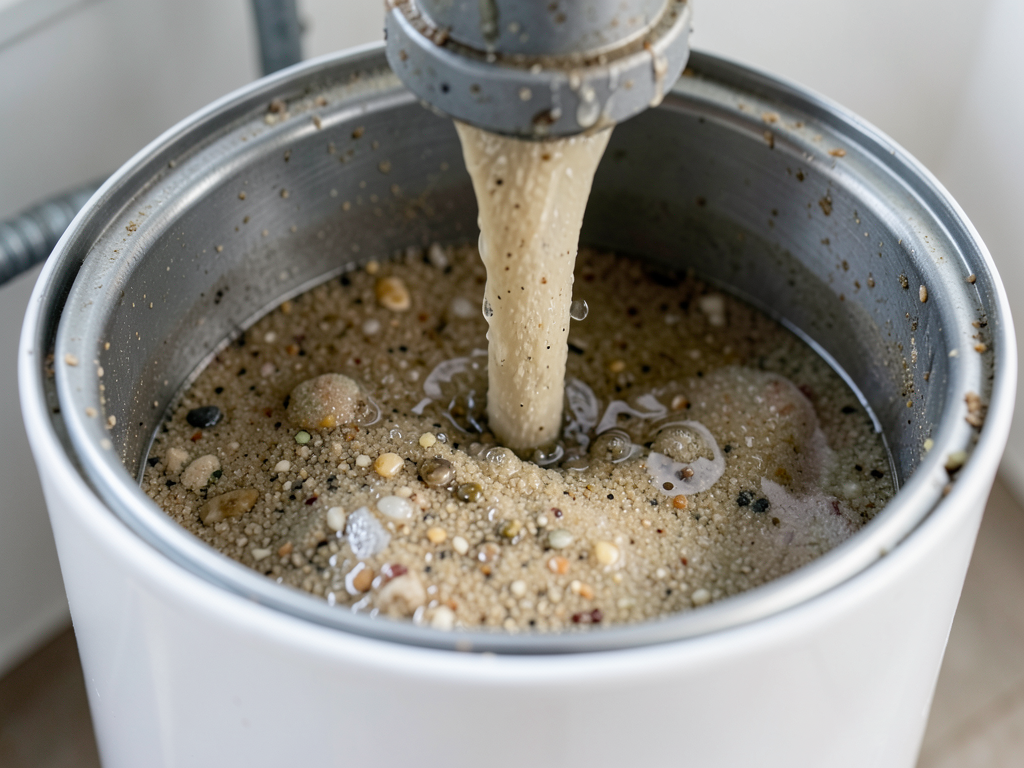
- Open the drain valve – Slowly open the drain valve on your water heater. Initially you’ll see cloudy water mixed with sediment. Let the tank drain completely which typically takes 20-30 minutes depending on tank size and water pressure. For Milwaukee homes with older galvanized pipes you might need to open the valve gradually to prevent sediment clogs.
- Flush with cold water – Once the tank is empty briefly turn on the cold water supply to stir up remaining sediment. Let this water run through the hose for 2-3 minutes until it runs clear. This step is crucial for removing fine particles that settle at the bottom of the tank.
- Close drain valve and refill – Close the drain valve securely remove the hose and turn the cold water supply back on. Allow the tank to fill completely before restoring power or gas. You’ll know it’s full when water flows steadily from the open hot water faucet you left running.
- Restore power and check for leaks – For electric units restore power at the circuit breaker. For gas units turn the gas valve back to the “on” position and relight the pilot if necessary. Check all connections for leaks over the next 24 hours. The Wisconsin Department of Safety and Professional Services recommends annual inspection of all water heater connections.
Gas vs. electric water heater specific considerations
Gas water heaters require additional safety steps. After turning the gas valve to “pilot” you must relight the pilot light according to manufacturer instructions. Many newer units have electronic ignition while older models need manual lighting with a match or igniter. If you smell gas at any point stop immediately and call the Milwaukee Fire Department’s non-emergency line at (414) 286-3200.
Electric water heaters pose different risks. The high-voltage heating elements can burn out if operated without water in the tank. Always double-check that the tank is completely full before restoring power. The heating elements are located behind access panels on the side of the unit – never remove these while the power is on.
Milwaukee-specific maintenance recommendations
Milwaukee’s climate creates unique water heater challenges. Our extreme temperature fluctuations cause pipes and tanks to expand and contract potentially loosening connections over time. Homes in areas like Shorewood and Whitefish Bay with their older housing stock often have water heaters installed in unconditioned spaces where freezing is a risk during winter. What to do if your pipes freeze during a Milwaukee cold snap.
The Milwaukee Metropolitan Sewerage District recommends draining water heaters annually but homes with particularly hard water may need biannual flushing. You can test your water hardness by filling a clear glass with hot tap water and observing sediment after 24 hours. If significant particles settle more frequent maintenance is needed.
For homes built before 1980 check for the presence of a pressure relief valve. Many older units lack this critical safety feature which is now required by Wisconsin plumbing code. Without proper pressure relief sediment buildup can create dangerous pressure conditions inside the tank. Wisconsin Department of Safety and Professional Services.
When to call a professional Milwaukee plumber
Certain situations require professional intervention. If your drain valve is stuck or corroded shut forcing it can cause tank damage or flooding. Professional plumbers have specialized tools to clear blocked valves without damaging your system. This is especially common in Milwaukee’s older neighborhoods where mineral buildup has had decades to accumulate.
Other warning signs include visible rust on the tank exterior water pooling around the base or a leaking temperature and pressure relief valve. These indicate internal corrosion that flushing cannot fix. The average cost for professional water heater maintenance in Milwaukee ranges from $150-250 significantly less than emergency replacement costs of $1,200-2,500.. Read more about Why your Shorewood home needs a pressure reducing valve to protect your pipes.
If your water heater is over 10 years old and showing multiple failure signs replacement might be more cost-effective than continued maintenance. Modern high-efficiency units can reduce energy costs by 20-30% compared to older models providing long-term savings that offset the initial investment.
Benefits of regular water heater maintenance
Annual sediment removal provides multiple benefits beyond just preventing breakdowns. You’ll notice improved water pressure as sediment no longer restricts flow through pipes. Energy efficiency increases as the burner no longer works against insulating sediment layers. Most importantly you extend your water heater’s useful life by 3-5 years delaying the significant expense of replacement.
Regular maintenance also helps identify developing problems before they cause catastrophic failures. A professional inspection during flushing can detect anode rod deterioration valve wear and connection issues that might otherwise go unnoticed until a major leak occurs. In Milwaukee’s older housing stock this preventative approach is essential for avoiding water damage to finished basements and valuable possessions. Who to call when your Bay View basement floods at 3 AM.
Environmental and cost considerations
Efficient water heaters reduce energy consumption and environmental impact. The EPA estimates that a sediment-free water heater uses 15-20% less energy than a heavily scaled unit. For Milwaukee homeowners this translates to annual savings of $50-100 on utility bills depending on household size and usage patterns.
Proper disposal of flushed water is important for environmental protection. The sediment contains concentrated minerals and potentially harmful bacteria. Direct this water to municipal sewer systems rather than storm drains or natural water bodies. Milwaukee Water Works provides guidelines for residential water disposal that protect our local watershed.
Consider installing a water softener if sediment buildup becomes a recurring issue. While the initial investment ranges from $1,000-2,500 softened water reduces scale formation throughout your entire plumbing system extending the life of faucets appliances and pipes while improving soap and detergent effectiveness.
Comparison of Water Heater Maintenance Costs
| Service Type | Cost Range | Frequency | DIY Difficulty |
|---|---|---|---|
| Basic Flushing | $0-50 | Annually | Easy |
| Professional Maintenance | $150-250 | Annually | N/A |
| Emergency Repair | $300-800 | As needed | Professional only |
| Complete Replacement | $1,200-2,500 | Every 10-15 years | Professional only |
Frequently Asked Questions
How often should I drain my water heater in Milwaukee?
Annual flushing is recommended for most Milwaukee homes but homes with extremely hard water may benefit from biannual maintenance. Test your water quality to determine the optimal schedule for your specific situation.
Can I drain my water heater myself or should I hire a professional?
Basic flushing is a manageable DIY task for most homeowners with proper safety precautions. However if you’re uncomfortable with the process your unit is very old or you encounter problems like stuck valves professional service is the safer choice.
What happens if I don’t remove sediment from my water heater?
Neglected sediment buildup reduces efficiency increases energy costs shortens unit lifespan and can cause premature tank failure. In severe cases it creates pressure hazards that could lead to tank rupture or flooding damage to your home.
How long does the water heater flushing process take?
The entire process typically requires 2-3 hours including cooling time with active work taking 30-45 minutes. Plan for an afternoon when you won’t need hot water for several hours.
Is sediment removal necessary for tankless water heaters?
Yes but the process differs. Tankless units require descaling with a vinegar solution to remove mineral buildup from the heat exchanger. This should be done annually in Milwaukee due to our hard water conditions.

Regular water heater maintenance is essential for Milwaukee homeowners dealing with our area’s hard water conditions. By following this guide you can improve efficiency extend equipment life and avoid costly emergency repairs. However if you’re unsure about any step in the process or encounter problems during maintenance professional help is just a phone call away.
Don’t wait until sediment causes a breakdown. Call (414) 375-7955 today to schedule your professional water heater inspection and maintenance service. Our experienced Milwaukee plumbers understand the unique challenges of our local water quality and can ensure your system operates at peak efficiency all year long.
For emergency water heater issues or if you need immediate assistance our 24/7 emergency service is available throughout the greater Milwaukee area. We proudly serve homeowners in Franklin Shorewood Bay View Whitefish Bay Wauwatosa West Allis Oak Creek Greenfield Mequon Riverwest the Historic Third Ward and the Lower East Side.
{
“@context”: “https://schema.org”,
“@type”: “BlogPosting”,
“headline”: “How to properly drain your water heater to remove sediment buildup”,
“description”: “Milwaukee homeowners need annual water heater flushing due to Lake Michigan’s 18-22 GPG hardness. Learn the complete process to remove sediment and extend your unit’s life.”,
“wordCount”: 1951,
“datePublished”: “2026-05-11T14:02:00.000Z”,
“dateModified”: “2026-05-11T14:02:00.000Z”,
“inLanguage”: “en-US”,
“mainEntityOfPage”: {
“@type”: “WebPage”,
“@id”: “https://eliteplumbingmilwaukee.com”
},
“publisher”: {
“@type”: “LocalBusiness”,
“name”: “Elite Plumbing Milwaukee”,
“url”: “https://eliteplumbingmilwaukee.com”
},
“author”: {
“@type”: “Organization”,
“name”: “Elite Plumbing Milwaukee”,
“url”: “https://eliteplumbingmilwaukee.com”
},
“image”: {
“@type”: “ImageObject”,
“url”: “https://eliteplumbingmilwaukee.com/wp-content/uploads/2026/03/how-to-properly-drain-your-water-heater-to-remove-1.png”
}
}
{
“@context”: “https://schema.org”,
“@type”: “Plumber”,
“name”: “Elite Plumbing Milwaukee”,
“url”: “https://eliteplumbingmilwaukee.com”,
“address”: {
“@type”: “PostalAddress”,
“addressLocality”: “Milwaukee”
},
“areaServed”: {
“@type”: “City”,
“name”: “Milwaukee”
}
}
{
“@context”: “https://schema.org”,
“@type”: “FAQPage”,
“mainEntity”: [
{
“@type”: “Question”,
“name”: “How often should I drain my water heater in Milwaukee?”,
“acceptedAnswer”: {
“@type”: “Answer”,
“text”: “Annual flushing is recommended for most Milwaukee homes but homes with extremely hard water may benefit from biannual maintenance. Test your water quality to determine the optimal schedule for your specific situation.”
}
},
{
“@type”: “Question”,
“name”: “Can I drain my water heater myself or should I hire a professional?”,
“acceptedAnswer”: {
“@type”: “Answer”,
“text”: “Basic flushing is a manageable DIY task for most homeowners with proper safety precautions. However if you’re uncomfortable with the process your unit is very old or you encounter problems like stuck valves professional service is the safer choice.”
}
},
{
“@type”: “Question”,
“name”: “What happens if I don’t remove sediment from my water heater?”,
“acceptedAnswer”: {
“@type”: “Answer”,
“text”: “Neglected sediment buildup reduces efficiency increases energy costs shortens unit lifespan and can cause premature tank failure. In severe cases it creates pressure hazards that could lead to tank rupture or flooding damage to your home.”
}
},
{
“@type”: “Question”,
“name”: “How long does the water heater flushing process take?”,
“acceptedAnswer”: {
“@type”: “Answer”,
“text”: “The entire process typically requires 2-3 hours including cooling time with active work taking 30-45 minutes. Plan for an afternoon when you won’t need hot water for several hours.”
}
},
{
“@type”: “Question”,
“name”: “Is sediment removal necessary for tankless water heaters?”,
“acceptedAnswer”: {
“@type”: “Answer”,
“text”: “Yes but the process differs. Tankless units require descaling with a vinegar solution to remove mineral buildup from the heat exchanger. This should be done annually in Milwaukee due to our hard water conditions.”
}
}
]
}
{
“@context”: “https://schema.org”,
“@type”: “BreadcrumbList”,
“itemListElement”: [
{
“@type”: “ListItem”,
“position”: 1,
“name”: “Home”,
“item”: “https://eliteplumbingmilwaukee.com”
},
{
“@type”: “ListItem”,
“position”: 2,
“name”: “Blog”,
“item”: “https://eliteplumbingmilwaukee.com/blog”
},
{
“@type”: “ListItem”,
“position”: 3,
“name”: “How to properly drain your water heater to remove sediment buildup”
}
]
}
{
“@context”: “https://schema.org”,
“@type”: “Service”,
“serviceType”: “Plumbing”,
“provider”: {
“@type”: “LocalBusiness”,
“name”: “Elite Plumbing Milwaukee”,
“url”: “https://eliteplumbingmilwaukee.com”
},
“areaServed”: {
“@type”: “City”,
“name”: “Milwaukee”
},
“description”: “Milwaukee homeowners need annual water heater flushing due to Lake Michigan’s 18-22 GPG hardness. Learn the complete process to remove sediment and extend your unit’s life.”
}