
A seasonal plumbing maintenance checklist for every homeowner in Butler
Living in Butler means dealing with Milwaukee’s extreme weather swings that can wreak havoc on your home’s plumbing system. From sub-zero winters to heavy spring rains, your pipes, water heater, and fixtures face constant stress. This comprehensive seasonal checklist helps you prevent costly emergencies and extend the life of your plumbing infrastructure. Milwaukee Metropolitan Sewerage District.
The first 100 words are critical: This seasonal plumbing maintenance checklist for Butler homeowners covers essential tasks to protect your home from Milwaukee’s harsh climate. Following this guide helps prevent frozen pipes, basement flooding, and water heater failures while saving you money on emergency repairs. Each season brings unique challenges that require specific attention to keep your plumbing system running smoothly. EPA WaterSense program.
Fall maintenance: Preparing for Milwaukee’s brutal winters
As temperatures drop in Butler, your plumbing faces its toughest test. The freeze-thaw cycles common to our area cause more pipe bursts than any other factor. Taking action now prevents emergency calls when the mercury plummets. What to do if your pipes freeze during a Milwaukee cold snap.
Outdoor faucet winterization
Disconnect all garden hoses and drain outdoor spigots completely. Even frost-proof sillcocks can freeze if a hose remains attached, trapping water inside. Shut off the indoor supply valve to exterior faucets and open the outside valve to drain any remaining water. Consider installing frost-free hose bibs if your home still has standard outdoor faucets. Professional drain cleaning in Shorewood for stubborn kitchen clogs.
Pipe insulation in unheated spaces
Inspect your basement, crawl spaces, and garage for exposed pipes. Use foam pipe insulation sleeves on all accessible pipes, paying special attention to those near exterior walls. In Butler’s older homes, galvanized pipes are particularly vulnerable to freezing. The insulation should cover pipes completely with no gaps at joints or elbows. Who to call when your Bay View basement floods at 3 AM.
Furnace humidifier checks
During winter, your furnace runs constantly, drying out the air and potentially causing issues with your plumbing. Check your whole-house humidifier’s water panel and replace it if it’s clogged with mineral deposits. Clean the unit thoroughly and verify proper water flow. This prevents dry air from causing static electricity that can damage sensitive plumbing components. The best options for water heater replacement in Wauwatosa.
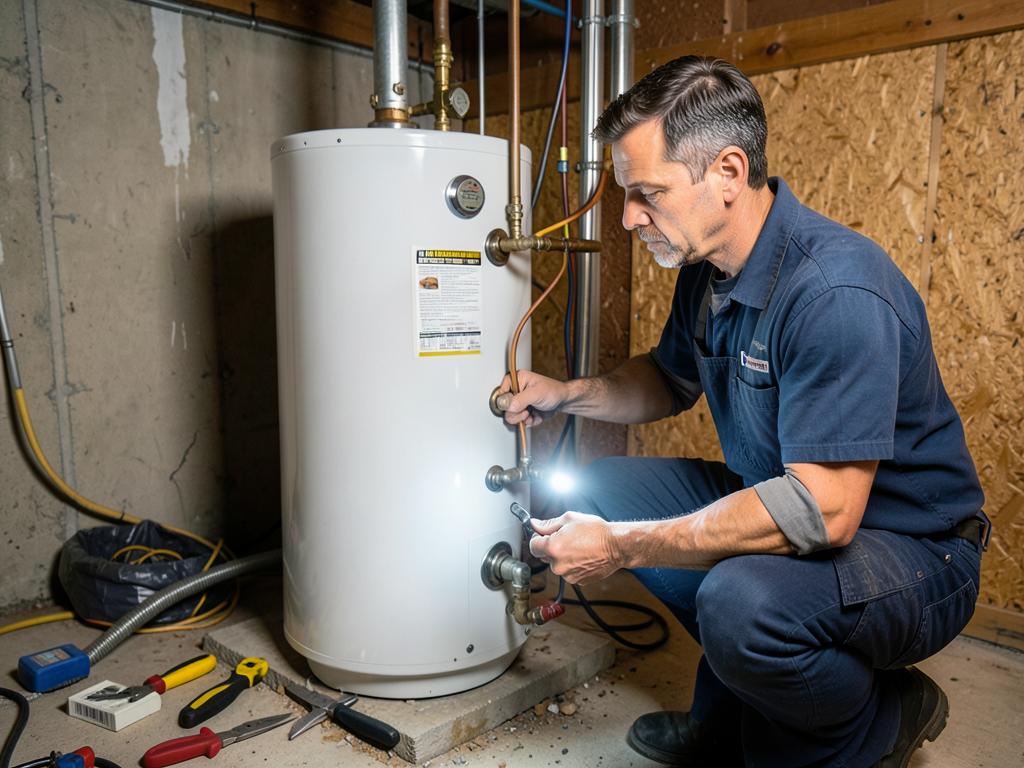
Water heater sediment flush
Milwaukee’s hard water creates sediment buildup that reduces your water heater’s efficiency by up to 50%. Drain and flush your tank to remove mineral deposits. Turn off power or gas, connect a garden hose to the drain valve, and flush until the water runs clear. This simple task extends your water heater’s life by years. Reliable Milwaukee sump pump repair services to keep your basement dry.
Winter protection: Surviving the deep freeze
Butler residents know winter can bring temperatures below -20°F. When arctic air hits, your plumbing needs extra protection. These steps prevent catastrophic pipe bursts during the coldest months.
Maintaining proper indoor temperatures
Keep your thermostat at 55°F or higher even when you’re away. In Butler’s historic homes, cold spots near exterior walls can drop below freezing even when the main living area feels warm. Open cabinet doors under sinks to allow warm air circulation around pipes.
Monitoring for frozen pipe symptoms
Watch for reduced water flow, which often indicates an ice blockage forming. If you suspect a frozen pipe, locate the affected area by feeling for extremely cold sections. Never use an open flame to thaw pipes. Instead, use a hair dryer on low heat, working from the faucet toward the coldest section.
Sump pump battery backup testing
Winter thaws combined with frozen ground create perfect conditions for basement flooding. Test your sump pump by pouring water into the pit until the float triggers the pump. Check that the discharge line is clear and extends at least 10 feet from your foundation. Replace backup batteries that are more than two years old.
Spring revival: Recovery and inspection
As Butler emerges from winter, your plumbing system needs thorough inspection. Snowmelt and spring rains test every component, especially in our area’s clay-heavy soil that retains water near foundations.
Sump pump performance verification
Spring is when sump pumps work hardest. Pour five gallons of water into the pit and verify the pump activates quickly, pumps efficiently, and shuts off properly. Listen for unusual noises that might indicate bearing wear. The Milwaukee Metropolitan Sewerage District reports that 70% of spring flooding calls involve failed sump pumps.
Outdoor hose bib leak detection
Winter can crack outdoor faucets without visible signs. Turn on each hose bib and check for drips at the handle, spout, and where it connects to the wall. Even tiny leaks waste hundreds of gallons annually and can cause foundation damage in Butler’s expansive clay soil.
Foundation drainage assessment
Walk around your home during a heavy rain to check for water pooling near the foundation. Proper grading should direct water away at a 1-inch drop per foot for the first 6 feet. Clean debris from window wells and ensure downspout extensions direct water at least 6 feet from your foundation.
Water pressure testing
Winter can damage pressure regulators. Use a pressure gauge on an outdoor spigot to verify pressure stays between 40-60 psi. Higher pressure strains pipes and fixtures, while low pressure indicates potential leaks or mineral buildup in your system.
Summer efficiency: Peak performance maintenance
Summer in Butler brings humidity and increased water usage. Your plumbing faces different challenges as families use more water for gardening, pools, and outdoor activities.
Water heater temperature adjustment
Lower your water heater temperature from the standard 140°F to 120°F. This prevents scalding, saves energy, and reduces mineral buildup. The EPA estimates this simple adjustment can save 6-10% on water heating costs annually.
Garbage disposal cleaning and sharpening
Summer brings more food waste through your disposal. Clean it by grinding ice cubes with citrus peels to sharpen blades and eliminate odors. Avoid putting fibrous vegetables, coffee grounds, or grease down the disposal, as these cause 90% of disposal failures.
Washing machine hose inspection
Check washing machine hoses for bulges, cracks, or leaks. Standard rubber hoses fail catastrophically after about five years. Replace them with stainless steel braided hoses that last 10+ years and prevent the flooding that occurs when rubber hoses burst.
Water softener maintenance
Butler’s water contains high mineral content that requires proper softener function. Check salt levels and clean the brine tank of any salt bridges or mushing. Test water hardness to ensure your system regenerates properly. Softened water prevents scale buildup that reduces pipe diameter and fixture efficiency.
Indoor plumbing system inspection
Regular indoor inspections catch problems before they become emergencies. These checks take less than an hour but can prevent thousands in damage.
Toilet leak detection dye test
Place a few drops of food coloring in your toilet tank and wait 30 minutes without flushing. If color appears in the bowl, you have a silent leak that wastes up to 200 gallons daily. The flapper valve is usually the culprit and costs less than $10 to replace.
Showerhead and faucet aerator descaling
Soak aerators and showerheads in vinegar for one hour to dissolve mineral deposits. This restores proper flow and prevents the pressure loss that makes showers feel weak. Hard water deposits reduce flow by up to 75% over five years without maintenance.
P-trap maintenance and odor prevention
P-traps prevent sewer gases from entering your home. Run water in rarely used sinks and floor drains to refill evaporated traps. If you notice sewage odors, check all P-traps for proper water seals. In Butler’s older homes, dry P-traps are the leading cause of indoor sewer gas complaints.
Shut-off valve functionality test
Locate and test every shut-off valve in your home, including the main water valve. Valves that haven’t been used in years often seize or leak when finally operated during an emergency. Replace any valve that feels sticky or shows signs of corrosion.. Read more about Emergency well pump repair and replacement services in Muskego.
Major appliance care for longevity
Your water-using appliances represent significant investments. Proper maintenance prevents premature failure and improves efficiency.. Read more about Why smart leak detectors are the best investment for Historic Third Ward condo owners.
Water heater anode rod inspection
The anode rod sacrifices itself to prevent tank corrosion. Check it annually by turning off power and water, then unscrewing the rod. If it’s less than 1/2 inch thick or heavily corroded, replace it. This $30 part can double your water heater’s lifespan.
Dishwasher drain and filter cleaning
Remove and clean the dishwasher filter monthly. Check the drain hose for kinks or clogs that cause poor drainage and unpleasant odors. Run an empty cycle with vinegar to clean internal components and prevent mineral buildup that reduces cleaning efficiency.
Ice maker supply line check
Inspect the flexible supply line to your refrigerator’s ice maker. These lines often develop small leaks that go unnoticed until major damage occurs. Consider replacing standard plastic lines with copper or braided stainless steel for better reliability.
Milwaukee-specific plumbing considerations
Butler’s location in Milwaukee County presents unique plumbing challenges. Understanding these factors helps you make informed maintenance decisions.
Lead service line identification
Many Butler homes built before 1950 have lead water service lines. Check your water meter location and the pipe material entering your basement. Lead pipes are dull gray and won’t stick to a magnet. Milwaukee’s Lead Service Line Replacement Program offers assistance for qualifying homeowners. The EPA mandates lead levels below 15 parts per billion in municipal water systems.
Hard water impact on fixtures
Lake Michigan water has a hardness of 8-9 grains per gallon, causing significant mineral buildup. This scale reduces water flow, increases energy costs, and shortens appliance life. Installing a water softener can reduce soap usage by 50% and prevent scale that reduces pipe efficiency by up to 30%.
Combined sewer overflow awareness
Older sections of Butler may have combined sewer systems where stormwater and sewage share pipes. During heavy rains, these systems can back up. Installing a backwater valve, required by Milwaukee code in certain areas, prevents sewage from flowing back into your home during system overloads.
When to call a professional
While many maintenance tasks are DIY-friendly, certain situations require professional expertise. Knowing when to call prevents minor issues from becoming major disasters.
Sump pump failure signs
If your sump pump runs constantly, makes unusual noises, or fails to activate during testing, call immediately. A failed sump pump during a storm can cause thousands in damage within hours. Professional repair costs $150-300 versus potential flood damage exceeding $10,000.
Sewer line backing up
Gurgling drains, multiple clogged fixtures, or sewage odors indicate main sewer line problems. These issues often require camera inspection and professional cleaning or repair. Tree roots infiltrate sewer lines in Butler’s mature neighborhoods, causing 60% of mainline blockages.
Water heater pilot light issues
If your gas water heater’s pilot light won’t stay lit or produces a yellow flame instead of blue, call a professional. These symptoms indicate dangerous combustion problems that can produce carbon monoxide. The Wisconsin Department of Safety and Professional Services requires licensed plumbers for gas appliance repairs.
Creating your maintenance schedule
Consistency is key to effective plumbing maintenance. Create a schedule that spreads tasks throughout the year to make them manageable.
Monthly quick checks
Once monthly, check for visible leaks under sinks, around toilets, and near appliances. Test all shut-off valves by turning them off and on. Listen for running toilets or dripping faucets. These five-minute checks catch 80% of developing problems.. Read more about Comparing the best low flow toilets for North Shore homeowners who want to save on water.
Quarterly deep dives
Every three months, perform more thorough inspections. Check water pressure, clean faucet aerators, test sump pump operation, and inspect washing machine hoses. This quarterly routine prevents the cascade failures that turn small problems into emergencies.
Annual professional inspection
Schedule a professional plumber to inspect your entire system annually. They can identify hidden issues, test water quality, and verify code compliance. Many plumbers offer maintenance agreements that include annual inspections at discounted rates.
Emergency preparedness
Even with excellent maintenance, emergencies happen. Being prepared minimizes damage when they do.
Main shut-off valve location and operation
Every household member should know where the main water shut-off valve is located and how to operate it. Test it annually to ensure it turns easily. In Butler’s older homes, the main valve is often in the basement near where the water line enters the house.
Emergency contact information
Post emergency numbers near your main water valve. Include your plumber’s 24/7 number, the water utility emergency line, and local emergency services. Store these numbers in your phone as well. When water is gushing, you won’t want to search for contact information.
Basic repair kit
Keep essential plumbing supplies on hand: plumber’s tape, adjustable wrench, plunger, pipe repair clamp, and replacement washers. These items allow you to make temporary repairs that prevent further damage until professional help arrives.
Benefits of proactive maintenance
Investing time in seasonal maintenance pays dividends through improved efficiency, extended equipment life, and prevented emergencies.
Cost savings analysis
Regular maintenance typically costs $200-300 annually but prevents repairs averaging $1,500-2,000. Beyond direct savings, efficient systems reduce utility bills by 10-30%. A well-maintained water heater uses 20-30% less energy than a neglected one.
Property value protection
Plumbing problems are major red flags for home inspectors and buyers. A documented maintenance history demonstrates responsible homeownership and can prevent price reductions during sales negotiations. Many insurance companies offer premium discounts for homes with documented plumbing maintenance.
Environmental impact
Fixing leaks and improving efficiency conserves water and reduces energy consumption. The EPA’s WaterSense program estimates that fixing easily corrected household water leaks saves nearly 1 trillion gallons annually nationwide. Your efforts contribute to this larger conservation impact.
Conclusion: Your plumbing system deserves attention
Your home’s plumbing system works tirelessly year-round, facing Milwaukee’s harshest conditions. Seasonal maintenance isn’t just about preventing emergencies—it’s about protecting your investment, saving money, and ensuring your family’s comfort and safety.
By following this comprehensive checklist, Butler homeowners can avoid the stress and expense of unexpected plumbing failures. The small time investment in regular maintenance prevents the major headaches that come from neglect.
Remember that some tasks require professional expertise. When in doubt, call a licensed plumber who understands Butler’s unique plumbing challenges. Your home’s plumbing system is too important to leave to chance.
Ready to protect your Butler home? Call (414) 375-7955 today to schedule your professional plumbing inspection. Don’t wait for an emergency to discover problems—preventive maintenance is always less expensive than emergency repairs.
Frequently Asked Questions
How often should I flush my water heater in Butler?
Flush your water heater annually to remove sediment buildup from Milwaukee’s hard water. Homes with extremely hard water may benefit from biannual flushing. This simple task can extend your water heater’s life by 3-5 years and improve efficiency by up to 30%.
What’s the best way to prevent frozen pipes in Butler’s historic homes?
Insulate all accessible pipes, especially those near exterior walls. Keep cabinet doors open during extreme cold, maintain indoor temperatures above 55°F, and consider installing heat tape on vulnerable pipes. For homes with crawl spaces, close foundation vents in winter and consider adding insulation to the crawl space walls.
How can I tell if my Butler home has lead water service lines?
Check the pipe material where the water line enters your basement. Lead pipes are dull gray, soft enough to scratch with a screwdriver, and won’t stick to a magnet. If you’re unsure, contact the Milwaukee Water Works for inspection assistance. Lead service lines were commonly installed in homes built before 1950.
What should I do if my sump pump fails during a storm?
First, locate and operate your main water shut-off valve if the failure involves a plumbing fixture. For sump pump failures, use a wet vacuum to remove standing water and call an emergency plumber immediately. Keep a battery-powered pump as backup, and never enter a flooded basement if water has reached electrical outlets.
How much does professional plumbing maintenance cost in Butler?
Professional maintenance inspections typically cost $150-300 and include system testing, leak detection, and efficiency assessment. Many plumbers offer annual maintenance agreements ranging from $250-400 that include two inspections and priority service. This investment prevents repairs averaging $1,500-2,000 and extends system life by years.
Still have questions? Pick up the phone and call (414) 375-7955 before the next storm hits. Our Butler plumbing experts are ready to help protect your home from costly water damage.
{
“@context”: “https://schema.org”,
“@type”: “BlogPosting”,
“headline”: “A seasonal plumbing maintenance checklist for every homeowner in Butler”,
“description”: “Protect your Butler home from costly plumbing damage with our seasonal maintenance checklist. Learn Milwaukee-specific tips for winterizing pipes, sump pump care, and more.”,
“wordCount”: 2717,
“datePublished”: “2026-03-18T07:52:00.000Z”,
“dateModified”: “2026-03-18T07:52:00.000Z”,
“inLanguage”: “en-US”,
“mainEntityOfPage”: {
“@type”: “WebPage”,
“@id”: “https://eliteplumbingmilwaukee.com”
},
“publisher”: {
“@type”: “LocalBusiness”,
“name”: “Elite Plumbing Milwaukee”,
“url”: “https://eliteplumbingmilwaukee.com”
},
“author”: {
“@type”: “Organization”,
“name”: “Elite Plumbing Milwaukee”,
“url”: “https://eliteplumbingmilwaukee.com”
},
“image”: {
“@type”: “ImageObject”,
“url”: “https://eliteplumbingmilwaukee.com/wp-content/uploads/2026/03/a-seasonal-plumbing-maintenance-checklist-for-ever-1.png”
}
}
{
“@context”: “https://schema.org”,
“@type”: “Plumber”,
“name”: “Elite Plumbing Milwaukee”,
“url”: “https://eliteplumbingmilwaukee.com”,
“address”: {
“@type”: “PostalAddress”,
“addressLocality”: “Milwaukee”
},
“areaServed”: {
“@type”: “City”,
“name”: “Milwaukee”
}
}
{
“@context”: “https://schema.org”,
“@type”: “FAQPage”,
“mainEntity”: [
{
“@type”: “Question”,
“name”: “How often should I flush my water heater in Butler?”,
“acceptedAnswer”: {
“@type”: “Answer”,
“text”: “Flush your water heater annually to remove sediment buildup from Milwaukee’s hard water. Homes with extremely hard water may benefit from biannual flushing. This simple task can extend your water heater’s life by 3-5 years and improve efficiency by up to 30%.”
}
},
{
“@type”: “Question”,
“name”: “What’s the best way to prevent frozen pipes in Butler’s historic homes?”,
“acceptedAnswer”: {
“@type”: “Answer”,
“text”: “Insulate all accessible pipes, especially those near exterior walls. Keep cabinet doors open during extreme cold, maintain indoor temperatures above 55°F, and consider installing heat tape on vulnerable pipes. For homes with crawl spaces, close foundation vents in winter and consider adding insulation to the crawl space walls.”
}
},
{
“@type”: “Question”,
“name”: “How can I tell if my Butler home has lead water service lines?”,
“acceptedAnswer”: {
“@type”: “Answer”,
“text”: “Check the pipe material where the water line enters your basement. Lead pipes are dull gray, soft enough to scratch with a screwdriver, and won’t stick to a magnet. If you’re unsure, contact the Milwaukee Water Works for inspection assistance. Lead service lines were commonly installed in homes built before 1950.”
}
},
{
“@type”: “Question”,
“name”: “What should I do if my sump pump fails during a storm?”,
“acceptedAnswer”: {
“@type”: “Answer”,
“text”: “First, locate and operate your main water shut-off valve if the failure involves a plumbing fixture. For sump pump failures, use a wet vacuum to remove standing water and call an emergency plumber immediately. Keep a battery-powered pump as backup, and never enter a flooded basement if water has reached electrical outlets.”
}
},
{
“@type”: “Question”,
“name”: “How much does professional plumbing maintenance cost in Butler?”,
“acceptedAnswer”: {
“@type”: “Answer”,
“text”: “Professional maintenance inspections typically cost $150-300 and include system testing, leak detection, and efficiency assessment. Many plumbers offer annual maintenance agreements ranging from $250-400 that include two inspections and priority service. This investment prevents repairs averaging $1,500-2,000 and extends system life by years.”
}
}
]
}
{
“@context”: “https://schema.org”,
“@type”: “BreadcrumbList”,
“itemListElement”: [
{
“@type”: “ListItem”,
“position”: 1,
“name”: “Home”,
“item”: “https://eliteplumbingmilwaukee.com”
},
{
“@type”: “ListItem”,
“position”: 2,
“name”: “Blog”,
“item”: “https://eliteplumbingmilwaukee.com/blog”
},
{
“@type”: “ListItem”,
“position”: 3,
“name”: “A seasonal plumbing maintenance checklist for every homeowner in Butler”
}
]
}
{
“@context”: “https://schema.org”,
“@type”: “Service”,
“serviceType”: “Plumbing”,
“provider”: {
“@type”: “LocalBusiness”,
“name”: “Elite Plumbing Milwaukee”,
“url”: “https://eliteplumbingmilwaukee.com”
},
“areaServed”: {
“@type”: “City”,
“name”: “Milwaukee”
},
“description”: “Protect your Butler home from costly plumbing damage with our seasonal maintenance checklist. Learn Milwaukee-specific tips for winterizing pipes, sump pump care, and more.”
}