
Choosing between a pedestal sink and a vanity for a small Yankee Hill powder room
Small bathrooms in Yankee Hill condos and historic homes create a classic design dilemma: pedestal sink for open space or vanity for storage. The right choice depends on your square footage, plumbing layout, and how you use the space. This guide breaks down the technical trade-offs so you can make a confident decision before your Milwaukee bathroom remodel begins. Reliable Milwaukee sump pump repair services to keep your basement dry.
Space efficiency showdown: how much floor do you really need
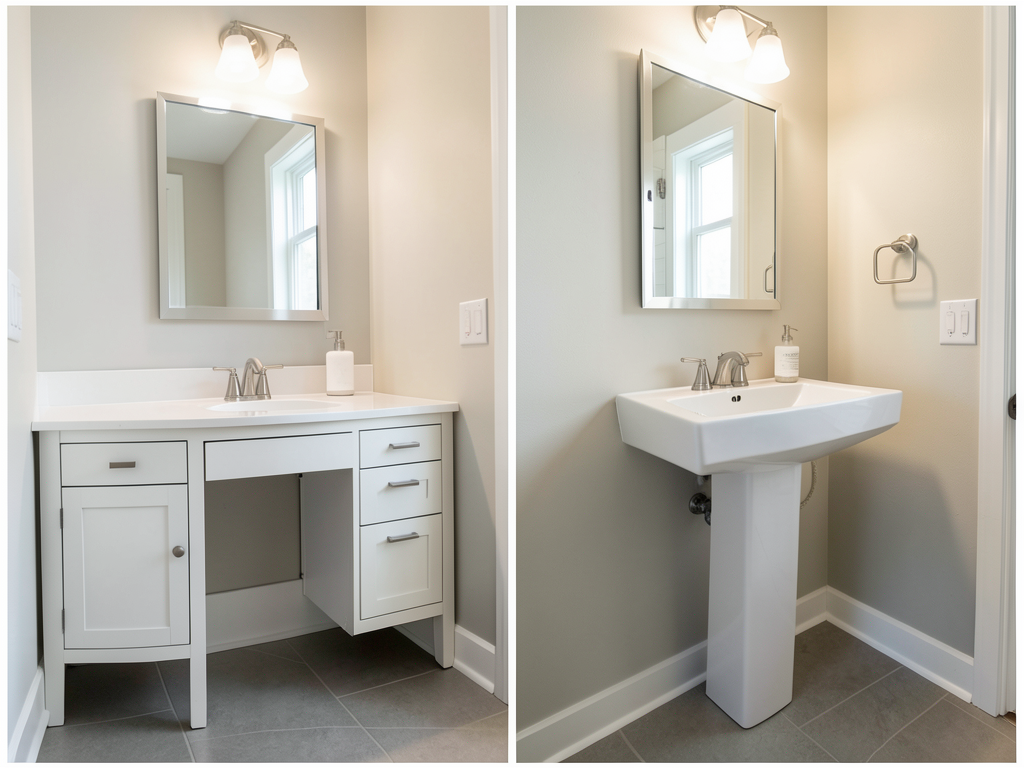
A pedestal sink typically measures 20-24 inches wide and extends 15-18 inches from the wall. The open space beneath creates visual breathing room but offers zero storage. A standard 24-inch vanity with a single sink occupies roughly the same footprint but adds 4-6 inches of depth for cabinetry. In a 30-square-foot powder room, that difference matters.
Yankee Hill’s historic walk-up apartments often feature bathrooms carved from former closets or hallways. These spaces rarely exceed 25-35 square feet. A pedestal sink can make a cramped room feel larger by exposing more floor area. However, if you need to store extra toilet paper, cleaning supplies, or guest toiletries, a vanity’s hidden storage becomes essential.
Consider traffic flow. A pedestal requires at least 21 inches of clear space in front per Wisconsin plumbing code (SPS 382.20). A vanity needs the same clearance but also requires door swing space if it has cabinet doors. In narrow Yankee Hill bathrooms, a pedestal’s rounded profile may navigate corners better than a square vanity. Wisconsin Plumbing Code.
Plumbing realities: exposed vs. hidden infrastructure
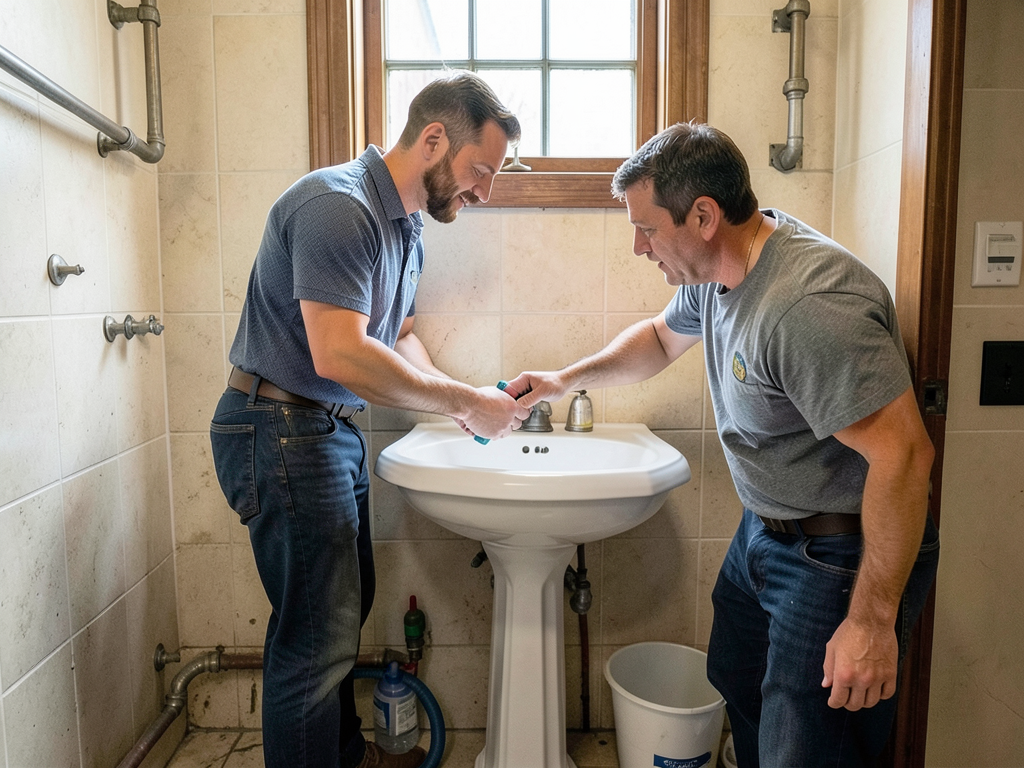
Here’s where most homeowners stumble. A pedestal sink requires supply lines and P-trap to be concealed within the wall or floor. If your existing bathroom has a standard vanity rough-in, switching to a pedestal often means opening walls to relocate plumbing. This adds $300-500 in labor to your project.
Older Yankee Hill buildings constructed before 1960 may have cast iron drain stacks with limited modification options. Moving a P-trap connection in these systems requires cutting into the stack and installing a new sanitary tee. The work must meet Milwaukee Municipal Code Section 11-4-1410 for proper venting and slope. Professional drain cleaning in Shorewood for stubborn kitchen clogs.
A vanity hides all plumbing connections inside the cabinet. Supply lines run through drilled holes in the back panel. The P-trap sits beneath the sink basin, accessible for future maintenance. This setup works with virtually any existing rough-in configuration, making it the safer choice for quick remodels.
Hard water in Milwaukee (Lake Michigan source) creates another consideration. Mineral buildup on exposed chrome supply lines under a pedestal can look unsightly within months. A vanity keeps these connections hidden from view. The best options for water heater replacement in Wauwatosa.
Storage capacity: what fits where
A 24-inch vanity typically offers 8-12 cubic feet of storage. Drawers accommodate small items like cosmetics and medications. Cabinets hold larger objects like cleaning products and extra towels. The average pedestal provides zero storage—everything must sit on the countertop or nearby shelves.
For Yankee Hill powder rooms used by guests, storage needs vary. If the bathroom serves as a guest half-bath, you might only need space for spare toilet paper and hand towels. A pedestal with a nearby wall-mounted cabinet could suffice. If it’s the only bathroom in a small condo, storage becomes critical.
Consider vertical storage alternatives. Wall-mounted cabinets above a pedestal sink can reclaim some lost storage. However, these protrude 12-15 inches into the room and may make an already small space feel claustrophobic. The 8-foot ceilings common in Yankee Hill’s historic buildings can accommodate tall storage, but reaching upper shelves becomes awkward.
Material durability and maintenance in Milwaukee conditions
Pedestal sinks typically feature vitreous china, the same material used in toilets. This non-porous surface resists staining and cleans easily with mild soap. The smooth curves eliminate dirt-trapping corners. However, the exposed plumbing underneath collects dust and requires occasional cleaning.
Vanity tops come in various materials. Laminate offers affordability but can delaminate in humid conditions. Solid surface materials like quartz resist moisture but cost $500-800 for a small vanity top. Cultured marble provides a middle ground at $250-400 but can develop hairline cracks over time.
Milwaukee’s seasonal humidity swings affect both options differently. A pedestal’s open design allows air circulation, reducing moisture buildup. A vanity’s enclosed cabinet can trap humidity, potentially causing wood swelling or mildew if ventilation is poor. Installing a small vent or leaving cabinet doors slightly ajar during showers helps.
Floor-mounted vanities in older Yankee Hill buildings may experience minor shifting due to the area’s clay soil composition. This movement can stress caulk lines and cause separation over time. Wall-mounted vanities eliminate floor contact but require secure blocking in the wall studs. EPA WaterSense standards.
Installation complexity and labor costs in Milwaukee
Installing a pedestal sink in a new location requires these steps: rough-in plumbing modification ($300-500), wall patching and painting ($150-250), mounting bracket installation ($100-150), and final connections ($100-200). Total: $650-1,100.
Replacing a vanity with another vanity involves: removing old unit ($100-150), installing new vanity and top ($200-300), connecting plumbing ($100-150), and minor touch-up work ($50-100). Total: $450-700.
Switching from vanity to pedestal in an existing bathroom often uncovers hidden issues. Rotted subfloor around old plumbing requires repair ($200-400). Wall damage from vanity removal needs patching ($150-250). These surprises can push costs toward the higher end of estimates.
Permits may be required for plumbing modifications under Milwaukee Municipal Code. Simple vanity swaps rarely need permits, but moving drain lines or supply connections typically does. Permit fees range from $75-150 depending on project scope.
Resale value considerations for Milwaukee real estate
Milwaukee homebuyers in 2026 show strong preferences for storage in bathrooms, even small ones. A well-designed vanity can increase perceived value by $500-1,000 in a condo sale. Pedestals appeal to buyers seeking modern, minimalist aesthetics but may reduce functionality scores in home appraisals.
In Yankee Hill’s competitive condo market, storage often trumps aesthetics for first-time buyers. Young professionals moving from apartments prioritize cabinet space for toiletries and cleaning supplies. Empty nesters downsizing may prefer the open feel of a pedestal for guest bathrooms.
Consider your ownership timeline. If selling within two years, a vanity likely offers better return on investment. If staying long-term, choose based on your daily needs rather than hypothetical buyer preferences.
Design integration with existing fixtures
Your choice must coordinate with existing elements. A chrome faucet on a pedestal sink creates a cohesive look with chrome shower fixtures. A brushed nickel vanity top matches brushed nickel towel bars and lighting.
Yankee Hill’s historic condos often feature original hex tile floors or subway tile walls. A pedestal sink’s classic design complements these traditional elements. Modern floating vanities can clash with historic architecture unless carefully selected.
Lighting placement affects both options differently. A pedestal requires careful planning to avoid casting shadows on the mirror. Vanities with integrated lighting or sconces on either side provide better task lighting for daily grooming.
Mirror size and mounting also matter. A large mirror above a vanity creates a focal point and makes the room feel larger. Above a pedestal, the mirror must be sized to avoid looking disproportionate to the sink’s smaller scale.
Cost comparison breakdown
| Feature | Pedestal Sink | Vanity |
|---|---|---|
| Material Cost | $200-500 | $300-800 |
| Installation Labor | $300-500 | $200-300 |
| Total Project Cost | $500-1,000 | $500-1,100 |
| Storage Capacity | 0 cubic feet | 8-12 cubic feet |
| Floor Space Saved | 2-4 square feet | 0 |
| Resale Impact | Neutral to -2% | +1-3% |
Making your final decision
Choose a pedestal sink if you prioritize: open floor space, classic design, easy cleaning, and minimal storage needs. This option works best in guest bathrooms, half-baths, or when the room measures under 30 square feet.
Choose a vanity if you need: storage for daily essentials, flexible plumbing options, better lighting integration, or plan to sell within a few years. This option suits primary bathrooms, small condos where storage is premium, or when existing plumbing favors this setup.
Before deciding, measure your exact space and inventory your storage needs. A simple test: gather all items you’d store in the bathroom and see if they fit on a 24×18-inch surface. If not, a vanity becomes necessary regardless of aesthetic preferences.
Consider a hybrid approach: wall-mounted vanities provide storage while exposing more floor space than traditional floor-mounted units. These cost $100-200 more than standard vanities but offer the best of both worlds for small bathrooms.
Professional installation considerations
Proper installation prevents future problems. Pedestal sinks require precise leveling—even 1/8-inch tilt causes water pooling. The mounting bolts must hit wall studs or solid blocking. Hollow wall anchors alone cannot support the weight long-term.
Vanity installation demands level flooring. Shim any uneven spots before setting the cabinet. Silicone caulk along the back edge prevents moisture intrusion behind the cabinet. Connect supply lines with quarter-turn shutoff valves for easy future maintenance.
Both options require proper P-trap installation. The trap must maintain a water seal while allowing adequate drainage flow. Incorrect venting causes slow drains and gurgling sounds. A licensed Milwaukee plumber ensures compliance with Wisconsin plumbing codes.
Water pressure in older Yankee Hill buildings sometimes fluctuates. Install pressure-reducing valves if readings exceed 80 PSI. High pressure stresses faucet cartridges and supply line connections, leading to premature leaks.
Maintenance tips for long-term performance
Clean vitreous china weekly with non-abrasive cleaners. Avoid bleach-based products that can damage chrome finishes. For vanities, wipe spills immediately to prevent water damage to cabinet interiors.
Check supply line connections annually. Hand-tighten any loose compression fittings. Replace supply lines every 5-7 years as preventive maintenance. The rubber washers inside degrade over time, especially in Milwaukee’s hard water conditions.
Inspect caulk lines quarterly. Deteriorating caulk allows water infiltration behind walls or under cabinets. Remove old caulk completely before applying fresh silicone. Use mildew-resistant caulk in bathrooms for better longevity.
Test drain flow monthly. Slow drainage indicates partial clogs forming in the P-trap or branch drain. Address issues early with a Zip-It tool or enzymatic cleaner before requiring professional service.
Frequently Asked Questions
Can I install a pedestal sink myself to save money?
DIY installation is possible if you have plumbing experience, but moving supply lines and drains often requires permits. Mistakes can cause water damage costing far more than professional installation. For most homeowners, hiring a licensed plumber ensures code compliance and prevents costly errors.
How do I maximize storage with a pedestal sink?
Add wall-mounted cabinets above the toilet or adjacent walls. Use over-the-toilet shelving units. Install recessed medicine cabinets between wall studs. Consider a pedestal sink with a matching half-ledge on one side for small items. Rolling storage carts can fit in narrow spaces beside the sink.
Which option works better for small children or elderly users?
Vanities provide better stability for children learning to wash hands and offer storage for step stools. For elderly users, vanities with lever-handled faucets are easier to operate. However, pedestal sinks’ open space beneath allows wheelchair access if properly planned. Consider user needs carefully before deciding. Dripping Faucets & Leaks.
How long does each installation typically take?
Replacing a vanity with another vanity takes 2-4 hours for an experienced plumber. Installing a new pedestal sink, especially with plumbing modifications, requires 4-8 hours. Factor in additional time for wall repairs, painting, or unforeseen issues common in older Yankee Hill buildings.
Will a pedestal sink increase my home’s value?
Pedestal sinks rarely increase home value and may slightly decrease it in Milwaukee’s current market where storage is prioritized. Vanities with good storage typically add $500-1,000 in perceived value. Choose based on your needs rather than investment potential unless selling within 12 months.
Ready to upgrade your Yankee Hill bathroom? Call (414) 375-7955 today to schedule your inspection. Our Milwaukee plumbing experts will evaluate your space, discuss your storage needs, and recommend the perfect solution for your home. Don’t wait until a small decision becomes a big problem.
Pick up the phone and call (414) 375-7955 before the next storm hits. We’re standing by to help you make the right choice for your small bathroom remodel.
{
“@context”: “https://schema.org”,
“@type”: “BlogPosting”,
“headline”: “Choosing between a pedestal sink and a vanity for a small Yankee Hill powder room”,
“description”: “Compare pedestal sinks vs vanities for Yankee Hill’s small powder rooms. Learn space-saving options, plumbing requirements, and local Milwaukee installation costs.”,
“wordCount”: 2016,
“datePublished”: “2026-04-23T09:54:00.000Z”,
“dateModified”: “2026-04-23T09:54:00.000Z”,
“inLanguage”: “en-US”,
“mainEntityOfPage”: {
“@type”: “WebPage”,
“@id”: “https://eliteplumbingmilwaukee.com”
},
“publisher”: {
“@type”: “LocalBusiness”,
“name”: “Elite Plumbing Milwaukee”,
“url”: “https://eliteplumbingmilwaukee.com”
},
“author”: {
“@type”: “Organization”,
“name”: “Elite Plumbing Milwaukee”,
“url”: “https://eliteplumbingmilwaukee.com”
},
“image”: {
“@type”: “ImageObject”,
“url”: “https://eliteplumbingmilwaukee.com/wp-content/uploads/2026/03/choosing-between-a-pedestal-sink-and-a-vanity-for-1.png”
}
}
{
“@context”: “https://schema.org”,
“@type”: “Plumber”,
“name”: “Elite Plumbing Milwaukee”,
“url”: “https://eliteplumbingmilwaukee.com”,
“address”: {
“@type”: “PostalAddress”,
“addressLocality”: “Milwaukee”
},
“areaServed”: {
“@type”: “City”,
“name”: “Milwaukee”
}
}
{
“@context”: “https://schema.org”,
“@type”: “FAQPage”,
“mainEntity”: [
{
“@type”: “Question”,
“name”: “Can I install a pedestal sink myself to save money?”,
“acceptedAnswer”: {
“@type”: “Answer”,
“text”: “DIY installation is possible if you have plumbing experience, but moving supply lines and drains often requires permits. Mistakes can cause water damage costing far more than professional installation. For most homeowners, hiring a licensed plumber ensures code compliance and prevents costly errors.”
}
},
{
“@type”: “Question”,
“name”: “How do I maximize storage with a pedestal sink?”,
“acceptedAnswer”: {
“@type”: “Answer”,
“text”: “Add wall-mounted cabinets above the toilet or adjacent walls. Use over-the-toilet shelving units. Install recessed medicine cabinets between wall studs. Consider a pedestal sink with a matching half-ledge on one side for small items. Rolling storage carts can fit in narrow spaces beside the sink.”
}
},
{
“@type”: “Question”,
“name”: “Which option works better for small children or elderly users?”,
“acceptedAnswer”: {
“@type”: “Answer”,
“text”: “Vanities provide better stability for children learning to wash hands and offer storage for step stools. For elderly users, vanities with lever-handled faucets are easier to operate. However, pedestal sinks’ open space beneath allows wheelchair access if properly planned. Consider user needs carefully before deciding. Dripping Faucets & Leaks.”
}
},
{
“@type”: “Question”,
“name”: “How long does each installation typically take?”,
“acceptedAnswer”: {
“@type”: “Answer”,
“text”: “Replacing a vanity with another vanity takes 2-4 hours for an experienced plumber. Installing a new pedestal sink, especially with plumbing modifications, requires 4-8 hours. Factor in additional time for wall repairs, painting, or unforeseen issues common in older Yankee Hill buildings.”
}
},
{
“@type”: “Question”,
“name”: “Will a pedestal sink increase my home’s value?”,
“acceptedAnswer”: {
“@type”: “Answer”,
“text”: “Pedestal sinks rarely increase home value and may slightly decrease it in Milwaukee’s current market where storage is prioritized. Vanities with good storage typically add $500-1,000 in perceived value. Choose based on your needs rather than investment potential unless selling within 12 months.”
}
}
]
}
{
“@context”: “https://schema.org”,
“@type”: “BreadcrumbList”,
“itemListElement”: [
{
“@type”: “ListItem”,
“position”: 1,
“name”: “Home”,
“item”: “https://eliteplumbingmilwaukee.com”
},
{
“@type”: “ListItem”,
“position”: 2,
“name”: “Blog”,
“item”: “https://eliteplumbingmilwaukee.com/blog”
},
{
“@type”: “ListItem”,
“position”: 3,
“name”: “Choosing between a pedestal sink and a vanity for a small Yankee Hill powder room”
}
]
}
{
“@context”: “https://schema.org”,
“@type”: “Service”,
“serviceType”: “Plumbing”,
“provider”: {
“@type”: “LocalBusiness”,
“name”: “Elite Plumbing Milwaukee”,
“url”: “https://eliteplumbingmilwaukee.com”
},
“areaServed”: {
“@type”: “City”,
“name”: “Milwaukee”
},
“description”: “Compare pedestal sinks vs vanities for Yankee Hill’s small powder rooms. Learn space-saving options, plumbing requirements, and local Milwaukee installation costs.”
}