
Choosing the right clawfoot tub fixtures for a historic restoration in Murray Hill
Murray Hill homeowners restoring historic bathrooms face unique challenges when selecting clawfoot tub fixtures. The neighborhood’s Victorian-era homes built between 1890 and 1920 feature original cast iron tubs that require specialized hardware to maintain architectural integrity while meeting modern plumbing standards. Understanding the technical specifications and Milwaukee-specific requirements ensures your restoration preserves both function and historical accuracy. Milwaukee Department of Neighborhood Services.
Understanding Vintage Clawfoot Tub Configurations
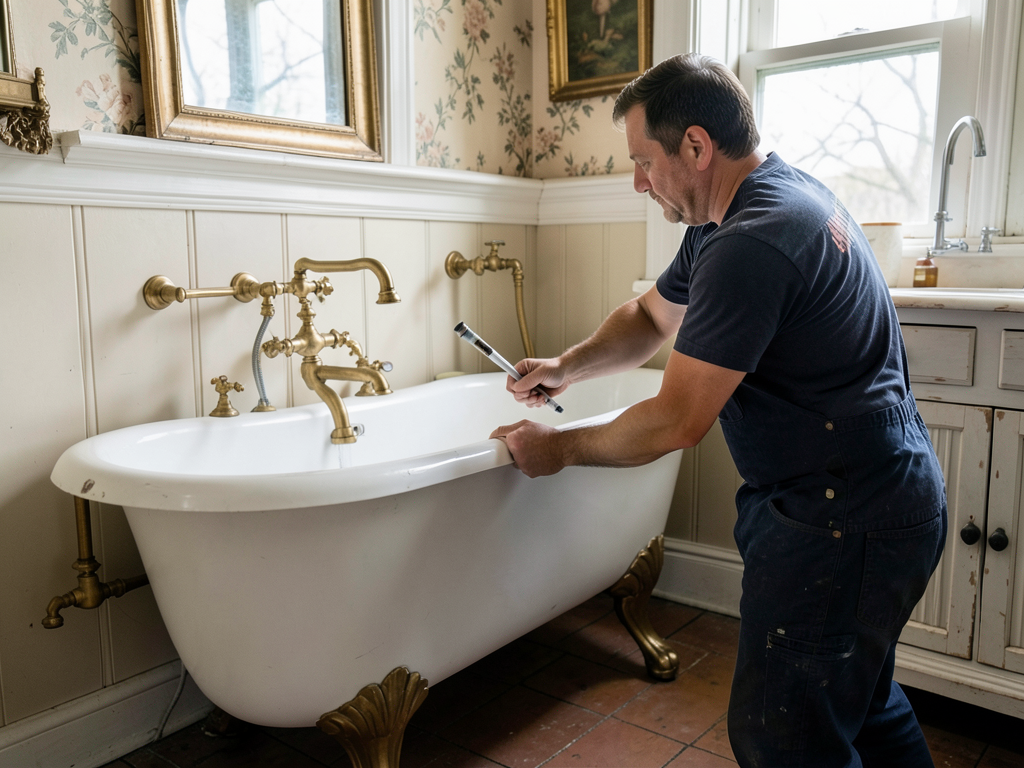
Historic Murray Hill homes typically feature three main clawfoot tub mounting styles. Wall-mounted fixtures attach to the bathroom wall with exposed plumbing pipes, deck-mounted sets install directly on the tub rim, and freestanding units stand independently with floor-mounted supply lines. Each configuration demands specific rough-in measurements and mounting hardware that differ significantly from contemporary tub installations. What to do if your pipes freeze during a Milwaukee cold snap.
The most common Murray Hill configuration involves 3-3/8 inch center-to-center spread for faucet holes, a measurement dating back to early 20th-century manufacturing standards. Modern replacements often use 7-inch or 8-inch spreads, making direct substitution impossible without extensive modification. Original tubs also feature thinner porcelain enamel coatings that chip easily during installation, requiring experienced handling techniques.. Read more about How to get a wedding ring out of the drain without ruining your Whitefish Bay plumbing.
Milwaukee Plumbing Code Compliance for Historic Renovations
Milwaukee’s Department of Neighborhood Services enforces specific requirements for historic plumbing renovations in Murray Hill. Section 25-24-8 of the Milwaukee Municipal Code mandates that all replacement fixtures meet current lead-free requirements while maintaining visual compatibility with original designs. This creates a unique challenge: sourcing modern lead-free brass components that appear historically accurate. EPA Lead-Free Plumbing Requirements.
The code also requires thermostatic mixing valves for all tub installations to prevent scalding, even in historic restorations. These valves must be installed within the wall cavity behind period-appropriate escutcheon plates. Murray Hill’s high water table and Lake Michigan-sourced water create additional considerations for corrosion resistance in exposed brass components. The best options for water heater replacement in Wauwatosa.
Material Selection for Authentic Period Appearance
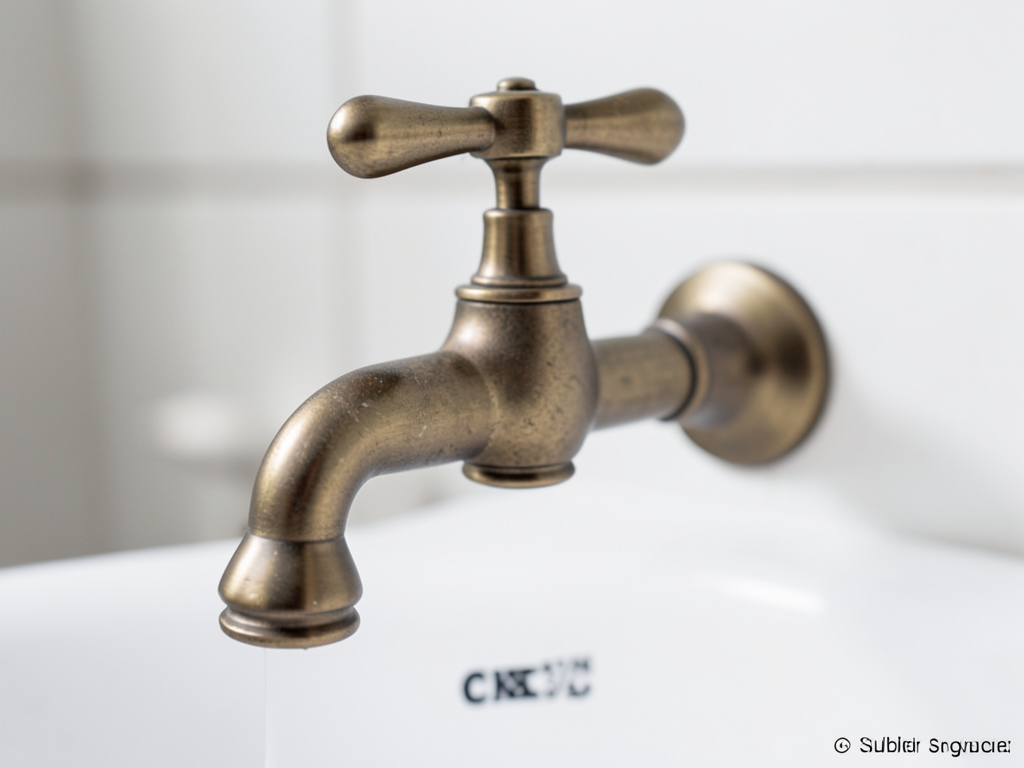
Period-correct finishes for Murray Hill’s Victorian and Edwardian homes include unlacquered brass, polished nickel, and oil-rubbed bronze. Unlacquered brass develops a natural patina over 6-12 months that matches original fixtures found in Murray Hill’s historic inventory. Polished nickel offers brighter reflection while maintaining vintage character, and oil-rubbed bronze provides deep contrast against white porcelain.
Modern reproductions often use thinner castings and inferior plating that deteriorates within 3-5 years. Authentic reproduction manufacturers employ investment casting techniques and multi-layer electroplating that withstand Milwaukee’s freeze-thaw cycles and high humidity. The weight difference between quality and economy fixtures becomes apparent during installation – premium units often weigh 30-40% more due to solid brass construction. Reliable Milwaukee sump pump repair services to keep your basement dry.
Common Restoration Challenges in Murray Hill Homes
Murray Hill’s aging infrastructure presents several restoration obstacles. Original lead supply lines require complete replacement with modern PEX or copper, but the transition must occur at accessible points to minimize wall demolition. Many Murray Hill homes feature galvanized steel drain lines with severe corrosion that restricts flow and causes recurring clogs. Professional drain cleaning in Shorewood for stubborn kitchen clogs.
Floor joists in homes built before 1920 often cannot support the weight of a full clawfoot tub with water and occupants. Structural reinforcement becomes necessary, particularly in homes with balloon framing common to Murray Hill’s architectural inventory. The weight distribution requires spreading loads across multiple joists using engineered support brackets.
Valve Technology: Balancing Authenticity and Safety
Modern thermostatic mixing valves provide precise temperature control within ±2°F, preventing the temperature fluctuations common in historic homes with aging water heaters. These valves install behind period-appropriate wall plates that maintain visual authenticity while delivering modern safety features. The technology prevents scalding when other fixtures are used simultaneously – a common occurrence in Murray Hill’s multi-generational households.
Pressure-balancing valves offer a more affordable alternative but lack the temperature precision of thermostatic units. Both types require specific mounting depths that may conflict with Murray Hill’s often-narrow wall cavities. Professional measurement and planning prevent costly modifications during installation.
Supply Line Considerations for Historic Installations
Floor-mounted supply lines provide the most authentic appearance for freestanding clawfoot tubs but require careful planning. Rigid supply lines offer superior durability compared to flexible connectors, particularly important in Murray Hill’s homes with foundation settling. The lines must include shut-off valves accessible for maintenance without requiring tub removal.
Supply line routing presents challenges in Murray Hill’s often-cramped mechanical spaces. Original floor cavities frequently contain multiple utility lines that complicate new installations. Professional routing minimizes conflicts with electrical wiring and HVAC ductwork while maintaining proper slope for drainage.
Overflow and Drain Assembly Compatibility
Historic clawfoot tubs use specific overflow and drain configurations that differ from modern units. The P-trap assembly must accommodate the tub’s height while maintaining proper venting to prevent sewer gas infiltration. Murray Hill’s combined sewer system in older areas requires additional considerations for proper drainage and backflow prevention. Signs You Need Sewer Repair.
Modern pop-up drain assemblies often conflict with original tub designs. Period-correct plunger-style drains provide authentic operation while meeting current code requirements. The drain flange must match the tub’s original finish or be completely concealed beneath period-appropriate escutcheon plates.
Professional Installation vs. DIY Considerations
Clawfoot tub installation requires specialized tools and expertise that most homeowners lack. The tubs weigh 200-400 pounds empty, with filled weight exceeding 1,000 pounds. Professional installers use specialized lifting equipment and floor protection systems that prevent damage to original hardwood flooring common in Murray Hill homes.
DIY installation risks include improper sealing that leads to water damage, incorrect valve installation causing leaks, and inadequate structural support creating safety hazards. Professional installation includes proper waterproofing membranes, code-compliant venting, and manufacturer warranty preservation.
Where to Source Authentic Period Fixtures in Milwaukee
Milwaukee’s architectural salvage community provides excellent sources for authentic clawfoot tub components. The Bay View neighborhood features several salvage yards specializing in Victorian-era plumbing fixtures. These establishments often carry original manufacturer’s markings and date stamps that verify authenticity for Murray Hill’s historic preservation requirements.
Specialty plumbing suppliers in the Historic Third Ward stock reproduction fixtures engineered to modern standards while maintaining period appearance. These suppliers understand Milwaukee’s specific water chemistry and can recommend finishes that resist the city’s hard water scale formation.
Maintenance Considerations for Restored Fixtures
Milwaukee’s hard water creates unique maintenance challenges for restored clawfoot tub fixtures. Mineral scale builds up on brass components, potentially damaging finishes if not addressed promptly. Regular cleaning with pH-neutral products prevents etching while preserving the fixture’s patina development.
Annual inspection of valve cartridges and seals prevents the slow leaks that cause extensive damage in historic homes. The inspection should include checking floor mounting hardware for loosening that occurs naturally over time due to thermal expansion and contraction.. Read more about What you should know about installing a radiant floor heating system in your New Berlin addition.
Cost Factors for Murray Hill Restoration Projects
Restoration costs vary significantly based on fixture selection and installation complexity. Authentic reproduction fixtures typically cost 40-60% more than economy alternatives but offer superior durability and accurate period appearance. Professional installation adds $800-1,200 to project costs but includes code compliance verification and warranty protection.
Additional costs may include floor reinforcement, supply line rerouting, and wall modifications to accommodate modern valve technology. These hidden costs often surprise homeowners who underestimate the complexity of historic plumbing renovations.
Energy Efficiency and Modern Upgrades
Modern low-flow aerators can be installed in period-correct faucets to reduce water consumption without altering appearance. These devices maintain the visual integrity of restored fixtures while meeting current water conservation standards. Tankless water heaters provide endless hot water for deep soaking tubs while reducing energy consumption compared to traditional tank-style heaters.
Insulation improvements around supply lines prevent heat loss and reduce wait times for hot water. This becomes particularly important in Murray Hill’s older homes with limited wall cavity space for modern insulation materials.
Historic Preservation Guidelines for Murray Hill
The Murray Hill Historic District guidelines require that exterior modifications maintain neighborhood character, but interior renovations have more flexibility. However, visible plumbing fixtures in restored bathrooms must maintain period-appropriate appearance to satisfy both code requirements and neighborhood aesthetic standards.
Documentation of original fixture locations and configurations helps maintain historical accuracy during restoration. Many Murray Hill homes retain original blueprints or renovation records that guide accurate reproduction of historic plumbing layouts.
Frequently Asked Questions
What’s the difference between authentic and reproduction clawfoot tub fixtures?
Authentic fixtures from the early 1900s feature solid brass construction, hand-finished details, and manufacturer-specific design elements. Reproductions use modern manufacturing techniques but replicate these details accurately. The primary difference lies in material thickness and plating durability, with quality reproductions often exceeding original specifications for modern use.
How do I know if my Murray Hill home’s plumbing can handle modern fixtures?
Professional inspection reveals the condition of existing supply lines, drain systems, and structural support. Homes built before 1950 often require complete supply line replacement due to lead content and corrosion. A licensed plumber can assess your specific situation and recommend appropriate upgrades.
Are there specific finishes that work better in Milwaukee’s climate?
Unlacquered brass develops a protective patina that resists corrosion in Milwaukee’s humid summers and freezing winters. Polished nickel offers excellent durability with moderate maintenance requirements. Oil-rubbed bronze provides superior corrosion resistance but may show water spots more readily in hard water conditions.
What’s the typical timeline for a complete clawfoot tub restoration?
Professional restoration typically requires 2-3 days for fixture selection and ordering, 1-2 days for demolition and preparation, and 2-3 days for installation and testing. Custom orders may extend timelines to 4-6 weeks depending on manufacturer availability and shipping schedules.
Professional Assessment and Planning
Successful clawfoot tub restoration begins with comprehensive assessment of existing conditions. Professional plumbers evaluate water pressure, supply line capacity, drain functionality, and structural support before recommending specific fixture options. This assessment prevents costly surprises during installation and ensures code compliance throughout the project.
Detailed planning includes fixture selection, finish coordination, and installation sequencing. Professional plumbers coordinate with other tradespeople when bathroom renovations involve multiple systems. This coordination prevents conflicts between plumbing, electrical, and finish work that could delay project completion.
Call (414) 375-7955 today to schedule your Murray Hill clawfoot tub restoration consultation. Our experienced team understands the unique challenges of historic plumbing renovations and can help you select fixtures that combine authentic period appearance with modern reliability and safety features.
{
“@context”: “https://schema.org”,
“@type”: “BlogPosting”,
“headline”: “Choosing the right clawfoot tub fixtures for a historic restoration in Murray Hill”,
“description”: “Expert guide to selecting authentic clawfoot tub fixtures for Murray Hill historic homes. Learn Milwaukee-specific plumbing requirements, vintage hardware options, and professional installation tips.”,
“wordCount”: 1714,
“datePublished”: “2026-05-18T07:36:00.000Z”,
“dateModified”: “2026-05-18T07:36:00.000Z”,
“inLanguage”: “en-US”,
“mainEntityOfPage”: {
“@type”: “WebPage”,
“@id”: “https://eliteplumbingmilwaukee.com”
},
“publisher”: {
“@type”: “LocalBusiness”,
“name”: “Elite Plumbing Milwaukee”,
“url”: “https://eliteplumbingmilwaukee.com”
},
“author”: {
“@type”: “Organization”,
“name”: “Elite Plumbing Milwaukee”,
“url”: “https://eliteplumbingmilwaukee.com”
},
“image”: {
“@type”: “ImageObject”,
“url”: “https://eliteplumbingmilwaukee.com/wp-content/uploads/2026/03/choosing-the-right-clawfoot-tub-fixtures-for-a-his-1.png”
}
}
{
“@context”: “https://schema.org”,
“@type”: “Plumber”,
“name”: “Elite Plumbing Milwaukee”,
“url”: “https://eliteplumbingmilwaukee.com”,
“address”: {
“@type”: “PostalAddress”,
“addressLocality”: “Milwaukee”
},
“areaServed”: {
“@type”: “City”,
“name”: “Milwaukee”
}
}
{
“@context”: “https://schema.org”,
“@type”: “FAQPage”,
“mainEntity”: [
{
“@type”: “Question”,
“name”: “What’s the difference between authentic and reproduction clawfoot tub fixtures?”,
“acceptedAnswer”: {
“@type”: “Answer”,
“text”: “Authentic fixtures from the early 1900s feature solid brass construction, hand-finished details, and manufacturer-specific design elements. Reproductions use modern manufacturing techniques but replicate these details accurately. The primary difference lies in material thickness and plating durability, with quality reproductions often exceeding original specifications for modern use.”
}
},
{
“@type”: “Question”,
“name”: “How do I know if my Murray Hill home’s plumbing can handle modern fixtures?”,
“acceptedAnswer”: {
“@type”: “Answer”,
“text”: “Professional inspection reveals the condition of existing supply lines, drain systems, and structural support. Homes built before 1950 often require complete supply line replacement due to lead content and corrosion. A licensed plumber can assess your specific situation and recommend appropriate upgrades.”
}
},
{
“@type”: “Question”,
“name”: “Are there specific finishes that work better in Milwaukee’s climate?”,
“acceptedAnswer”: {
“@type”: “Answer”,
“text”: “Unlacquered brass develops a protective patina that resists corrosion in Milwaukee’s humid summers and freezing winters. Polished nickel offers excellent durability with moderate maintenance requirements. Oil-rubbed bronze provides superior corrosion resistance but may show water spots more readily in hard water conditions.”
}
},
{
“@type”: “Question”,
“name”: “What’s the typical timeline for a complete clawfoot tub restoration?”,
“acceptedAnswer”: {
“@type”: “Answer”,
“text”: “Professional restoration typically requires 2-3 days for fixture selection and ordering, 1-2 days for demolition and preparation, and 2-3 days for installation and testing. Custom orders may extend timelines to 4-6 weeks depending on manufacturer availability and shipping schedules.”
}
}
]
}
{
“@context”: “https://schema.org”,
“@type”: “BreadcrumbList”,
“itemListElement”: [
{
“@type”: “ListItem”,
“position”: 1,
“name”: “Home”,
“item”: “https://eliteplumbingmilwaukee.com”
},
{
“@type”: “ListItem”,
“position”: 2,
“name”: “Blog”,
“item”: “https://eliteplumbingmilwaukee.com/blog”
},
{
“@type”: “ListItem”,
“position”: 3,
“name”: “Choosing the right clawfoot tub fixtures for a historic restoration in Murray Hill”
}
]
}
{
“@context”: “https://schema.org”,
“@type”: “Service”,
“serviceType”: “Plumbing”,
“provider”: {
“@type”: “LocalBusiness”,
“name”: “Elite Plumbing Milwaukee”,
“url”: “https://eliteplumbingmilwaukee.com”
},
“areaServed”: {
“@type”: “City”,
“name”: “Milwaukee”
},
“description”: “Expert guide to selecting authentic clawfoot tub fixtures for Murray Hill historic homes. Learn Milwaukee-specific plumbing requirements, vintage hardware options, and professional installation tips.”
}