
Choosing the Right Size of Sump Pump for a Deep Basement in Big Bend
Living in Big Bend means dealing with heavy clay soil and high water tables that can push groundwater toward your foundation. A properly sized sump pump is your first line of defense against basement flooding. This guide walks you through calculating the exact pump capacity your deep basement needs based on local conditions and Waukesha County requirements. Waukesha County Building Regulations.
Why Proper Sizing Matters in Big Bend
Big Bend’s location near the Fox River basin means the water table can rise rapidly during spring thaws or heavy rains. The area’s clay-heavy soil slows water absorption, causing more pressure against basement walls and increasing pump cycles. An undersized pump fails during critical moments, while an oversized pump wastes energy and cycles too frequently, shortening its lifespan. Who to call when your Bay View basement floods at 3 AM.
Local building codes in Waukesha County require sump pumps to handle specific flow rates based on basement depth and soil conditions. The Wisconsin DSPS plumbing code mandates that discharge pipes be properly sized and that pumps meet minimum performance standards to prevent backflow and contamination. Wisconsin DSPS Plumbing Code.
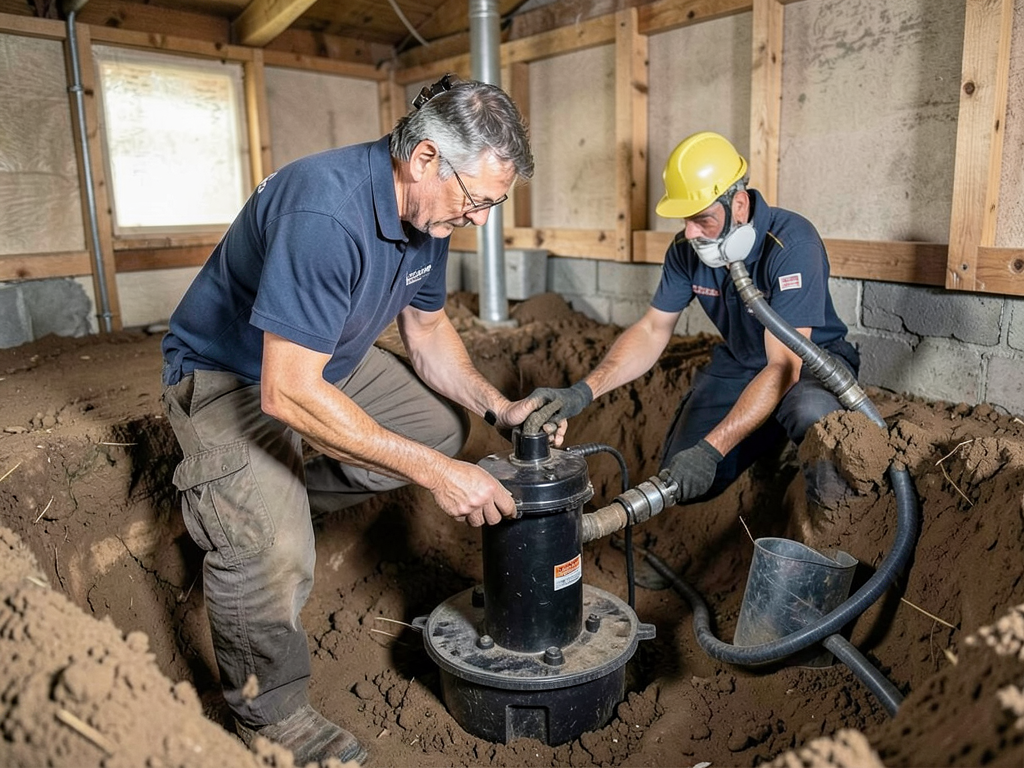
Step 1: Calculate Your GPM Requirement
Start by measuring how much water enters your sump pit during a heavy rain. This “bucket test” tells you your exact gallons per minute (GPM) need. The best options for water heater replacement in Wauwatosa.
- Prepare the Pit
Ensure your sump pit is clean and the pump is removed. Place a yardstick vertically in the pit to measure water rise.
- Simulate Rainfall
During a heavy rain event, measure how many inches the water rises in one minute using the yardstick.
- Calculate GPM
Each inch of rise in an 18-inch diameter pit equals about 1 gallon. Multiply inches per minute by 60 to get gallons per hour, then divide by 60 for GPM.
For example, if water rises 2 inches in one minute, that’s 2 gallons per minute entering your pit. During extreme weather, you might need to multiply this by 1.5 to account for peak flow.
Step 2: Understand Static Head and Vertical Lift
Static head is the vertical distance from your sump pit bottom to the highest point of your discharge pipe, usually where it exits the house. This height determines how hard your pump must work to push water out.. Read more about What to do if your sump pump discharge line freezes in Thiensville.
Measure from the bottom of the pit to the discharge point above ground. For deep basements in Big Bend, this can be 10 to 15 feet. Add 5 feet for friction loss in pipes to get your Total Dynamic Head (TDH). What to do if your pipes freeze during a Milwaukee cold snap.
Most residential pumps lose about 10% efficiency for every 10 feet of lift. A pump rated at 3,000 GPH at 0 feet might only deliver 2,000 GPH at 10 feet of lift.

Step 3: Horsepower Selection (1/3 HP vs. 1/2 HP)
Match your pump horsepower to your calculated GPM and TDH using this comparison:
| Horsepower | Typical GPM @ 10 ft lift | Best For | Amperage Draw |
|---|---|---|---|
| 1/3 HP | 2,400 | Basements under 8 ft deep, moderate rainfall | 6-8 amps |
| 1/2 HP | 3,600 | Deep basements, high water tables, clay soil | 9-12 amps |
| 3/4 HP | 5,000 | Large basements, extreme weather areas | 13-15 amps |
In Big Bend’s clay soil conditions, 1/2 HP pumps handle most deep basement applications. They provide enough power to overcome the extra resistance from clay while maintaining efficiency.. Read more about How to plan the drain lines for a new basement bathroom in Mequon.
Big Bend Plumbing Codes and Compliance
Waukesha County requires that sump pump discharge pipes be at least 1.5 inches in diameter for residential applications. The discharge must be at least 10 feet from the foundation and directed away from neighboring properties.
Local codes prohibit direct connection of sump pumps to sanitary sewer systems. This prevents overloading the municipal sewer system during heavy rains. Some areas require permits for new installations or major replacements.
Check valves are mandatory in discharge pipes to prevent backflow when the pump shuts off. Without a check valve, water in the discharge pipe flows back into the pit, causing the pump to cycle unnecessarily and wear out faster.
Additional Considerations for Deep Basements
Deep basements in Big Bend face unique challenges. The extra depth means more hydrostatic pressure against foundation walls. This pressure forces more water toward your sump pit, especially during spring thaws when frozen ground prevents surface absorption.
Consider a battery backup system sized for Milwaukee’s typical storm outage patterns. Most power outages during storms last 2 to 8 hours. A properly sized backup should handle at least 6 hours of continuous operation at your calculated GPM rate. Reliable Milwaukee sump pump repair services to keep your basement dry.
Submersible pumps work better than pedestal pumps for deep applications. They handle higher pressures and are quieter since they operate underwater. The cooling effect of surrounding water also extends motor life.
Check the amp draw of your chosen pump against your backup battery capacity. A 1/2 HP pump drawing 10 amps needs a battery that can provide at least 60 amp-hours to run for 6 hours.
Installation Best Practices
Install your pump on a stable base, not directly on the pit bottom. This prevents debris from clogging the intake. Use a perforated basin with a lid to keep out debris while allowing water flow.
Secure discharge pipes with straps every 4 feet to prevent vibration and noise. Insulate pipes in unheated areas to prevent freezing in winter.
Test your system monthly by pouring water into the pit until the pump activates. Listen for unusual noises that might indicate bearing wear or impeller damage.
Keep spare fuses and a basic tool kit nearby. During emergencies, you won’t have time to search for parts.
Maintenance Schedule
Clean the sump pit annually to remove sediment that reduces capacity. Check the float switch for free movement. Test the battery backup every six months by disconnecting main power and running the backup pump.
Listen for changes in pump sound. A whining noise often indicates bearing wear. Grinding sounds suggest debris in the impeller. Either condition requires immediate attention before failure occurs.
Monitor your water bill for unexplained increases. This can indicate a slow leak in your plumbing that’s adding to your sump pump’s workload.
When to Call a Professional
Call a licensed plumber if your pump cycles more than once per minute during normal conditions, makes unusual noises, or fails to keep up with water inflow during moderate rains.
Professional installation ensures proper sizing, code compliance, and warranty protection. A licensed plumber can also identify underlying drainage issues that might require foundation work or exterior waterproofing. Professional drain cleaning in Shorewood for stubborn kitchen clogs.
Don’t wait for failure. Schedule an inspection before the next heavy rain season. The cost of professional sizing and installation is far less than repairing flood damage.
Frequently Asked Questions
How do I know if my current pump is properly sized?
Monitor pump cycles during rain. If it runs continuously or can’t keep up with water inflow, it’s undersized. If it cycles every few seconds, it might be oversized for your needs.
Can I install a larger pump than recommended?
Oversizing wastes energy and causes frequent cycling that shortens pump life. Match the pump to your calculated needs for best performance and longevity.
What’s the lifespan of a properly sized sump pump?
Quality pumps last 5 to 10 years with proper maintenance. Harsher conditions in Big Bend might reduce this to 3 to 7 years. Regular testing and maintenance extend lifespan.
Should I get a backup pump?
Yes, especially in areas prone to power outages during storms. A backup provides protection when your primary pump fails or when electricity is unavailable.
How much does professional installation cost in Big Bend?
Costs vary based on basement depth, pump size, and local code requirements. Expect to invest in quality equipment and professional installation to protect your home’s value.
Call (414) 375-7955 today to schedule your sump pump inspection before the next storm hits. Our licensed plumbers will calculate your exact needs and install a system that protects your Big Bend home year-round.
Pick up the phone and call (414) 375-7955 before the next storm hits. Don’t wait for water damage to discover your pump isn’t up to the task.
{
“@context”: “https://schema.org”,
“@type”: “BlogPosting”,
“headline”: “Choosing the right size of sump pump for a deep basement in Big Bend”,
“description”: “Learn how to size your sump pump for Big Bend’s deep basements and clay soil. Expert guide covering GPM, static head, and Waukesha County codes.”,
“wordCount”: 1388,
“datePublished”: “2026-03-30T14:51:00.000Z”,
“dateModified”: “2026-03-30T14:51:00.000Z”,
“inLanguage”: “en-US”,
“mainEntityOfPage”: {
“@type”: “WebPage”,
“@id”: “https://eliteplumbingmilwaukee.com”
},
“publisher”: {
“@type”: “LocalBusiness”,
“name”: “Elite Plumbing Milwaukee”,
“url”: “https://eliteplumbingmilwaukee.com”
},
“author”: {
“@type”: “Organization”,
“name”: “Elite Plumbing Milwaukee”,
“url”: “https://eliteplumbingmilwaukee.com”
},
“image”: {
“@type”: “ImageObject”,
“url”: “https://eliteplumbingmilwaukee.com/wp-content/uploads/2026/03/choosing-the-right-size-of-sump-pump-for-a-deep-ba-1.png”
}
}
{
“@context”: “https://schema.org”,
“@type”: “Plumber”,
“name”: “Elite Plumbing Milwaukee”,
“url”: “https://eliteplumbingmilwaukee.com”,
“address”: {
“@type”: “PostalAddress”,
“addressLocality”: “Milwaukee”
},
“areaServed”: {
“@type”: “City”,
“name”: “Milwaukee”
}
}
{
“@context”: “https://schema.org”,
“@type”: “FAQPage”,
“mainEntity”: [
{
“@type”: “Question”,
“name”: “How do I know if my current pump is properly sized?”,
“acceptedAnswer”: {
“@type”: “Answer”,
“text”: “Monitor pump cycles during rain. If it runs continuously or can’t keep up with water inflow, it’s undersized. If it cycles every few seconds, it might be oversized for your needs.”
}
},
{
“@type”: “Question”,
“name”: “Can I install a larger pump than recommended?”,
“acceptedAnswer”: {
“@type”: “Answer”,
“text”: “Oversizing wastes energy and causes frequent cycling that shortens pump life. Match the pump to your calculated needs for best performance and longevity.”
}
},
{
“@type”: “Question”,
“name”: “What’s the lifespan of a properly sized sump pump?”,
“acceptedAnswer”: {
“@type”: “Answer”,
“text”: “Quality pumps last 5 to 10 years with proper maintenance. Harsher conditions in Big Bend might reduce this to 3 to 7 years. Regular testing and maintenance extend lifespan.”
}
},
{
“@type”: “Question”,
“name”: “Should I get a backup pump?”,
“acceptedAnswer”: {
“@type”: “Answer”,
“text”: “Yes, especially in areas prone to power outages during storms. A backup provides protection when your primary pump fails or when electricity is unavailable.”
}
},
{
“@type”: “Question”,
“name”: “How much does professional installation cost in Big Bend?”,
“acceptedAnswer”: {
“@type”: “Answer”,
“text”: “Costs vary based on basement depth, pump size, and local code requirements. Expect to invest in quality equipment and professional installation to protect your home’s value.”
}
}
]
}
{
“@context”: “https://schema.org”,
“@type”: “HowTo”,
“name”: “Calculate GPM for Sump Pump”,
“step”: [
{
“@type”: “HowToStep”,
“position”: 1,
“name”: “Prepare the Pit”,
“text”: “Ensure your sump pit is clean and the pump is removed. Place a yardstick vertically in the pit to measure water rise.”
},
{
“@type”: “HowToStep”,
“position”: 2,
“name”: “Simulate Rainfall”,
“text”: “During a heavy rain event, measure how many inches the water rises in one minute using the yardstick.”
},
{
“@type”: “HowToStep”,
“position”: 3,
“name”: “Calculate GPM”,
“text”: “Each inch of rise in an 18-inch diameter pit equals about 1 gallon. Multiply inches per minute by 60 to get gallons per hour, then divide by 60 for GPM.”
}
],
“image”: “https://eliteplumbingmilwaukee.com/wp-content/uploads/2026/03/choosing-the-right-size-of-sump-pump-for-a-deep-ba-1.png”
}
{
“@context”: “https://schema.org”,
“@type”: “BreadcrumbList”,
“itemListElement”: [
{
“@type”: “ListItem”,
“position”: 1,
“name”: “Home”,
“item”: “https://eliteplumbingmilwaukee.com”
},
{
“@type”: “ListItem”,
“position”: 2,
“name”: “Blog”,
“item”: “https://eliteplumbingmilwaukee.com/blog”
},
{
“@type”: “ListItem”,
“position”: 3,
“name”: “Choosing the right size of sump pump for a deep basement in Big Bend”
}
]
}
{
“@context”: “https://schema.org”,
“@type”: “Service”,
“serviceType”: “Plumbing”,
“provider”: {
“@type”: “LocalBusiness”,
“name”: “Elite Plumbing Milwaukee”,
“url”: “https://eliteplumbingmilwaukee.com”
},
“areaServed”: {
“@type”: “City”,
“name”: “Milwaukee”
},
“description”: “Learn how to size your sump pump for Big Bend’s deep basements and clay soil. Expert guide covering GPM, static head, and Waukesha County codes.”
}