
Common plumbing mistakes people make when building an ADU in Milwaukee
Building an Accessory Dwelling Unit in Milwaukee requires understanding specific plumbing challenges that many property owners overlook. The city’s extreme freeze-thaw cycles, high water table near Lake Michigan, and strict building codes create conditions where mistakes cost thousands in repairs. Understanding these common errors before breaking ground saves money and prevents code violations. Milwaukee Department of Neighborhood Services.
Skipping the Milwaukee DNS permit process
Many homeowners assume they can install basic plumbing without formal approval. This creates the most expensive mistake possible. The Milwaukee Department of Neighborhood Services requires separate plumbing permits for any new water service or drainage installation. Without proper permits, you risk fines up to $500 per day and forced removal of non-compliant work. Milwaukee Metropolitan Sewerage District.
The permit process includes submitting detailed plumbing plans that show fixture locations, pipe sizing, and connection points. Milwaukee inspectors verify compliance with Wisconsin SPS 382.50 codes before approving any ADU plumbing installation. You hear the frustration in homeowners who skip this step when inspectors shut down their projects mid-construction. Wisconsin SPS 382 Plumbing Code.
Call (414) 375-7955 today to schedule your inspection before you start digging.
Underestimating Milwaukee’s frost line depth
Wisconsin’s frost line extends 48 to 60 inches below grade depending on your specific Milwaukee neighborhood. Many DIY builders bury water lines at standard depths only to have them freeze and burst during the first winter. This mistake costs homeowners an average of $3,200 in emergency repairs. The best options for water heater replacement in Wauwatosa.
The soil composition in Milwaukee varies dramatically. Areas near Lake Michigan have sandy soil that drains well but requires deeper burial. Inland clay-heavy areas need special consideration for expansion and contraction. You smell the difference when opening up frozen pipes in February – that musty odor of burst copper and split PEX tells the story. Professional drain cleaning in Shorewood for stubborn kitchen clogs.
Pick up the phone and call (414) 375-7955 before the next storm hits your unburied pipes.
Incorrect water service sizing for ADUs
Many property owners try to share their existing water service with the new ADU. This creates pressure drops and insufficient flow for both units. Milwaukee Water Works requires separate water meters for each dwelling unit. The service line must handle the combined fixture unit load of both structures. Reliable Milwaukee sump pump repair services to keep your basement dry.
A typical Milwaukee ADU needs a minimum 3/4-inch water service line but many require 1-inch lines for adequate pressure. Undersized lines cause shower temperature fluctuations, slow-filling toilets, and inadequate irrigation flow. You hear the complaints from tenants about cold showers when someone flushes a toilet in the main house.
– Diagram showing proper water service line sizing for Milwaukee ADUs with frost depth requirements
Improper sewer lateral connections
Milwaukee’s combined sewer system creates unique challenges for ADU drainage. Many property owners connect their ADU directly to the main house lateral creating cross-contamination risks. The Milwaukee Metropolitan Sewerage District requires separate cleanouts and proper venting for each unit.
Cast iron pipes in older Milwaukee homes often have internal corrosion that reduces capacity. Connecting a new ADU to these compromised lines causes backups and sewage odors. A camera inspection before connecting any new plumbing can reveal hidden problems. You smell the warning signs – that rotten egg odor means hydrogen sulfide gas from corroded pipes. What to do if your pipes freeze during a Milwaukee cold snap.
Neglecting backflow prevention requirements
Wisconsin plumbing code SPS 382.50 requires backflow preventers on all new water service connections. Many DIY installations skip this critical component creating contamination risks for the entire neighborhood. Milwaukee Water Works mandates annual testing of all backflow devices.
Backflow preventers protect against contaminated water flowing backward into the municipal supply. Without them substances like fertilizers, cleaning chemicals, or even sewage could enter the public water system. The cost of a preventer installation is minimal compared to potential liability. You feel the relief knowing your drinking water stays protected.
Ignoring Milwaukee’s winterization requirements
Milwaukee experiences an average of 47 inches of snow annually with temperatures dropping below zero. Detached ADUs require special winterization that many builders overlook. Frozen pipes in unheated structures can burst before anyone notices causing thousands in water damage.
Proper winterization includes heat tape installation, pipe insulation rated for Wisconsin winters, and freeze-proof sill cocks. Some Milwaukee ADUs need dedicated heating systems to maintain minimum temperatures in plumbing spaces. The cost of proper winterization is about 15% of your total plumbing budget. You hear the difference – properly winterized pipes remain silent while frozen ones make cracking sounds.
Using incorrect pipe materials
Milwaukee’s water chemistry and soil conditions affect pipe longevity. Many property owners choose PEX for its lower cost but copper performs better in Milwaukee’s specific conditions. The city’s hard water can cause PEX degradation over time especially in areas with high chlorine content.
Copper pipes last 50+ years in Milwaukee when properly installed. They resist UV damage, handle temperature extremes better, and maintain water quality. The initial cost difference is offset by longer lifespan and fewer repairs. You feel the solid weight of copper pipes knowing they outlast cheaper alternatives.
Improper venting and drainage design
Milwaukee’s building codes require specific venting configurations that many DIY builders miss. Each fixture needs proper venting to prevent sewer gas infiltration and ensure proper drainage. The minimum pipe diameter for ADU drainage is often larger than homeowners expect.
A typical bathroom group needs 2-inch drain lines while kitchen sinks require 1.5-inch lines. Laundry drains need separate venting. Improper venting causes gurgling drains, slow drainage, and sewer odors that permeate living spaces. You hear the telltale glug-glug sound of improperly vented drains.
Overlooking electrical and plumbing coordination
Many ADU builders focus solely on plumbing without considering electrical requirements. Water heaters, sump pumps, and sewage ejector pumps all need dedicated circuits. Milwaukee code requires GFCI protection for all bathroom and kitchen outlets near water sources.
The coordination between trades prevents costly rework. Plumbing rough-in must account for electrical box locations and vice versa. A master plumber coordinates with electricians to ensure proper clearances and code compliance. You see the difference in professional installations where pipes and wires have adequate separation.
Failure to account for Milwaukee’s high water table
Properties near Lake Michigan face unique challenges from the high water table. Basement ADUs in areas like Bay View and Shorewood require special drainage systems and sump pumps. Many builders install standard French drains that quickly become overwhelmed during heavy rains. Who to call when your Bay View basement floods at 3 AM.
Milwaukee’s clay soil retains water creating hydrostatic pressure against foundation walls. Proper drainage systems include exterior footing drains, interior perimeter drains, and high-capacity sump pumps with battery backup. The cost of proper drainage is about $2,500 to $4,000 but prevents catastrophic flooding. You feel the dampness in basements without proper drainage systems.
Ignoring energy efficiency requirements
Milwaukee’s building energy codes affect plumbing installations. Tankless water heaters require proper venting and gas line sizing. Heat pump water heaters need adequate space and drainage for condensate. Many property owners choose the cheapest option without considering operating costs.
Energy-efficient plumbing fixtures reduce utility costs by 20-30%. Low-flow toilets, aerated faucets, and insulated hot water pipes all contribute to lower bills. The initial investment pays for itself within 2-3 years through utility savings. You see the difference in utility bills between efficient and standard fixtures.
Missing critical inspections
Milwaukee requires multiple inspections during ADU construction. The rough-in inspection verifies proper pipe installation before walls close. The final inspection ensures all fixtures work correctly and meet code requirements. Missing these inspections delays occupancy permits and creates legal issues.
Schedule inspections at least 48 hours in advance. Milwaukee inspectors check for proper pipe supports, adequate slope on drain lines, and correct fixture installation. They verify that all required permits are posted and visible. You hear the relief when inspectors approve your work on the first try.
Choosing the wrong contractor
Many property owners hire general contractors without plumbing expertise. This leads to improper installations that fail inspection. Milwaukee requires all plumbing work to be performed by licensed plumbers. Verify credentials through the Wisconsin Department of Safety and Professional Services.
A licensed Milwaukee plumber understands local codes, frost depth requirements, and MMSD regulations. They carry proper insurance and provide warranties on their work. The cost difference between licensed and unlicensed work is minimal compared to the risks. You feel confident knowing licensed professionals handle your plumbing.
Cost breakdown for ADU plumbing in Milwaukee
Understanding the true cost of ADU plumbing helps avoid budget surprises. Here’s what to expect for a typical 600-square-foot ADU in Milwaukee:
| Component | Cost Range | Notes |
|---|---|---|
| Water service installation | $2,500 – $4,500 | Depends on depth and distance |
| Sewage lateral connection | $1,800 – $3,200 | Separate cleanout required |
| Fixture installation | $3,000 – $5,000 | Bathroom and kitchen fixtures |
| Permits and inspections | $800 – $1,500 | MMSD and DNS fees |
| Winterization systems | $1,200 – $2,500 | Heat tape, insulation, etc. |
| Total estimated cost | $9,300 – $16,700 | Average: $13,000 |
Frequently Asked Questions
Can I use PEX piping for my Milwaukee ADU?
Yes but copper is often better for Milwaukee’s specific conditions. PEX works well for interior plumbing but may degrade faster in areas with high chlorine content. Copper resists UV damage and handles temperature extremes better. The choice depends on your specific location and budget.
How long does ADU plumbing take in Milwaukee?
Plumbing installation typically takes 2-3 weeks but the entire process from permit to final inspection takes 6-8 weeks. Milwaukee’s inspection schedule and weather delays can extend timelines. Plan accordingly and don’t schedule final finishes until all inspections pass.
Do I need a separate water meter for my ADU?
Yes Milwaukee Water Works requires separate meters for each dwelling unit. This allows accurate billing and helps identify leaks. The cost of meter installation is included in your water service installation and typically runs $300-500.
What happens if I skip permits?
Unpermitted work can result in fines up to $500 per day, forced removal of non-compliant work, and difficulty selling your property. Insurance may not cover damage from unpermitted work. Always obtain proper permits through the Milwaukee Department of Neighborhood Services.
Final considerations for Milwaukee ADU plumbing success
The key to successful ADU plumbing in Milwaukee is understanding local conditions and following proper procedures. The city’s extreme weather, specific codes, and high water table create challenges that generic plumbing advice doesn’t address.
Working with a licensed Milwaukee plumber who understands these unique factors prevents costly mistakes. They know the exact frost depth for your property, understand MMSD requirements, and coordinate properly with other trades.
Proper planning and execution save money in the long run. The cost of professional installation and proper permits is minimal compared to emergency repairs, code violations, and potential property damage.

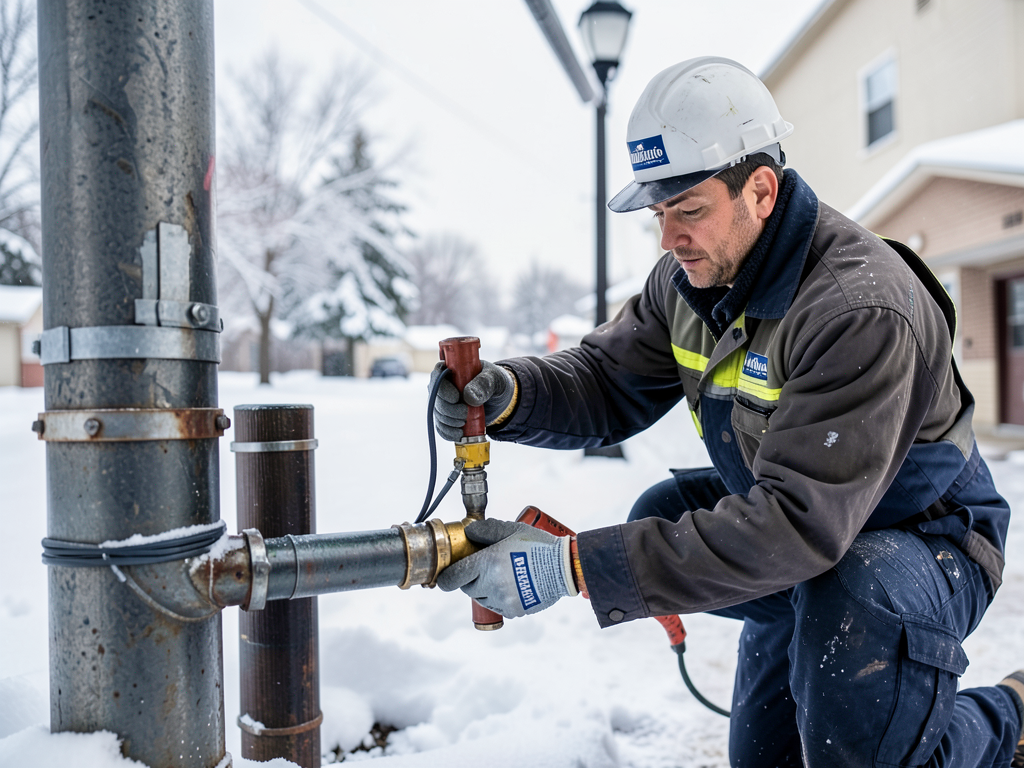
– Photo showing Milwaukee winter plumbing installation with proper insulation and heat tape
– Before and after photo of ADU plumbing rough-in showing proper pipe sizing and venting
Building an ADU in Milwaukee requires careful attention to plumbing details that many property owners overlook. From frost line depth to backflow prevention, each requirement exists to protect your investment and ensure long-term reliability.
Don’t let common plumbing mistakes derail your ADU project. The cost of professional installation and proper permits is a small price to pay for peace of mind and code compliance.
Ready to start your ADU project? Call (414) 375-7955 today for a professional consultation and avoid these costly mistakes.
Elite Plumbing Milwaukee has served the area for over 15 years, understanding the unique challenges of Milwaukee’s climate and building codes. Our licensed plumbers ensure your ADU meets all requirements the first time.
{
“@context”: “https://schema.org”,
“@type”: “BlogPosting”,
“headline”: “Common plumbing mistakes people make when building an ADU in Milwaukee”,
“description”: “Avoid costly ADU plumbing mistakes in Milwaukee. Learn about permits, frost lines, and local codes before building your accessory dwelling unit.”,
“wordCount”: 1958,
“datePublished”: “2026-05-30T13:41:00.000Z”,
“dateModified”: “2026-05-30T13:41:00.000Z”,
“inLanguage”: “en-US”,
“mainEntityOfPage”: {
“@type”: “WebPage”,
“@id”: “https://eliteplumbingmilwaukee.com”
},
“publisher”: {
“@type”: “LocalBusiness”,
“name”: “Elite Plumbing Milwaukee”,
“url”: “https://eliteplumbingmilwaukee.com”
},
“author”: {
“@type”: “Organization”,
“name”: “Elite Plumbing Milwaukee”,
“url”: “https://eliteplumbingmilwaukee.com”
},
“image”: {
“@type”: “ImageObject”,
“url”: “https://eliteplumbingmilwaukee.com/wp-content/uploads/2026/03/common-plumbing-mistakes-people-make-when-building-1.png”
}
}
{
“@context”: “https://schema.org”,
“@type”: “Plumber”,
“name”: “Elite Plumbing Milwaukee”,
“url”: “https://eliteplumbingmilwaukee.com”,
“address”: {
“@type”: “PostalAddress”,
“addressLocality”: “Milwaukee”
},
“areaServed”: {
“@type”: “City”,
“name”: “Milwaukee”
}
}
{
“@context”: “https://schema.org”,
“@type”: “FAQPage”,
“mainEntity”: [
{
“@type”: “Question”,
“name”: “Can I use PEX piping for my Milwaukee ADU?”,
“acceptedAnswer”: {
“@type”: “Answer”,
“text”: “Yes but copper is often better for Milwaukee’s specific conditions. PEX works well for interior plumbing but may degrade faster in areas with high chlorine content. Copper resists UV damage and handles temperature extremes better. The choice depends on your specific location and budget.”
}
},
{
“@type”: “Question”,
“name”: “How long does ADU plumbing take in Milwaukee?”,
“acceptedAnswer”: {
“@type”: “Answer”,
“text”: “Plumbing installation typically takes 2-3 weeks but the entire process from permit to final inspection takes 6-8 weeks. Milwaukee’s inspection schedule and weather delays can extend timelines. Plan accordingly and don’t schedule final finishes until all inspections pass.”
}
},
{
“@type”: “Question”,
“name”: “Do I need a separate water meter for my ADU?”,
“acceptedAnswer”: {
“@type”: “Answer”,
“text”: “Yes Milwaukee Water Works requires separate meters for each dwelling unit. This allows accurate billing and helps identify leaks. The cost of meter installation is included in your water service installation and typically runs $300-500.”
}
},
{
“@type”: “Question”,
“name”: “What happens if I skip permits?”,
“acceptedAnswer”: {
“@type”: “Answer”,
“text”: “Unpermitted work can result in fines up to $500 per day, forced removal of non-compliant work, and difficulty selling your property. Insurance may not cover damage from unpermitted work. Always obtain proper permits through the Milwaukee Department of Neighborhood Services.”
}
}
]
}
{
“@context”: “https://schema.org”,
“@type”: “BreadcrumbList”,
“itemListElement”: [
{
“@type”: “ListItem”,
“position”: 1,
“name”: “Home”,
“item”: “https://eliteplumbingmilwaukee.com”
},
{
“@type”: “ListItem”,
“position”: 2,
“name”: “Blog”,
“item”: “https://eliteplumbingmilwaukee.com/blog”
},
{
“@type”: “ListItem”,
“position”: 3,
“name”: “Common plumbing mistakes people make when building an ADU in Milwaukee”
}
]
}
{
“@context”: “https://schema.org”,
“@type”: “Service”,
“serviceType”: “Plumbing”,
“provider”: {
“@type”: “LocalBusiness”,
“name”: “Elite Plumbing Milwaukee”,
“url”: “https://eliteplumbingmilwaukee.com”
},
“areaServed”: {
“@type”: “City”,
“name”: “Milwaukee”
},
“description”: “Avoid costly ADU plumbing mistakes in Milwaukee. Learn about permits, frost lines, and local codes before building your accessory dwelling unit.”
}