Comparing pipe lining and traditional excavation for sewer repair in the Menomonee Valley
Sewer line failures in the Menomonee Valley create immediate problems for homeowners and businesses. The valley’s combination of heavy clay soil, aging infrastructure, and fluctuating water tables makes sewer repairs a frequent necessity. Property owners face a critical decision: traditional excavation that tears up yards and driveways or trenchless pipe lining that preserves existing landscapes. This guide breaks down both methods using Milwaukee-specific data, cost factors, and technical considerations to help you make the right choice for your property. Milwaukee Department of Public Works.
What is traditional sewer excavation?
Traditional sewer repair requires digging a trench from your building to the main sewer line. Crews use backhoes and excavators to remove soil, expose the damaged pipe, and replace it with new PVC or HDPE sections. This method works for all pipe types and damage levels but comes with significant disruption. Your driveway, landscaping, or even portions of your foundation may need removal. The process typically takes three to five days including permits, digging, pipe replacement, backfilling, and site restoration. For properties in the Menomonee Valley, the heavy clay soil makes excavation slower and more labor-intensive than in areas with sandy soil.
What is trenchless sewer repair? (CIPP & Pipe Bursting)
Trenchless technology repairs sewer lines without major digging. Cured-in-Place Pipe (CIPP) lining involves inserting a flexible epoxy-soaked liner into the damaged pipe, then inflating it and curing it with hot water or steam. The result is a new pipe within the old one. Pipe bursting uses a bursting head to break apart the old pipe while simultaneously pulling a new HDPE pipe through the space. Both methods require only one or two small access holes rather than a full trench. CIPP works best for pipes with minor cracks or corrosion, while pipe bursting handles collapsed pipes or major structural damage. These methods work year-round in Milwaukee’s climate since they don’t require deep soil exposure. Milwaukee Metropolitan Sewerage District.
Head-to-head comparison cost time and durability
| Factor | Traditional Excavation | Trenchless Repair |
|---|---|---|
| Average Cost per Foot (Milwaukee) | $250-$400 | $180-$300 |
| Project Duration | 3-5 days | 1-2 days |
| Landscape Damage | Major – driveway landscaping removal | Minimal – two small access holes |
| Life Expectancy | 50+ years (new pipe) | 50+ years (epoxy liner or HDPE) |
| Winter Workability | Limited – frozen ground issues | Yes – works in frozen soil |
Why Milwaukee’s climate and soil matter
The Menomonee Valley’s heavy clay soil creates unique challenges for sewer repairs. Clay expands when wet and contracts when dry causing pipes to shift and crack over time. This movement accelerates with Milwaukee’s freeze-thaw cycles where winter temperatures drop below zero and summer highs exceed ninety degrees. The valley’s proximity to the Menomonee River means many properties sit near or below the water table increasing hydrostatic pressure on sewer lines. Trenchless epoxy liners handle these conditions better than traditional pipes because the seamless lining resists root intrusion and adapts to minor soil movement without cracking. The epoxy material also resists the sulfuric acid that forms when clay soil interacts with wastewater. The best options for water heater replacement in Wauwatosa.
Pros and cons summary
Traditional Excavation
- Handles any pipe condition including total collapse
- Allows visual inspection of entire pipe run
- Creates new pipe with no diameter reduction
- Higher cost due to labor and restoration
- Significant property damage and longer timeline
- Weather dependent in winter months
Trenchless Repair
- Lower cost and faster completion
- Preserves landscaping and structures
- Works in all weather conditions
- May not work for severely collapsed pipes
- Reduces pipe diameter slightly with lining
- Requires video inspection to confirm suitability
Frequently Asked Questions about Milwaukee sewer repair
Do I need a permit for sewer repair in Milwaukee?
Yes. The Milwaukee Department of Public Works requires permits for all sewer lateral repairs. For trenchless work you need a plumbing permit and possibly a right-of-way permit if the work extends into public property. Traditional excavation often requires additional erosion control permits due to the disturbed soil volume. Reliable Milwaukee sump pump repair services to keep your basement dry.
How do I know if my pipe is a candidate for trenchless repair?
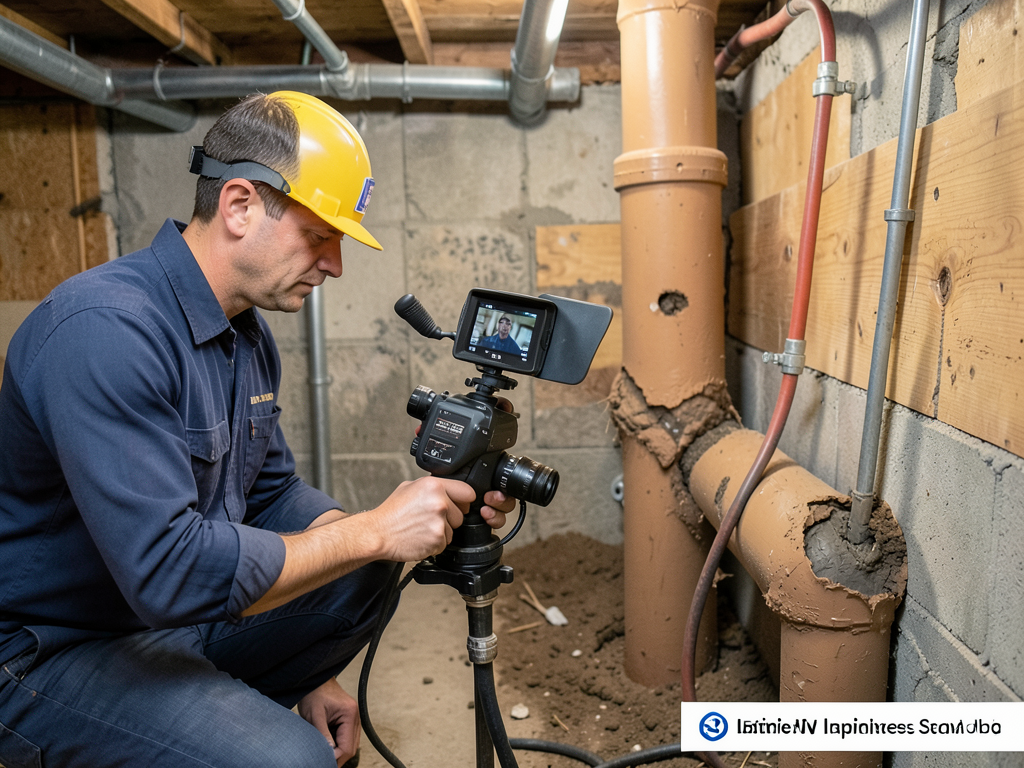
A professional video camera inspection determines pipe condition and repair method. The camera shows cracks root intrusion pipe separation and structural integrity. Pipes with less than 25% structural damage and minimal collapse typically qualify for CIPP lining. Pipes with major collapse or complete separation require pipe bursting or excavation. Professional drain cleaning in Shorewood for stubborn kitchen clogs.
What is the Milwaukee Sewer Lateral Program?
The MMSD (Milwaukee Metropolitan Sewerage District) offers the Private Property Inflow and Infiltration (PII) Program that provides financial assistance for sewer lateral repairs. Property owners in certain watersheds may qualify for cost-sharing programs that reduce repair expenses by up to 50%. The program targets repairs that reduce basement backups and combined sewer overflows. Who to call when your Bay View basement floods at 3 AM.
How long does epoxy lining last in Milwaukee’s soil conditions?
Quality CIPP lining installed to ASTM F1216 standards lasts 50+ years in Milwaukee’s clay soil. The epoxy material resists root penetration which is critical since the valley’s mature trees send roots toward moisture sources. The seamless lining also prevents the soil-to-pipe contact that causes corrosion in traditional pipes. ASTM F1216 standard.
Making your decision factors specific to the Menomonee Valley
Your property’s specific conditions determine the best repair method. Homes built before 1970 often have clay or cast iron pipes that crack from soil movement. Properties near the Menomonee River or in low-lying areas face higher water table challenges that make trenchless repair more attractive since it avoids deep excavation near groundwater. If your sewer line runs under mature trees trenchless methods prevent root damage during repair. For pipes with minimal damage and good structural integrity CIPP lining offers the best value. When pipes have collapsed sections or major offsets pipe bursting provides a trenchless solution that replaces rather than repairs the pipe. What to do if your pipes freeze during a Milwaukee cold snap.
Cost factors vary significantly by property. A 50-foot sewer run through open yard costs less than the same length under a driveway or near mature trees that require protection. The valley’s clay soil increases excavation time and equipment needs compared to sandy areas. Winter repairs cost more due to frozen ground handling but may be necessary to prevent basement flooding. Most importantly the right choice prevents future failures. A $3000 lining job that fails in five years costs more than a $5000 replacement that lasts fifty years.
Professional assessment is your first step
Before choosing any repair method you need a professional video inspection to see exactly what’s happening inside your pipes. This inspection reveals pipe material damage extent root intrusion and whether trenchless methods will work. The camera also identifies problem areas that might require spot repairs rather than full line replacement. Without this assessment you’re guessing about repair needs and costs.
Milwaukee’s building code SPS 382 requires licensed plumbers to perform sewer repairs and pull proper permits. This protects you from substandard work that could cause future flooding or code violations. Professional assessment also includes locating underground utilities to prevent damage during any excavation work.
Call (414) 375-7955 today to schedule your inspection
Don’t wait for a sewer backup to flood your basement. A quick video inspection costs far less than emergency repairs and gives you clear options for fixing your sewer line. Our Milwaukee-based team understands the valley’s unique soil conditions and building challenges. We provide honest assessments and upfront pricing with no high-pressure sales tactics. Call (414) 375-7955 now to schedule your inspection before the next heavy rain hits. Your basement and your peace of mind are worth protecting.
Ready to fix your sewer line?
Whether you need traditional excavation or trenchless repair we have the equipment and experience to get the job done right. Our team serves the entire Menomonee Valley area with 24/7 emergency service available. We handle all permits coordinate with utilities and restore your property to its original condition. Call (414) 375-7955 before small problems become major emergencies. The longer you wait the more damage occurs and the higher your repair costs climb.
You may also find this helpful. Why your Oconomowoc vacation home smells like sewer gas when you first arrive.
You may also find this helpful. Making your Walker’s Point restaurant bathroom ADA compliant without a total gut job.
{
“@context”: “https://schema.org”,
“@type”: “BlogPosting”,
“headline”: “Comparing pipe lining and traditional excavation for sewer repair in the Menomonee Valley”,
“description”: “Compare trenchless pipe lining vs traditional excavation for sewer repair in Milwaukee’s Menomonee Valley. Learn costs, timelines, and building code requirements.”,
“wordCount”: 1372,
“datePublished”: “2026-05-19T11:32:00.000Z”,
“dateModified”: “2026-05-19T11:32:00.000Z”,
“inLanguage”: “en-US”,
“mainEntityOfPage”: {
“@type”: “WebPage”,
“@id”: “https://eliteplumbingmilwaukee.com”
},
“publisher”: {
“@type”: “LocalBusiness”,
“name”: “Elite Plumbing Milwaukee”,
“url”: “https://eliteplumbingmilwaukee.com”
},
“author”: {
“@type”: “Organization”,
“name”: “Elite Plumbing Milwaukee”,
“url”: “https://eliteplumbingmilwaukee.com”
},
“image”: {
“@type”: “ImageObject”,
“url”: “https://eliteplumbingmilwaukee.com/wp-content/uploads/2026/03/comparing-pipe-lining-and-traditional-excavation-f-1.png”
}
}
{
“@context”: “https://schema.org”,
“@type”: “Plumber”,
“name”: “Elite Plumbing Milwaukee”,
“url”: “https://eliteplumbingmilwaukee.com”,
“address”: {
“@type”: “PostalAddress”,
“addressLocality”: “Milwaukee”
},
“areaServed”: {
“@type”: “City”,
“name”: “Milwaukee”
}
}
{
“@context”: “https://schema.org”,
“@type”: “FAQPage”,
“mainEntity”: [
{
“@type”: “Question”,
“name”: “What is traditional sewer excavation?”,
“acceptedAnswer”: {
“@type”: “Answer”,
“text”: “Traditional sewer repair requires digging a trench from your building to the main sewer line. Crews use backhoes and excavators to remove soil, expose the damaged pipe, and replace it with new PVC or HDPE sections. This method works for all pipe types and damage levels but comes with significant disruption. Your driveway, landscaping, or even portions of your foundation may need removal. The process typically takes three to five days including permits, digging, pipe replacement, backfilling, and site restoration. For properties in the Menomonee Valley, the heavy clay soil makes excavation slower and more labor-intensive than in areas with sandy soil.”
}
},
{
“@type”: “Question”,
“name”: “Do I need a permit for sewer repair in Milwaukee?”,
“acceptedAnswer”: {
“@type”: “Answer”,
“text”: “Yes. The Milwaukee Department of Public Works requires permits for all sewer lateral repairs. For trenchless work you need a plumbing permit and possibly a right-of-way permit if the work extends into public property. Traditional excavation often requires additional erosion control permits due to the disturbed soil volume. Reliable Milwaukee sump pump repair services to keep your basement dry.”
}
},
{
“@type”: “Question”,
“name”: “How do I know if my pipe is a candidate for trenchless repair?”,
“acceptedAnswer”: {
“@type”: “Answer”,
“text”: “A professional video camera inspection determines pipe condition and repair method. The camera shows cracks root intrusion pipe separation and structural integrity. Pipes with less than 25% structural damage and minimal collapse typically qualify for CIPP lining. Pipes with major collapse or complete separation require pipe bursting or excavation. Professional drain cleaning in Shorewood for stubborn kitchen clogs.”
}
},
{
“@type”: “Question”,
“name”: “What is the Milwaukee Sewer Lateral Program?”,
“acceptedAnswer”: {
“@type”: “Answer”,
“text”: “The MMSD (Milwaukee Metropolitan Sewerage District) offers the Private Property Inflow and Infiltration (PII) Program that provides financial assistance for sewer lateral repairs. Property owners in certain watersheds may qualify for cost-sharing programs that reduce repair expenses by up to 50%. The program targets repairs that reduce basement backups and combined sewer overflows. Who to call when your Bay View basement floods at 3 AM.”
}
},
{
“@type”: “Question”,
“name”: “How long does epoxy lining last in Milwaukee’s soil conditions?”,
“acceptedAnswer”: {
“@type”: “Answer”,
“text”: “Quality CIPP lining installed to ASTM F1216 standards lasts 50+ years in Milwaukee’s clay soil. The epoxy material resists root penetration which is critical since the valley’s mature trees send roots toward moisture sources. The seamless lining also prevents the soil-to-pipe contact that causes corrosion in traditional pipes. ASTM F1216 standard.”
}
},
{
“@type”: “Question”,
“name”: “Ready to fix your sewer line?”,
“acceptedAnswer”: {
“@type”: “Answer”,
“text”: “Whether you need traditional excavation or trenchless repair we have the equipment and experience to get the job done right. Our team serves the entire Menomonee Valley area with 24/7 emergency service available. We handle all permits coordinate with utilities and restore your property to its original condition. Call (414) 375-7955 before small problems become major emergencies. The longer you wait the more damage occurs and the higher your repair costs climb.”
}
}
]
}
{
“@context”: “https://schema.org”,
“@type”: “BreadcrumbList”,
“itemListElement”: [
{
“@type”: “ListItem”,
“position”: 1,
“name”: “Home”,
“item”: “https://eliteplumbingmilwaukee.com”
},
{
“@type”: “ListItem”,
“position”: 2,
“name”: “Blog”,
“item”: “https://eliteplumbingmilwaukee.com/blog”
},
{
“@type”: “ListItem”,
“position”: 3,
“name”: “Comparing pipe lining and traditional excavation for sewer repair in the Menomonee Valley”
}
]
}
{
“@context”: “https://schema.org”,
“@type”: “Service”,
“serviceType”: “Plumbing”,
“provider”: {
“@type”: “LocalBusiness”,
“name”: “Elite Plumbing Milwaukee”,
“url”: “https://eliteplumbingmilwaukee.com”
},
“areaServed”: {
“@type”: “City”,
“name”: “Milwaukee”
},
“description”: “Compare trenchless pipe lining vs traditional excavation for sewer repair in Milwaukee’s Menomonee Valley. Learn costs, timelines, and building code requirements.”
}