
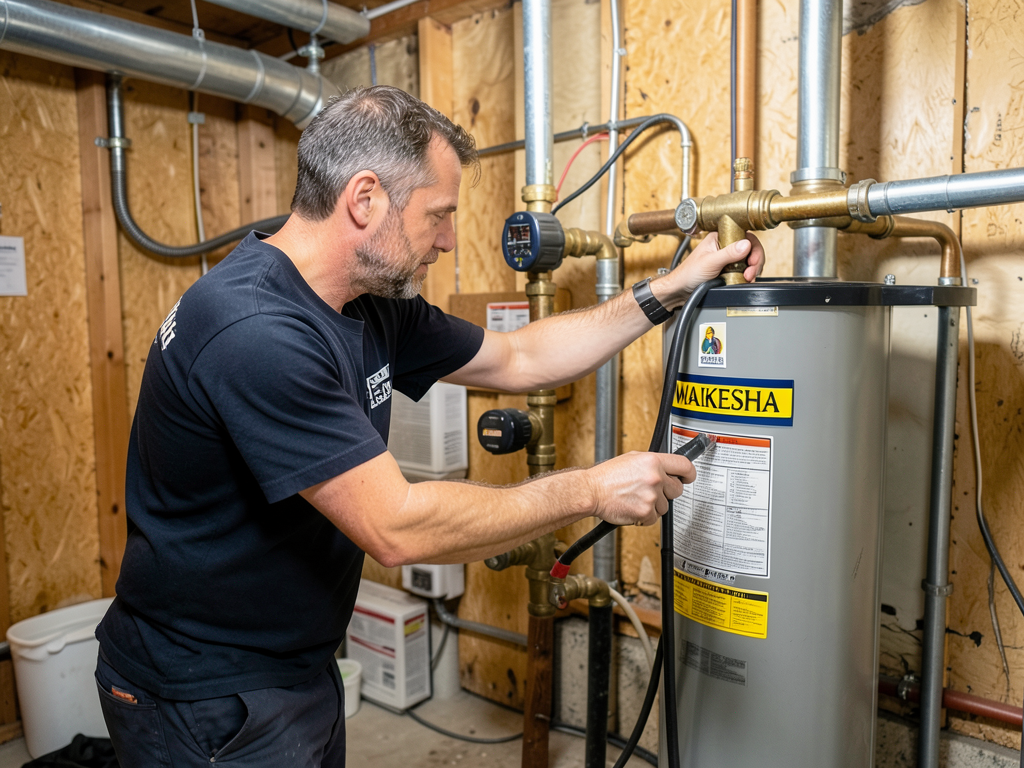
Dealing with orange stains and iron in your Waukesha well water
Orange stains in your sinks and tubs. A rotten egg smell from your faucets. These are telltale signs of high iron and sulfur in Waukesha well water. If you’re seeing these issues, you’re not alone. Waukesha County’s groundwater naturally contains elevated iron levels that municipal water systems filter out but private wells do not. The best options for water heater replacement in Wauwatosa.
Iron in your water isn’t just an aesthetic problem. It can clog pipes, damage water heaters, stain laundry, and create conditions for harmful bacteria to grow. The good news is that iron filtration systems specifically designed for Waukesha’s water chemistry can eliminate these problems permanently. What to do if your pipes freeze during a Milwaukee cold snap.
Professional iron filter installation removes both visible rust particles and dissolved iron before it reaches your fixtures. Our systems also eliminate hydrogen sulfide gas that causes that distinctive rotten egg odor. With the right filtration technology, you can enjoy clean, clear water without the orange stains and unpleasant smells that plague so many Waukesha homes. Professional drain cleaning in Shorewood for stubborn kitchen clogs.
Why Waukesha homeowners struggle with iron and sulfur
Waukesha County’s unique geology creates perfect conditions for high iron content in well water. The region sits on a layer of iron-rich glacial deposits left behind thousands of years ago. As groundwater moves through these deposits, it dissolves iron and carries it into your well.
Iron levels in Waukesha wells typically range from 1 to 15 parts per million (ppm), with some areas showing even higher concentrations. For comparison, the EPA recommends iron levels below 0.3 ppm for aesthetic reasons. This means many local wells contain iron at levels 30 to 50 times higher than what causes staining problems. EPA Secondary Drinking Water Standards.
Sulfur compounds often accompany iron in Waukesha groundwater. Hydrogen sulfide gas forms when sulfur bacteria interact with organic matter in oxygen-poor environments like deep wells. This creates that characteristic rotten egg smell and can corrode plumbing fixtures over time.
Common signs of iron and sulfur problems include:
- Orange or brown stains on sinks, tubs, and toilets
- Yellow or brown laundry discoloration
- Metallic taste in drinking water
- Black sediment in toilet tanks
- Rotten egg odor from hot or cold water
- Clogged pipes and reduced water pressure
Understanding the type of iron in your water is crucial for choosing the right filtration system. Waukesha wells commonly contain three forms of iron:
Ferrous iron (clear water iron) – Dissolved in water and invisible until exposed to air, where it oxidizes and turns rusty. This is the most common type in Waukesha wells.
Ferric iron (red water iron) – Already oxidized and visible as rusty particles. This settles out of standing water and causes the most obvious staining.
Bacterial iron – Lives in pipes and creates slimy deposits that can clog filters and produce foul odors.
Our iron filtration solutions: air injection vs. traditional systems
Different iron problems require different filtration approaches. We offer several proven systems specifically chosen for Waukesha water conditions:
Air injection oxidizing (AIO) filters – These systems inject air into the water, causing dissolved iron to oxidize into particles that can be filtered out. The filter media traps the oxidized iron, and the system automatically backwashes to clean itself. AIO systems work well for ferrous iron levels up to 15 ppm and handle sulfur odors effectively.
Birm media filters – These use a specialized mineral media that catalyzes the oxidation of iron without requiring chemicals. Birm filters work best for moderate iron levels (1-10 ppm) and have lower maintenance requirements than chemical-based systems.
Filox-R media systems – For severe iron problems exceeding 10 ppm, Filox-R provides superior filtration capacity. This media handles higher flow rates and lasts longer than other options, making it ideal for larger households or commercial applications.
Chlorination systems – When bacterial iron or extremely high iron levels are present, chlorination followed by carbon filtration provides comprehensive treatment. The chlorine oxidizes iron and kills bacteria, while the carbon filter removes the chlorine and any remaining contaminants.
The right system for your home depends on your specific water test results. We provide comprehensive water analysis to determine iron levels, pH, manganese content, and other factors that influence system selection.
System Comparison Table
| System Type | Iron Capacity (ppm) | Best For | Maintenance |
|---|---|---|---|
| Air Injection | 1-15 | Most Waukesha homes | Annual media check |
| Birm Media | 1-10 | Moderate iron | Every 5-7 years |
| Filox-R | 10-30 | High iron areas | Every 7-10 years |
| Chlorination | Any level | Bacterial iron | Monthly chemical check |
The installation process: what to expect
Professional iron filter installation typically takes 3-5 hours for a standard whole-house system. The process begins with a comprehensive water test to determine your exact iron levels and water chemistry.
Our technicians then select the appropriate system size based on your household water usage and peak flow rates. A typical Waukesha home with 2-4 bathrooms requires a system that can handle 10-15 gallons per minute.
The installation involves connecting the filter to your main water line before it enters your home. This ensures all water, including to water heaters and outdoor spigots, receives treatment. The system requires a nearby drain for backwashing cycles and electrical power for the control valve.
After installation, we program the control valve for your specific water conditions. Most systems backwash automatically every 2-3 days, though this can be adjusted based on iron levels and water usage patterns.
We provide complete startup procedures, including initial backwashing to prepare the media, and comprehensive instructions for system operation. All installations include a 30-day satisfaction guarantee and manufacturer warranties ranging from 5 to 25 years on different components.
Signs your Waukesha well system needs an iron filter
Many homeowners wait until staining becomes severe before addressing iron problems. However, early intervention prevents more costly damage to plumbing and appliances. Watch for these warning signs: Signs You Need Sewer Repair.
Visible staining – Orange or brown discoloration on fixtures, tubs, and sinks indicates iron levels above 0.3 ppm. These stains become increasingly difficult to remove as iron concentrations rise.
Water appearance changes – Clear water that turns orange after sitting in a glass suggests ferrous iron that oxidizes when exposed to air. This is the most common iron type in Waukesan wells.
Appliance issues – Water heaters accumulate sediment faster than normal, dishwasher spray arms clog with orange particles, and washing machines develop rust stains on clothing.
Plumbing problems – Reduced water pressure throughout the house, especially on upper floors, often indicates iron buildup in pipes. You might also notice rust particles when you first turn on a faucet.
Odor issues – A rotten egg smell when you first turn on water indicates hydrogen sulfide. This smell often comes and goes as sulfur bacteria populations fluctuate.
Well pump cycling – If your well pump runs more frequently than normal or cycles on and off rapidly, iron sediment might be accumulating in your pressure tank.
Removing the ‘rotten egg’ smell and orange stains
The combination of iron and hydrogen sulfide creates particularly challenging water quality issues. The rotten egg odor comes from hydrogen sulfide gas (H2S) produced by sulfur bacteria in oxygen-poor environments.
Air injection systems excel at treating both problems simultaneously. The injected air oxidizes dissolved iron into filterable particles while also converting hydrogen sulfide into elemental sulfur that can be trapped in the filter media.
For severe sulfur problems, catalytic carbon filters provide additional odor removal capacity. These filters use specialized carbon media that accelerates the oxidation of hydrogen sulfide without requiring chemical additives.
Once installed, these systems eliminate both the staining and the odor within 24-48 hours. The water becomes clear, odor-free, and safe for all household uses. Laundry comes out clean without orange discoloration, and fixtures stay spotless without constant scrubbing.
Regular maintenance ensures continued performance. Most systems require annual media inspection and occasional replenishment. The control valve needs battery replacement every 6-12 months, and the system should be sanitized annually to prevent bacterial growth.
Frequently Asked Questions About Iron Filtration
How much does iron filter installation cost in Waukesha?
Professional iron filter installation typically costs $1,800 to $3,500 depending on system capacity and complexity. This includes the filtration unit, installation labor, initial water testing, and startup procedures. Higher capacity systems for larger homes or severe iron conditions cost more.
Can I install an iron filter myself?
While DIY installation is possible, professional installation ensures proper sizing, correct plumbing connections, and compliance with local codes. Improper installation can lead to system failure, water damage, or voided warranties. Professional installers also provide water testing and system optimization that DIY approaches cannot match.
How long do iron filters last?
Quality iron filtration systems typically last 10-15 years with proper maintenance. The filter media itself may need replacement every 5-10 years depending on iron levels and water usage. Control valves and other components often carry 5-25 year warranties from manufacturers.
Will an iron filter affect my water pressure?
Properly sized iron filters should not significantly impact water pressure. Systems are designed to handle your household’s peak flow rates. If you experience pressure drops, it usually indicates the system is undersized or the filter media needs replacement.
Do iron filters remove other contaminants?
Most iron filters primarily target iron, manganese, and hydrogen sulfide. Some systems also reduce sediment and certain organic compounds. However, they do not remove bacteria, viruses, or chemical contaminants. A comprehensive water test helps determine if additional treatment is needed.
How often should I test my well water?
Wisconsin recommends testing private well water annually for bacteria and every 2-3 years for minerals and chemicals. If you notice changes in water quality, taste, or odor, test immediately regardless of the last test date. Wisconsin Department of Health Services Well Water Information.
Can iron filters be installed outdoors?
Most iron filters require indoor installation to protect them from freezing temperatures. However, some systems can be installed in insulated outdoor enclosures or heated well houses. Your specific installation location depends on your home’s plumbing configuration and local climate conditions.
Ready to eliminate orange stains and rotten egg smells from your Waukesa well water? Call (414) 375-7955 today to schedule your free water test and consultation. Our local experts understand Waukesha’s unique water chemistry and will recommend the perfect filtration solution for your home.
Don’t let iron and sulfur problems damage your plumbing and ruin your water quality. Pick up the phone and call (414) 375-7955 before the next load of laundry turns orange or your water heater clogs with rust sediment.
{
“@context”: “https://schema.org”,
“@type”: “BlogPosting”,
“headline”: “Dealing with orange stains and iron in your Waukesha well water”,
“description”: “Stop orange stains and rotten egg smells in Waukesha well water. Learn about iron types, filtration systems, and professional installation by local experts.”,
“wordCount”: 1765,
“datePublished”: “2026-03-13T08:27:00.000Z”,
“dateModified”: “2026-03-13T08:27:00.000Z”,
“inLanguage”: “en-US”,
“mainEntityOfPage”: {
“@type”: “WebPage”,
“@id”: “https://eliteplumbingmilwaukee.com”
},
“publisher”: {
“@type”: “LocalBusiness”,
“name”: “Elite Plumbing Milwaukee”,
“url”: “https://eliteplumbingmilwaukee.com”
},
“author”: {
“@type”: “Organization”,
“name”: “Elite Plumbing Milwaukee”,
“url”: “https://eliteplumbingmilwaukee.com”
},
“image”: {
“@type”: “ImageObject”,
“url”: “https://eliteplumbingmilwaukee.com/wp-content/uploads/2026/03/dealing-with-orange-stains-and-iron-in-your-waukes-1.png”
}
}
{
“@context”: “https://schema.org”,
“@type”: “Plumber”,
“name”: “Elite Plumbing Milwaukee”,
“url”: “https://eliteplumbingmilwaukee.com”,
“address”: {
“@type”: “PostalAddress”,
“addressLocality”: “Milwaukee”
},
“areaServed”: {
“@type”: “City”,
“name”: “Milwaukee”
}
}
{
“@context”: “https://schema.org”,
“@type”: “FAQPage”,
“mainEntity”: [
{
“@type”: “Question”,
“name”: “How much does iron filter installation cost in Waukesha?”,
“acceptedAnswer”: {
“@type”: “Answer”,
“text”: “Professional iron filter installation typically costs $1,800 to $3,500 depending on system capacity and complexity. This includes the filtration unit, installation labor, initial water testing, and startup procedures. Higher capacity systems for larger homes or severe iron conditions cost more.”
}
},
{
“@type”: “Question”,
“name”: “Can I install an iron filter myself?”,
“acceptedAnswer”: {
“@type”: “Answer”,
“text”: “While DIY installation is possible, professional installation ensures proper sizing, correct plumbing connections, and compliance with local codes. Improper installation can lead to system failure, water damage, or voided warranties. Professional installers also provide water testing and system optimization that DIY approaches cannot match.”
}
},
{
“@type”: “Question”,
“name”: “How long do iron filters last?”,
“acceptedAnswer”: {
“@type”: “Answer”,
“text”: “Quality iron filtration systems typically last 10-15 years with proper maintenance. The filter media itself may need replacement every 5-10 years depending on iron levels and water usage. Control valves and other components often carry 5-25 year warranties from manufacturers.”
}
},
{
“@type”: “Question”,
“name”: “Will an iron filter affect my water pressure?”,
“acceptedAnswer”: {
“@type”: “Answer”,
“text”: “Properly sized iron filters should not significantly impact water pressure. Systems are designed to handle your household’s peak flow rates. If you experience pressure drops, it usually indicates the system is undersized or the filter media needs replacement.”
}
},
{
“@type”: “Question”,
“name”: “Do iron filters remove other contaminants?”,
“acceptedAnswer”: {
“@type”: “Answer”,
“text”: “Most iron filters primarily target iron, manganese, and hydrogen sulfide. Some systems also reduce sediment and certain organic compounds. However, they do not remove bacteria, viruses, or chemical contaminants. A comprehensive water test helps determine if additional treatment is needed.”
}
},
{
“@type”: “Question”,
“name”: “How often should I test my well water?”,
“acceptedAnswer”: {
“@type”: “Answer”,
“text”: “Wisconsin recommends testing private well water annually for bacteria and every 2-3 years for minerals and chemicals. If you notice changes in water quality, taste, or odor, test immediately regardless of the last test date. Wisconsin Department of Health Services Well Water Information.”
}
},
{
“@type”: “Question”,
“name”: “Can iron filters be installed outdoors?”,
“acceptedAnswer”: {
“@type”: “Answer”,
“text”: “Most iron filters require indoor installation to protect them from freezing temperatures. However, some systems can be installed in insulated outdoor enclosures or heated well houses. Your specific installation location depends on your home’s plumbing configuration and local climate conditions.”
}
}
]
}
{
“@context”: “https://schema.org”,
“@type”: “BreadcrumbList”,
“itemListElement”: [
{
“@type”: “ListItem”,
“position”: 1,
“name”: “Home”,
“item”: “https://eliteplumbingmilwaukee.com”
},
{
“@type”: “ListItem”,
“position”: 2,
“name”: “Blog”,
“item”: “https://eliteplumbingmilwaukee.com/blog”
},
{
“@type”: “ListItem”,
“position”: 3,
“name”: “Dealing with orange stains and iron in your Waukesha well water”
}
]
}
{
“@context”: “https://schema.org”,
“@type”: “Service”,
“serviceType”: “Plumbing”,
“provider”: {
“@type”: “LocalBusiness”,
“name”: “Elite Plumbing Milwaukee”,
“url”: “https://eliteplumbingmilwaukee.com”
},
“areaServed”: {
“@type”: “City”,
“name”: “Milwaukee”
},
“description”: “Stop orange stains and rotten egg smells in Waukesha well water. Learn about iron types, filtration systems, and professional installation by local experts.”
}