
How to clean the sludge and debris out of your Germantown sump pump pit
Keeping your sump pump pit clean is critical for preventing basement flooding in Germantown’s clay-heavy soil conditions. A clogged pit filled with sediment, iron ochre, and debris can cause your pump to fail exactly when you need it most. This guide walks you through the complete cleaning process, from safety precautions to final testing. Who to call when your Bay View basement floods at 3 AM.
Why Germantown homes need regular sump pump pit cleaning
Germantown’s location near the Menomonee River and its high clay content soil create unique challenges for basement drainage. The clay particles mix with groundwater to form a thick sludge that settles in your sump pit. When combined with Wisconsin’s freeze-thaw cycles, this sediment can harden and block your pump’s inlet screen. Wisconsin DNR stormwater regulations.
During spring thaws, Germantown basements face increased flooding risk as melting snow saturates the already water-retentive clay soil. A clean sump pump pit ensures your system can handle these peak flow periods without failure. The best options for water heater replacement in Wauwatosa.
Tools and supplies you’ll need for the job
- Wet/dry vacuum (5+ gallon capacity)
- 5-gallon bucket
- Scrub brush with stiff bristles
- White vinegar or mild bleach solution
- Heavy-duty rubber gloves
- Safety goggles
- Phillips and flathead screwdrivers
- Flashlight or headlamp
- Garden hose with spray nozzle
Step-by-step: Cleaning your sump pump pit safely
- Disconnect power and prepare the area
Locate your GFCI outlet and switch off power to the sump pump. Verify the circuit is dead using a non-contact voltage tester. Place drop cloths around the pit area to protect your basement floor from water and debris.. Read more about Why your South Milwaukee basement drains smell like a swamp after a heavy storm.
- Remove the sump pump
Disconnect the discharge pipe by loosening the clamp or unscrewing the fitting. Carefully lift the pump from the pit, supporting its weight to avoid damaging the power cord or float switch. Place the pump in a bucket to catch residual water.
- Vacuum out sludge and debris
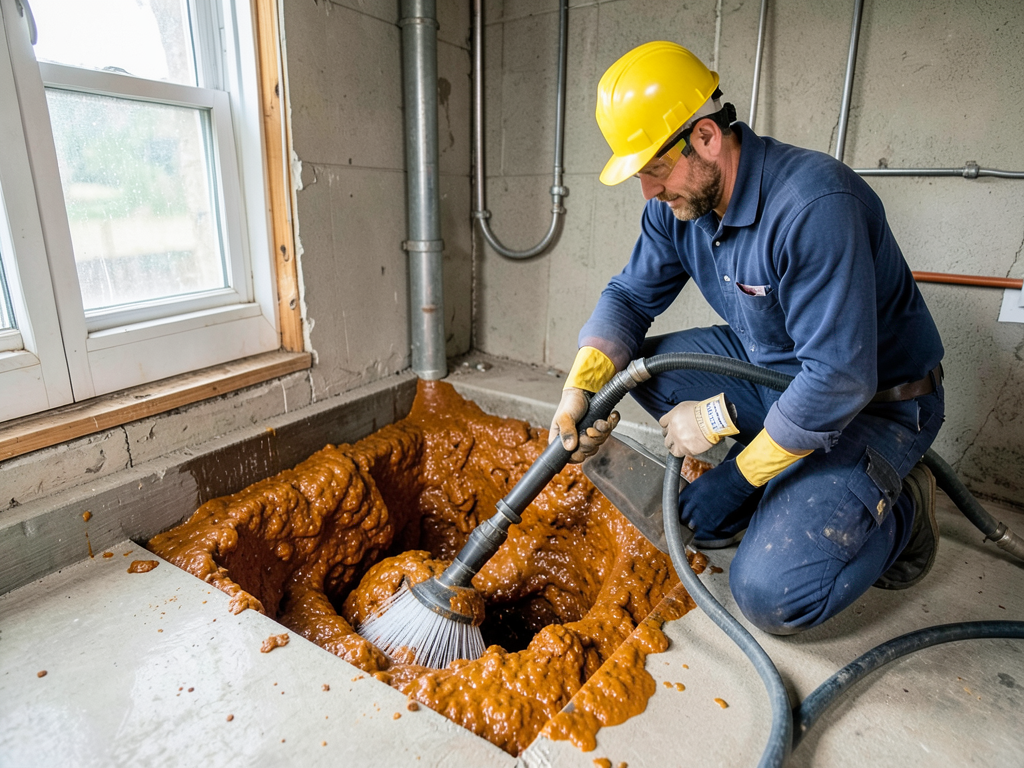
Use your wet/dry vacuum to remove standing water and the thick sludge layer at the bottom of the pit. Pay special attention to corners where sediment accumulates. For heavy iron ochre buildup, you may need to use a garden hose to loosen the material before vacuuming.. Read more about Where you can legally drain your sump pump water in Greenfield.
- Clean the pump components
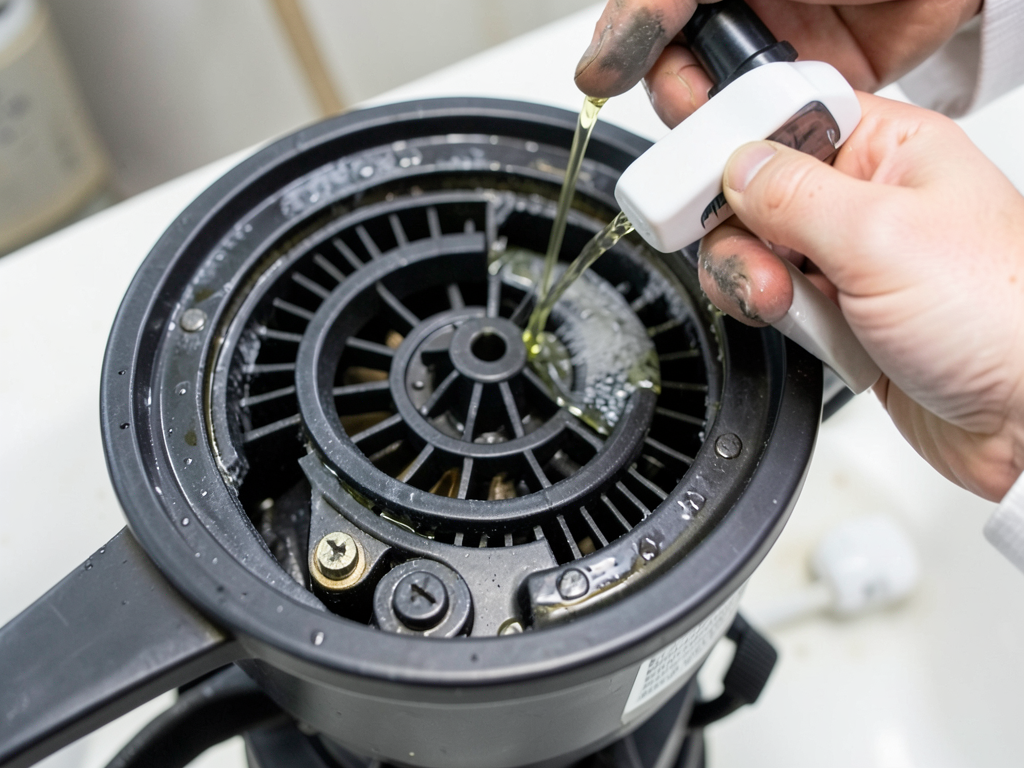
Remove the pump’s intake screen and clean it thoroughly with vinegar solution to dissolve mineral deposits. Check the impeller for debris and use a small brush to remove any obstructions. Inspect the float switch for smooth movement and clean any buildup that could restrict operation.
- Scrub the basin walls
Using your scrub brush and cleaning solution, thoroughly clean the entire interior of the sump pit. Focus on removing biofilm and mineral deposits that can harbor bacteria. Rinse the basin with clean water and vacuum up the rinse water.
- Inspect and clean the check valve
Remove the check valve from the discharge pipe and check for debris or mineral buildup. Clean or replace if necessary to ensure proper backflow prevention. This component prevents water from flowing back into the pit after the pump shuts off.
- Flush the discharge line
Pour clean water through the discharge pipe to ensure it’s clear of obstructions. Check for proper drainage at the exterior outlet. A clogged discharge line can cause your pump to work harder and potentially fail. Professional drain cleaning in Shorewood for stubborn kitchen clogs.
- Reinstall and test the system
Carefully lower the cleaned pump back into the pit, reconnect the discharge pipe, and restore power. Pour several gallons of water into the pit to verify the float switch activates properly and the pump evacuates water efficiently.
Troubleshooting common issues during cleaning
Iron bacteria creates a distinctive orange slime that clings to pump components and pit walls. This bacterial growth thrives in Wisconsin’s iron-rich groundwater and requires thorough cleaning with vinegar or specialized iron ochre remover. If you notice persistent orange staining, consider installing an iron filter on your main water line.
A stuck float switch prevents your pump from activating during high water events. During cleaning, ensure the float moves freely up and down without catching on wires or the pit wall. Some pumps have adjustable float switches that may need repositioning.
Check valve failure allows water to flow back into the pit after pumping, causing the pump to cycle unnecessarily. Listen for a distinct “thunk” sound when the pump shuts off – this indicates the check valve is working properly. If you hear water flowing back, the valve needs replacement.
When to call a Milwaukee professional plumber
Structural damage to your sump pit requires professional assessment. Cracks in the basin can allow soil infiltration, gradually filling your pit with sediment and reducing pump efficiency. A plumber can evaluate whether repair or replacement is the most cost-effective solution.
Motor failure signs include unusual noises during operation, excessive vibration, or the pump running continuously without evacuating water. These issues often indicate worn bearings or a failing impeller that require specialized tools and expertise to diagnose and repair. Signs You Need Sewer Repair.
If your basement has experienced flooding, professional cleaning becomes essential. Floodwater can contain sewage, chemicals, or other contaminants that create health hazards. Professional plumbers use industrial-grade cleaning solutions and have proper disposal methods for contaminated materials.
Frequently Asked Questions
How often should I clean my sump pump pit in Germantown?
Wisconsin’s climate recommends cleaning your sump pump pit at least twice yearly – typically in spring after thaw season and in fall before freezing temperatures. Homes in low-lying areas or near water bodies may need quarterly cleaning due to higher sediment accumulation rates.
Can I dump the cleaning water in my yard or street?
The Milwaukee Metropolitan Sewerage District prohibits discharging sump pump water onto streets or sidewalks. Direct discharge to your yard should be at least 10 feet from your foundation and away from neighboring properties. Consider connecting to a dry well or French drain system for proper dispersal. Milwaukee Metropolitan Sewerage District guidelines.
What causes the orange slime in my sump pit?
The orange slime is iron bacteria, a common issue in Southeast Wisconsin due to high iron content in groundwater. While not harmful to humans, it can clog pump components and create unpleasant odors. Regular cleaning with vinegar helps control growth, but severe cases may require professional treatment.
How do I know if my check valve needs replacement?
A failing check valve allows water to flow back into the pit after the pump shuts off, causing the pump to cycle more frequently. Listen for water flowing back or check if the pit refills quickly after pumping. Most check valves last 5-7 years in Wisconsin’s climate conditions.
Should I clean my battery backup pump too?
Yes, battery backup pumps require the same cleaning schedule as your primary pump. Test the battery annually and clean the pit and pump components to ensure the backup system will function during power outages when you need it most.
Preventing future buildup and maintaining efficiency
Installing a sump pit cover reduces debris entry and helps control humidity in your basement. Choose a cover with a sealed gasket to prevent radon gas entry if your home has radon mitigation systems. Some covers include access ports for easy pump maintenance without complete removal.
Consider adding a sediment filter to your sump system if you experience frequent clogging. These filters trap fine particles before they reach your pump, extending the time between cleanings. However, filters require their own maintenance schedule to prevent overflow.
Monitor your pump’s performance by listening for changes in operation sound or frequency. A pump that runs more often than usual or makes unusual noises may indicate developing problems that cleaning alone won’t solve. Early detection prevents emergency failures during critical weather events.
Local regulations and disposal considerations
Wisconsin Department of Natural Resources regulations require proper disposal of contaminated sump pit materials. Never pour cleaning solutions or contaminated water into storm drains or onto frozen ground. Contact your local waste management authority for guidance on disposing of heavy sludge or chemical cleaners.
Some Germantown neighborhoods have specific requirements for sump pump discharge due to proximity to wetlands or water features. Check with the Germantown Public Works Department before making modifications to your discharge system to ensure compliance with local ordinances.
Professional plumbers carry proper licensing through the Wisconsin Department of Safety and Professional Services (DSPS). When hiring help, verify current licensing and insurance coverage to protect yourself from liability and ensure work meets state plumbing code requirements.
Protect your basement with proper maintenance
Regular sump pump pit cleaning prevents the most common cause of basement flooding in Germantown homes. The combination of clay soil, iron-rich groundwater, and Wisconsin’s seasonal weather patterns creates conditions where sediment accumulation happens faster than in other regions. Proactive maintenance costs far less than emergency water damage repairs.
Don’t wait for your pump to fail during the next heavy rainstorm. A clean sump pit ensures your system can handle peak flow conditions and protects your home’s foundation from water damage. The small investment of time and effort pays dividends in peace of mind and property protection.
Call (414) 375-7955 today to schedule your professional sump pump inspection if you notice unusual pump behavior or persistent clogging issues. Our licensed plumbers understand Germantown’s specific challenges and can recommend solutions tailored to your home’s needs.
{
“@context”: “https://schema.org”,
“@type”: “BlogPosting”,
“headline”: “How to clean the sludge and debris out of your Germantown sump pump pit”,
“description”: “Learn the essential steps to clean your Germantown sump pump pit and prevent basement flooding. Expert tips for removing sludge, debris, and iron ochre from your system.”,
“wordCount”: 1560,
“datePublished”: “2026-06-03T08:46:00.000Z”,
“dateModified”: “2026-06-03T08:46:00.000Z”,
“inLanguage”: “en-US”,
“mainEntityOfPage”: {
“@type”: “WebPage”,
“@id”: “https://eliteplumbingmilwaukee.com”
},
“publisher”: {
“@type”: “LocalBusiness”,
“name”: “Elite Plumbing Milwaukee”,
“url”: “https://eliteplumbingmilwaukee.com”
},
“author”: {
“@type”: “Organization”,
“name”: “Elite Plumbing Milwaukee”,
“url”: “https://eliteplumbingmilwaukee.com”
},
“image”: {
“@type”: “ImageObject”,
“url”: “https://eliteplumbingmilwaukee.com/wp-content/uploads/2026/03/how-to-clean-the-sludge-and-debris-out-of-your-ger-1.png”
}
}
{
“@context”: “https://schema.org”,
“@type”: “Plumber”,
“name”: “Elite Plumbing Milwaukee”,
“url”: “https://eliteplumbingmilwaukee.com”,
“address”: {
“@type”: “PostalAddress”,
“addressLocality”: “Milwaukee”
},
“areaServed”: {
“@type”: “City”,
“name”: “Milwaukee”
}
}
{
“@context”: “https://schema.org”,
“@type”: “FAQPage”,
“mainEntity”: [
{
“@type”: “Question”,
“name”: “How often should I clean my sump pump pit in Germantown?”,
“acceptedAnswer”: {
“@type”: “Answer”,
“text”: “Wisconsin’s climate recommends cleaning your sump pump pit at least twice yearly – typically in spring after thaw season and in fall before freezing temperatures. Homes in low-lying areas or near water bodies may need quarterly cleaning due to higher sediment accumulation rates.”
}
},
{
“@type”: “Question”,
“name”: “Can I dump the cleaning water in my yard or street?”,
“acceptedAnswer”: {
“@type”: “Answer”,
“text”: “The Milwaukee Metropolitan Sewerage District prohibits discharging sump pump water onto streets or sidewalks. Direct discharge to your yard should be at least 10 feet from your foundation and away from neighboring properties. Consider connecting to a dry well or French drain system for proper dispersal. Milwaukee Metropolitan Sewerage District guidelines.”
}
},
{
“@type”: “Question”,
“name”: “What causes the orange slime in my sump pit?”,
“acceptedAnswer”: {
“@type”: “Answer”,
“text”: “The orange slime is iron bacteria, a common issue in Southeast Wisconsin due to high iron content in groundwater. While not harmful to humans, it can clog pump components and create unpleasant odors. Regular cleaning with vinegar helps control growth, but severe cases may require professional treatment.”
}
},
{
“@type”: “Question”,
“name”: “How do I know if my check valve needs replacement?”,
“acceptedAnswer”: {
“@type”: “Answer”,
“text”: “A failing check valve allows water to flow back into the pit after the pump shuts off, causing the pump to cycle more frequently. Listen for water flowing back or check if the pit refills quickly after pumping. Most check valves last 5-7 years in Wisconsin’s climate conditions.”
}
},
{
“@type”: “Question”,
“name”: “Should I clean my battery backup pump too?”,
“acceptedAnswer”: {
“@type”: “Answer”,
“text”: “Yes, battery backup pumps require the same cleaning schedule as your primary pump. Test the battery annually and clean the pit and pump components to ensure the backup system will function during power outages when you need it most.”
}
}
]
}
{
“@context”: “https://schema.org”,
“@type”: “HowTo”,
“name”: “How to Clean a Sump Pump Pit”,
“step”: [
{
“@type”: “HowToStep”,
“position”: 1,
“name”: “Disconnect power and prepare the area”,
“text”: “Locate your GFCI outlet and switch off power to the sump pump. Verify the circuit is dead using a non-contact voltage tester. Place drop cloths around the pit area to protect your basement floor from water and debris.”
},
{
“@type”: “HowToStep”,
“position”: 2,
“name”: “Remove the sump pump”,
“text”: “Disconnect the discharge pipe by loosening the clamp or unscrewing the fitting. Carefully lift the pump from the pit, supporting its weight to avoid damaging the power cord or float switch. Place the pump in a bucket to catch residual water.”
},
{
“@type”: “HowToStep”,
“position”: 3,
“name”: “Vacuum out sludge and debris”,
“text”: “Use your wet/dry vacuum to remove standing water and the thick sludge layer at the bottom of the pit. Pay special attention to corners where sediment accumulates. For heavy iron ochre buildup, you may need to use a garden hose to loosen the material before vacuuming.”
},
{
“@type”: “HowToStep”,
“position”: 4,
“name”: “Clean the pump components”,
“text”: “Remove the pump’s intake screen and clean it thoroughly with vinegar solution to dissolve mineral deposits. Check the impeller for debris and use a small brush to remove any obstructions. Inspect the float switch for smooth movement and clean any buildup that could restrict operation.”
},
{
“@type”: “HowToStep”,
“position”: 5,
“name”: “Scrub the basin walls”,
“text”: “Using your scrub brush and cleaning solution, thoroughly clean the entire interior of the sump pit. Focus on removing biofilm and mineral deposits that can harbor bacteria. Rinse the basin with clean water and vacuum up the rinse water.”
},
{
“@type”: “HowToStep”,
“position”: 6,
“name”: “Inspect and clean the check valve”,
“text”: “Remove the check valve from the discharge pipe and check for debris or mineral buildup. Clean or replace if necessary to ensure proper backflow prevention. This component prevents water from flowing back into the pit after the pump shuts off.”
},
{
“@type”: “HowToStep”,
“position”: 7,
“name”: “Flush the discharge line”,
“text”: “Pour clean water through the discharge pipe to ensure it’s clear of obstructions. Check for proper drainage at the exterior outlet. A clogged discharge line can cause your pump to work harder and potentially fail. Professional drain cleaning in Shorewood for stubborn kitchen clogs.”
},
{
“@type”: “HowToStep”,
“position”: 8,
“name”: “Reinstall and test the system”,
“text”: “Carefully lower the cleaned pump back into the pit, reconnect the discharge pipe, and restore power. Pour several gallons of water into the pit to verify the float switch activates properly and the pump evacuates water efficiently.”
}
],
“image”: “https://eliteplumbingmilwaukee.com/wp-content/uploads/2026/03/how-to-clean-the-sludge-and-debris-out-of-your-ger-1.png”
}
{
“@context”: “https://schema.org”,
“@type”: “BreadcrumbList”,
“itemListElement”: [
{
“@type”: “ListItem”,
“position”: 1,
“name”: “Home”,
“item”: “https://eliteplumbingmilwaukee.com”
},
{
“@type”: “ListItem”,
“position”: 2,
“name”: “Blog”,
“item”: “https://eliteplumbingmilwaukee.com/blog”
},
{
“@type”: “ListItem”,
“position”: 3,
“name”: “How to clean the sludge and debris out of your Germantown sump pump pit”
}
]
}
{
“@context”: “https://schema.org”,
“@type”: “Service”,
“serviceType”: “Plumbing”,
“provider”: {
“@type”: “LocalBusiness”,
“name”: “Elite Plumbing Milwaukee”,
“url”: “https://eliteplumbingmilwaukee.com”
},
“areaServed”: {
“@type”: “City”,
“name”: “Milwaukee”
},
“description”: “Learn the essential steps to clean your Germantown sump pump pit and prevent basement flooding. Expert tips for removing sludge, debris, and iron ochre from your system.”
}