
How to handle a sewer line backup in your historic East Side home
East Side homeowners in Milwaukee face a unique plumbing crisis: homes built before 1950 often have clay sewer pipes that crack and collapse under pressure from tree roots and shifting soil. When your basement floods with sewage or toilets gurgle and won’t flush, you need to act fast. This guide shows you exactly what to do when a sewer line backup hits your historic East Side property. Milwaukee Department of Public Works.
Why East Side homes are vulnerable to sewer backups
Milwaukee’s East Side developed rapidly in the early 1900s, with many homes built using clay sewer pipes that have a lifespan of 50-70 years. These pipes sit in high-clay soil that expands and contracts with moisture changes, causing pipes to shift and crack. Add in mature maple and oak trees whose roots seek water sources, and you have a perfect storm for sewer failure. The best options for water heater replacement in Wauwatosa.
The East Side also sits in a combined sewer area where stormwater and sewage share the same pipes. During heavy rain, the system can back up into your home through floor drains or basement toilets. This isn’t just inconvenient—it’s a serious health hazard that requires immediate professional intervention. Who to call when your Bay View basement floods at 3 AM.
Warning signs your East Side sewer line is failing
Before a full backup occurs, your plumbing gives clear warning signs. Multiple drains clogging at once often means a main sewer line problem, not just a local blockage. You might hear gurgling sounds from toilets when you run the washing machine, or notice foul odors coming from basement floor drains. Professional drain cleaning in Shorewood for stubborn kitchen clogs.
Another red flag: water backing up into your bathtub or shower when you flush the toilet. This indicates a blockage in the main sewer line where wastewater has nowhere to go but back into your home. In East Side homes, this often happens at the clay pipe joints where roots have infiltrated. Signs You Need Sewer Repair.
Immediate steps to take when sewage backs up
First, stop using all water in your home immediately. Every flush, shower, or load of laundry adds more water to the backed-up system and makes the problem worse. Turn off the main water valve if you can’t control the flow.
Next, protect your family’s health. Sewage contains harmful bacteria like E. coli and hepatitis. Keep children and pets away from affected areas, and wear rubber boots and gloves if you must enter the space. Open windows for ventilation but don’t use fans that might spread contaminated air. EPA sewer system information.
Call a licensed plumber immediately. East Side homes require specific expertise with historic plumbing systems and Milwaukee’s unique sewer infrastructure. A plumber familiar with clay pipe repair and local building codes can diagnose the problem quickly and prevent further damage.. Read more about Updating the old plumbing and galvanized pipes in your Clarke Square home.
Professional diagnosis: camera inspection and root cutting
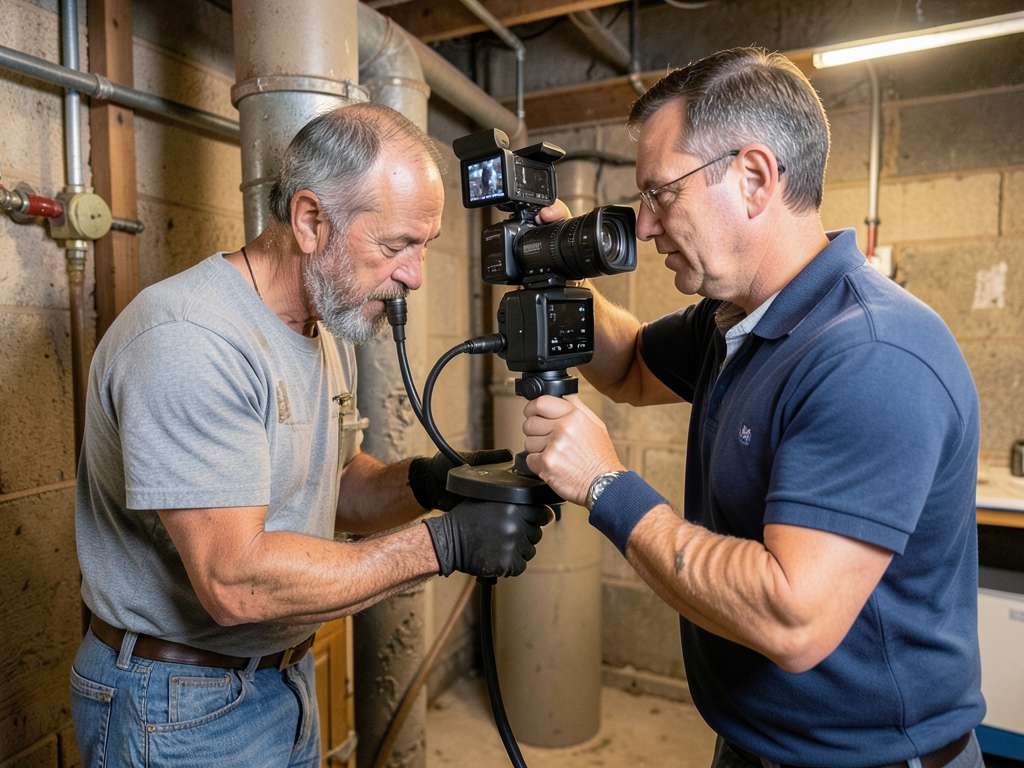
Modern sewer repair starts with a video camera inspection that snakes through your pipes to find the exact location and cause of the blockage. In East Side homes, technicians often discover collapsed clay pipes, severe root intrusion, or separated pipe joints that allow sewage to leak into the surrounding soil.
Once the problem is identified, the plumber may use hydro-jetting to clear roots and debris. This high-pressure water cleaning can restore flow temporarily, but if roots have grown through the pipe walls, you’ll need more permanent repairs. The camera inspection provides proof of the problem and helps you make informed decisions about repairs.. Read more about Hydro jetting services to clear out your main sewer line in Brown Deer.
Repair options for East Side clay sewer lines
Traditional excavation involves digging a trench to access the damaged pipe section. This method works well but can destroy mature landscaping and requires permits from the City of Milwaukee. For East Side homes with established gardens and narrow lots, this disruption can be significant.
Trenchless repair offers a less invasive alternative. Pipe bursting breaks the old clay pipe while simultaneously pulling a new pipe through the space. Cured-in-place pipe (CIPP) lining creates a new pipe inside the old one without digging. Both methods preserve your landscaping and can be completed in a day rather than a week.. Read more about Fast 24 hour emergency plumbers who serve the Germantown area.
The best option depends on your pipe’s condition. If the clay pipe is severely collapsed or has major offsets, trenchless methods may not work. Your plumber should explain all options and help you understand which repair meets Milwaukee’s building codes and will last for decades.
Milwaukee permit requirements and code compliance
Sewer line repairs in Milwaukee require permits from the Department of Public Works. The city mandates specific materials and installation methods to prevent future problems. For example, new pipes must have proper slope (typically 1/4 inch per foot) to ensure proper drainage.
Milwaukee also requires backflow prevention devices in certain areas to prevent sewage from entering your home during system overloads. These valves automatically close when water tries to flow backward, protecting your basement from contamination during heavy rain events.
Working with a plumber who understands these requirements saves time and prevents costly mistakes. They’ll handle permit applications, coordinate inspections, and ensure your repair meets all local codes. This expertise is especially important in historic East Side districts where preservation guidelines may apply.
Preventing future sewer line problems
After repairing your sewer line, take steps to prevent future backups. Install a backwater valve if you don’t have one—this simple device can save you thousands in flood damage. Consider replacing old clay pipes with modern PVC, which resists root intrusion and lasts 100+ years.
Regular maintenance helps too. Have your sewer line inspected every 2-3 years with a camera to catch problems early. Keep trees with aggressive roots (like willows and poplars) away from sewer lines, and consider root barriers for existing trees near your pipes.
Also, be mindful of what goes down your drains. Grease, wipes, and other non-biodegradable items can cause blockages even in new pipes. East Side homes with older plumbing systems are especially vulnerable to these common causes of sewer backups. Smelly Drains & Sewer Odors.
Cost factors for East Side sewer repairs
Sewer line repair costs vary widely based on the repair method, pipe length, and accessibility. Trenchless repairs typically cost $80-120 per foot, while traditional excavation runs $50-100 per foot plus restoration costs. East Side homes often face higher costs due to narrow lots and the need to preserve historic features.
Additional factors include permit fees ($200-500 in Milwaukee), the need for temporary plumbing during repairs, and potential landscaping restoration. If your sewer line connects to the city main under the street, repairs become more complex and expensive due to traffic control and street restoration requirements.
Many homeowners insurance policies don’t cover sewer backups, so check your coverage before problems occur. Some companies offer specific sewer backup riders for a few dollars per month that can save you thousands if disaster strikes.
Choosing the right plumber for your East Side home
Not all plumbers have experience with East Side’s unique challenges. Look for contractors familiar with clay pipe repair, trenchless technology, and Milwaukee’s specific building codes. They should provide detailed written estimates, explain repair options clearly, and offer warranties on their work.
Check reviews specifically mentioning sewer repair and East Side service. A good plumber will arrive quickly, diagnose the problem accurately, and provide a clear plan for repair. They should also help you understand permit requirements and coordinate with the city if street work is needed.
Emergency availability matters too. Sewer backups don’t wait for business hours, and delays can lead to extensive water damage and mold growth. Choose a plumber who offers 24/7 emergency service and can mobilize quickly when you need them most.
Protecting your investment in East Side real estate
Your East Side home represents a significant investment, and proper sewer maintenance protects that value. Homes with updated plumbing systems sell faster and command higher prices than those with known sewer problems. Addressing sewer issues proactively can prevent the kind of damage that reduces property values.
Consider a sewer line inspection before buying an East Side home. Many buyers skip this step, only to discover expensive problems after closing. A thorough inspection can reveal hidden issues and give you leverage in negotiations or help you avoid a money pit.
For current homeowners, regular maintenance and timely repairs keep your sewer system functioning properly. This prevents the kind of emergency that disrupts your life and empties your wallet. East Side’s historic charm is worth preserving, and that includes maintaining the infrastructure that makes modern living possible.
Frequently Asked Questions
How do I know if my East Side home has clay sewer pipes?
Homes built before 1950 in Milwaukee likely have clay pipes. You can verify by checking building permits or having a plumber inspect your system with a camera. Clay pipes are typically 4-6 inches in diameter and have a distinctive orange color.
Can I prevent tree roots from damaging my sewer line?
While you can’t stop roots completely, you can minimize damage by choosing trees with non-invasive root systems, installing root barriers, and having regular sewer line cleanings. Chemical root treatments can also help, but they’re not a permanent solution for existing intrusions.
How long does sewer line repair take in East Side homes?
Trenchless repairs typically take 1-2 days, while traditional excavation can take 3-5 days plus time for permits and inspections. Weather, soil conditions, and the complexity of connecting to city lines can affect these timelines.
Is sewer line repair covered by homeowners insurance?
Standard policies usually don’t cover sewer line repairs, but many insurers offer optional sewer backup coverage for $50-100 per year. Check your policy or call your agent to understand your coverage before problems occur.
What’s the difference between a sewer line and a drain line?
Drain lines carry water from individual fixtures to the main sewer line. The sewer line is the primary pipe that carries all wastewater from your home to the city sewer system or septic tank. Problems in the main sewer line affect your entire home.
How much does it cost to replace a sewer line in Milwaukee?
Costs range from $3,000 to $15,000 depending on length, method, and site conditions. East Side homes often fall on the higher end due to narrow lots, mature landscaping, and the need to preserve historic features. Get multiple estimates before proceeding.
Can I repair my sewer line myself?
Sewer line repair requires specialized equipment, knowledge of local codes, and often permits. DIY repairs can lead to code violations, incomplete fixes, and potential health hazards. Professional plumbers have the tools and expertise to do the job safely and correctly.
What should I do while waiting for the plumber to arrive?
Stop using all water, protect family members from contaminated areas, and document the damage with photos for insurance purposes. If sewage is actively backing up, try to contain it with towels or a wet vacuum, but prioritize safety over cleanup.
How can I tell if the problem is in my line or the city’s?
If multiple homes on your street have similar problems, it might be a city main issue. If only your home is affected, the problem is likely in your line. A plumber can determine this with a camera inspection and may need to coordinate with the city for street-level repairs.
What’s the lifespan of a new sewer line?
Modern PVC sewer lines can last 100+ years with proper installation. Trenchless repairs using CIPP lining typically come with 50-year warranties. The key is proper installation and avoiding the extreme conditions that damaged your original clay pipes.
Should I get a sewer line inspection before buying an East Side home?
Absolutely. A sewer inspection costs $200-400 but can reveal $10,000+ problems. Many buyers skip this step, only to face expensive repairs shortly after purchase. An inspection gives you negotiating power or helps you walk away from a potential money pit.
How do I maintain my new sewer line?
Have your line inspected every 2-3 years, avoid flushing non-biodegradable items, and keep problematic trees away from the line. Consider annual root treatments if you have trees nearby. Proper maintenance can prevent the need for another expensive repair.
What’s the difference between trenchless and traditional sewer repair?
Trenchless repair fixes pipes from inside without digging, preserving landscaping and taking less time. Traditional excavation involves digging a trench to access the pipe, which is often necessary for severely damaged lines but causes more disruption and takes longer.
Don’t wait until sewage floods your basement
Sewer line problems in East Side homes require immediate attention from professionals who understand Milwaukee’s unique infrastructure challenges. The combination of aging clay pipes, high-clay soil, and mature urban trees creates a perfect storm for sewer failure that can strike without warning.
When you notice warning signs like gurgling toilets, slow drains, or foul odors, don’t wait for a full backup. Call (414) 375-7955 today to schedule an inspection. Our experienced team specializes in East Side sewer repairs and can diagnose problems quickly, explain your options clearly, and get your plumbing working properly again.
Whether you need emergency service now or want to prevent future problems, we’re here to help. Our trenchless repair options minimize disruption to your historic home while providing lasting solutions. Don’t let a sewer backup ruin your East Side property—take action before disaster strikes.
{
“@context”: “https://schema.org”,
“@type”: “BlogPosting”,
“headline”: “How to handle a sewer line backup in your historic East Side home”,
“description”: “East Side homes built before 1950 often have clay pipes that crack and collapse. Learn how to spot sewer backup signs, what causes them, and how to fix them fast.”,
“wordCount”: 2238,
“datePublished”: “2026-02-16T07:29:00.000Z”,
“dateModified”: “2026-02-16T07:29:00.000Z”,
“inLanguage”: “en-US”,
“mainEntityOfPage”: {
“@type”: “WebPage”,
“@id”: “https://eliteplumbingmilwaukee.com”
},
“publisher”: {
“@type”: “LocalBusiness”,
“name”: “Elite Plumbing Milwaukee”,
“url”: “https://eliteplumbingmilwaukee.com”
},
“author”: {
“@type”: “Organization”,
“name”: “Elite Plumbing Milwaukee”,
“url”: “https://eliteplumbingmilwaukee.com”
},
“image”: {
“@type”: “ImageObject”,
“url”: “https://eliteplumbingmilwaukee.com/wp-content/uploads/2026/03/how-to-handle-a-sewer-line-backup-in-your-historic-1.png”
}
}
{
“@context”: “https://schema.org”,
“@type”: “Plumber”,
“name”: “Elite Plumbing Milwaukee”,
“url”: “https://eliteplumbingmilwaukee.com”,
“address”: {
“@type”: “PostalAddress”,
“addressLocality”: “Milwaukee”
},
“areaServed”: {
“@type”: “City”,
“name”: “Milwaukee”
}
}
{
“@context”: “https://schema.org”,
“@type”: “FAQPage”,
“mainEntity”: [
{
“@type”: “Question”,
“name”: “How do I know if my East Side home has clay sewer pipes?”,
“acceptedAnswer”: {
“@type”: “Answer”,
“text”: “Homes built before 1950 in Milwaukee likely have clay pipes. You can verify by checking building permits or having a plumber inspect your system with a camera. Clay pipes are typically 4-6 inches in diameter and have a distinctive orange color.”
}
},
{
“@type”: “Question”,
“name”: “Can I prevent tree roots from damaging my sewer line?”,
“acceptedAnswer”: {
“@type”: “Answer”,
“text”: “While you can’t stop roots completely, you can minimize damage by choosing trees with non-invasive root systems, installing root barriers, and having regular sewer line cleanings. Chemical root treatments can also help, but they’re not a permanent solution for existing intrusions.”
}
},
{
“@type”: “Question”,
“name”: “How long does sewer line repair take in East Side homes?”,
“acceptedAnswer”: {
“@type”: “Answer”,
“text”: “Trenchless repairs typically take 1-2 days, while traditional excavation can take 3-5 days plus time for permits and inspections. Weather, soil conditions, and the complexity of connecting to city lines can affect these timelines.”
}
},
{
“@type”: “Question”,
“name”: “Is sewer line repair covered by homeowners insurance?”,
“acceptedAnswer”: {
“@type”: “Answer”,
“text”: “Standard policies usually don’t cover sewer line repairs, but many insurers offer optional sewer backup coverage for $50-100 per year. Check your policy or call your agent to understand your coverage before problems occur.”
}
},
{
“@type”: “Question”,
“name”: “What’s the difference between a sewer line and a drain line?”,
“acceptedAnswer”: {
“@type”: “Answer”,
“text”: “Drain lines carry water from individual fixtures to the main sewer line. The sewer line is the primary pipe that carries all wastewater from your home to the city sewer system or septic tank. Problems in the main sewer line affect your entire home.”
}
},
{
“@type”: “Question”,
“name”: “How much does it cost to replace a sewer line in Milwaukee?”,
“acceptedAnswer”: {
“@type”: “Answer”,
“text”: “Costs range from $3,000 to $15,000 depending on length, method, and site conditions. East Side homes often fall on the higher end due to narrow lots, mature landscaping, and the need to preserve historic features. Get multiple estimates before proceeding.”
}
},
{
“@type”: “Question”,
“name”: “Can I repair my sewer line myself?”,
“acceptedAnswer”: {
“@type”: “Answer”,
“text”: “Sewer line repair requires specialized equipment, knowledge of local codes, and often permits. DIY repairs can lead to code violations, incomplete fixes, and potential health hazards. Professional plumbers have the tools and expertise to do the job safely and correctly.”
}
},
{
“@type”: “Question”,
“name”: “What should I do while waiting for the plumber to arrive?”,
“acceptedAnswer”: {
“@type”: “Answer”,
“text”: “Stop using all water, protect family members from contaminated areas, and document the damage with photos for insurance purposes. If sewage is actively backing up, try to contain it with towels or a wet vacuum, but prioritize safety over cleanup.”
}
},
{
“@type”: “Question”,
“name”: “How can I tell if the problem is in my line or the city’s?”,
“acceptedAnswer”: {
“@type”: “Answer”,
“text”: “If multiple homes on your street have similar problems, it might be a city main issue. If only your home is affected, the problem is likely in your line. A plumber can determine this with a camera inspection and may need to coordinate with the city for street-level repairs.”
}
},
{
“@type”: “Question”,
“name”: “What’s the lifespan of a new sewer line?”,
“acceptedAnswer”: {
“@type”: “Answer”,
“text”: “Modern PVC sewer lines can last 100+ years with proper installation. Trenchless repairs using CIPP lining typically come with 50-year warranties. The key is proper installation and avoiding the extreme conditions that damaged your original clay pipes.”
}
},
{
“@type”: “Question”,
“name”: “Should I get a sewer line inspection before buying an East Side home?”,
“acceptedAnswer”: {
“@type”: “Answer”,
“text”: “Absolutely. A sewer inspection costs $200-400 but can reveal $10,000+ problems. Many buyers skip this step, only to face expensive repairs shortly after purchase. An inspection gives you negotiating power or helps you walk away from a potential money pit.”
}
},
{
“@type”: “Question”,
“name”: “How do I maintain my new sewer line?”,
“acceptedAnswer”: {
“@type”: “Answer”,
“text”: “Have your line inspected every 2-3 years, avoid flushing non-biodegradable items, and keep problematic trees away from the line. Consider annual root treatments if you have trees nearby. Proper maintenance can prevent the need for another expensive repair.”
}
},
{
“@type”: “Question”,
“name”: “What’s the difference between trenchless and traditional sewer repair?”,
“acceptedAnswer”: {
“@type”: “Answer”,
“text”: “Trenchless repair fixes pipes from inside without digging, preserving landscaping and taking less time. Traditional excavation involves digging a trench to access the pipe, which is often necessary for severely damaged lines but causes more disruption and takes longer.”
}
}
]
}
{
“@context”: “https://schema.org”,
“@type”: “BreadcrumbList”,
“itemListElement”: [
{
“@type”: “ListItem”,
“position”: 1,
“name”: “Home”,
“item”: “https://eliteplumbingmilwaukee.com”
},
{
“@type”: “ListItem”,
“position”: 2,
“name”: “Blog”,
“item”: “https://eliteplumbingmilwaukee.com/blog”
},
{
“@type”: “ListItem”,
“position”: 3,
“name”: “How to handle a sewer line backup in your historic East Side home”
}
]
}
{
“@context”: “https://schema.org”,
“@type”: “Service”,
“serviceType”: “Plumbing”,
“provider”: {
“@type”: “LocalBusiness”,
“name”: “Elite Plumbing Milwaukee”,
“url”: “https://eliteplumbingmilwaukee.com”
},
“areaServed”: {
“@type”: “City”,
“name”: “Milwaukee”
},
“description”: “East Side homes built before 1950 often have clay pipes that crack and collapse. Learn how to spot sewer backup signs, what causes them, and how to fix them fast.”
}