
How to Plan the Drain Lines for a New Basement Bathroom in Mequon
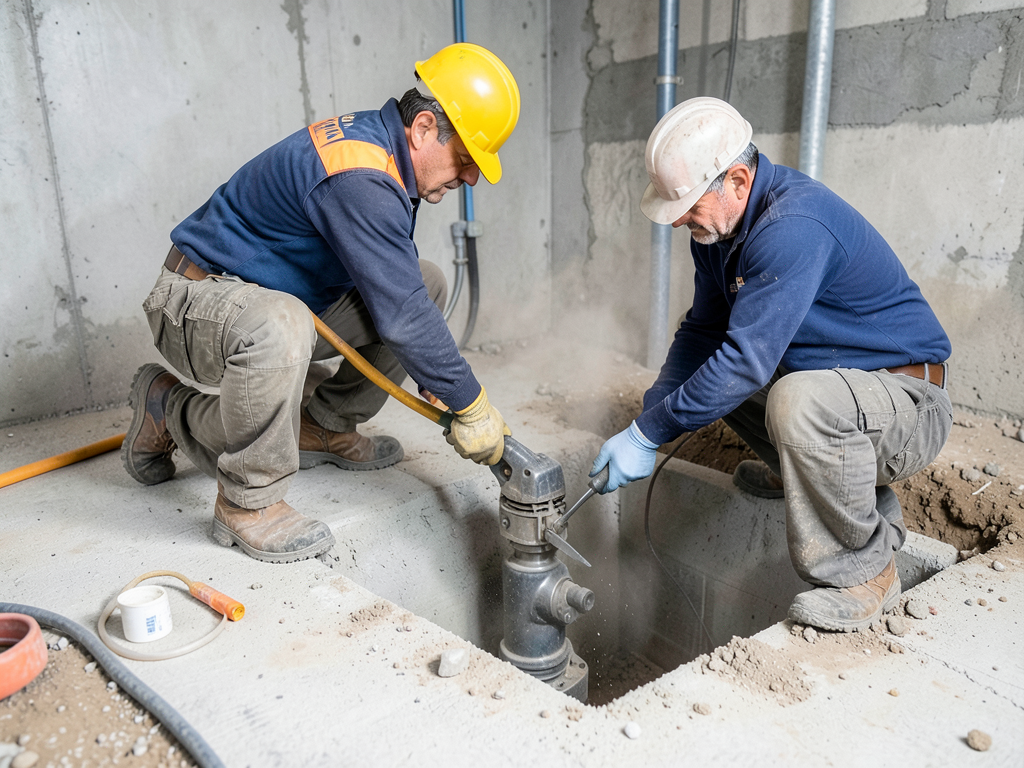
Adding a bathroom to your Mequon basement requires careful planning of drain lines to handle wastewater when gravity alone won’t work. Below-grade bathrooms need specialized systems like sewage ejector pumps because standard drain pipes rely on downward slope to move waste to the main sewer line. In Mequon’s older neighborhoods with clay soil and high water tables, proper planning prevents backups and flooding. Who to call when your Bay View basement floods at 3 AM.
Before cutting concrete or installing fixtures, you need to understand your basement’s plumbing layout, local building codes, and the specific equipment required. Mequon building permits require detailed plumbing plans showing pipe sizes, pump locations, and venting configurations. The Wisconsin Department of Safety and Professional Services mandates that all below-grade plumbing meet specific code requirements for health and safety. Wisconsin Department of Safety and Professional Services.
The first step is locating your main sewer line and measuring the vertical distance between your basement floor and the sewer connection. If this distance is less than 4 feet, you may need a sewage ejector pump system. Mequon homes in areas like Thiensville and Freistadt often require these systems due to the area’s glacial till soil composition that affects drainage patterns. Professional drain cleaning in Shorewood for stubborn kitchen clogs.
Planning also involves determining fixture placement to minimize pipe runs and ensure proper venting. Every bathroom fixture needs a P-trap and proper vent connection to prevent sewer gases from entering your home. Mequon’s building department requires that all basement bathroom plans include detailed venting diagrams before issuing permits. EPA WaterSense program.
Understanding Basement Bathroom Plumbing Systems
Basement bathrooms operate differently than upstairs bathrooms because they work against gravity. When waste exits a basement toilet or sink, it flows into a collection pit where a pump activates to push it up and out to the main sewer line. This system requires careful sizing and placement to handle peak usage times.. Read more about How to get rid of that damp basement smell in your older Bay View home.
The collection pit, typically 18-30 inches in diameter and 24-36 inches deep, sits below the basement floor level. Inside this pit, a sewage ejector pump activates when wastewater reaches a specific level. Mequon’s clay soil can affect pump performance, requiring larger pits or more powerful pumps in some areas. The best options for water heater replacement in Wauwatosa.
Three main pump types serve basement bathrooms: sewage ejector pumps for standard waste, grinder pumps for tougher materials, and macerating systems for smaller installations. Each has different requirements for pit size, power needs, and maintenance schedules. The choice depends on your bathroom’s size, fixture count, and local soil conditions.
Proper venting prevents pressure buildup and allows sewer gases to escape safely through the roof. Basement bathroom vents connect to the home’s main vent stack or run independently through the roof. Mequon’s cold winters mean vent pipes need proper insulation to prevent freezing and blockage. What to do if your pipes freeze during a Milwaukee cold snap.
Step-by-Step Planning Process for Mequon Basement Bathrooms
- Assess Existing Plumbing Infrastructure
Locate the main sewer line, water supply lines, and existing vent stacks. Measure distances from your proposed bathroom location to these connections. Mequon homes built before 1980 often have cast iron pipes that may need replacement during your remodel.. Read more about Things to consider before installing a luxury steam shower in your Whitefish Bay home.
- Determine Pump Requirements
Calculate the total fixture units (bathroom sink = 1 unit, toilet = 3 units, shower = 2 units). Multiply by 10 to get the minimum pump capacity in gallons per minute. For example, a full bathroom with toilet, sink, and shower needs at least a 60 GPM pump.
- Plan Concrete Trench Layout
Mark where you’ll cut the basement floor to install drain lines and the pump pit. Trenches need to be at least 12 inches wide and deep enough to allow proper pipe slope (minimum 1/4 inch per foot). Mequon’s frost line of 48 inches affects trench depth requirements.
- Design Venting System
Plan vent pipe routes that connect to existing vents or run through the roof. Vent pipes must be at least 1.5 inches for bathroom fixtures and slope upward at least 1/4 inch per foot. Proper venting prevents trap siphonage and allows smooth drainage.
- Obtain Mequon Building Permits
Submit detailed plumbing plans including pipe sizes, pump specifications, and venting diagrams. Mequon requires two inspections: one for rough-in plumbing before concrete is poured, and another final inspection after completion. Permit fees vary by project scope but typically range from $200-500.
Critical Components and Code Requirements
Wisconsin plumbing code requires specific materials and installation methods for basement bathrooms. Drain pipes must be Schedule 40 PVC or cast iron, with minimum slopes of 1/4 inch per foot for pipes 3 inches and smaller. Larger pipes can have slopes up to 1/2 inch per foot.
Backwater valves prevent sewage from backing up into your basement during heavy rain or main sewer line blockages. Mequon’s combined sewer system in older areas makes these valves essential. The valve installs in the main sewer line where it exits your foundation, providing one-way flow protection.
Check valves on ejector pumps prevent backflow when the pump shuts off. These should be accessible for maintenance and testing. Mequon code requires audible and visual alarms to alert homeowners of pump failures, especially important during heavy storms when pump failure could cause flooding.
Water supply lines need proper insulation to prevent freezing in Mequon’s cold climate. PEX piping has become popular for basement installations due to its flexibility and freeze resistance. Supply lines should run through warm areas or be insulated with foam sleeves rated for cold temperatures.
Electrical requirements include GFCI protection for all bathroom outlets and a dedicated circuit for the pump system. The pump needs a 15-20 amp circuit depending on horsepower. Mequon electrical inspections verify proper grounding and bonding of all plumbing fixtures.
Common Mequon Basement Plumbing Challenges
Mequon’s glacial till soil creates unique drainage challenges. The clay content slows water absorption, increasing the load on ejector pumps during heavy rains. Homes near the Milwaukee River or in low-lying areas may experience higher water tables, requiring larger pump pits or dual-pump systems for redundancy. Reliable Milwaukee sump pump repair services to keep your basement dry.
Older Mequon homes built before 1970 often have deteriorating cast iron drain pipes. These pipes can collapse or develop severe scale buildup, reducing flow capacity. During basement bathroom planning, inspect existing drain lines for signs of deterioration like slow drains or recurring clogs.
Foundation cracks in Mequon’s older homes can allow groundwater infiltration, overwhelming pump systems. Before installing a basement bathroom, address any foundation issues. Waterproofing the basement walls and floor helps protect your new bathroom from moisture damage and reduces pump workload.. Read more about The pros and cons of installing a utility sink in your West Allis garage.
Power outages during Mequon’s winter storms can disable ejector pumps, causing backups. Battery backup systems provide 24-48 hours of operation during outages. These systems automatically activate when main power fails, giving you time to address the outage or arrange for generator power.
Freezing temperatures affect vent pipes and exposed supply lines. Mequon experiences temperatures below zero Fahrenheit several times each winter. Proper insulation and heat tape installation prevent freeze damage to critical plumbing components.
Cost Factors and Budget Planning
Basement bathroom plumbing costs vary significantly based on project complexity. A basic system with a single toilet and sink might cost $3,000-5,000 for plumbing work alone. Full bathrooms with showers or tubs can exceed $8,000-12,000 for the rough-in plumbing.
Pump system costs depend on capacity and features. A basic 1/2 HP sewage ejector pump costs $400-600, while high-end systems with alarms and battery backup cost $1,200-2,000. Grinder pumps for tougher waste handling add $300-500 to the base cost.
Concrete cutting and repair represents a significant expense. Cutting a 4×4 foot section for a pump pit costs $500-800. Trenching for drain lines adds $200-400 per linear foot, depending on concrete thickness and reinforcement.
Permit costs in Mequon range from $200-500 depending on project scope. Additional fees apply for inspections and plan reviews. Factor in potential costs for updating old plumbing, waterproofing, or electrical upgrades that may be required during the project.
DIY plumbing saves labor costs but risks code violations and future problems. Professional installation ensures compliance with Mequon building codes and provides warranty protection. Compare quotes from multiple licensed plumbers, verifying their Wisconsin Master Plumber credentials.
Maintenance and Troubleshooting Guide
Regular maintenance prevents most basement bathroom plumbing problems. Check the pump pit monthly for debris and clean it annually. Test the pump by pouring water into the pit and verifying it activates properly. Listen for unusual noises that might indicate bearing wear or impeller damage.
Clean pump filters every six months to prevent clogs. Mequon’s water contains minerals that can accumulate in pump components. Use vinegar or commercial descaling solutions to remove buildup. Replace worn seals and gaskets to prevent leaks.
Test alarm systems monthly by disconnecting power briefly to verify the backup activates. Replace alarm batteries annually. Keep spare fuses and basic repair parts on hand for quick fixes during emergencies.
Monitor for signs of pump failure like slow drainage, gurgling sounds, or sewage odors. These symptoms indicate problems that need immediate attention. Mequon’s clay soil can cause pump overheating if the pit lacks proper ventilation or cooling.
Schedule professional inspections every two years to check pump performance, electrical connections, and alarm systems. Professional plumbers can identify wear patterns and recommend preventive maintenance before failures occur.
Choosing the Right Contractor in Mequon
Selecting a qualified plumber for your basement bathroom project requires careful evaluation. Verify Wisconsin Master Plumber licensing through the DSPS website. Check for proper insurance coverage including liability and workers’ compensation. Mequon requires contractors to carry specific insurance for work within city limits.
Experience with basement plumbing systems matters more than general plumbing experience. Ask potential contractors about their experience with sewage ejector pumps, Mequon building codes, and similar projects in your neighborhood. Request references from recent basement bathroom installations.
Obtain detailed written estimates that specify materials, pump models, and scope of work. Compare proposals based on total value rather than just price. The cheapest option often leads to problems that cost more to fix later.
Check online reviews focusing on basement bathroom projects rather than general plumbing services. Look for patterns in feedback about communication, cleanup, and code compliance. Mequon residents often share experiences on neighborhood social media groups.
Ask about warranty coverage for both labor and materials. Quality contractors offer at least one-year labor warranties and manufacturer warranties on pump systems. Clarify who handles warranty claims and repairs if problems arise after completion.
Frequently Asked Questions
How long does it take to install basement bathroom plumbing in Mequon?
Most basement bathroom plumbing installations take 3-5 days for the rough-in work, plus additional time for inspections and finishing. Weather rarely affects indoor work, but permit processing can add 1-2 weeks to the timeline. Complex projects with foundation work may take 2-3 weeks total.
Do I need a permit for a basement bathroom in Mequon?
Yes, Mequon requires building permits for all basement bathroom installations. The permit process includes submitting detailed plumbing plans, paying fees, and scheduling inspections. Work without permits can result in fines and may void your home insurance coverage.
Can I install a basement bathroom without an ejector pump?
Only if your sewer line enters the basement at a depth below your bathroom fixtures. Most Mequon basements require ejector pumps because sewer lines typically exit the foundation above basement floor level. A professional assessment determines if gravity drainage is possible for your specific situation.
What happens if my ejector pump fails?
Pump failure causes wastewater to back up into the bathroom or overflow from the pit. Most systems include alarms that sound when water levels rise too high. Having a battery backup system prevents most failures from causing damage. Emergency plumbing services can usually repair or replace pumps within 24 hours.
How much does a basement bathroom plumbing permit cost in Mequon?
Mequon building permit fees for basement bathrooms typically range from $200-500, depending on project scope. Additional fees apply for plan reviews and inspections. The city offers fee schedules online and provides estimates when you submit your permit application.
Ready to Start Your Basement Bathroom Project?
Planning basement bathroom plumbing requires expertise in Mequon’s specific building codes, soil conditions, and climate challenges. Don’t risk costly mistakes by attempting this complex project without professional guidance. Our team understands the unique requirements of Mequon homes and can help you navigate the entire process from planning to final inspection.
Call (414) 375-7955 today to schedule your basement bathroom consultation. We’ll assess your specific situation, explain your options, and provide a detailed plan that meets all Mequon building requirements. Don’t let another season pass without the extra bathroom space your family needs.
Pick up the phone and call (414) 375-7955 before the next storm hits. Our experienced team is ready to help you create the perfect basement bathroom while ensuring your plumbing system works flawlessly for years to come.
You may also find this helpful. Comparing Kohler and TOTO toilets for your Fox Point bathroom remodel.
You may also find this helpful. Why your Historic Concordia home smells like sewer gas (and how to fix the venting).
{
“@context”: “https://schema.org”,
“@type”: “BlogPosting”,
“headline”: “How to plan the drain lines for a new basement bathroom in Mequon”,
“description”: “Planning basement bathroom plumbing in Mequon? Learn about ejector pumps, trenching, venting, and local codes to avoid costly mistakes in your basement remodel.”,
“wordCount”: 2159,
“datePublished”: “2026-04-09T13:25:00.000Z”,
“dateModified”: “2026-04-09T13:25:00.000Z”,
“inLanguage”: “en-US”,
“mainEntityOfPage”: {
“@type”: “WebPage”,
“@id”: “https://eliteplumbingmilwaukee.com”
},
“publisher”: {
“@type”: “LocalBusiness”,
“name”: “Elite Plumbing Milwaukee”,
“url”: “https://eliteplumbingmilwaukee.com”
},
“author”: {
“@type”: “Organization”,
“name”: “Elite Plumbing Milwaukee”,
“url”: “https://eliteplumbingmilwaukee.com”
},
“image”: {
“@type”: “ImageObject”,
“url”: “https://eliteplumbingmilwaukee.com/wp-content/uploads/2026/03/how-to-plan-the-drain-lines-for-a-new-basement-bat-1.png”
}
}
{
“@context”: “https://schema.org”,
“@type”: “Plumber”,
“name”: “Elite Plumbing Milwaukee”,
“url”: “https://eliteplumbingmilwaukee.com”,
“address”: {
“@type”: “PostalAddress”,
“addressLocality”: “Milwaukee”
},
“areaServed”: {
“@type”: “City”,
“name”: “Milwaukee”
}
}
{
“@context”: “https://schema.org”,
“@type”: “FAQPage”,
“mainEntity”: [
{
“@type”: “Question”,
“name”: “How long does it take to install basement bathroom plumbing in Mequon?”,
“acceptedAnswer”: {
“@type”: “Answer”,
“text”: “Most basement bathroom plumbing installations take 3-5 days for the rough-in work, plus additional time for inspections and finishing. Weather rarely affects indoor work, but permit processing can add 1-2 weeks to the timeline. Complex projects with foundation work may take 2-3 weeks total.”
}
},
{
“@type”: “Question”,
“name”: “Do I need a permit for a basement bathroom in Mequon?”,
“acceptedAnswer”: {
“@type”: “Answer”,
“text”: “Yes, Mequon requires building permits for all basement bathroom installations. The permit process includes submitting detailed plumbing plans, paying fees, and scheduling inspections. Work without permits can result in fines and may void your home insurance coverage.”
}
},
{
“@type”: “Question”,
“name”: “Can I install a basement bathroom without an ejector pump?”,
“acceptedAnswer”: {
“@type”: “Answer”,
“text”: “Only if your sewer line enters the basement at a depth below your bathroom fixtures. Most Mequon basements require ejector pumps because sewer lines typically exit the foundation above basement floor level. A professional assessment determines if gravity drainage is possible for your specific situation.”
}
},
{
“@type”: “Question”,
“name”: “What happens if my ejector pump fails?”,
“acceptedAnswer”: {
“@type”: “Answer”,
“text”: “Pump failure causes wastewater to back up into the bathroom or overflow from the pit. Most systems include alarms that sound when water levels rise too high. Having a battery backup system prevents most failures from causing damage. Emergency plumbing services can usually repair or replace pumps within 24 hours.”
}
},
{
“@type”: “Question”,
“name”: “How much does a basement bathroom plumbing permit cost in Mequon?”,
“acceptedAnswer”: {
“@type”: “Answer”,
“text”: “Mequon building permit fees for basement bathrooms typically range from $200-500, depending on project scope. Additional fees apply for plan reviews and inspections. The city offers fee schedules online and provides estimates when you submit your permit application.”
}
},
{
“@type”: “Question”,
“name”: “Ready to Start Your Basement Bathroom Project?”,
“acceptedAnswer”: {
“@type”: “Answer”,
“text”: “Planning basement bathroom plumbing requires expertise in Mequon’s specific building codes, soil conditions, and climate challenges. Don’t risk costly mistakes by attempting this complex project without professional guidance. Our team understands the unique requirements of Mequon homes and can help you navigate the entire process from planning to final inspection.”
}
}
]
}
{
“@context”: “https://schema.org”,
“@type”: “HowTo”,
“name”: “Planning Basement Bathroom Plumbing”,
“step”: [
{
“@type”: “HowToStep”,
“position”: 1,
“name”: “Assess Existing Plumbing Infrastructure”,
“text”: “Locate the main sewer line, water supply lines, and existing vent stacks. Measure distances from your proposed bathroom location to these connections. Mequon homes built before 1980 often have cast iron pipes that may need replacement during your remodel.”
},
{
“@type”: “HowToStep”,
“position”: 2,
“name”: “Determine Pump Requirements”,
“text”: “Calculate the total fixture units (bathroom sink = 1 unit, toilet = 3 units, shower = 2 units). Multiply by 10 to get the minimum pump capacity in gallons per minute. For example, a full bathroom with toilet, sink, and shower needs at least a 60 GPM pump.”
},
{
“@type”: “HowToStep”,
“position”: 3,
“name”: “Plan Concrete Trench Layout”,
“text”: “Mark where you’ll cut the basement floor to install drain lines and the pump pit. Trenches need to be at least 12 inches wide and deep enough to allow proper pipe slope (minimum 1/4 inch per foot). Mequon’s frost line of 48 inches affects trench depth requirements.”
},
{
“@type”: “HowToStep”,
“position”: 4,
“name”: “Design Venting System”,
“text”: “Plan vent pipe routes that connect to existing vents or run through the roof. Vent pipes must be at least 1.5 inches for bathroom fixtures and slope upward at least 1/4 inch per foot. Proper venting prevents trap siphonage and allows smooth drainage.”
},
{
“@type”: “HowToStep”,
“position”: 5,
“name”: “Obtain Mequon Building Permits”,
“text”: “Submit detailed plumbing plans including pipe sizes, pump specifications, and venting diagrams. Mequon requires two inspections: one for rough-in plumbing before concrete is poured, and another final inspection after completion. Permit fees vary by project scope but typically range from $200-500.”
}
],
“image”: “https://eliteplumbingmilwaukee.com/wp-content/uploads/2026/03/how-to-plan-the-drain-lines-for-a-new-basement-bat-1.png”
}
{
“@context”: “https://schema.org”,
“@type”: “BreadcrumbList”,
“itemListElement”: [
{
“@type”: “ListItem”,
“position”: 1,
“name”: “Home”,
“item”: “https://eliteplumbingmilwaukee.com”
},
{
“@type”: “ListItem”,
“position”: 2,
“name”: “Blog”,
“item”: “https://eliteplumbingmilwaukee.com/blog”
},
{
“@type”: “ListItem”,
“position”: 3,
“name”: “How to plan the drain lines for a new basement bathroom in Mequon”
}
]
}
{
“@context”: “https://schema.org”,
“@type”: “Service”,
“serviceType”: “Plumbing”,
“provider”: {
“@type”: “LocalBusiness”,
“name”: “Elite Plumbing Milwaukee”,
“url”: “https://eliteplumbingmilwaukee.com”
},
“areaServed”: {
“@type”: “City”,
“name”: “Milwaukee”
},
“description”: “Planning basement bathroom plumbing in Mequon? Learn about ejector pumps, trenching, venting, and local codes to avoid costly mistakes in your basement remodel.”
}