
How to tell if your Pewaukee home needs a septic-to-sewer conversion
Your septic system works quietly underground until it doesn’t. Standing water in your yard, slow drains throughout the house, or sewage backing up into your basement are clear warning signs your system is failing. In Pewaukee, where many homes still rely on aging septic systems near Lake Pewaukee, these problems can escalate quickly into environmental hazards and property damage. Who to call when your Bay View basement floods at 3 AM.
Converting from septic to municipal sewer isn’t just about fixing a failing system. It’s about protecting your property value, eliminating ongoing maintenance costs, and ensuring your wastewater is properly treated. The Lake Pewaukee Sanitary District has been expanding sewer service to reduce the environmental impact on the lake, and many homeowners find themselves facing mandatory conversion deadlines or choosing to upgrade proactively. The best options for water heater replacement in Wauwatosa.
The conversion process involves obtaining permits from the City of Pewaukee or Lake Pewaukee Sanitary District, installing new sewer lateral lines, and properly decommissioning your existing septic tank according to Wisconsin DSPS standards. Understanding the local requirements, costs, and timeline helps you make informed decisions before your failing septic system becomes an emergency. Wisconsin Department of Natural Resources.
Warning signs your septic system needs immediate attention
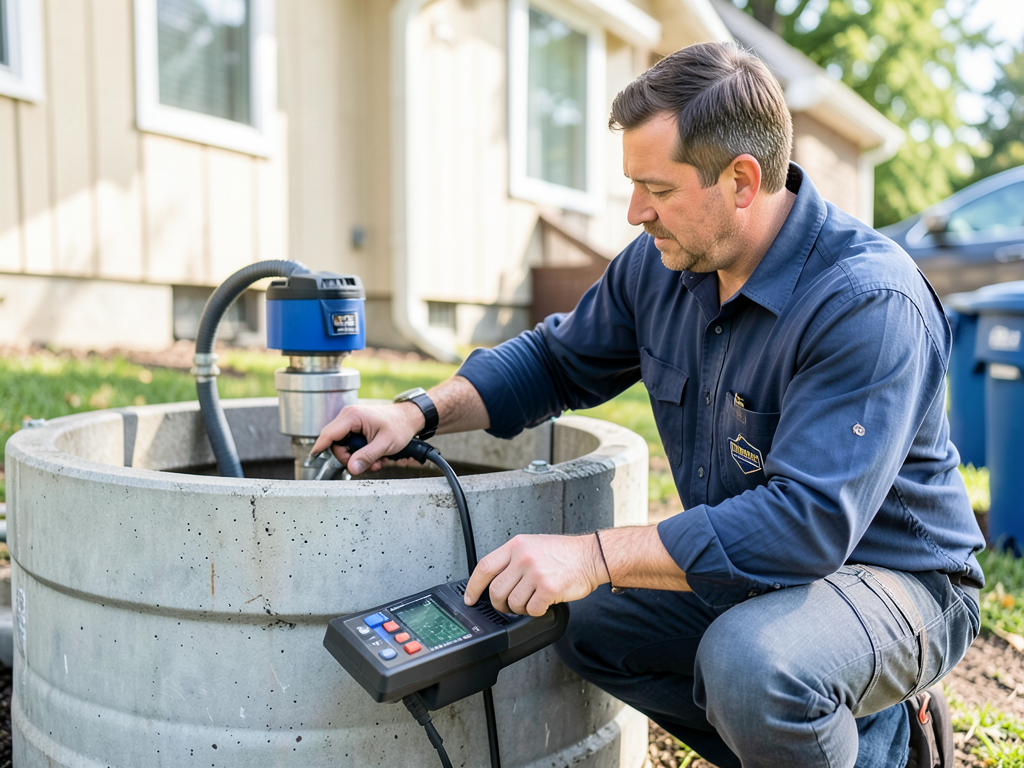
Recognizing the early warning signs of septic failure can save you thousands in emergency repairs and property damage. The most obvious indicator is sewage backing up into your home through toilets, sinks, or floor drains. This happens when your septic tank is full or your drain field is saturated and cannot absorb any more wastewater. Professional drain cleaning in Shorewood for stubborn kitchen clogs.
Standing water or soggy patches in your yard, especially near the septic tank or drain field, indicate your system is overflowing. You might notice lush, green grass growing over the drain field even during dry weather because the excess moisture and nutrients act as fertilizer. Foul odors around your property, particularly after heavy rain, suggest your system is struggling to process waste properly.
Slow drains throughout your home, gurgling sounds in your plumbing, or toilets that flush slowly are early warning signs. These symptoms often indicate your septic tank needs pumping or your drain field is beginning to fail. In Pewaukee’s clay-heavy soil conditions, drain fields can become compacted and lose their ability to absorb wastewater, accelerating system failure. Signs You Need Sewer Repair.
Another critical sign is the age of your system. Most septic systems in Wisconsin have a lifespan of 20-30 years with proper maintenance. If your home was built before 1990 and still has the original septic system, you’re likely approaching the end of its useful life, especially given Pewaukee’s freeze-thaw cycles that stress underground components. Wisconsin Department of Safety and Professional Services.
Understanding Pewaukee’s septic-to-sewer conversion requirements
The City of Pewaukee and Lake Pewaukee Sanitary District have specific requirements for septic-to-sewer conversions that differ from other Wisconsin municipalities. Property owners within the sanitary district boundaries must connect to municipal sewer when it becomes available, often within a specified timeframe after sewer lines are installed in their area.
Wisconsin DSPS plumbing code requires proper septic tank abandonment when converting to sewer service. This involves pumping out all contents, removing or crushing the tank, and filling it with sand or gravel to prevent future collapse. The Wisconsin Administrative Code SPS 382.37 specifically mandates these decommissioning procedures to protect public safety and prevent ground subsidence.
Before beginning any conversion work, you must obtain permits from both the City of Pewaukee Building Inspection Department and the Lake Pewaukee Sanitary District. These permits ensure your conversion meets local codes and that proper inspections occur at each phase of the project. The permitting process typically takes 2-4 weeks, depending on seasonal workload and the complexity of your property’s layout.
Property owners should also be aware of impact fees charged by the sanitary district. These fees help fund the maintenance and expansion of the sewer system and can range from $2,000 to $5,000 depending on your property size and water usage history. Some properties may qualify for deferred payment plans that spread these costs over several years through special assessments on property tax bills.
The step-by-step septic-to-sewer conversion process
Converting your Pewaukee home from septic to sewer involves several distinct phases, each requiring specific expertise and permits. Understanding this process helps you prepare for the timeline and temporary disruptions to your property.
First, a site assessment determines the location of your existing septic system, the depth to groundwater, and the best route for new sewer lateral lines. This assessment includes locating underground utilities using ground-penetrating radar or utility locating services to prevent damage during excavation.
Second, permit applications are submitted to the City of Pewaukee and Lake Pewaukee Sanitary District. These applications require detailed site plans showing existing structures, proposed sewer connections, and septic tank locations. The review process ensures compliance with setback requirements from property lines, wells, and other structures.
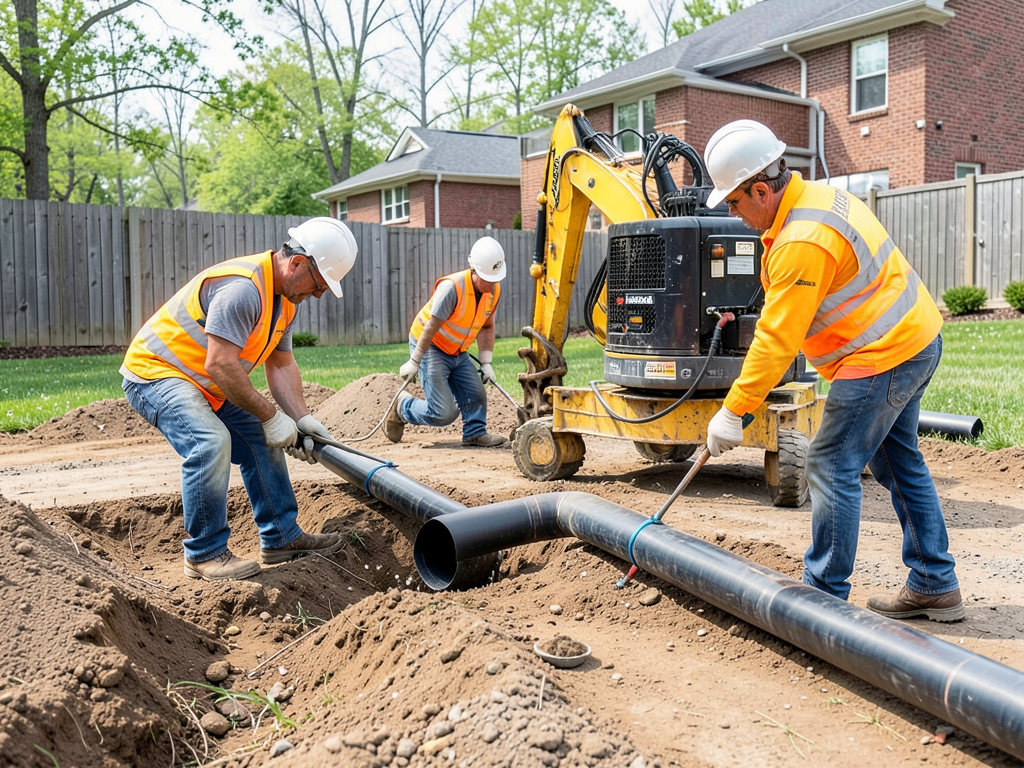
Third, excavation begins for the new sewer lateral installation. Depending on your property’s terrain and the location of the main sewer line, this may involve open trenching or directional boring to minimize landscape disruption. Pewaukee’s clay soil conditions often require wider trenches and additional bedding material to ensure proper pipe support.
Fourth, the septic tank is decommissioned according to Wisconsin DSPS standards. This critical step prevents future sinkholes and ensures environmental protection. The tank must be completely emptied by a licensed septic pumper, then either removed entirely or crushed and filled with approved material.
Finally, the new sewer lateral is connected to the municipal main, and final inspections are conducted by both the city and sanitary district. Once approved, you can cancel your septic pumping service and enjoy the benefits of reliable municipal sewer service. Reliable Milwaukee sump pump repair services to keep your basement dry.
Comparing septic maintenance costs vs. sewer connection fees
Many Pewaukee homeowners hesitate to convert from septic to sewer due to upfront costs, but when you compare long-term expenses, the financial picture becomes clearer. Understanding these cost factors helps you make an informed decision about your property’s future.
| Cost Factor | Septic System | Municipal Sewer |
|---|---|---|
| Pumping Service | $250-400 every 2-3 years | $0 |
| Repairs/Replacements | $3,000-10,000 every 20-30 years | Minimal |
| Impact Fees | $0 | $2,000-5,000 one-time |
| Monthly Service | $0 | $40-80 monthly |
| Property Value | May decrease with aging system | Typically increases |
The initial conversion costs include permit fees ($500-1,500), septic tank decommissioning ($1,000-2,500), and lateral installation ($3,000-8,000). While these upfront expenses seem significant, they eliminate the unpredictable costs of septic system failures, which can exceed $15,000 for emergency repairs and property restoration.
Property value considerations also favor sewer connections. Homes with municipal sewer typically appraise 5-10% higher than comparable properties with septic systems, particularly in areas like Pewaukee where lakefront properties command premium prices. Buyers often view septic systems as maintenance liabilities, while municipal sewer represents reliable, low-maintenance infrastructure.
Additionally, converting to sewer eliminates the risk of environmental violations. Failing septic systems can contaminate groundwater and surface water, leading to fines from the Wisconsin Department of Natural Resources. The peace of mind that comes with proper wastewater treatment often justifies the conversion investment for many homeowners.
Choosing the right contractor for your Pewaukee conversion
Not all plumbing contractors have experience with septic-to-sewer conversions, particularly in specific municipalities like Pewaukee. Selecting the right contractor ensures your project complies with local codes, stays on schedule, and avoids costly mistakes.
Look for contractors with specific experience in Waukesha County septic conversions. They should understand the Lake Pewaukee Sanitary District’s requirements, have established relationships with local inspectors, and be familiar with Pewaukee’s soil conditions and typical property layouts. Experience with similar projects in your immediate area is invaluable.
Verify that your contractor holds current Wisconsin plumbing licenses and carries adequate insurance coverage. The DSPS requires all septic work to be performed by licensed professionals, and proper insurance protects you from liability during the excavation and construction phases. Ask for proof of both licensing and insurance before signing any contracts.
Request references from recent septic-to-sewer conversion projects in Pewaukee or nearby communities. Contact these references to ask about the contractor’s communication, adherence to timelines, and how they handled unexpected issues. A reputable contractor will gladly provide references and examples of completed work.
Discuss the restoration process before work begins. Quality contractors include landscape restoration in their proposals, replacing grass, repairing driveways, and cleaning up thoroughly after excavation. Some may even provide before-and-after photos of similar projects to demonstrate their restoration capabilities.
Environmental benefits of converting to municipal sewer
The environmental impact of septic systems near Lake Pewaukee has been a growing concern for local officials and environmental groups. Converting to municipal sewer provides significant ecological benefits that extend beyond individual property improvements.
Septic systems can fail silently, releasing nitrogen, phosphorus, and bacteria into the surrounding soil and eventually into groundwater. These contaminants contribute to algae blooms in Lake Pewaukee, reducing water quality and affecting recreational use. Municipal sewer systems provide advanced wastewater treatment that removes these pollutants before they reach natural water bodies.
The Lake Pewaukee Sanitary District has documented improvements in water quality since expanding sewer service to areas previously served by septic systems. Regular testing shows reduced levels of nitrates and bacteria in areas where conversions have occurred, demonstrating the positive impact of centralized wastewater treatment on the lake’s ecosystem.
Converting also eliminates the risk of catastrophic septic failures during heavy rainfall events. Pewaukee’s location in southeastern Wisconsin means it experiences significant spring rains that can saturate drain fields and cause system overflows. Municipal sewer systems are designed to handle these peak flows without environmental contamination.
For properties near the lake or on smaller lots where proper drain field installation is challenging, municipal sewer provides a reliable solution that protects both the environment and neighboring properties. The district’s expansion plans prioritize these environmentally sensitive areas to maximize water quality improvements.
Timeline and preparation for your conversion project
Understanding the timeline for a septic-to-sewer conversion helps you plan accordingly and minimize disruptions to your household. From initial consultation to final inspection, the entire process typically takes 4-8 weeks, depending on permit processing times and weather conditions.
The first two weeks involve site assessment, permit applications, and utility locating. During this phase, your contractor will map out the project scope, submit drawings to the city and sanitary district, and schedule any required pre-construction meetings. Weather delays are uncommon during this administrative phase.
Weeks three and four focus on excavation and installation. This is when your property experiences the most disruption. Heavy equipment will be on-site, and sections of your yard will be excavated to install the new sewer lateral. Most homeowners can remain in their homes during this phase, though water service may be temporarily interrupted during connection work.
Week five involves septic tank decommissioning and final connections. This critical phase ensures your old system is properly abandoned before the new sewer service becomes active. The decommissioning process typically takes 1-2 days, depending on tank size and accessibility.
Final inspections and restoration occur in weeks six through eight. Once inspections pass, your contractor will restore your landscape, repair any damaged surfaces, and ensure your property is returned to its pre-construction condition or better. Some restoration work may extend beyond the eighth week depending on weather and material availability.
Before work begins, prepare your property by marking any special landscaping features, relocating outdoor furniture, and discussing access requirements with your contractor. Clear communication about your priorities for restoration helps ensure the final result meets your expectations.
Frequently Asked Questions
How do I know if I’m in the Lake Pewaukee Sanitary District?
You can check the sanitary district’s service area map on their website or contact their office directly. Properties within the district boundaries are required to connect when sewer becomes available in their area.
Can I keep my septic system if it’s still working?
If you’re within the sanitary district and sewer is available, you’re typically required to convert within a specified timeframe. Outside the district, you can maintain your septic system as long as it passes regular inspections and functions properly.
How long does the conversion process take?
From initial consultation to final inspection, most conversions take 4-8 weeks. Permit processing takes 2-4 weeks, while actual construction and installation typically require 2-3 weeks depending on weather and project complexity.
What happens to my yard during the conversion?
Portions of your yard will be excavated to install the new sewer lateral. Quality contractors include landscape restoration in their proposals, replacing grass, repairing driveways, and cleaning up thoroughly after the work is complete.
Are there financing options available for the conversion?
Some property owners qualify for deferred payment plans through the sanitary district, which spread impact fees over several years through special assessments. Additionally, some contractors offer financing options for the construction portion of the project.
Will I need to be home during the work?
You don’t need to be home for most of the work, though you should be available for the initial consultation and final walkthrough. However, you should plan to be home during the water service connection phase in case any issues arise.
What if my septic system fails before I can convert?
Emergency septic failures require immediate attention. If your system fails before you can complete a planned conversion, you may need temporary repairs while expediting your sewer connection plans. Contact a licensed plumber immediately if you experience sewage backups or standing water.
How much does a typical conversion cost in Pewaukee?
Most conversions in Pewaukee range from $8,000 to $15,000 total, including permits, decommissioning, and installation. This varies based on property size, soil conditions, and the distance to the nearest sewer main.
Will converting to sewer increase my property taxes?
Converting to sewer doesn’t directly increase property taxes, but you’ll pay monthly sewer service fees instead of septic maintenance costs. Some impact fees may be assessed through special tax bills over several years.
Take the next step toward reliable sewer service
Don’t wait for your failing septic system to become an emergency. The team at Elite Plumbing Milwaukee has extensive experience with septic-to-sewer conversions throughout Pewaukee and understands the specific requirements of the Lake Pewaukee Sanitary District. We handle everything from permit applications to final restoration, ensuring your project complies with all local codes and regulations.
Our licensed plumbers use proper techniques for septic tank decommissioning according to Wisconsin DSPS standards, protecting your property from future sinkholes and environmental hazards. We work efficiently to minimize disruption to your home and landscape while providing clear communication throughout the entire process.
Call (414) 375-7955 today to schedule your free site assessment and learn more about converting your Pewaukee home from septic to municipal sewer. Our team will evaluate your current system, explain your options, and provide a detailed proposal with transparent pricing. Don’t let septic problems compromise your property value or environmental responsibility – make the switch to reliable sewer service now.
Pick up the phone and call (414) 375-7955 before the next heavy rain overwhelms your failing septic system. Your property, your lake, and your peace of mind are worth the investment in proper wastewater treatment.
{
“@context”: “https://schema.org”,
“@type”: “BlogPosting”,
“headline”: “How to tell if your Pewaukee home needs a septic-to-sewer conversion”,
“description”: “Is your Pewaukee septic system failing? Learn the warning signs, local regulations, and conversion process from Wisconsin plumbing experts. Call (414) 375-7955.”,
“wordCount”: 2531,
“datePublished”: “2026-03-16T13:19:00.000Z”,
“dateModified”: “2026-03-16T13:19:00.000Z”,
“inLanguage”: “en-US”,
“mainEntityOfPage”: {
“@type”: “WebPage”,
“@id”: “https://eliteplumbingmilwaukee.com”
},
“publisher”: {
“@type”: “LocalBusiness”,
“name”: “Elite Plumbing Milwaukee”,
“url”: “https://eliteplumbingmilwaukee.com”
},
“author”: {
“@type”: “Organization”,
“name”: “Elite Plumbing Milwaukee”,
“url”: “https://eliteplumbingmilwaukee.com”
},
“image”: {
“@type”: “ImageObject”,
“url”: “https://eliteplumbingmilwaukee.com/wp-content/uploads/2026/03/how-to-tell-if-your-pewaukee-home-needs-a-septic-t-1.png”
}
}
{
“@context”: “https://schema.org”,
“@type”: “Plumber”,
“name”: “Elite Plumbing Milwaukee”,
“url”: “https://eliteplumbingmilwaukee.com”,
“address”: {
“@type”: “PostalAddress”,
“addressLocality”: “Milwaukee”
},
“areaServed”: {
“@type”: “City”,
“name”: “Milwaukee”
}
}
{
“@context”: “https://schema.org”,
“@type”: “FAQPage”,
“mainEntity”: [
{
“@type”: “Question”,
“name”: “How do I know if I’m in the Lake Pewaukee Sanitary District?”,
“acceptedAnswer”: {
“@type”: “Answer”,
“text”: “You can check the sanitary district’s service area map on their website or contact their office directly. Properties within the district boundaries are required to connect when sewer becomes available in their area.”
}
},
{
“@type”: “Question”,
“name”: “Can I keep my septic system if it’s still working?”,
“acceptedAnswer”: {
“@type”: “Answer”,
“text”: “If you’re within the sanitary district and sewer is available, you’re typically required to convert within a specified timeframe. Outside the district, you can maintain your septic system as long as it passes regular inspections and functions properly.”
}
},
{
“@type”: “Question”,
“name”: “How long does the conversion process take?”,
“acceptedAnswer”: {
“@type”: “Answer”,
“text”: “From initial consultation to final inspection, most conversions take 4-8 weeks. Permit processing takes 2-4 weeks, while actual construction and installation typically require 2-3 weeks depending on weather and project complexity.”
}
},
{
“@type”: “Question”,
“name”: “Are there financing options available for the conversion?”,
“acceptedAnswer”: {
“@type”: “Answer”,
“text”: “Some property owners qualify for deferred payment plans through the sanitary district, which spread impact fees over several years through special assessments. Additionally, some contractors offer financing options for the construction portion of the project.”
}
},
{
“@type”: “Question”,
“name”: “Will I need to be home during the work?”,
“acceptedAnswer”: {
“@type”: “Answer”,
“text”: “You don’t need to be home for most of the work, though you should be available for the initial consultation and final walkthrough. However, you should plan to be home during the water service connection phase in case any issues arise.”
}
},
{
“@type”: “Question”,
“name”: “What if my septic system fails before I can convert?”,
“acceptedAnswer”: {
“@type”: “Answer”,
“text”: “Emergency septic failures require immediate attention. If your system fails before you can complete a planned conversion, you may need temporary repairs while expediting your sewer connection plans. Contact a licensed plumber immediately if you experience sewage backups or standing water.”
}
},
{
“@type”: “Question”,
“name”: “How much does a typical conversion cost in Pewaukee?”,
“acceptedAnswer”: {
“@type”: “Answer”,
“text”: “Most conversions in Pewaukee range from $8,000 to $15,000 total, including permits, decommissioning, and installation. This varies based on property size, soil conditions, and the distance to the nearest sewer main.”
}
},
{
“@type”: “Question”,
“name”: “Will converting to sewer increase my property taxes?”,
“acceptedAnswer”: {
“@type”: “Answer”,
“text”: “Converting to sewer doesn’t directly increase property taxes, but you’ll pay monthly sewer service fees instead of septic maintenance costs. Some impact fees may be assessed through special tax bills over several years.”
}
}
]
}
{
“@context”: “https://schema.org”,
“@type”: “BreadcrumbList”,
“itemListElement”: [
{
“@type”: “ListItem”,
“position”: 1,
“name”: “Home”,
“item”: “https://eliteplumbingmilwaukee.com”
},
{
“@type”: “ListItem”,
“position”: 2,
“name”: “Blog”,
“item”: “https://eliteplumbingmilwaukee.com/blog”
},
{
“@type”: “ListItem”,
“position”: 3,
“name”: “How to tell if your Pewaukee home needs a septic-to-sewer conversion”
}
]
}
{
“@context”: “https://schema.org”,
“@type”: “Service”,
“serviceType”: “Plumbing”,
“provider”: {
“@type”: “LocalBusiness”,
“name”: “Elite Plumbing Milwaukee”,
“url”: “https://eliteplumbingmilwaukee.com”
},
“areaServed”: {
“@type”: “City”,
“name”: “Milwaukee”
},
“description”: “Is your Pewaukee septic system failing? Learn the warning signs, local regulations, and conversion process from Wisconsin plumbing experts. Call (414) 375-7955.”
}