
What to consider before installing a gas line for a professional range in New Berlin
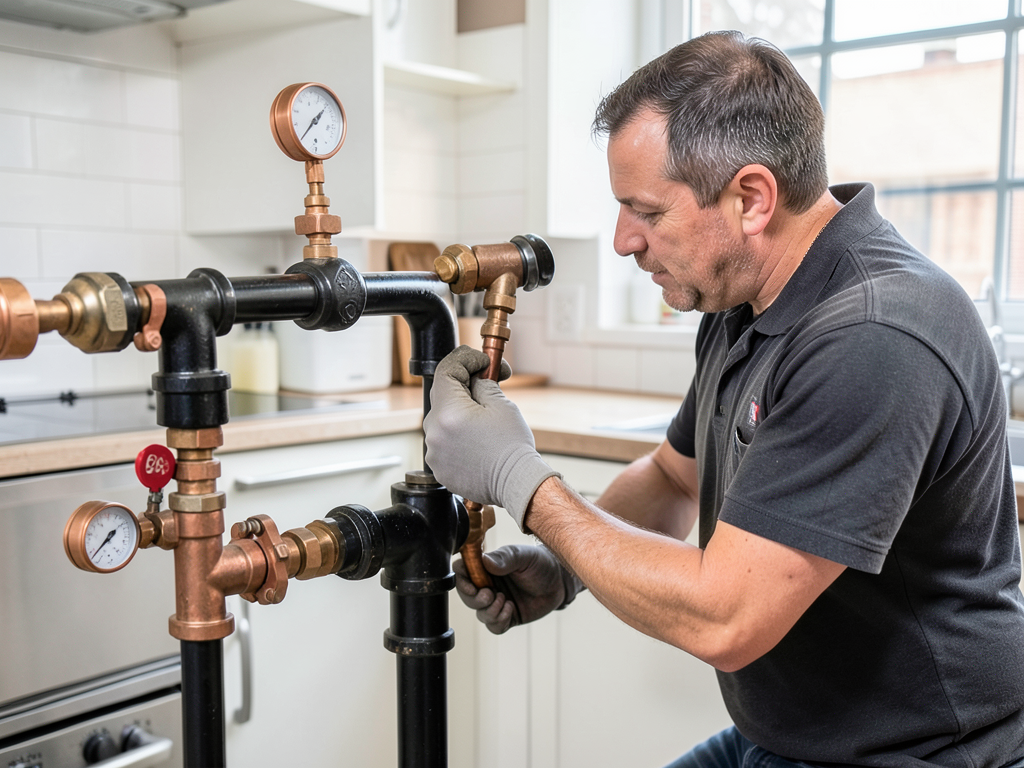
Installing a gas line for a professional range in New Berlin requires careful planning and strict adherence to safety codes. The process involves more than simply running a pipe from your meter to the kitchen. You need to consider proper pipe sizing, local building permits, and safety testing to ensure your high-BTU range operates efficiently and safely. New Berlin Building Inspection Department.
Before you begin, you must understand that professional ranges typically require higher gas volumes than standard residential stoves. A 36-inch professional range might need 60,000 to 90,000 BTUs, while a 48-inch model can demand over 120,000 BTUs. This increased demand affects everything from pipe diameter to pressure requirements. Professional drain cleaning in Shorewood for stubborn kitchen clogs.
Understanding BTU requirements for your professional range
Professional ranges in New Berlin homes often feature six to eight burners plus a griddle or charbroiler. Each burner can produce 15,000 to 25,000 BTUs, and the oven might add another 30,000 BTUs. You must calculate the total BTU demand to determine proper pipe sizing.
Most New Berlin homes built after 2000 have 1/2-inch gas lines that work for standard ranges. However, professional ranges often require 3/4-inch or even 1-inch lines. Undersized pipes create dangerous pressure drops that can cause incomplete combustion and carbon monoxide production. What to do if your pipes freeze during a Milwaukee cold snap.
Wisconsin plumbing code requires a minimum pressure drop of 0.5 inches water column at maximum BTU demand. This means your gas line must maintain adequate pressure even when all burners operate simultaneously. Wisconsin SPS 321 Plumbing Code.
Permits and code requirements in New Berlin
City of New Berlin requires permits for all new gas line installations. The New Berlin Building Inspection Department reviews plans to ensure compliance with Wisconsin plumbing code SPS 321. These permits protect you by requiring professional installation and safety inspections.
Wisconsin Master Plumber license is mandatory for any gas line work. The license ensures the installer understands gas safety, pressure testing, and proper venting requirements. Unlicensed work voids home insurance and creates liability if gas leaks occur.
Gas line installations must include proper sediment traps, shut-off valves within six feet of the appliance, and approved flexible connectors where required. The code also mandates pressure testing at 1.5 times the maximum working pressure.
Piping material choices for professional range installations
Black iron pipe remains the gold standard for gas lines in New Berlin homes. It handles high pressures, resists damage, and lasts for decades. However, black iron requires threading and can be difficult to install in finished spaces.
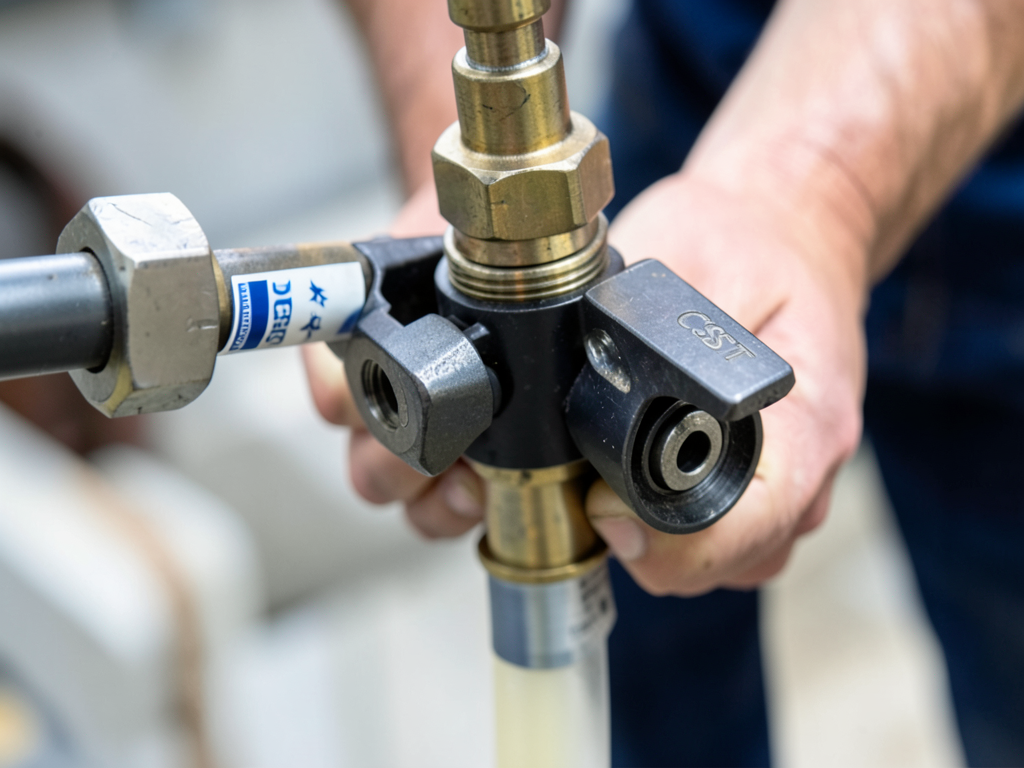
Corrugated stainless steel tubing (CSST) offers easier installation through walls and tight spaces. CSST requires special bonding to prevent lightning damage and must follow manufacturer specifications for bends and supports.
PEX gas piping provides flexibility similar to CSST but requires specific fittings and cannot be used in certain applications. Always verify local code acceptance before choosing PEX for gas lines.
Comparison of Gas Line Materials
| Material | Pros | Cons | Best Use |
|---|---|---|---|
| Black Iron | Durable, high pressure rating, code approved everywhere | Difficult to install, requires threading | Main runs, exposed areas |
| CSST | Flexible, easy to route, fewer fittings | Lightning protection required, specific bend radius | Interior runs, tight spaces |
| PEX Gas | Flexible, corrosion resistant | Limited code acceptance, specific fittings required | Approved applications only |
Professional installation process and safety testing
Professional gas line installation follows a specific sequence. First, the plumber calculates BTU requirements and pipe sizing. Next, they obtain permits and plan the route from the meter to the kitchen.
Installation begins with proper support and protection of pipes. Black iron requires hangers every six feet horizontally and within 12 inches of fittings. CSST needs specific straps and protection where it passes through walls.
After installation, pressure testing verifies system integrity. The plumber isolates the new line, pressurizes it to 1.5 times working pressure, and monitors for 15 minutes. Any pressure drop indicates leaks that must be repaired.
Leak detection uses electronic sensors and soap solution testing at all connections. Even microscopic leaks can create dangerous gas accumulation over time.
Cost factors for gas line installation in New Berlin
Gas line installation costs vary based on several factors. Line length significantly affects price since longer runs require more materials and labor. A 20-foot run might cost $800 to $1,200, while a 50-foot run could reach $2,000 to $3,500.
Material choice impacts costs. Black iron typically costs $15 to $25 per foot installed. CSST runs $10 to $20 per foot but requires additional bonding equipment. PEX gas costs $8 to $15 per foot where permitted.
Accessibility drives labor costs. Running pipes through finished walls requires drywall repair and painting. Basement installations cost less than second-floor runs through finished spaces. Who to call when your Bay View basement floods at 3 AM.
Permit fees in New Berlin range from $75 to $150 depending on project scope. Inspection fees add another $50 to $100. These costs ensure code compliance and protect your investment.
Converting from electric to gas in older New Berlin homes
Many New Berlin homes built before 1990 have only electric service. Converting to gas requires extending the main line from the street or installing a new meter if none exists.
Older homes might have undersized gas meters that cannot handle additional load. The gas company must verify meter capacity before approving new connections. Upgrading a meter adds $500 to $1,000 to project costs.
Electrical modifications often accompany gas conversions. Professional ranges require 120V or 240V electrical connections for ignition and controls. Existing circuits might need upgrades to handle the new load.
Ventilation requirements increase with professional ranges. High-BTU cooking produces more heat and combustion byproducts. You might need upgraded range hoods or additional make-up air systems.
Safety considerations and emergency procedures
Gas leaks pose serious health and safety risks. Natural gas is odorless in its natural state, but utilities add mercaptan for detection. The distinctive rotten egg smell indicates potential leaks.
Signs of gas leaks include hissing sounds near pipes, dead vegetation near buried lines, and unexplained headaches or dizziness. If you suspect a leak, evacuate immediately and call emergency services from outside the building. Signs You Need Sewer Repair.
Carbon monoxide detectors are essential when installing gas appliances. Professional ranges produce CO during operation, and proper venting prevents dangerous buildup. Install detectors on every level and near sleeping areas.
Regular maintenance includes checking flexible connectors for cracks, ensuring vents remain clear, and testing shut-off valves annually. Professional inspection every two years identifies potential issues before they become emergencies.
Why professional installation matters in New Berlin
Professional plumbers understand local conditions in New Berlin. The area’s clay soil can shift during freeze-thaw cycles, potentially damaging buried gas lines. Professionals install proper depth and protection to prevent damage.
Wisconsin winters create unique challenges. Frozen ground makes excavation difficult and can damage shallow utilities. Professionals know proper burial depths and protection methods for New Berlin’s climate.
Insurance companies require professional installation for coverage. DIY gas work voids policies and creates liability for property damage or injuries. Professional installation provides documentation for insurance claims.
Professional plumbers carry liability insurance and warranty their work. If problems develop, you have recourse through the contractor rather than facing expensive repairs alone.
Common mistakes to avoid
DIY gas line installation creates multiple hazards. Common mistakes include using incorrect pipe sizing, failing to pressure test, and improper support of pipes. These errors can cause fires, explosions, or carbon monoxide poisoning.
Skipping permits might seem cost-effective but creates serious problems. Unpermitted work cannot be inspected, may violate insurance policies, and can cause issues when selling your home. New Berlin requires permits for all gas line work.
Using incorrect materials causes failures. Galvanized pipe corrodes when used for gas, and some plastics cannot handle gas pressures. Always use materials rated for gas service.
Improper venting leads to dangerous conditions. Professional ranges require adequate make-up air and proper exhaust. Without these systems, negative pressure can draw exhaust back into living spaces.
Preparing for your professional range installation
Before installation day, clear the work area and ensure access to the installation site. Remove cabinet doors if running pipes through base cabinets. Move furniture away from walls where pipes might need to run.
Plan for temporary kitchen disruption. Gas lines require shutting off service, which means no cooking during installation. Most installations complete in one day, but complex runs might take two days.
Consider timing if doing a kitchen remodel. Install gas lines before finishing walls to avoid demolition later. Coordinate with other contractors to ensure proper sequencing of work.
Budget for unexpected issues. Older homes might have hidden problems like corroded pipes or inadequate support structures. Include a 15-20% contingency in your budget for these situations.
Frequently Asked Questions
How long does gas line installation take?
Most professional range gas line installations complete in one day. Simple runs through unfinished spaces take 4-6 hours. Complex installations through finished walls or multiple floors might require two days.
Can I install a gas line myself?
No. Wisconsin law requires licensed plumbers for gas line installation. DIY installation is illegal and dangerous. It voids insurance, creates liability, and can cause fires or explosions.
What size gas line do I need for a professional range?
Size depends on total BTU demand. Most 36-inch professional ranges require 3/4-inch lines. Larger 48-inch models might need 1-inch lines. Your plumber calculates exact requirements based on BTU ratings and line length.
How much does gas line installation cost?
Costs range from $800 to $3,500 depending on line length, materials, and accessibility. Simple basement runs cost less than second-floor installations through finished walls. Get detailed quotes including permits and inspections.
Do I need permits for gas line installation?
Yes. New Berlin requires permits for all gas line work. Permits ensure code compliance, require professional installation, and include required safety inspections. Unpermitted work creates legal and insurance problems.
What happens if there’s a gas leak?
If you smell gas or suspect a leak, evacuate immediately. Do not use phones or electrical switches inside. Call emergency services from outside. Professional plumbers use electronic detectors to locate and repair leaks.
How often should gas lines be inspected?
Professional inspection every two years identifies potential problems. Check flexible connectors annually for cracks or deterioration. Test shut-off valves yearly to ensure they operate properly.
Can I convert my electric range to gas?
Yes, but it requires gas line installation plus electrical modifications. Professional ranges need 120V or 240V for controls and ignition. Your plumber coordinates with electricians for complete conversion.
What building codes apply to gas line installation?
Wisconsin SPS 321 plumbing code governs gas installations. New Berlin enforces these codes through building permits and inspections. Codes cover pipe sizing, materials, testing, and safety requirements.
How do I choose between CSST and black iron pipe?
Choose based on installation requirements and local code. Black iron works best for exposed runs and main lines. CSST offers easier routing through walls but requires special bonding. Your plumber recommends the best option for your situation.
Installing a gas line for a professional range in New Berlin requires expertise, proper permits, and strict safety compliance. The investment protects your home and family while providing years of reliable cooking performance. Reliable Milwaukee sump pump repair services to keep your basement dry.
Don’t risk your safety with DIY installation or unlicensed contractors. Professional plumbers understand New Berlin’s specific requirements and ensure your installation meets all codes and safety standards.
Ready to upgrade your kitchen with a professional gas range? Call (414) 375-7955 today to schedule your consultation and permit application. Our licensed plumbers will handle everything from design to final inspection, ensuring your new range operates safely and efficiently for years to come.
{
“@context”: “https://schema.org”,
“@type”: “BlogPosting”,
“headline”: “What to consider before installing a gas line for a professional range in New Berlin”,
“description”: “Professional gas range installation in New Berlin requires proper permits, pipe sizing, and safety testing. Learn local codes, costs, and why expert installation matters.”,
“wordCount”: 1964,
“datePublished”: “2026-06-08T06:21:00.000Z”,
“dateModified”: “2026-06-08T06:21:00.000Z”,
“inLanguage”: “en-US”,
“mainEntityOfPage”: {
“@type”: “WebPage”,
“@id”: “https://eliteplumbingmilwaukee.com”
},
“publisher”: {
“@type”: “LocalBusiness”,
“name”: “Elite Plumbing Milwaukee”,
“url”: “https://eliteplumbingmilwaukee.com”
},
“author”: {
“@type”: “Organization”,
“name”: “Elite Plumbing Milwaukee”,
“url”: “https://eliteplumbingmilwaukee.com”
},
“image”: {
“@type”: “ImageObject”,
“url”: “https://eliteplumbingmilwaukee.com/wp-content/uploads/2026/03/what-to-consider-before-installing-a-gas-line-for-1.png”
}
}
{
“@context”: “https://schema.org”,
“@type”: “Plumber”,
“name”: “Elite Plumbing Milwaukee”,
“url”: “https://eliteplumbingmilwaukee.com”,
“address”: {
“@type”: “PostalAddress”,
“addressLocality”: “Milwaukee”
},
“areaServed”: {
“@type”: “City”,
“name”: “Milwaukee”
}
}
{
“@context”: “https://schema.org”,
“@type”: “FAQPage”,
“mainEntity”: [
{
“@type”: “Question”,
“name”: “How long does gas line installation take?”,
“acceptedAnswer”: {
“@type”: “Answer”,
“text”: “Most professional range gas line installations complete in one day. Simple runs through unfinished spaces take 4-6 hours. Complex installations through finished walls or multiple floors might require two days.”
}
},
{
“@type”: “Question”,
“name”: “Can I install a gas line myself?”,
“acceptedAnswer”: {
“@type”: “Answer”,
“text”: “No. Wisconsin law requires licensed plumbers for gas line installation. DIY installation is illegal and dangerous. It voids insurance, creates liability, and can cause fires or explosions.”
}
},
{
“@type”: “Question”,
“name”: “What size gas line do I need for a professional range?”,
“acceptedAnswer”: {
“@type”: “Answer”,
“text”: “Size depends on total BTU demand. Most 36-inch professional ranges require 3/4-inch lines. Larger 48-inch models might need 1-inch lines. Your plumber calculates exact requirements based on BTU ratings and line length.”
}
},
{
“@type”: “Question”,
“name”: “How much does gas line installation cost?”,
“acceptedAnswer”: {
“@type”: “Answer”,
“text”: “Costs range from $800 to $3,500 depending on line length, materials, and accessibility. Simple basement runs cost less than second-floor installations through finished walls. Get detailed quotes including permits and inspections.”
}
},
{
“@type”: “Question”,
“name”: “Do I need permits for gas line installation?”,
“acceptedAnswer”: {
“@type”: “Answer”,
“text”: “Yes. New Berlin requires permits for all gas line work. Permits ensure code compliance, require professional installation, and include required safety inspections. Unpermitted work creates legal and insurance problems.”
}
},
{
“@type”: “Question”,
“name”: “What happens if there’s a gas leak?”,
“acceptedAnswer”: {
“@type”: “Answer”,
“text”: “If you smell gas or suspect a leak, evacuate immediately. Do not use phones or electrical switches inside. Call emergency services from outside. Professional plumbers use electronic detectors to locate and repair leaks.”
}
},
{
“@type”: “Question”,
“name”: “How often should gas lines be inspected?”,
“acceptedAnswer”: {
“@type”: “Answer”,
“text”: “Professional inspection every two years identifies potential problems. Check flexible connectors annually for cracks or deterioration. Test shut-off valves yearly to ensure they operate properly.”
}
},
{
“@type”: “Question”,
“name”: “Can I convert my electric range to gas?”,
“acceptedAnswer”: {
“@type”: “Answer”,
“text”: “Yes, but it requires gas line installation plus electrical modifications. Professional ranges need 120V or 240V for controls and ignition. Your plumber coordinates with electricians for complete conversion.”
}
},
{
“@type”: “Question”,
“name”: “What building codes apply to gas line installation?”,
“acceptedAnswer”: {
“@type”: “Answer”,
“text”: “Wisconsin SPS 321 plumbing code governs gas installations. New Berlin enforces these codes through building permits and inspections. Codes cover pipe sizing, materials, testing, and safety requirements.”
}
},
{
“@type”: “Question”,
“name”: “How do I choose between CSST and black iron pipe?”,
“acceptedAnswer”: {
“@type”: “Answer”,
“text”: “Choose based on installation requirements and local code. Black iron works best for exposed runs and main lines. CSST offers easier routing through walls but requires special bonding. Your plumber recommends the best option for your situation.”
}
}
]
}
{
“@context”: “https://schema.org”,
“@type”: “BreadcrumbList”,
“itemListElement”: [
{
“@type”: “ListItem”,
“position”: 1,
“name”: “Home”,
“item”: “https://eliteplumbingmilwaukee.com”
},
{
“@type”: “ListItem”,
“position”: 2,
“name”: “Blog”,
“item”: “https://eliteplumbingmilwaukee.com/blog”
},
{
“@type”: “ListItem”,
“position”: 3,
“name”: “What to consider before installing a gas line for a professional range in New Berlin”
}
]
}
{
“@context”: “https://schema.org”,
“@type”: “Service”,
“serviceType”: “Plumbing”,
“provider”: {
“@type”: “LocalBusiness”,
“name”: “Elite Plumbing Milwaukee”,
“url”: “https://eliteplumbingmilwaukee.com”
},
“areaServed”: {
“@type”: “City”,
“name”: “Milwaukee”
},
“description”: “Professional gas range installation in New Berlin requires proper permits, pipe sizing, and safety testing. Learn local codes, costs, and why expert installation matters.”
}