
What you should know about installing a radiant floor heating system in your New Berlin addition
Radiant floor heating transforms cold Wisconsin winters into comfortable living spaces. The system circulates warm water through PEX tubing beneath your floor, creating even heat without drafts or noise. For New Berlin homeowners adding square footage, this technology offers both luxury and efficiency when installed correctly. Wisconsin DSPS Plumbing Code.
Before breaking ground on your addition, understanding the installation process saves time and prevents costly mistakes. The system requires careful planning around your home’s existing infrastructure, local building codes, and Milwaukee’s extreme temperature swings. A properly sized boiler, correctly laid PEX tubing, and appropriate floor coverings determine whether your investment delivers years of comfort or constant maintenance headaches. Reliable Milwaukee sump pump repair services to keep your basement dry.
The installation process begins with subfloor preparation. Your contractor must ensure proper insulation meets Wisconsin’s energy code requirements, typically R-10 for heated slabs and R-19 for suspended floors. Without adequate insulation, heat escapes downward instead of warming your living space, wasting energy and money.
Understanding Hydronic Radiant Floor Heating Systems
Hydronic systems use water heated by a boiler to warm your floors. The water circulates through flexible PEX tubing installed in patterns beneath the finished flooring. Unlike electric systems that use resistance cables, hydronic heating provides consistent warmth across larger areas at lower operating costs. The best options for water heater replacement in Wauwatosa.
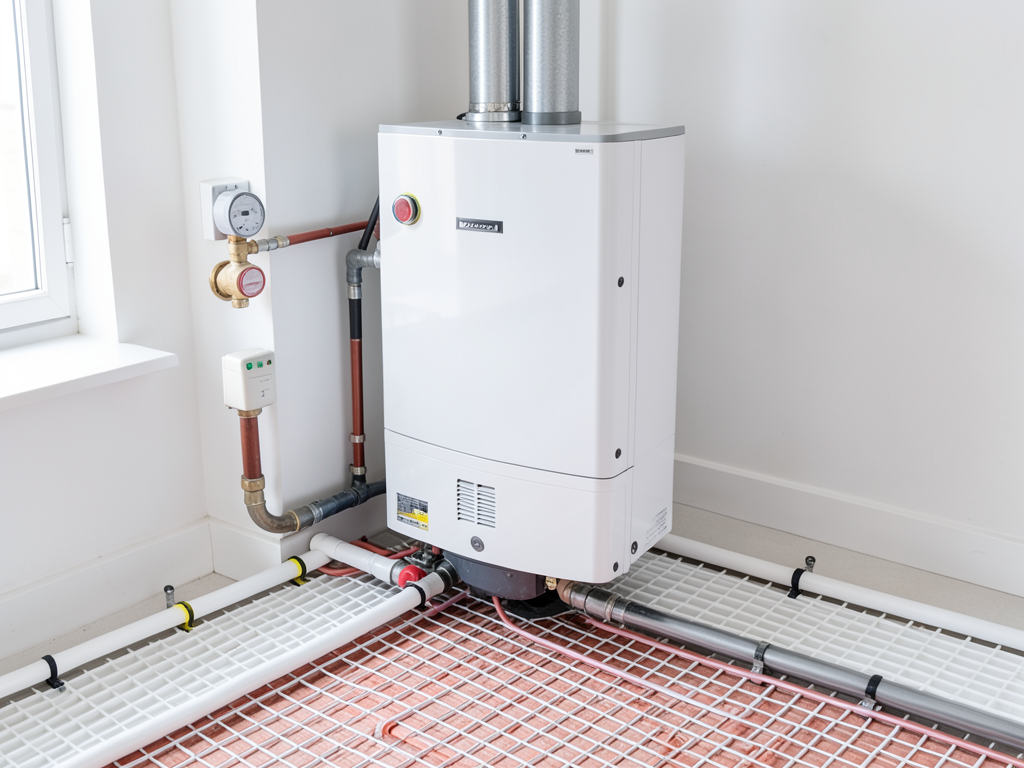
The heart of the system is the boiler. High-efficiency condensing boilers achieve 95% efficiency by capturing heat from exhaust gases that traditional boilers waste. For New Berlin’s climate, a properly sized boiler prevents both inadequate heating and energy waste from oversizing.
PEX tubing selection matters significantly. Oxygen barrier PEX prevents oxygen diffusion that corrodes metal components in the system. Standard PEX without this barrier causes premature failure of pumps, valves, and the boiler’s heat exchanger. The tubing must also withstand Milwaukee’s temperature extremes without becoming brittle or kinking during installation.
Installation Process for New Berlin Additions
Professional installation follows specific steps that ensure system longevity and performance. Skipping any phase risks leaks, cold spots, or complete system failure. Professional drain cleaning in Shorewood for stubborn kitchen clogs.
Subfloor preparation begins with cleaning and leveling. Any debris or unevenness creates pressure points that damage tubing over time. For slab installations, a vapor barrier prevents moisture migration that causes floor damage and reduces heating efficiency.
Insulation installation follows immediately after the vapor barrier. Rigid foam board or specialized underlayment with integrated insulation creates a thermal break. This prevents heat from escaping into the ground or unconditioned space below, directing warmth upward where you need it.
PEX tubing layout requires precision. Installers typically use spiral or serpentine patterns depending on room shape and heat loss calculations. Spiral patterns work best for square rooms, while serpentine patterns suit rectangular spaces. Spacing between tubing runs affects heat output – closer spacing provides more heat but increases material costs.
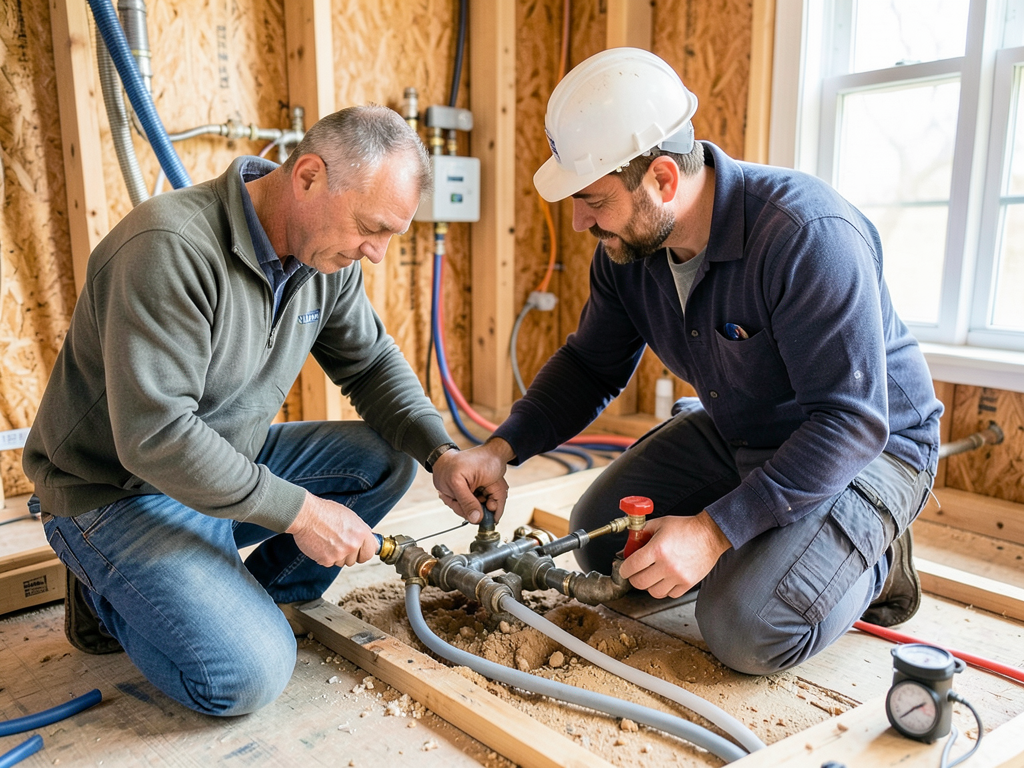
Manifold installation creates the distribution hub. This assembly connects all tubing runs to supply and return lines from the boiler. Each loop gets its own circuit on the manifold, allowing individual zone control. Proper manifold location minimizes tubing runs and reduces heat loss.
Pressure testing verifies system integrity before covering the tubing. Technicians pressurize the system to 100 PSI and monitor for pressure drops over 24 hours. Even tiny leaks become major problems once the concrete or flooring covers the tubing.. Read more about What to consider before installing a gas line for a professional range in New Berlin.
Boiler integration connects the radiant system to your home’s heating infrastructure. This may involve adding a separate zone to your existing boiler or installing a dedicated unit. Proper piping, pump selection, and control integration ensure efficient operation.
Code Requirements and Permits in New Berlin
Wisconsin DSPS plumbing code governs radiant heating installations. Section SPS 382.35 requires permits for hydronic systems and mandates specific installation practices. New Berlin follows these state requirements while adding local inspections for compliance.. Read more about Common plumbing mistakes people make when building an ADU in Milwaukee.
Permit requirements include detailed plans showing tubing layout, boiler specifications, and control systems. The plans must demonstrate compliance with energy codes, ventilation requirements, and safety standards. Missing permits results in failed inspections and costly rework.
Backflow prevention devices protect your potable water supply from contamination. Wisconsin Administrative Code NR 811.64 requires reduced pressure principle assemblies when connecting heating systems to domestic water. This prevents heating system water from siphoning back into drinking water lines.
Pressure relief valves prevent dangerous overpressure situations. The code mandates these devices on all boiler installations, sized according to system volume and maximum operating pressure. Improper sizing creates safety hazards and code violations.
Electrical requirements for controls and pumps follow National Electrical Code standards. Dedicated circuits, proper grounding, and GFCI protection ensure safe operation. Control wiring must meet low-voltage requirements when connecting thermostats and zone valves.
Energy Efficiency and Operating Costs
Radiant floor heating operates at lower temperatures than traditional radiators or forced air. Water temperatures of 100-120°F provide comfortable heat, compared to 180°F for baseboard radiators. This efficiency translates to lower fuel consumption and utility bills.
Zone control maximizes savings by heating only occupied areas. Each room or zone gets its own thermostat, allowing temperature setbacks when spaces sit empty. This targeted heating can reduce energy consumption by 20-30% compared to whole-house systems.
Thermal mass provides additional efficiency. Concrete slabs, tile floors, and other dense materials store heat and release it slowly. This reduces temperature swings and allows the system to run less frequently while maintaining comfort.
Operating costs depend on fuel type and local utility rates. Natural gas boilers typically cost less to operate than electric systems in Wisconsin, where electricity rates average 14 cents per kilowatt-hour. Propane and oil systems fall between these extremes but require fuel storage considerations.
Maintenance requirements remain minimal compared to forced air systems. No filters to replace, no ducts to clean, and no blower motors to wear out. Annual boiler maintenance and occasional system bleeding keep the system running efficiently for decades.
Floor Covering Compatibility
Not all flooring materials work well with radiant heat. The material’s thermal conductivity, expansion characteristics, and maximum temperature tolerance determine suitability.
Tile and stone provide excellent heat transfer due to high thermal conductivity. Ceramic, porcelain, and natural stone conduct heat efficiently and withstand the temperatures radiant systems produce. These materials also resist moisture damage from minor system leaks.
Engineered hardwood offers better performance than solid wood. The layered construction reduces expansion and contraction from temperature changes. Solid hardwood can warp, gap, or cup when exposed to the gentle, continuous heat radiant systems produce.
Laminate flooring works well when specifically rated for radiant heat. Standard laminate may delaminate or warp at elevated temperatures. Always verify the manufacturer’s temperature limitations before installation.
Carpet reduces system efficiency significantly. The insulating properties of carpet and pad block heat transfer to the room. If carpeting is necessary, use the thinnest pad possible and keep pile height minimal.
Vinyl flooring requires temperature verification. Some vinyl products become brittle or discolor at the temperatures radiant systems produce. Check manufacturer specifications for temperature ratings before installation.
Common Installation Mistakes to Avoid
Improper insulation ranks as the most frequent error. Installers sometimes skip insulation in crawl spaces or use inadequate R-values. This allows heat to escape downward, reducing system efficiency by up to 50%.
Incorrect tubing spacing creates cold spots or wasted energy. Too-wide spacing results in insufficient heat output, while too-narrow spacing wastes material and increases installation costs without improving comfort.
Failure to pressure test before covering leads to catastrophic problems. A small leak that goes undetected becomes a major repair once concrete or flooring covers the tubing. Always pressure test for at least 24 hours with no pressure drop.
Improper boiler sizing causes ongoing issues. An oversized boiler short-cycles, reducing efficiency and equipment life. An undersized boiler cannot maintain comfortable temperatures during extreme cold. Professional heat loss calculations determine proper sizing.
Ignoring expansion and contraction creates stress points. PEX tubing expands and contracts with temperature changes. Without proper allowances, tubing can kink, crack, or pull apart from fittings. Installers must account for this movement in their layout.
Retrofitting Existing Homes vs. New Construction
New construction additions offer the easiest installation path. Open floor systems allow direct tubing installation before flooring goes down. No demolition required and complete access to floor cavities simplifies the process.
Retrofit installations require more planning. Existing flooring must come up, or access panels cut in ceilings below. This increases labor costs and project duration. However, retrofitting often makes sense when replacing flooring anyway.
Second-story additions present unique challenges. Without basement access, tubing installation requires creative approaches. Some contractors use lightweight concrete overpour or specialized panels designed for retrofit applications. Who to call when your Bay View basement floods at 3 AM.
Historic homes in areas like Wauwatosa or Shorewood require special consideration. Original flooring may have historical value, making removal undesirable. In these cases, low-profile systems that install over existing floors offer solutions, though they reduce ceiling height.
Existing heating system integration affects installation approach. Homes with hot water radiators can often use the same boiler for radiant floors. Forced air homes may need separate boilers or heat pumps capable of both heating and cooling.
Maintenance and Troubleshooting
Radiant systems require minimal maintenance but benefit from annual checkups. Professional technicians inspect boiler operation, check pressure levels, and verify control function. They also bleed air from the system to maintain efficiency.
Pressure drops indicate potential leaks. A system that consistently loses pressure needs investigation. Small leaks in tubing buried under concrete require specialized leak detection equipment to locate.
Cold spots suggest flow problems. These may result from air trapped in the system, closed valves, or pump failure. Bleeding the system often resolves these issues, but persistent problems require professional diagnosis.
Noisy operation usually indicates air in the system or failing components. Gurgling sounds suggest air pockets, while banging or knocking may indicate pump cavitation or failing bearings. Both conditions reduce system efficiency and should be addressed promptly.
Control issues manifest as inconsistent temperatures or system failure to respond to thermostat changes. Faulty thermostats, zone valves, or control boards cause these problems. Modern smart controls offer remote monitoring and troubleshooting capabilities.
Frequently Asked Questions
How long does radiant floor heating take to warm up?
Radiant systems heat gradually, typically taking 2-4 hours to reach full temperature. The thermal mass of floors and the lower operating temperatures compared to forced air create this slower response. Programmable thermostats can preheat spaces before use. Rapid Response Leak Repair.
Can radiant heat cool a space in summer?
Standard radiant heating cannot cool spaces. The same PEX tubing cannot efficiently absorb heat from rooms. Separate cooling systems like mini-splits or central air conditioning are necessary for summer comfort.
What happens if the power goes out?
Radiant systems stop working during power outages since pumps and controls require electricity. The thermal mass of floors provides some residual heat for several hours. Backup power solutions can maintain operation during brief outages.
How long do radiant heating systems last?
Properly installed PEX tubing lasts 50+ years. Boilers typically need replacement every 15-25 years depending on usage and maintenance. Controls and pumps may require replacement every 10-15 years. The overall system often outlasts traditional heating methods.
Is radiant heat worth the investment?
Radiant heating offers superior comfort, quiet operation, and energy efficiency. While installation costs exceed traditional systems, operating costs are often lower. The luxury feel and even heat distribution make it worthwhile for many homeowners, especially in new additions where installation is straightforward.
Ready to Install Radiant Floor Heating in Your New Berlin Addition?
Professional installation ensures your radiant heating system delivers the comfort and efficiency you expect. The right contractor understands Milwaukee’s climate challenges, local building codes, and the specific requirements of hydronic heating systems.
Call (414) 375-7955 today to schedule your consultation. Our master plumbers will assess your addition plans, provide detailed quotes, and handle all permitting requirements. Don’t let winter catch you without proper heating – the installation timeline for radiant systems requires advance planning to coordinate with your general contractor.
Pick up the phone and call (414) 375-7955 before the next storm hits. Your New Berlin addition deserves heating that works as hard as Wisconsin winters do. For more information, visit Focus on Energy Wisconsin rebates.
{
“@context”: “https://schema.org”,
“@type”: “BlogPosting”,
“headline”: “What you should know about installing a radiant floor heating system in your New Berlin addition”,
“description”: “Expert guide to hydronic radiant floor heating installation in New Berlin. Learn about PEX tubing, boiler integration, and Milwaukee-specific code requirements.”,
“wordCount”: 2041,
“datePublished”: “2026-05-25T08:11:00.000Z”,
“dateModified”: “2026-05-25T08:11:00.000Z”,
“inLanguage”: “en-US”,
“mainEntityOfPage”: {
“@type”: “WebPage”,
“@id”: “https://eliteplumbingmilwaukee.com”
},
“publisher”: {
“@type”: “LocalBusiness”,
“name”: “Elite Plumbing Milwaukee”,
“url”: “https://eliteplumbingmilwaukee.com”
},
“author”: {
“@type”: “Organization”,
“name”: “Elite Plumbing Milwaukee”,
“url”: “https://eliteplumbingmilwaukee.com”
},
“image”: {
“@type”: “ImageObject”,
“url”: “https://eliteplumbingmilwaukee.com/wp-content/uploads/2026/03/what-you-should-know-about-installing-a-radiant-fl-1.png”
}
}
{
“@context”: “https://schema.org”,
“@type”: “Plumber”,
“name”: “Elite Plumbing Milwaukee”,
“url”: “https://eliteplumbingmilwaukee.com”,
“address”: {
“@type”: “PostalAddress”,
“addressLocality”: “Milwaukee”
},
“areaServed”: {
“@type”: “City”,
“name”: “Milwaukee”
}
}
{
“@context”: “https://schema.org”,
“@type”: “FAQPage”,
“mainEntity”: [
{
“@type”: “Question”,
“name”: “How long does radiant floor heating take to warm up?”,
“acceptedAnswer”: {
“@type”: “Answer”,
“text”: “Radiant systems heat gradually, typically taking 2-4 hours to reach full temperature. The thermal mass of floors and the lower operating temperatures compared to forced air create this slower response. Programmable thermostats can preheat spaces before use. Rapid Response Leak Repair.”
}
},
{
“@type”: “Question”,
“name”: “Can radiant heat cool a space in summer?”,
“acceptedAnswer”: {
“@type”: “Answer”,
“text”: “Standard radiant heating cannot cool spaces. The same PEX tubing cannot efficiently absorb heat from rooms. Separate cooling systems like mini-splits or central air conditioning are necessary for summer comfort.”
}
},
{
“@type”: “Question”,
“name”: “What happens if the power goes out?”,
“acceptedAnswer”: {
“@type”: “Answer”,
“text”: “Radiant systems stop working during power outages since pumps and controls require electricity. The thermal mass of floors provides some residual heat for several hours. Backup power solutions can maintain operation during brief outages.”
}
},
{
“@type”: “Question”,
“name”: “How long do radiant heating systems last?”,
“acceptedAnswer”: {
“@type”: “Answer”,
“text”: “Properly installed PEX tubing lasts 50+ years. Boilers typically need replacement every 15-25 years depending on usage and maintenance. Controls and pumps may require replacement every 10-15 years. The overall system often outlasts traditional heating methods.”
}
},
{
“@type”: “Question”,
“name”: “Is radiant heat worth the investment?”,
“acceptedAnswer”: {
“@type”: “Answer”,
“text”: “Radiant heating offers superior comfort, quiet operation, and energy efficiency. While installation costs exceed traditional systems, operating costs are often lower. The luxury feel and even heat distribution make it worthwhile for many homeowners, especially in new additions where installation is straightforward.”
}
},
{
“@type”: “Question”,
“name”: “Ready to Install Radiant Floor Heating in Your New Berlin Addition?”,
“acceptedAnswer”: {
“@type”: “Answer”,
“text”: “Professional installation ensures your radiant heating system delivers the comfort and efficiency you expect. The right contractor understands Milwaukee’s climate challenges, local building codes, and the specific requirements of hydronic heating systems.”
}
}
]
}
{
“@context”: “https://schema.org”,
“@type”: “BreadcrumbList”,
“itemListElement”: [
{
“@type”: “ListItem”,
“position”: 1,
“name”: “Home”,
“item”: “https://eliteplumbingmilwaukee.com”
},
{
“@type”: “ListItem”,
“position”: 2,
“name”: “Blog”,
“item”: “https://eliteplumbingmilwaukee.com/blog”
},
{
“@type”: “ListItem”,
“position”: 3,
“name”: “What you should know about installing a radiant floor heating system in your New Berlin addition”
}
]
}
{
“@context”: “https://schema.org”,
“@type”: “Service”,
“serviceType”: “Plumbing”,
“provider”: {
“@type”: “LocalBusiness”,
“name”: “Elite Plumbing Milwaukee”,
“url”: “https://eliteplumbingmilwaukee.com”
},
“areaServed”: {
“@type”: “City”,
“name”: “Milwaukee”
},
“description”: “Expert guide to hydronic radiant floor heating installation in New Berlin. Learn about PEX tubing, boiler integration, and Milwaukee-specific code requirements.”
}