
Why your Muskego water heater is dying early (And how an anode rod saves it)
Your water heater in Muskego fails years before it should. The problem is not age or manufacturing defects. It is your water. Muskego’s water supply contains high mineral content that accelerates tank corrosion from the inside out. A simple anode rod replacement can add years to your water heater’s life. The best options for water heater replacement in Wauwatosa.
Water heater tanks are steel vessels wrapped in glass lining. That glass cracks from constant heating and cooling cycles. Once exposed steel rusts rapidly in water. The anode rod acts as a sacrificial component attracting corrosive elements away from the tank walls. When this rod depletes corrosion attacks your tank directly. Rapid Response Leak Repair.
Most Muskego homeowners discover this problem too late after rusty water appears strange noises start or the tank begins leaking. By then replacement is the only option. Regular anode rod inspection and replacement prevents these failures entirely.
How anode rods work to protect your tank
Anode rods use galvanic corrosion principles. Made from magnesium aluminum or zinc these rods carry a slight electrical current that makes them corrode preferentially. Minerals and oxygen in your water attack the rod instead of your tank’s steel walls.
The rod extends into the tank’s center where water circulates most actively. As it corrodes it forms a protective layer of minerals around itself. This process continues until the rod is completely consumed typically 3-5 years in Muskego’s water conditions.
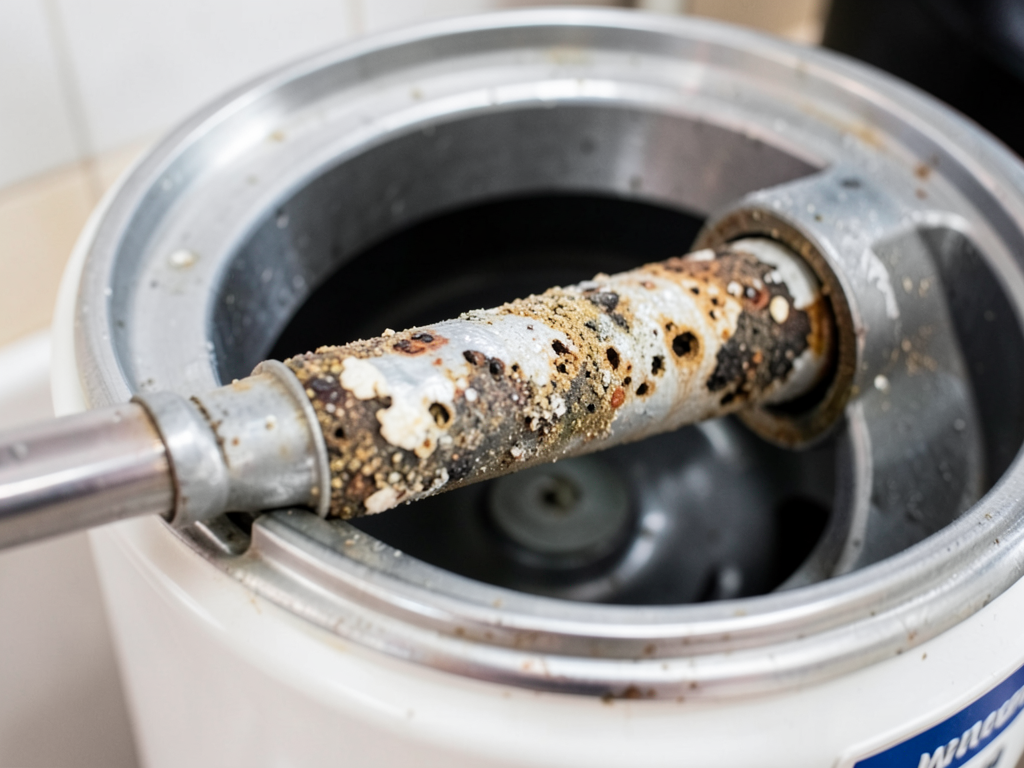
Once depleted corrosion shifts to your tank. Steel walls begin pitting and thinning. Rust flakes off into your hot water supply. The tank weakens structurally eventually developing pinhole leaks or complete failure.
Signs your anode rod needs replacement
Several warning signs indicate your anode rod is failing. Rotten egg odors from hot water suggest sulfur bacteria feeding on the rod. Rusty or discolored hot water means the tank is already corroding. Popping or knocking sounds from the tank indicate sediment buildup a secondary effect of rod failure. Signs You Need Sewer Repair.
Water temperature fluctuations can also signal problems. As corrosion progresses heating elements become less efficient. You might notice longer wait times for hot water or inconsistent temperatures during showers.
If you cannot remember when your rod was last inspected it is probably overdue. Muskego’s hard water conditions mean rods deplete faster than in areas with softer water supplies.
Muskego’s water chemistry and your water heater
Muskego’s water comes from deep wells tapping into limestone aquifers. This water contains high levels of calcium and magnesium the minerals that make water hard. These same minerals accelerate anode rod consumption.
Local water hardness typically measures 18-22 grains per gallon. Water under 7 GPG is considered soft. This high mineral content means Muskego homeowners need more frequent anode inspections than those in areas with municipal Lake Michigan water.
Dissolved oxygen in well water also speeds corrosion. Oxygen molecules attack both the anode rod and tank walls doubling the rate of degradation compared to oxygen-poor water sources.
Types of anode rods and when to use each
Magnesium rods offer the best protection but deplete fastest. They work well in Muskego’s moderately hard water and provide superior corrosion protection. However they may cause sulfur odors in some water conditions.
Aluminum rods last longer but provide less protection. They resist sulfur bacteria better than magnesium. For Muskego’s water conditions aluminum works well in homes with water softeners or extremely hard water.
Zinc-aluminum rods combine corrosion protection with odor control. The zinc content inhibits sulfur bacteria growth. These work excellently in Muskego homes experiencing rotten egg smells from hot water.
Powered anode rods use electrical current instead of sacrificial metal. They never deplete and provide consistent protection. While more expensive upfront they eliminate replacement needs entirely. These excel in homes with water softeners where traditional rods corrode extremely rapidly.
Comparing anode rod materials
| Material | Lifespan in Muskego | Protection Level | Best For |
|---|---|---|---|
| Magnesium | 3-4 years | High | Standard hard water |
| Aluminum | 4-5 years | Medium | Very hard water |
| Zinc-Aluminum | 3-4 years | High | Odor problems |
| Powered | Indefinite | Very High | Water softeners |
DIY vs. professional replacement what you need to know
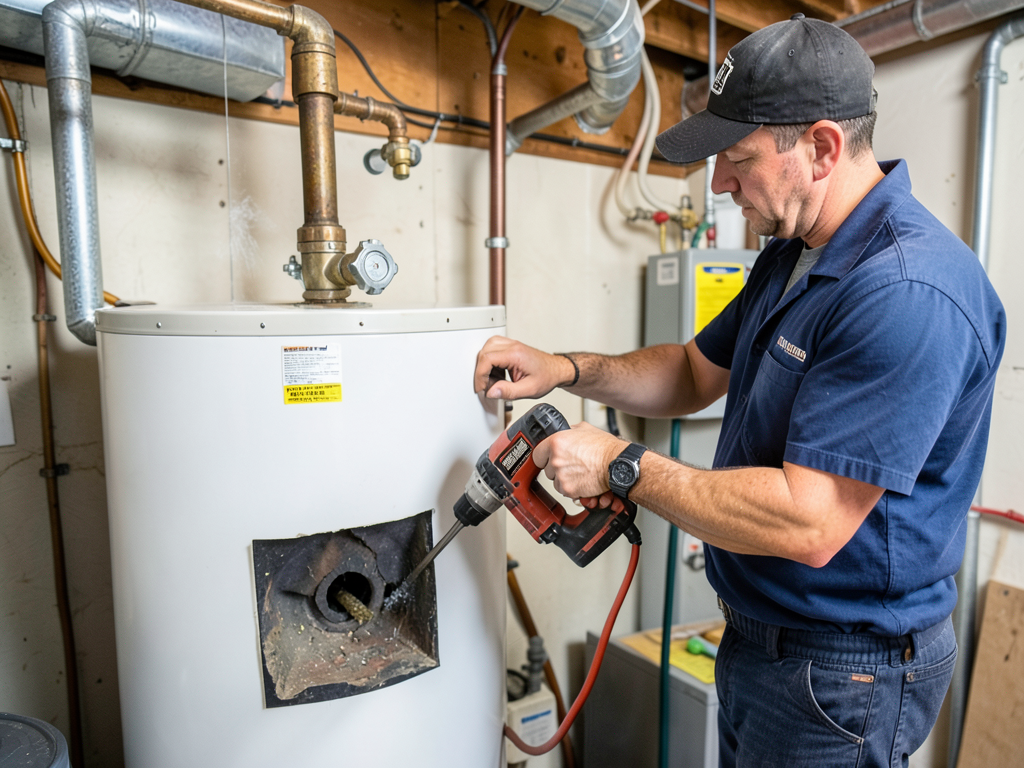
Replacing an anode rod seems straightforward but carries risks. The rod sits at the top of your tank often under significant corrosion and mineral buildup. Removing it requires breaking this seal without damaging the tank.
Water heaters operate under high pressure. A damaged tank can release scalding water suddenly. The tank’s weight often 150+ pounds when full creates injury risks during maintenance.
Professional plumbers use impact wrenches to break free stuck rods. They inspect the tank for damage during removal. They also check and replace dielectric unions and temperature-pressure relief valves as needed. Professional drain cleaning in Shorewood for stubborn kitchen clogs.
DIY replacement requires specific tools a 1-1/16 inch socket breaker bar and sometimes a cheater pipe for leverage. You will need to shut off power and water drain several gallons and work in tight spaces around your heater.
If your tank is over 10 years old or shows any signs of leakage professional inspection is essential. Internal corrosion might have already compromised the tank structure.
Cost considerations for Muskego homeowners
Anode rod replacement costs vary based on rod type and labor requirements. Standard magnesium rods cost $30-50. Aluminum and zinc-aluminum rods run $40-70. Powered rods cost $150-250.
Labor typically adds $150-300 for professional replacement. Complex removals requiring tank draining or dielectric union replacement increase costs to $300-450.
Standard 40-50 gallon tanks cost $800-1200 installed. High-efficiency models run $1200-2000. Tankless replacements cost $2500-4000.
Replacing your anode rod every 3-5 years costs $200-400 total. This investment can extend your tank’s life by 5-10 years saving thousands in replacement costs.
Many manufacturers require annual maintenance for warranty validity. Skipping anode replacement might void your warranty leaving you responsible for full replacement costs.
Water softeners and anode rod interaction
Water softeners exchange calcium and magnesium for sodium ions. This process makes water feel slick and prevents scale buildup. However it also accelerates anode rod corrosion dramatically.
Softened water can consume a standard magnesium rod in 1-2 years instead of 3-5. The sodium ions create a more aggressive electrolytic environment. For homes with water softeners powered anode rods or aluminum rods offer better value.
If you have a softener check your anode annually. The rod might appear intact but could be paper-thin internally. Some homeowners with softeners replace rods every two years as preventive maintenance.
Consider installing a whole-house sediment filter before your softener. This removes particles that accelerate wear on both the softener and anode rod.
Maintenance schedule for Muskego water heaters
Establish a regular maintenance routine based on your water conditions. For Muskego’s hard well water inspect your anode rod annually. Check it visually for corrosion and measure its remaining length.
Replace the rod when it is less than 1/2 inch thick or shows significant pitting. Even if it looks okay replace it every 5 years as preventive maintenance.
Flush your tank annually to remove sediment buildup. This improves efficiency and reduces stress on the heating elements. Turn off power connect a garden hose to the drain valve and flush until water runs clear.
Check the temperature-pressure relief valve quarterly. Lift the lever and verify water flows freely then snaps shut. A stuck valve creates explosion hazards.
Listen for changes in operation. New popping sounds rumbling or whistling indicate developing problems requiring immediate attention.
Environmental compliance and disposal
Old anode rods contain metals requiring proper disposal. Magnesium and aluminum rods go in metal recycling bins at Milwaukee County drop-off sites. The Town of Muskego Recycling Center accepts these materials. Milwaukee Water Works.
Never dispose of corroded rods in regular trash. The metals can leach into groundwater at landfills. Some scrap yards pay for aluminum rods offsetting replacement costs slightly.
When draining your tank capture the first few gallons in a bucket. This water contains accumulated sediment and dissolved minerals. Let it cool completely before disposing in your yard or drain.
Water heater manufacturers must comply with EPA efficiency standards. Look for ENERGY STAR certification when replacing units. These models use 10-20% less energy than standard units. EPA WaterSense.
Frequently Asked Questions
How long does anode rod replacement take?
Professional replacement takes 30-60 minutes for accessible tanks. Complex removals requiring tank draining or dielectric union replacement take 60-90 minutes.
Can I change the anode rod myself?
Yes if you have proper tools and experience. You will need a 1-1/16 inch socket breaker bar and ability to work safely around pressurized hot water systems. Most homeowners find professional service more convenient and safer.
Why does my hot water smell like rotten eggs?
Sulfur bacteria in your water react with the anode rod producing hydrogen sulfide gas. This creates the characteristic rotten egg odor. Zinc-aluminum or powered anode rods eliminate this problem.
How do I know which anode rod to buy?
Check your water heater manual for specifications. For Muskego’s hard well water magnesium rods offer the best protection. If you have a water softener or odor problems consider aluminum or zinc-aluminum rods instead.
Is anode rod replacement covered by warranty?
Most manufacturer warranties require annual maintenance including anode inspection. Some include one free anode replacement during the warranty period. Check your specific warranty terms for coverage details.
Protecting your investment
Your water heater represents a significant home investment. In Muskego’s challenging water conditions preventive maintenance becomes even more critical. A $200 anode rod replacement every few years can prevent a $1500+ emergency replacement.
Do not wait for rusty water or strange noises to prompt action. By then internal damage is often extensive. Regular inspection catches problems early when they are simple and inexpensive to fix.
Consider scheduling professional inspection if your water heater is over 5 years old and has never had the anode checked. Many plumbers offer free estimates and can assess your specific situation.
Call (414) 375-7955 today to schedule your water heater inspection. Our technicians understand Muskego’s unique water conditions and can recommend the right anode rod for your system. Do not let hard water destroy your water heater prematurely.
[IMAGE_PLACEHOLDER_3>
Stop the corrosion before it starts. A simple anode rod replacement today prevents costly water heater failure tomorrow. Muskego’s hard water makes this maintenance essential not optional. Protect your home and your wallet with regular water heater care.
{
“@context”: “https://schema.org”,
“@type”: “BlogPosting”,
“headline”: “Why your Muskego water heater is dying early (And how an anode rod saves it)”,
“description”: “Muskego’s hard well water destroys water heaters early. Learn how anode rod replacement prevents corrosion and saves thousands in replacement costs.”,
“wordCount”: 1728,
“datePublished”: “2026-06-04T14:56:00.000Z”,
“dateModified”: “2026-06-04T14:56:00.000Z”,
“inLanguage”: “en-US”,
“mainEntityOfPage”: {
“@type”: “WebPage”,
“@id”: “https://eliteplumbingmilwaukee.com”
},
“publisher”: {
“@type”: “LocalBusiness”,
“name”: “Elite Plumbing Milwaukee”,
“url”: “https://eliteplumbingmilwaukee.com”
},
“author”: {
“@type”: “Organization”,
“name”: “Elite Plumbing Milwaukee”,
“url”: “https://eliteplumbingmilwaukee.com”
},
“image”: {
“@type”: “ImageObject”,
“url”: “https://eliteplumbingmilwaukee.com/wp-content/uploads/2026/03/why-your-muskego-water-heater-is-dying-early-and-h-1.png”
}
}
{
“@context”: “https://schema.org”,
“@type”: “Plumber”,
“name”: “Elite Plumbing Milwaukee”,
“url”: “https://eliteplumbingmilwaukee.com”,
“address”: {
“@type”: “PostalAddress”,
“addressLocality”: “Milwaukee”
},
“areaServed”: {
“@type”: “City”,
“name”: “Milwaukee”
}
}
{
“@context”: “https://schema.org”,
“@type”: “FAQPage”,
“mainEntity”: [
{
“@type”: “Question”,
“name”: “How long does anode rod replacement take?”,
“acceptedAnswer”: {
“@type”: “Answer”,
“text”: “Professional replacement takes 30-60 minutes for accessible tanks. Complex removals requiring tank draining or dielectric union replacement take 60-90 minutes.”
}
},
{
“@type”: “Question”,
“name”: “Can I change the anode rod myself?”,
“acceptedAnswer”: {
“@type”: “Answer”,
“text”: “Yes if you have proper tools and experience. You will need a 1-1/16 inch socket breaker bar and ability to work safely around pressurized hot water systems. Most homeowners find professional service more convenient and safer.”
}
},
{
“@type”: “Question”,
“name”: “Why does my hot water smell like rotten eggs?”,
“acceptedAnswer”: {
“@type”: “Answer”,
“text”: “Sulfur bacteria in your water react with the anode rod producing hydrogen sulfide gas. This creates the characteristic rotten egg odor. Zinc-aluminum or powered anode rods eliminate this problem.”
}
},
{
“@type”: “Question”,
“name”: “How do I know which anode rod to buy?”,
“acceptedAnswer”: {
“@type”: “Answer”,
“text”: “Check your water heater manual for specifications. For Muskego’s hard well water magnesium rods offer the best protection. If you have a water softener or odor problems consider aluminum or zinc-aluminum rods instead.”
}
},
{
“@type”: “Question”,
“name”: “Is anode rod replacement covered by warranty?”,
“acceptedAnswer”: {
“@type”: “Answer”,
“text”: “Most manufacturer warranties require annual maintenance including anode inspection. Some include one free anode replacement during the warranty period. Check your specific warranty terms for coverage details.”
}
}
]
}
{
“@context”: “https://schema.org”,
“@type”: “BreadcrumbList”,
“itemListElement”: [
{
“@type”: “ListItem”,
“position”: 1,
“name”: “Home”,
“item”: “https://eliteplumbingmilwaukee.com”
},
{
“@type”: “ListItem”,
“position”: 2,
“name”: “Blog”,
“item”: “https://eliteplumbingmilwaukee.com/blog”
},
{
“@type”: “ListItem”,
“position”: 3,
“name”: “Why your Muskego water heater is dying early (And how an anode rod saves it)”
}
]
}
{
“@context”: “https://schema.org”,
“@type”: “Service”,
“serviceType”: “Plumbing”,
“provider”: {
“@type”: “LocalBusiness”,
“name”: “Elite Plumbing Milwaukee”,
“url”: “https://eliteplumbingmilwaukee.com”
},
“areaServed”: {
“@type”: “City”,
“name”: “Milwaukee”
},
“description”: “Muskego’s hard well water destroys water heaters early. Learn how anode rod replacement prevents corrosion and saves thousands in replacement costs.”
}