
Why Your Oconomowoc Vacation Home Smells Like Sewer Gas When You First Arrive
The moment you unlock the door to your Oconomowoc lake house after a long winter, that unmistakable sewer odor hits you. That rotten egg smell isn’t just unpleasant—it’s a sign something’s wrong with your plumbing system. Vacation homes in the Lake Country area are especially prone to sewer gas problems because they sit unused for months at a time, allowing plumbing traps to dry out and creating perfect conditions for those foul odors to rise into your living space.
Sewer gas contains methane, hydrogen sulfide, and other compounds that can be both unpleasant and potentially hazardous to your health. The good news is that most sewer odors in seasonal properties have simple causes and straightforward solutions. Understanding why your Oconomowoc vacation home develops these smells is the first step toward eliminating them and keeping your property fresh and inviting for your next visit.
The Science Behind Vacation Home Sewer Odors
When a home sits vacant for weeks or months, several things happen to the plumbing system that create ideal conditions for sewer gas to enter your living space. The primary culprit is the evaporation of water from P-traps—those curved pipes under your sinks, showers, and floor drains that normally block sewer gases from rising up through the drains. Professional drain cleaning in Shorewood for stubborn kitchen clogs.
In an active home, water flows through these traps regularly, keeping them filled and creating an effective seal against sewer gases. But when your Oconomowoc vacation property sits empty during Wisconsin’s cold winters or humid summers, that water slowly evaporates. Once the water seal is broken, there’s nothing stopping those gases from wafting up through your drains and into your home. Wisconsin Department of Health Services.
The problem compounds in vacation homes because they often have multiple rarely-used fixtures—guest bathrooms, wet bars, floor drains in basements, and utility sinks that see minimal use even during occupied periods. Each of these represents another potential entry point for sewer gas. Who to call when your Bay View basement floods at 3 AM.
5 Common Culprits of Sewer Gas in Seasonal Properties
Understanding the specific sources of sewer odors in your Oconomowoc vacation home helps you target your troubleshooting efforts effectively. Here are the five most common causes we encounter in seasonal properties throughout the Lake Country area.
Dry P-Traps (The #1 Cause)
P-traps are the curved sections of pipe you see under every sink, shower, and floor drain. They’re designed to hold water, creating a seal that blocks sewer gases from entering your home. In a vacation property that sits unused for months, this water slowly evaporates through the open drain, leaving nothing to block those gases. The best options for water heater replacement in Wauwatosa.
The solution is simple but often overlooked: run water through every drain for at least 30 seconds when you first arrive. This refills the traps and reestablishes the protective water seal. For floor drains and rarely-used fixtures, consider adding a few ounces of mineral oil to slow future evaporation.. Read more about Why your Muskego water heater is dying early (And how an anode rod saves it).
Degraded Toilet Wax Rings
Toilet wax rings create a seal between the toilet base and the floor flange. In temperature-uncontrolled environments like vacant vacation homes, these wax rings can dry out, crack, or shift over time. When this happens, sewer gases can escape from around the toilet base.
Check for this by carefully rocking your toilet side to side. If it moves even slightly, the wax ring has likely failed. You might also notice water damage or staining around the toilet base, indicating a slow leak that’s allowing sewer gases to escape.
Blocked Vent Stacks (Common with Wisconsin Snow/Debris)
Plumbing vent stacks extend through your roof to allow sewer gases to escape safely and maintain proper pressure in your drainage system. In Wisconsin’s harsh winters, these vents can become blocked by snow, ice, or debris, forcing sewer gases to find alternative escape routes through your drains.
Look for signs of blocked vents: gurgling sounds when you flush toilets, slow drains throughout the house, or sewer odors that seem to come and go with weather changes. A blocked vent stack requires professional attention since accessing roof vents can be dangerous without proper equipment.
Sump Pit and Floor Drain Issues
Many Oconomowoc homes, especially those with basements, have sump pits and floor drains that can become sources of sewer odors when the property sits vacant. Sump pits can develop bacterial growth in stagnant water, while floor drains can dry out just like sink traps.. Read more about Why your South Milwaukee basement drains smell like a swamp after a heavy storm.
Check your sump pit for standing water that’s turned cloudy or developed an odor. Pour clean water into floor drains to see if they’re functioning properly and holding water as they should. Both issues are easily corrected but often overlooked in seasonal properties.
Septic System Backups (If Applicable to Rural Milwaukee Outskirts)
If your Oconomowoc property uses a septic system rather than municipal sewer, the entire system requires special attention when the home sits vacant. Septic tanks can develop surface gases that find their way back into the house through dried-out traps or failed seals.
Signs of septic issues include odors outside near the tank or drain field, slow drains throughout the house, or sewage backing up into lower fixtures. These problems require immediate professional attention as they can pose serious health risks and cause significant property damage.
Is Sewer Gas Dangerous? What Homeowners Need to Know
Sewer gas isn’t just unpleasant—it can pose real health risks to you and your family. The primary components of sewer gas include methane, which is flammable and can cause headaches and dizziness in high concentrations, and hydrogen sulfide, which produces that characteristic rotten egg smell and can cause respiratory irritation.
According to the Wisconsin Department of Health Services, hydrogen sulfide exposure can cause eye irritation, sore throat, coughing, and shortness of breath. In extreme cases, very high concentrations can cause loss of consciousness or even death, though this is rare in residential settings.
The methane component poses a different risk. While small amounts aren’t dangerous, methane is highly flammable. If sewer gas accumulates in an enclosed space and encounters an ignition source, it can create an explosion hazard. This is why persistent sewer odors should never be ignored, even if they seem minor.
Beyond the direct health effects, sewer gas exposure can trigger anxiety and stress, especially when you’re trying to relax at your vacation property. The psychological impact of persistent odors can significantly diminish your enjoyment of the space and create ongoing worry about potential health effects.
DIY Troubleshooting Steps to Try First
Before calling a professional plumber to your Oconomowoc vacation home, there are several simple steps you can take to identify and potentially resolve sewer odor problems. These DIY troubleshooting steps can save you time and money while helping you understand your plumbing system better.
Step 1: Run Water Through Every Fixture
Start with the most common cause—dry P-traps. Go through your entire home and run water for at least 30 seconds through every sink, shower, bathtub, and floor drain. Pay special attention to rarely-used fixtures like guest bathrooms, wet bars, and utility sinks. This simple step often resolves the majority of vacation home sewer odors.
For floor drains and other fixtures that might not get much use, consider adding a few ounces of mineral oil after running the water. The oil floats on top of the water in the trap, slowing evaporation and extending the time before the trap needs refilling.
Step 2: Check Toilet Stability
Gently rock each toilet in your home side to side. If any toilet moves even slightly, the wax ring has likely failed and needs replacement. Also check for water damage or staining around toilet bases, which can indicate slow leaks that allow sewer gases to escape.
If you find a loose toilet, avoid using it until you can have the wax ring replaced. Continuing to use a toilet with a failed seal can lead to water damage and more serious sewer gas problems.
Step 3: Inspect Visible Plumbing
Look under sinks and around exposed plumbing for signs of leaks, corrosion, or damage. Check that all drain traps are properly installed and that there are no obvious cracks or breaks in the visible plumbing. While you won’t be able to see everything, this visual inspection can reveal obvious problems.
Pay special attention to areas where plumbing penetrates floors or walls, as these are common locations for seal failures that allow sewer gases to escape.
Step 4: Check Sump Pit and Floor Drains
Open your sump pit and check for standing water that’s turned cloudy or developed an odor. If the water looks contaminated or smells bad, you may need to clean the pit or have it professionally serviced. Also pour clean water into floor drains to ensure they’re functioning properly.
For homes with basements, check that floor drains are properly sealed and that there are no cracks in the basement floor that could allow sewer gases to enter from below.
Step 5: Vent Stack Inspection (From the Ground)
While you shouldn’t climb on your roof to inspect vent stacks, you can check from the ground for obvious blockages. Look for vent stacks extending through the roof and check if they appear clear of snow, ice, or debris. Also listen for gurgling sounds when you run water, which can indicate vent stack problems.
If you suspect vent stack issues but can’t see obvious problems, this is a good time to call a professional, as vent stack blockages require specialized equipment to diagnose and clear safely.
Professional Plumbing Solutions in Milwaukee
While many sewer odor problems can be resolved with simple DIY steps, some issues require professional diagnosis and repair. Professional plumbers have specialized tools and techniques that can quickly identify the source of persistent odors and provide lasting solutions.
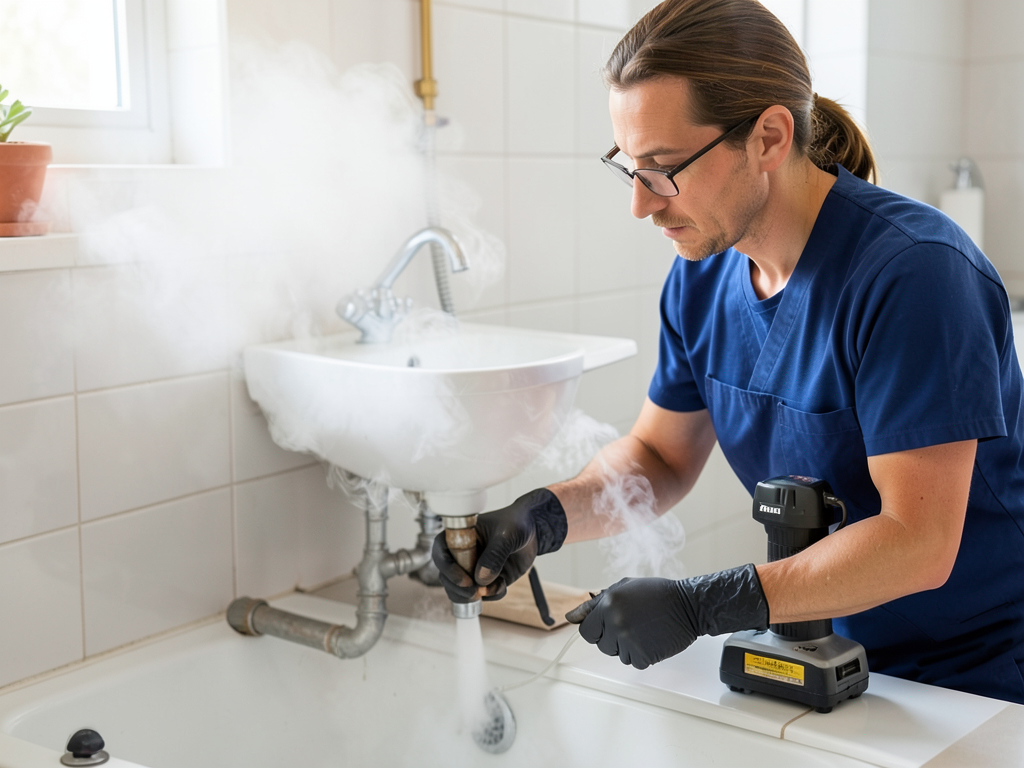
Smoke testing is one of the most effective diagnostic tools for finding sewer gas leaks. During this test, plumbers pump non-toxic smoke into your plumbing system and watch where it escapes. This reveals exactly where gases are entering your home, even through tiny cracks or failed seals that aren’t visible to the naked eye.
Video camera inspection is another powerful diagnostic tool. Plumbers can feed a small camera through your drain lines to inspect for cracks, blockages, or other damage that might be allowing sewer gases to escape. This is especially useful for diagnosing problems in older homes with aging plumbing systems.
For persistent problems, plumbers might recommend installing drain primers or non-evaporating trap seals. These devices automatically maintain water in traps, preventing the evaporation that causes so many vacation home sewer odor problems. While they require an initial investment, they can save you significant hassle and eliminate the need to manually run water through every fixture when you arrive at your property.
Professional plumbers can also identify and address more complex issues like failed plumbing vents, cracked sewer lines, or problems with your septic system if you’re outside municipal sewer service areas. These problems often require specialized knowledge and equipment to diagnose and repair properly.
How to Prevent Smells Before You Leave for the Season
Prevention is always better than cure when it comes to vacation home sewer odors. By taking a few simple steps before you leave your Oconomowoc property for the season, you can significantly reduce the likelihood of returning to unpleasant smells and the hassle of troubleshooting plumbing problems.
Start by running water through every fixture in your home for at least 30 seconds. This includes all sinks, showers, bathtubs, floor drains, and any other drains you might have. For fixtures you know won’t be used for months, consider adding mineral oil to slow evaporation. A few ounces poured into the drain after running water will float on top of the trap water and dramatically slow evaporation.
For toilets, you have a couple of options. You can either shut off the water supply and flush to empty the tank and bowl, or you can add a toilet tank tablet that helps prevent bacterial growth and mineral buildup during your absence. If you choose to empty the toilet, be sure to clean it thoroughly first to prevent staining.
Consider installing drain covers or plugs on rarely-used fixtures. These simple devices create an additional barrier against sewer gas infiltration and can be easily removed when you return. They’re especially useful for guest bathrooms, wet bars, and utility sinks that might sit unused for extended periods.
For homes with septic systems, consider having your tank pumped before the long vacant period if it’s due for service. A full septic tank is more likely to develop surface gases that can find their way back into your home through dried-out traps or failed seals.
Finally, consider having a professional plumber perform a seasonal inspection before you leave. They can identify potential problems, check for signs of wear or damage, and recommend specific preventive measures based on your home’s unique plumbing configuration and your planned absence duration.
Special Considerations for Oconomowoc’s Climate
Oconomowoc’s location in Wisconsin’s Lake Country presents some unique challenges for vacation home plumbing. The area’s extreme seasonal temperature variations can affect how quickly P-traps evaporate and how plumbing systems behave during long vacant periods.
During Wisconsin’s cold winters, the dry air inside vacant homes can accelerate evaporation from plumbing traps. Additionally, temperature fluctuations can cause pipes to expand and contract, potentially creating tiny gaps that allow sewer gases to escape. Homes near lakes or in low-lying areas might also experience higher humidity levels that affect how plumbing systems behave. What to do if your pipes freeze during a Milwaukee cold snap.
The freeze-thaw cycles common in southeastern Wisconsin can also affect vent stacks and exposed plumbing components. Ice buildup in vent stacks during winter can block proper gas ventilation, forcing sewer gases to find alternative escape routes through your drains.
Understanding these local factors helps you take appropriate preventive measures. For example, you might need to run water through traps more frequently during particularly dry winter periods, or you might need to check vent stacks more carefully after heavy snowfalls.
When to Call a Professional Immediately
While many sewer odor problems can be resolved with simple DIY steps, certain situations require immediate professional attention. Knowing when to call a plumber can prevent minor problems from becoming major headaches and protect your health and property.
Call a professional immediately if you notice persistent, strong sewer odors that don’t improve after running water through all fixtures. This could indicate a serious problem like a broken sewer line, failed plumbing vent, or septic system issue that requires specialized equipment to diagnose and repair.
Also call a professional if you notice any signs of sewage backup, such as water backing up into sinks, tubs, or floor drains when you run water elsewhere in the house. This indicates a blockage or failure in your main sewer line that can cause significant damage if not addressed promptly.
Other red flags include gurgling sounds from multiple fixtures when you run water, slow drains throughout the house, or sewage odors outside near your septic tank or drain field. These symptoms often indicate problems that extend beyond simple dried-out traps and require professional diagnosis.
Finally, if you’re unsure about the safety of your plumbing system or if you’ve tried basic troubleshooting without success, don’t hesitate to call a professional. The cost of a service call is minimal compared to the potential damage from unresolved sewer gas problems or the health risks of prolonged exposure to sewer gases.
Maintaining Your Vacation Home’s Plumbing System
Regular maintenance of your vacation home’s plumbing system can prevent many of the problems that lead to sewer odors and other issues. A little preventive care goes a long way toward ensuring your Oconomowoc property remains fresh and inviting whenever you arrive for a visit.
Consider scheduling annual plumbing inspections with a professional who understands the unique challenges of seasonal properties. They can identify potential problems before they become serious, recommend appropriate preventive measures, and ensure your system is ready for the upcoming season.
Keep a maintenance log for your vacation home that includes dates when you’ve run water through all fixtures, performed any repairs or upgrades, and had professional inspections. This record can help you identify patterns and ensure you’re staying on top of necessary maintenance tasks.
Educate yourself about your home’s specific plumbing configuration. Know where your main water shutoff valve is located, understand how your septic system works if you have one, and be familiar with the location of cleanouts and other access points. This knowledge will help you troubleshoot problems more effectively and communicate better with professionals when you need to call for service.
Finally, consider joining or forming a neighborhood network with other vacation property owners in your area. Sharing information about common problems, reliable service providers, and effective solutions can help everyone maintain their properties more effectively and enjoy their time in the beautiful Oconomowoc area without plumbing worries. Reliable Milwaukee sump pump repair services to keep your basement dry.
Frequently Asked Questions
Why does my vacation home smell like sewer gas only when I first arrive?
Most vacation homes develop sewer odors after sitting vacant because water in P-traps evaporates, breaking the seal that blocks sewer gases. Running water through all fixtures for 30 seconds when you arrive typically resolves this by refilling the traps.
How long does it take for P-traps to dry out in a vacant home?
P-traps can begin to dry out in as little as 2-4 weeks in dry conditions, though it typically takes 1-3 months for noticeable evaporation to occur. Factors like humidity, temperature, and trap design affect evaporation rates.
Is sewer gas dangerous to my health?
Yes, sewer gas can be dangerous. It contains methane (flammable) and hydrogen sulfide (toxic), which can cause headaches, respiratory irritation, and in extreme cases, more serious health effects. Persistent odors should always be investigated.
Can I prevent sewer odors when I’m away for months?
Yes, you can prevent most sewer odors by running water through all fixtures before leaving, adding mineral oil to rarely-used drains, installing drain covers, and having a professional inspect your system annually.
What’s the difference between a P-trap and an S-trap?
P-traps are the modern standard with a horizontal outlet, while S-traps (older style) have a vertical outlet and can siphon water out during use, making them more prone to drying out. Most modern plumbing uses P-traps.
How much does it cost to fix sewer gas problems?
Simple fixes like refilling traps cost nothing, while professional diagnosis and repair can range from $150-500 for basic issues to $1000+ for complex problems like broken sewer lines or septic system repairs.
Should I be concerned about sewer gas if I only smell it briefly?
Brief odors that disappear after running water are usually just dried-out traps and aren’t cause for concern. However, persistent odors or those accompanied by other symptoms like slow drains warrant professional investigation.
Can weather affect sewer gas odors in my vacation home?
Yes, weather can significantly affect sewer gas odors. High winds can create pressure changes that force gases through drains, while temperature changes can affect evaporation rates and cause pipes to expand or contract.
Protecting Your Oconomowoc Investment
Your vacation home in Oconomowoc represents a significant investment in both property and lifestyle. Protecting that investment means staying on top of maintenance issues that might seem minor but can become major problems if left unaddressed.
Sewer gas odors might seem like a minor inconvenience, but they’re often the first sign of plumbing problems that could worsen over time. By understanding the causes of these odors and taking appropriate preventive and corrective measures, you can ensure your Lake Country property remains a source of enjoyment rather than frustration.
Remember that professional plumbers familiar with the unique challenges of Wisconsin’s climate and the specific needs of vacation properties can be your best allies in maintaining your home. Don’t hesitate to call for professional help when DIY solutions don’t resolve the problem or when you’re unsure about the safety of your plumbing system.
With proper attention and care, your Oconomowoc vacation home can provide years of trouble-free enjoyment, free from the worry and inconvenience of persistent sewer odors. The peace of mind that comes from knowing your plumbing system is functioning properly is well worth the small investment of time and attention required to maintain it properly.
Call (414) 375-7955 today to schedule your inspection and ensure your vacation home stays fresh and odor-free all season long. For more information, visit Environmental Protection Agency. For more information, visit Milwaukee Metropolitan Sewerage District.
Additional Resources:
- Wisconsin Department of Health Services – Hydrogen Sulfide Information
- Environmental Protection Agency – Septic System Maintenance
- Milwaukee Metropolitan Sewerage District – Homeowner Resources
{
“@context”: “https://schema.org”,
“@type”: “BlogPosting”,
“headline”: “Why your Oconomowoc vacation home smells like sewer gas when you first arrive”,
“description”: “Learn why Oconomowoc vacation homes develop sewer odors after sitting vacant. Get expert plumbing tips from Milwaukee professionals to fix and prevent these smells.”,
“wordCount”: 3471,
“datePublished”: “2026-05-28T06:05:00.000Z”,
“dateModified”: “2026-05-28T06:05:00.000Z”,
“inLanguage”: “en-US”,
“mainEntityOfPage”: {
“@type”: “WebPage”,
“@id”: “https://eliteplumbingmilwaukee.com”
},
“publisher”: {
“@type”: “LocalBusiness”,
“name”: “Elite Plumbing Milwaukee”,
“url”: “https://eliteplumbingmilwaukee.com”
},
“author”: {
“@type”: “Organization”,
“name”: “Elite Plumbing Milwaukee”,
“url”: “https://eliteplumbingmilwaukee.com”
},
“image”: {
“@type”: “ImageObject”,
“url”: “https://eliteplumbingmilwaukee.com/wp-content/uploads/2026/03/why-your-oconomowoc-vacation-home-smells-like-sewe-1.png”
}
}
{
“@context”: “https://schema.org”,
“@type”: “Plumber”,
“name”: “Elite Plumbing Milwaukee”,
“url”: “https://eliteplumbingmilwaukee.com”,
“address”: {
“@type”: “PostalAddress”,
“addressLocality”: “Milwaukee”
},
“areaServed”: {
“@type”: “City”,
“name”: “Milwaukee”
}
}
{
“@context”: “https://schema.org”,
“@type”: “FAQPage”,
“mainEntity”: [
{
“@type”: “Question”,
“name”: “Why does my vacation home smell like sewer gas only when I first arrive?”,
“acceptedAnswer”: {
“@type”: “Answer”,
“text”: “Most vacation homes develop sewer odors after sitting vacant because water in P-traps evaporates, breaking the seal that blocks sewer gases. Running water through all fixtures for 30 seconds when you arrive typically resolves this by refilling the traps.”
}
},
{
“@type”: “Question”,
“name”: “How long does it take for P-traps to dry out in a vacant home?”,
“acceptedAnswer”: {
“@type”: “Answer”,
“text”: “P-traps can begin to dry out in as little as 2-4 weeks in dry conditions, though it typically takes 1-3 months for noticeable evaporation to occur. Factors like humidity, temperature, and trap design affect evaporation rates.”
}
},
{
“@type”: “Question”,
“name”: “Is sewer gas dangerous to my health?”,
“acceptedAnswer”: {
“@type”: “Answer”,
“text”: “Yes, sewer gas can be dangerous. It contains methane (flammable) and hydrogen sulfide (toxic), which can cause headaches, respiratory irritation, and in extreme cases, more serious health effects. Persistent odors should always be investigated.”
}
},
{
“@type”: “Question”,
“name”: “Can I prevent sewer odors when I’m away for months?”,
“acceptedAnswer”: {
“@type”: “Answer”,
“text”: “Yes, you can prevent most sewer odors by running water through all fixtures before leaving, adding mineral oil to rarely-used drains, installing drain covers, and having a professional inspect your system annually.”
}
},
{
“@type”: “Question”,
“name”: “What’s the difference between a P-trap and an S-trap?”,
“acceptedAnswer”: {
“@type”: “Answer”,
“text”: “P-traps are the modern standard with a horizontal outlet, while S-traps (older style) have a vertical outlet and can siphon water out during use, making them more prone to drying out. Most modern plumbing uses P-traps.”
}
},
{
“@type”: “Question”,
“name”: “How much does it cost to fix sewer gas problems?”,
“acceptedAnswer”: {
“@type”: “Answer”,
“text”: “Simple fixes like refilling traps cost nothing, while professional diagnosis and repair can range from $150-500 for basic issues to $1000+ for complex problems like broken sewer lines or septic system repairs.”
}
},
{
“@type”: “Question”,
“name”: “Should I be concerned about sewer gas if I only smell it briefly?”,
“acceptedAnswer”: {
“@type”: “Answer”,
“text”: “Brief odors that disappear after running water are usually just dried-out traps and aren’t cause for concern. However, persistent odors or those accompanied by other symptoms like slow drains warrant professional investigation.”
}
},
{
“@type”: “Question”,
“name”: “Can weather affect sewer gas odors in my vacation home?”,
“acceptedAnswer”: {
“@type”: “Answer”,
“text”: “Yes, weather can significantly affect sewer gas odors. High winds can create pressure changes that force gases through drains, while temperature changes can affect evaporation rates and cause pipes to expand or contract.”
}
}
]
}
{
“@context”: “https://schema.org”,
“@type”: “BreadcrumbList”,
“itemListElement”: [
{
“@type”: “ListItem”,
“position”: 1,
“name”: “Home”,
“item”: “https://eliteplumbingmilwaukee.com”
},
{
“@type”: “ListItem”,
“position”: 2,
“name”: “Blog”,
“item”: “https://eliteplumbingmilwaukee.com/blog”
},
{
“@type”: “ListItem”,
“position”: 3,
“name”: “Why your Oconomowoc vacation home smells like sewer gas when you first arrive”
}
]
}
{
“@context”: “https://schema.org”,
“@type”: “Service”,
“serviceType”: “Plumbing”,
“provider”: {
“@type”: “LocalBusiness”,
“name”: “Elite Plumbing Milwaukee”,
“url”: “https://eliteplumbingmilwaukee.com”
},
“areaServed”: {
“@type”: “City”,
“name”: “Milwaukee”
},
“description”: “Learn why Oconomowoc vacation homes develop sewer odors after sitting vacant. Get expert plumbing tips from Milwaukee professionals to fix and prevent these smells.”
}