
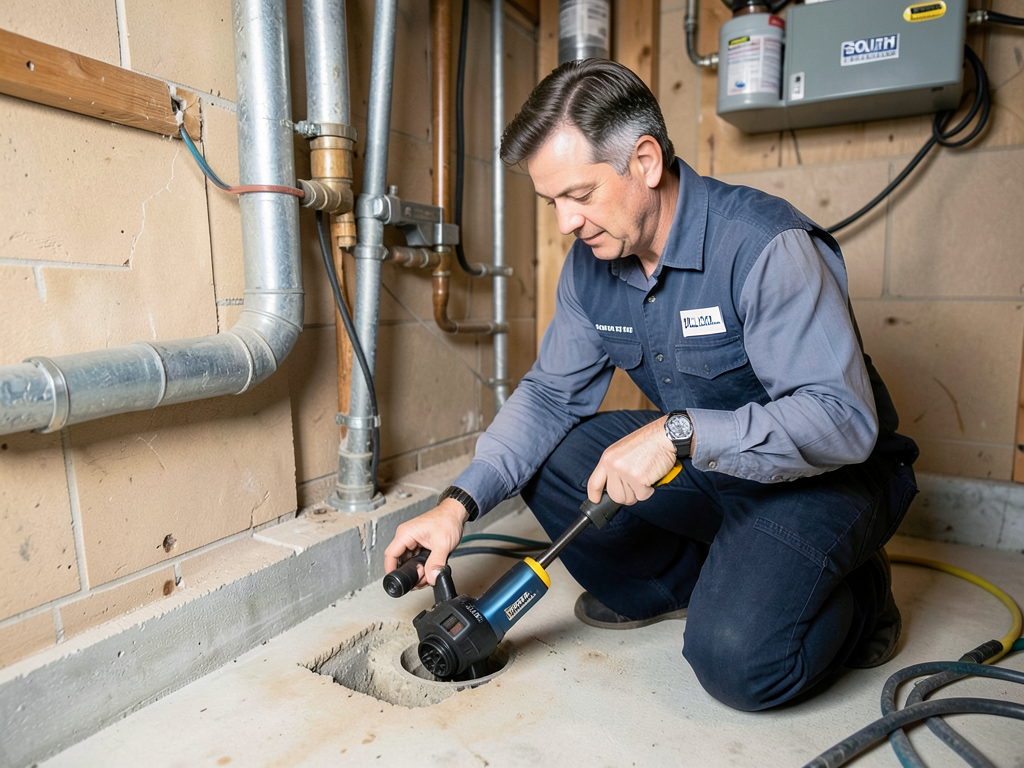
Why your South Milwaukee basement drains smell like a swamp after a heavy storm
The first heavy rain hits South Milwaukee and suddenly your basement smells like rotten eggs and swamp water. That foul odor coming from your floor drain isn’t just unpleasant—it’s your home telling you something’s wrong with your plumbing system. Milwaukee Metropolitan Sewerage District.
After decades of working in South Milwaukee basements I can tell you this smell is one of the most common calls we get during the wet season. The combination of Lake Michigan’s proximity our clay-heavy soil and the age of many South Milwaukee homes creates the perfect conditions for this problem. Who to call when your Bay View basement floods at 3 AM.
The good news You’re not alone and in most cases we can fix it quickly. Let me walk you through what’s really happening and what you can do about it.
Common causes of post-rain drain odors in SE Wisconsin
When that swamp smell hits after a storm several things could be happening in your plumbing system. Understanding the cause helps you know whether it’s a DIY fix or time to call a professional. Professional drain cleaning in Shorewood for stubborn kitchen clogs.
1. Sewer surcharge and backflow issues
During heavy rainfall the Milwaukee Metropolitan Sewerage District’s combined sewer system can become overwhelmed. When this happens water backs up into residential sewer laterals pushing sewer gas back through your floor drains. The best options for water heater replacement in Wauwatosa.
South Milwaukee homes particularly those built before 1970 often lack proper backwater valves. Without this protection the pressure from a surcharge event forces gases up through any available opening—including your basement floor drain. Reliable Milwaukee sump pump repair services to keep your basement dry.
2. Atmospheric pressure and trapped sewer gas
Storm systems moving across Lake Michigan create rapid atmospheric pressure changes. When a low-pressure system arrives it can actually pull sewer gases up through your plumbing system even if everything is working correctly. Rapid Response Leak Repair.
This pressure differential is especially noticeable in homes with older cast iron stacks or deteriorating sewer lines where gas can escape through small cracks.
3. The ‘dried out P-trap’ paradox
Your floor drain has a P-trap—that U-shaped bend that should always hold water to block sewer gases. But here’s the catch: during extended dry periods this trap can evaporate completely.
When the next heavy rain hits the sudden pressure change pushes those trapped gases up through the now-empty trap creating that unmistakable rotten egg smell.
Image Placeholder 1: Cross-section diagram showing a floor drain P-trap with water seal intact versus evaporated trap allowing sewer gas escape
DIY solutions to stop the smell immediately
Before calling a plumber try these quick fixes. They work about 60% of the time for the swamp smell issue.
- Flush the trap
Pour 2-3 gallons of water down the floor drain. This refills the P-trap and creates a new water seal. Do this slowly to avoid overflow.
- Add mineral oil
After flushing add 1/4 cup of mineral oil to the drain. This creates a thin film that slows evaporation keeping your trap sealed longer.
- Clean the drain
Mix 1/2 cup baking soda with 1/2 cup vinegar and pour it down the drain. Let it fizz for 15 minutes then flush with hot water. This removes biofilm that can harbor odor-causing bacteria.
If these steps don’t work within 24 hours the problem is likely more serious than a dry trap.
When to call a Milwaukee plumbing professional
Some basement drain smells signal problems that need professional attention. Here’s how to tell the difference.
Call us immediately if:
- The smell persists after DIY fixes
- You notice water backing up from the drain during rain
- The odor is accompanied by gurgling sounds from other drains
- You see water stains or moisture around the drain
- The smell is accompanied by slow drainage elsewhere in your home
Image Placeholder 2: Professional plumber using a sewer camera to inspect a floor drain trap in a South Milwaukee basement
A professional inspection typically includes video camera inspection of your sewer lateral checking for proper trap function and testing for hydrostatic pressure issues around your foundation.
Preventing future odors: maintenance tips for Milwaukee basements
Once you’ve solved the immediate problem prevention becomes your best defense against future swamp smells.
Install a trap primer
A trap primer automatically adds water to your floor drain trap on a schedule preventing the evaporation that causes many odor problems. This is especially useful for seasonal homes or basements used infrequently.
Consider a backwater valve
If your home lacks one a backwater valve can prevent sewer surcharge from backing up into your basement. The Milwaukee Municipal Code Section 13.07 requires these in certain flood-prone areas though many older South Milwaukee homes don’t have them.
Regular maintenance schedule
Mark your calendar to pour water down each floor drain every 3 months. For homes near Lake Michigan or in low-lying areas consider monthly flushing during dry seasons.
Image Placeholder 3: Before and after comparison showing a clean floor drain trap versus one filled with debris and biofilm
The science behind the smell
That rotten egg odor is hydrogen sulfide gas (H2S) a byproduct of decomposing organic matter in your sewer system. While the smell itself is unpleasant hydrogen sulfide can be dangerous at high concentrations.
The EPA classifies hydrogen sulfide as an irritant and potential health hazard. Short-term exposure can cause eye irritation respiratory issues and headaches. That’s why addressing the source quickly matters. EPA hydrogen sulfide information.
In South Milwaukee’s older neighborhoods like the area near South Shore Park or the historic districts near Lake Drive aging clay sewer lines are particularly susceptible to cracks that allow gas to escape before it reaches the treatment plant.
Why South Milwaukee homes are especially vulnerable
South Milwaukee’s unique geography creates specific plumbing challenges. The area sits on a clay-rich soil layer that doesn’t drain well combined with a high water table influenced by Lake Michigan.
During heavy rains this combination creates hydrostatic pressure against your foundation. If your basement plumbing isn’t properly sealed or vented that pressure forces gases through any available path—often your floor drain.
Many South Milwaukee homes were built between 1920 and 1960 when building codes were different. These homes often have undersized drain lines inadequate venting or missing backwater protection that modern plumbing would include.
Cost considerations for professional repairs
Professional drain odor diagnosis typically costs $150-300 in South Milwaukee. This includes camera inspection and trap testing. Repairs range from $200 for simple trap replacement to $2000+ for backwater valve installation or sewer lateral repair.
Most homeowners find that addressing the root cause prevents more expensive flood damage later. A single sewer backup can cause thousands in damage to flooring walls and personal property.
Frequently Asked Questions
Is that smell dangerous or just unpleasant?
While the odor itself is primarily unpleasant hydrogen sulfide gas can be harmful at high concentrations. The smell you notice is usually at safe levels but it indicates a problem that could worsen. Always ventilate the area and address the source promptly.
How quickly should I respond to a drain smell?
Address it within 24-48 hours. The smell won’t damage your home but it signals a problem that could lead to backups or worsen over time. Quick action prevents more expensive repairs later.
Can I prevent this from happening again?
Yes. Regular maintenance trap primers and proper venting prevent most odor issues. Homes in flood-prone areas benefit from backwater valves. Annual plumbing inspections catch problems before they cause odors.
Does homeowners insurance cover this?
Standard policies typically don’t cover drain odors themselves but they may cover damage from sewer backups if you have the proper endorsement. Check your policy or call your agent to confirm coverage.
Take action before the next storm
That swamp smell from your basement drain is more than just an annoyance—it’s a warning sign. Whether it’s a simple dry trap or a more serious sewer issue addressing it now prevents bigger problems later.
South Milwaukee’s unique combination of clay soil high water table and aging infrastructure makes your home particularly susceptible to these issues. Don’t wait for the next heavy rain to make the problem worse.
Call (414) 375-7955 today to schedule your drain inspection. We’ll diagnose the problem fix it right the first time and help you prevent future odors. Your basement should smell like a basement not a swamp.
Pick up the phone and call (414) 375-7955 before the next storm hits. Your nose—and your home—will thank you.
{
“@context”: “https://schema.org”,
“@type”: “BlogPosting”,
“headline”: “Why your South Milwaukee basement drains smell like a swamp after a heavy storm”,
“description”: “Basement drain smells in South Milwaukee after storms? Learn causes and fixes for that rotten egg odor from local plumbing experts.”,
“wordCount”: 1434,
“datePublished”: “2026-06-09T07:06:00.000Z”,
“dateModified”: “2026-06-09T07:06:00.000Z”,
“inLanguage”: “en-US”,
“mainEntityOfPage”: {
“@type”: “WebPage”,
“@id”: “https://eliteplumbingmilwaukee.com”
},
“publisher”: {
“@type”: “LocalBusiness”,
“name”: “Elite Plumbing Milwaukee”,
“url”: “https://eliteplumbingmilwaukee.com”
},
“author”: {
“@type”: “Organization”,
“name”: “Elite Plumbing Milwaukee”,
“url”: “https://eliteplumbingmilwaukee.com”
},
“image”: {
“@type”: “ImageObject”,
“url”: “https://eliteplumbingmilwaukee.com/wp-content/uploads/2026/03/why-your-south-milwaukee-basement-drains-smell-lik-1.png”
}
}
{
“@context”: “https://schema.org”,
“@type”: “Plumber”,
“name”: “Elite Plumbing Milwaukee”,
“url”: “https://eliteplumbingmilwaukee.com”,
“address”: {
“@type”: “PostalAddress”,
“addressLocality”: “Milwaukee”
},
“areaServed”: {
“@type”: “City”,
“name”: “Milwaukee”
}
}
{
“@context”: “https://schema.org”,
“@type”: “FAQPage”,
“mainEntity”: [
{
“@type”: “Question”,
“name”: “Is that smell dangerous or just unpleasant?”,
“acceptedAnswer”: {
“@type”: “Answer”,
“text”: “While the odor itself is primarily unpleasant hydrogen sulfide gas can be harmful at high concentrations. The smell you notice is usually at safe levels but it indicates a problem that could worsen. Always ventilate the area and address the source promptly.”
}
},
{
“@type”: “Question”,
“name”: “How quickly should I respond to a drain smell?”,
“acceptedAnswer”: {
“@type”: “Answer”,
“text”: “Address it within 24-48 hours. The smell won’t damage your home but it signals a problem that could lead to backups or worsen over time. Quick action prevents more expensive repairs later.”
}
},
{
“@type”: “Question”,
“name”: “Can I prevent this from happening again?”,
“acceptedAnswer”: {
“@type”: “Answer”,
“text”: “Yes. Regular maintenance trap primers and proper venting prevent most odor issues. Homes in flood-prone areas benefit from backwater valves. Annual plumbing inspections catch problems before they cause odors.”
}
},
{
“@type”: “Question”,
“name”: “Does homeowners insurance cover this?”,
“acceptedAnswer”: {
“@type”: “Answer”,
“text”: “Standard policies typically don’t cover drain odors themselves but they may cover damage from sewer backups if you have the proper endorsement. Check your policy or call your agent to confirm coverage.”
}
}
]
}
{
“@context”: “https://schema.org”,
“@type”: “HowTo”,
“name”: “How to eliminate basement drain odors”,
“step”: [
{
“@type”: “HowToStep”,
“position”: 1,
“name”: “Flush the trap”,
“text”: “Pour 2-3 gallons of water down the floor drain. This refills the P-trap and creates a new water seal. Do this slowly to avoid overflow.”
},
{
“@type”: “HowToStep”,
“position”: 2,
“name”: “Add mineral oil”,
“text”: “After flushing add 1/4 cup of mineral oil to the drain. This creates a thin film that slows evaporation keeping your trap sealed longer.”
},
{
“@type”: “HowToStep”,
“position”: 3,
“name”: “Clean the drain”,
“text”: “Mix 1/2 cup baking soda with 1/2 cup vinegar and pour it down the drain. Let it fizz for 15 minutes then flush with hot water. This removes biofilm that can harbor odor-causing bacteria.”
}
],
“image”: “https://eliteplumbingmilwaukee.com/wp-content/uploads/2026/03/why-your-south-milwaukee-basement-drains-smell-lik-1.png”
}
{
“@context”: “https://schema.org”,
“@type”: “BreadcrumbList”,
“itemListElement”: [
{
“@type”: “ListItem”,
“position”: 1,
“name”: “Home”,
“item”: “https://eliteplumbingmilwaukee.com”
},
{
“@type”: “ListItem”,
“position”: 2,
“name”: “Blog”,
“item”: “https://eliteplumbingmilwaukee.com/blog”
},
{
“@type”: “ListItem”,
“position”: 3,
“name”: “Why your South Milwaukee basement drains smell like a swamp after a heavy storm”
}
]
}
{
“@context”: “https://schema.org”,
“@type”: “Service”,
“serviceType”: “Plumbing”,
“provider”: {
“@type”: “LocalBusiness”,
“name”: “Elite Plumbing Milwaukee”,
“url”: “https://eliteplumbingmilwaukee.com”
},
“areaServed”: {
“@type”: “City”,
“name”: “Milwaukee”
},
“description”: “Basement drain smells in South Milwaukee after storms? Learn causes and fixes for that rotten egg odor from local plumbing experts.”
}