
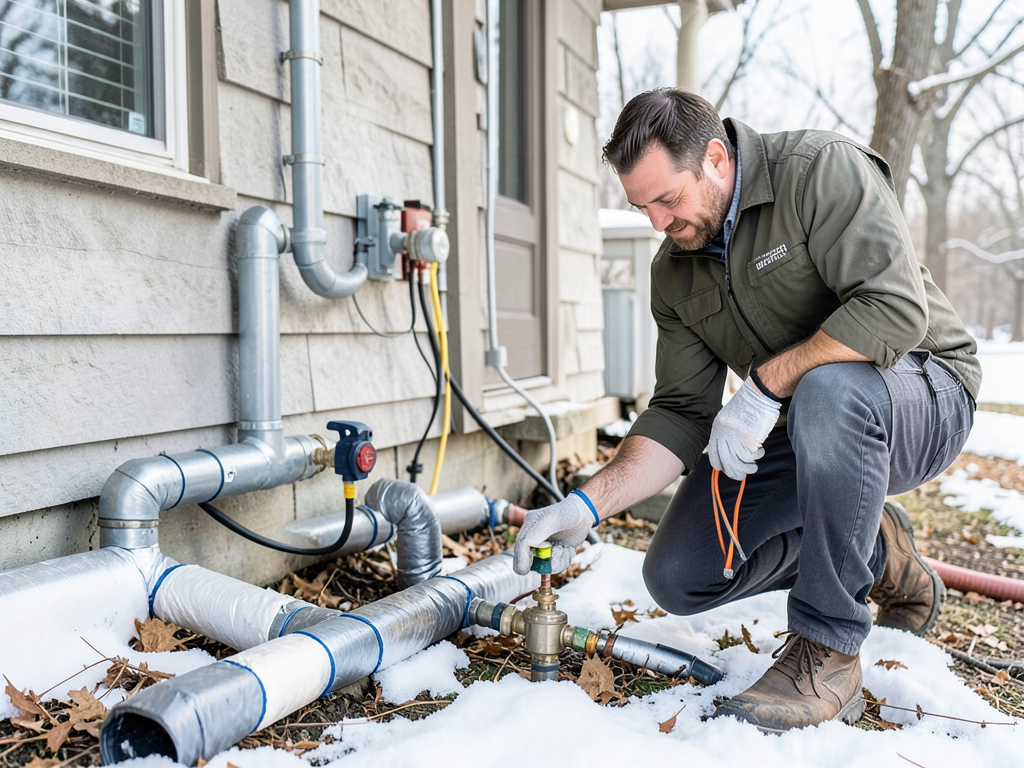
Winterizing the plumbing in your seasonal cottage or pool house in Chenequa
Wisconsin winters can destroy unprepared plumbing systems. In Chenequa’s lakefront properties and seasonal cottages, a single freeze can crack copper lines, split PEX tubing, and flood your basement before you return in spring. The damage starts when water freezes at 32°F and expands by 9% in volume, creating pressures over 2,000 PSI that no pipe can withstand. EPA.
Most seasonal property owners in Waukesha County discover the problem in April when they open the cottage and find water pouring from burst pipes behind walls. The repair costs often exceed $5,000 for water damage alone, not including the plumbing replacement. This guide shows you how to prevent that disaster using Milwaukee-specific techniques for Chenequa’s unique lake-effect climate. The best options for water heater replacement in Wauwatosa.
The first hard freeze typically hits Chenequa between October 15-25, when overnight temperatures drop below 28°F. That gives you a three-week window to complete winterization before the ground freezes to its 42-inch frost depth. Missing this deadline means risking frozen pipes even if you drain the system correctly. Professional drain cleaning in Shorewood for stubborn kitchen clogs.
Understanding Chenequa’s winter plumbing risks
Chenequa’s seasonal properties face unique challenges that Milwaukee homes don’t. Many cottages sit on lakefront lots with exposed crawl spaces, uninsulated plumbing chases, and older copper or galvanized piping that corrodes at joints. The lake-effect snow and wind create wind chills that drop below zero, freezing pipes faster than inland properties. What to do if your pipes freeze during a Milwaukee cold snap.
Most seasonal cottages in Chenequa were built between 1950-1980 with minimal freeze protection. Original plumbing often runs through exterior walls or unheated crawl spaces where temperatures mirror outdoor conditions. Modern PEX installations still fail if not properly winterized, as PEX becomes brittle at extreme cold and can crack at fittings.
The biggest risk factor is the “set it and forget it” approach. Property owners drain the main lines but forget about the water softener, the dishwasher’s inlet valve, or the washing machine’s solenoid valves. These components hold water that freezes and splits internal components, causing leaks when you restore water in spring.. Read more about What to do if your sump pump discharge line freezes in Thiensville.
Essential tools and supplies for Chenequa winterization
Before starting, gather these Milwaukee-specific supplies. You’ll need more than basic insulation because Chenequa’s lake-effect winds penetrate standard materials. Reliable Milwaukee sump pump repair services to keep your basement dry.
| Item | Specification | Purpose |
|---|---|---|
| RV antifreeze | Non-toxic propylene glycol | Traps and drains |
| Pipe insulation | R-4 minimum, UV resistant | Exposed outdoor lines |
| Heat tape | Self-regulating, 120V | Crawl space pipes |
| Compressed air | Minimum 60 PSI | Blowing out lines |
| Garden hose caps | Brass, 3/4″ thread | Outdoor spigots |
Local hardware stores like Blain’s Farm & Fleet in Pewaukee stock these materials, but quantities run low by mid-October. Buy supplies early and test your compressed air source before you need it.
Step-by-step winterization process for Chenequa properties
Follow this sequence exactly. Skipping steps or doing them out of order leaves water in low spots that freeze and cause damage.
- Shut off main water supply
Locate the main shut-off valve, typically in the basement near where the water line enters the house. Turn the valve clockwise until fully closed. In Chenequa cottages, this valve might be buried in a crawl space or outside near the foundation. Who to call when your Bay View basement floods at 3 AM.
- Open all faucets
Open every sink, tub, and outdoor faucet to allow water to drain. Start with the highest fixtures and work down to the lowest. Leave all faucets open during the entire process.
- Drain the water heater
Attach a garden hose to the water heater’s drain valve and route it to a floor drain or outside. Open the valve and let the tank empty completely. For gas heaters, set to “pilot” position. For electric, turn off the breaker.
- Blow out the lines
Connect compressed air to the laundry hookup or an outdoor spigot using a quick-connect adapter. Set pressure to 40-60 PSI. Blow air through the system for 2-3 minutes per fixture until only air comes out.
- Protect traps with antifreeze
Pour one cup of RV antifreeze into each sink, tub, and floor drain trap. This prevents sewer gases from entering and protects the trap from freezing.
- Insulate exposed pipes
Wrap all accessible pipes in unheated areas with foam insulation. Pay special attention to pipes in crawl spaces, attics, and exterior walls. Use heat tape on pipes near foundation walls.
The compressed air step is critical in Chenequa’s lake-effect climate. Standard gravity draining leaves water in low spots, elbows, and valve bodies. The air pressure pushes this remaining water out, preventing freeze damage in hard-to-reach areas.
Special considerations for Chenequa seasonal properties
Chenequa’s seasonal properties often have features that require extra attention. The lakefront location means higher humidity and more condensation on cold pipes, accelerating corrosion.
Water softeners contain resin beads that absorb water and expand when frozen. Bypass the softener and drain it completely, or remove the resin tank and store it in a heated area. The control valve contains small orifices that crack when frozen, causing expensive repairs.
Pool houses and outdoor kitchens need complete isolation from the main plumbing system. Install separate shut-off valves for these areas and blow out their lines independently. Pool house plumbing often runs underground and requires professional blowout equipment to clear completely.
Sump pump discharge lines freeze easily in Chenequa’s extended cold periods. Install a freeze-resistant discharge line with insulation or heat tape, or route the discharge to an interior floor drain that stays above freezing.
Common winterization mistakes that cost Chenequa owners thousands
Even experienced property owners make these errors that lead to spring flooding and expensive repairs.
- Leaving hoses connected to outdoor faucets – Water trapped in the hose and faucet body freezes and splits the valve seat
- Skipping the compressed air step – Gravity draining leaves 1-2 cups of water in low spots that freeze and crack pipes
- Forgetting the toilet tanks – Water in the tank and bowl can freeze and crack the porcelain
- Not draining the dishwasher – The inlet valve and drain trap hold water that freezes and splits internal components
- Ignoring the washing machine – The solenoid valves and drain pump contain water that freezes and causes expensive repairs
The most expensive mistake is assuming “frost-proof” outdoor faucets don’t need winterization. These fixtures fail when hoses remain attached, as the water cannot drain from the extended valve body. In Chenequa’s wind chills, even properly installed frost-proof faucets can freeze if not covered with insulated caps.
When to call a Milwaukee professional for winterization
Some Chenequa properties need professional winterization services. If your cottage has these features, hire a licensed Milwaukee plumber rather than risking DIY failure.
Properties with in-ground sprinkler systems require professional blowout equipment that produces 80-100 PSI of clean, dry air. Consumer-grade compressors lack the volume and pressure to clear all zones completely. The cost of professional blowout ($75-150) is far less than replacing a $2,000 irrigation manifold.
Older Chenequa cottages with galvanized steel pipes need special handling. These pipes corrode internally, creating rough surfaces that trap water even with compressed air. A professional can identify problem areas and apply heat tape or insulation to prevent freezing.
If you’re unsure about your cottage’s plumbing layout or have experienced freeze damage before, professional winterization provides peace of mind. Milwaukee plumbers familiar with Chenequa properties know the common failure points and can address them before they cause damage.
Emergency protocol if you miss the winterization window
If temperatures drop below 28°F before you complete winterization, act immediately to minimize damage risk.
Keep the heat on at a minimum of 55°F to maintain pipe temperatures above freezing. Open cabinet doors under sinks to allow warm air circulation around pipes. Let faucets drip slightly to keep water moving, as moving water freezes at a lower temperature than standing water.
Locate your main water shut-off valve and learn how to operate it quickly. If a pipe bursts, you need to shut off water within minutes to prevent extensive damage. Test the valve now to ensure it operates smoothly.
Consider temporary heat tape installation on exposed pipes. Plug-in heat cables can maintain pipe temperatures above freezing in unheated areas. Monitor these carefully as they can pose fire risks if damaged or covered with insulation.
If you discover frozen pipes, never use open flame to thaw them. Use a hair dryer on low heat, moving it slowly along the frozen section. Start from the faucet end and work toward the frozen area. If you can’t locate the frozen section or it’s behind a wall, call a professional immediately.
Spring startup procedures for Chenequa seasonal properties
Proper spring startup prevents the damage that occurs when water is suddenly restored to a winterized system.
Before turning on water, inspect all visible pipes for cracks, corrosion, or damage. Check under sinks, in crawl spaces, and around water heaters. Look for white powdery deposits that indicate slow leaks from freeze damage.
Turn on the main water supply slowly, watching the water meter for movement that indicates leaks. If the meter continues running after all fixtures are closed, you have a leak somewhere in the system.
Test each fixture individually, watching for leaks around supply lines and drain connections. Pay special attention to toilets, as the fill valve and flush valve can crack during freezing and cause continuous running.
Run water through all drains for several minutes to clear any antifreeze residue and check for proper drainage. Listen for gurgling sounds that indicate vent pipe issues or partial blockages.
If you discover any damage, shut off the main water supply immediately and call a Milwaukee plumber. Small leaks can cause thousands in water damage if left unattended for even a few hours.
Protecting your Chenequa investment year-round
Winterization is just one part of protecting your seasonal property. Consider these additional measures to prevent costly damage.
Install a smart water monitor that detects unusual flow patterns and can automatically shut off water if a leak is detected. These devices cost $200-400 but can save you from catastrophic damage.
Consider a whole-house water alarm system that notifies you of leaks, temperature drops, or power failures at your cottage. Modern systems send alerts to your phone, allowing you to respond quickly to problems.
Schedule annual plumbing inspections with a Milwaukee plumber familiar with Chenequa properties. They can identify corrosion, pressure issues, and code violations before they become emergencies.
Maintain detailed records of your winterization procedures, including dates, materials used, and any problems encountered. This information helps professionals diagnose issues quickly and can guide your own maintenance efforts.
Remember that Wisconsin plumbing codes require certain freeze protection measures for seasonal properties. A licensed Milwaukee plumber can ensure your cottage meets current code requirements while providing maximum protection against freezing.
Frequently Asked Questions
When should I start winterizing my Chenequa seasonal property?
Begin winterization by October 1st to ensure completion before the typical October 15-25 first hard freeze. Early October gives you time to address unexpected problems without rushing.
Can I use regular automotive antifreeze instead of RV antifreeze?
Never use automotive antifreeze in plumbing systems. It contains toxic ethylene glycol that can contaminate your water supply and harm pets or wildlife. Only use non-toxic propylene glycol RV antifreeze.
How much does professional winterization cost in Chenequa?
Professional winterization services in Chenequa typically cost $250-400 for standard cottages, with additional fees for pool houses, irrigation systems, or complex plumbing layouts. This cost is minimal compared to potential water damage repairs.
What’s the most common mistake Chenequa property owners make?
The most common mistake is assuming “frost-proof” outdoor faucets don’t need winterization. These fixtures fail when hoses remain attached or when extreme cold penetrates the valve body. Always remove hoses and install insulated covers.
How can I tell if my pipes froze during winter?
Signs of frozen pipes include no water flow from faucets, frost visible on exposed pipes, unusual sounds when turning on water, or water damage appearing in walls or ceilings when pipes thaw. If you suspect frozen pipes, call a professional immediately.
Don’t wait until it’s too late
Wisconsin winters don’t wait for your schedule. The first hard freeze in Chenequa can arrive as early as October 15th, and once temperatures drop below 28°F, the damage clock starts ticking. Every day you delay winterization increases your risk of burst pipes, flooded basements, and thousands in water damage repairs.
Whether you’re handling winterization yourself or hiring a Milwaukee professional, the key is completing the process before the first hard freeze. If you’re unsure about your property’s specific needs or want peace of mind knowing your seasonal cottage is protected, call (414) 375-7955 today to schedule your inspection. Our Milwaukee plumbers understand Chenequa’s unique lake-effect challenges and can ensure your property survives the winter without costly damage.
Pick up the phone and call (414) 375-7955 before the next cold snap hits. Your seasonal property deserves professional protection from Wisconsin’s harsh winters. For more information, visit IICRC.
You may also find this helpful. The pros and cons of installing a utility sink in your West Allis garage.
{
“@context”: “https://schema.org”,
“@type”: “BlogPosting”,
“headline”: “Winterizing the plumbing in your seasonal cottage or pool house in Chenequa”,
“description”: “Protect your Chenequa seasonal property from frozen pipes with our expert winterization guide. Milwaukee plumbers share local tips for cottages and pool houses.”,
“wordCount”: 2176,
“datePublished”: “2026-04-15T06:54:00.000Z”,
“dateModified”: “2026-04-15T06:54:00.000Z”,
“inLanguage”: “en-US”,
“mainEntityOfPage”: {
“@type”: “WebPage”,
“@id”: “https://eliteplumbingmilwaukee.com”
},
“publisher”: {
“@type”: “LocalBusiness”,
“name”: “Elite Plumbing Milwaukee”,
“url”: “https://eliteplumbingmilwaukee.com”
},
“author”: {
“@type”: “Organization”,
“name”: “Elite Plumbing Milwaukee”,
“url”: “https://eliteplumbingmilwaukee.com”
},
“image”: {
“@type”: “ImageObject”,
“url”: “https://eliteplumbingmilwaukee.com/wp-content/uploads/2026/03/winterizing-the-plumbing-in-your-seasonal-cottage-1.png”
}
}
{
“@context”: “https://schema.org”,
“@type”: “Plumber”,
“name”: “Elite Plumbing Milwaukee”,
“url”: “https://eliteplumbingmilwaukee.com”,
“address”: {
“@type”: “PostalAddress”,
“addressLocality”: “Milwaukee”
},
“areaServed”: {
“@type”: “City”,
“name”: “Milwaukee”
}
}
{
“@context”: “https://schema.org”,
“@type”: “FAQPage”,
“mainEntity”: [
{
“@type”: “Question”,
“name”: “When should I start winterizing my Chenequa seasonal property?”,
“acceptedAnswer”: {
“@type”: “Answer”,
“text”: “Begin winterization by October 1st to ensure completion before the typical October 15-25 first hard freeze. Early October gives you time to address unexpected problems without rushing.”
}
},
{
“@type”: “Question”,
“name”: “Can I use regular automotive antifreeze instead of RV antifreeze?”,
“acceptedAnswer”: {
“@type”: “Answer”,
“text”: “Never use automotive antifreeze in plumbing systems. It contains toxic ethylene glycol that can contaminate your water supply and harm pets or wildlife. Only use non-toxic propylene glycol RV antifreeze.”
}
},
{
“@type”: “Question”,
“name”: “How much does professional winterization cost in Chenequa?”,
“acceptedAnswer”: {
“@type”: “Answer”,
“text”: “Professional winterization services in Chenequa typically cost $250-400 for standard cottages, with additional fees for pool houses, irrigation systems, or complex plumbing layouts. This cost is minimal compared to potential water damage repairs.”
}
},
{
“@type”: “Question”,
“name”: “What’s the most common mistake Chenequa property owners make?”,
“acceptedAnswer”: {
“@type”: “Answer”,
“text”: “The most common mistake is assuming \”frost-proof\” outdoor faucets don’t need winterization. These fixtures fail when hoses remain attached or when extreme cold penetrates the valve body. Always remove hoses and install insulated covers.”
}
},
{
“@type”: “Question”,
“name”: “How can I tell if my pipes froze during winter?”,
“acceptedAnswer”: {
“@type”: “Answer”,
“text”: “Signs of frozen pipes include no water flow from faucets, frost visible on exposed pipes, unusual sounds when turning on water, or water damage appearing in walls or ceilings when pipes thaw. If you suspect frozen pipes, call a professional immediately.”
}
}
]
}
{
“@context”: “https://schema.org”,
“@type”: “HowTo”,
“name”: “How to Winterize Seasonal Property Plumbing”,
“step”: [
{
“@type”: “HowToStep”,
“position”: 1,
“name”: “Shut off main water supply”,
“text”: “Locate the main shut-off valve, typically in the basement near where the water line enters the house. Turn the valve clockwise until fully closed. In Chenequa cottages, this valve might be buried in a crawl space or outside near the foundation. Who to call when your Bay View basement floods at 3 AM.”
},
{
“@type”: “HowToStep”,
“position”: 2,
“name”: “Open all faucets”,
“text”: “Open every sink, tub, and outdoor faucet to allow water to drain. Start with the highest fixtures and work down to the lowest. Leave all faucets open during the entire process.”
},
{
“@type”: “HowToStep”,
“position”: 3,
“name”: “Drain the water heater”,
“text”: “Attach a garden hose to the water heater’s drain valve and route it to a floor drain or outside. Open the valve and let the tank empty completely. For gas heaters, set to \”pilot\” position. For electric, turn off the breaker.”
},
{
“@type”: “HowToStep”,
“position”: 4,
“name”: “Blow out the lines”,
“text”: “Connect compressed air to the laundry hookup or an outdoor spigot using a quick-connect adapter. Set pressure to 40-60 PSI. Blow air through the system for 2-3 minutes per fixture until only air comes out.”
},
{
“@type”: “HowToStep”,
“position”: 5,
“name”: “Protect traps with antifreeze”,
“text”: “Pour one cup of RV antifreeze into each sink, tub, and floor drain trap. This prevents sewer gases from entering and protects the trap from freezing.”
}
],
“image”: “https://eliteplumbingmilwaukee.com/wp-content/uploads/2026/03/winterizing-the-plumbing-in-your-seasonal-cottage-1.png”
}
{
“@context”: “https://schema.org”,
“@type”: “BreadcrumbList”,
“itemListElement”: [
{
“@type”: “ListItem”,
“position”: 1,
“name”: “Home”,
“item”: “https://eliteplumbingmilwaukee.com”
},
{
“@type”: “ListItem”,
“position”: 2,
“name”: “Blog”,
“item”: “https://eliteplumbingmilwaukee.com/blog”
},
{
“@type”: “ListItem”,
“position”: 3,
“name”: “Winterizing the plumbing in your seasonal cottage or pool house in Chenequa”
}
]
}
{
“@context”: “https://schema.org”,
“@type”: “Service”,
“serviceType”: “Plumbing”,
“provider”: {
“@type”: “LocalBusiness”,
“name”: “Elite Plumbing Milwaukee”,
“url”: “https://eliteplumbingmilwaukee.com”
},
“areaServed”: {
“@type”: “City”,
“name”: “Milwaukee”
},
“description”: “Protect your Chenequa seasonal property from frozen pipes with our expert winterization guide. Milwaukee plumbers share local tips for cottages and pool houses.”
}