
Why you should never use chemical drain cleaners in your South Milwaukee pipes
Chemical drain cleaners might seem like a quick fix for stubborn clogs, but they can cause serious damage to your South Milwaukee plumbing system and pose significant health risks. Before you pour that bottle down your drain, understand what these harsh chemicals actually do to your pipes and why professional solutions are safer and more effective. Professional drain cleaning in Shorewood for stubborn kitchen clogs.
South Milwaukee homes, particularly those built before 1980, often feature aging plumbing infrastructure including cast iron pipes, galvanized steel, and older PVC installations. These materials react differently to chemical cleaners than modern plumbing systems, and the results can be catastrophic. The combination of Milwaukee’s hard water and chemical cleaners creates a perfect storm for pipe deterioration. The best options for water heater replacement in Wauwatosa.
How chemical cleaners actually work (the science of corrosion)
Chemical drain cleaners use three main approaches: caustic (sodium hydroxide), oxidizing (bleach-based), and acidic (sulfuric or hydrochloric acid). Each creates an exothermic reaction that generates intense heat to break down organic matter. While this sounds effective, the same heat that melts clogs also damages pipe materials.
According to the Wisconsin Department of Safety and Professional Services (DSPS) plumbing code, pipe materials must withstand specific temperature ranges. Chemical reactions can exceed 200°F, far beyond what most residential pipes are designed to handle. This extreme heat can warp PVC joints, crack porcelain, and weaken metal pipes from the inside out. EPA guidelines on household chemical safety.
The reaction doesn’t stop at the clog either. Chemicals continue eating away at pipe walls long after you’ve flushed them away, creating microscopic damage that leads to leaks months later. By the time you notice a problem, you’re facing expensive pipe replacement rather than a simple clog removal.
Damage by pipe material: PVC, cast iron, and copper
PVC pipes are particularly vulnerable to chemical cleaners. The heat generated by exothermic reactions can soften PVC joints and cause them to warp or melt completely. In older South Milwaukee homes, you might have PVC pipes that were installed before modern manufacturing standards, making them even more susceptible to heat damage. What to do if your pipes freeze during a Milwaukee cold snap.
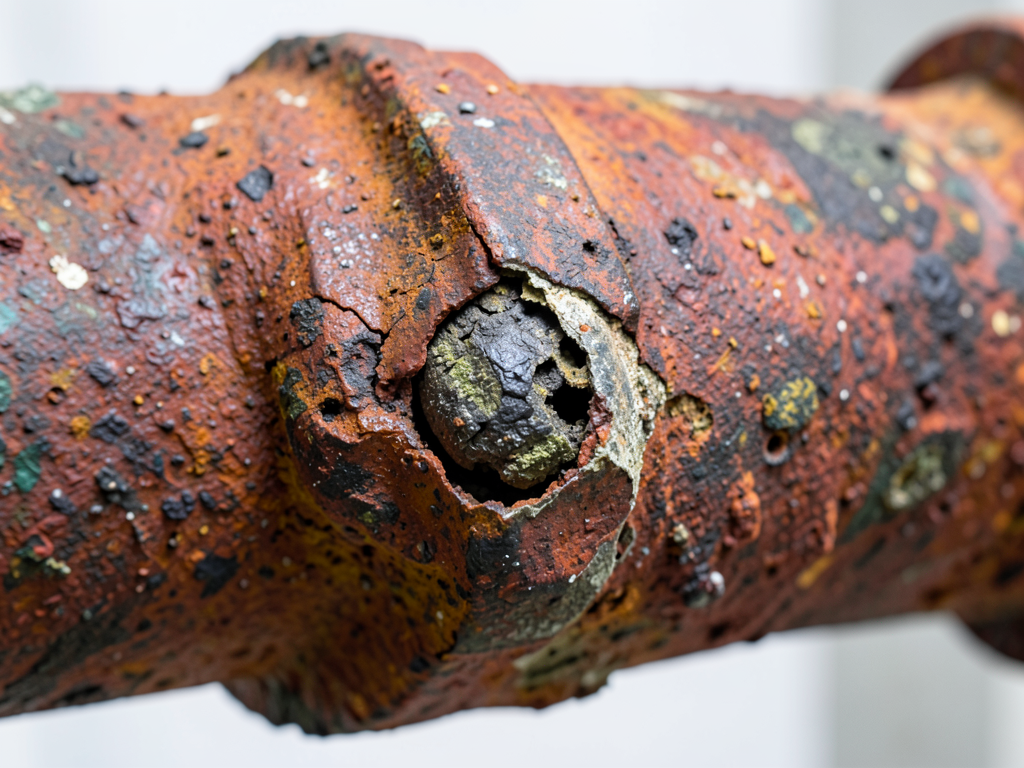
Cast iron pipes, common in homes built before 1970, face a different threat. Chemical cleaners accelerate corrosion by creating microscopic pits in the iron surface. These pits become starting points for rust and eventually lead to pipe failure. The MMSD (Milwaukee Metropolitan Sewerage District) has documented increased pipe failures in areas where chemical drain cleaner use is common. Reliable Milwaukee sump pump repair services to keep your basement dry.
Copper pipes can handle higher temperatures than PVC, but acidic cleaners specifically target copper, causing rapid deterioration. The reaction between copper and acid creates copper salts that can contaminate your water supply and damage fixtures throughout your home.
Health hazards: why your clog isn’t worth a respiratory emergency
Chemical drain cleaners release toxic fumes that can cause immediate respiratory distress. The combination of heat and chemical reaction produces chlorine gas, sulfur dioxide, and other harmful compounds. These fumes can linger in your home for hours after use, especially in poorly ventilated bathrooms and kitchens.
According to the EPA’s guidelines on household chemical safety, mixing different drain cleaners or combining them with other cleaning products can create deadly gases. Many homeowners don’t realize that even small amounts of leftover cleaner in pipes can react dangerously with other substances flushed down later.
The risk extends beyond your home. When these chemicals enter Milwaukee’s wastewater system, they must be neutralized at treatment facilities, increasing costs for all residents. Some compounds are so persistent they make it through treatment and affect Lake Michigan water quality.
Why Milwaukee’s older plumbing systems are most at risk
South Milwaukee’s historic neighborhoods feature plumbing systems that are particularly vulnerable to chemical damage. Many homes in areas like the Historic Third Ward and Bay View have original cast iron or galvanized steel pipes that are already nearing the end of their service life. Chemical cleaners accelerate this deterioration dramatically.
The freeze-thaw cycles common in Wisconsin create additional stress on pipes. When chemicals weaken pipe walls, the expansion and contraction from temperature changes can cause immediate failure. This is why we see more burst pipes in older Milwaukee neighborhoods during spring thaw periods.
Milwaukee’s water chemistry also plays a role. The city’s hard water contains high levels of calcium and magnesium. When chemical cleaners interact with these minerals, they can create scale buildup that narrows pipes even further, making future clogs more likely and chemical treatments less effective.
What to do if you’ve already poured chemicals down the drain
If you’ve already used chemical drain cleaners, don’t panic, but don’t ignore the situation either. The first step is to flush the pipes thoroughly with hot water to dilute any remaining chemicals. This won’t reverse damage but can prevent immediate reactions with other substances.
Watch for warning signs like slow drainage, gurgling sounds, or unusual odors coming from drains. These could indicate chemical damage to pipe joints or seals. If you notice any of these symptoms, it’s time to call a professional plumber who can assess the extent of the damage.
Never use plungers or augers on drains that have been treated with chemical cleaners. The mechanical action can cause chemicals to splash back, creating burn risks. Additionally, mixing mechanical and chemical methods can create unpredictable reactions that damage pipes further.
Professional alternatives: hydro-jetting and mechanical snaking
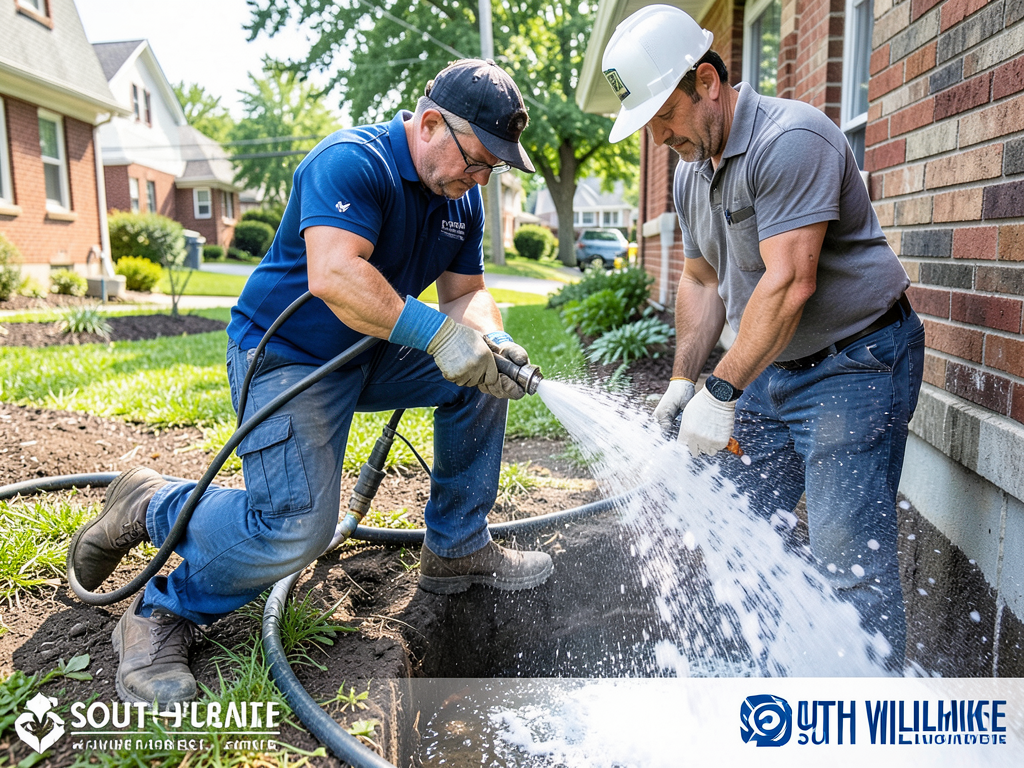
Professional plumbers use methods that are both effective and safe for your pipes. Hydro-jetting uses high-pressure water (typically 1,500-4,000 PSI) to blast away clogs without damaging pipes. This method is particularly effective for South Milwaukee’s older systems because it cleans the entire pipe diameter rather than just creating a small opening through the clog.
Mechanical snaking uses specialized augers that can navigate pipe bends and break up clogs without chemicals. Modern snakes include cameras that let plumbers see exactly what’s causing the blockage and ensure complete removal. This diagnostic capability is something chemical cleaners can’t provide.
Enzyme-based cleaners offer a middle ground for maintenance. These products use natural bacteria to break down organic matter over time. While slower than chemical cleaners, they’re safe for all pipe materials and actually improve pipe health by preventing future buildup.
The hidden danger to plumbers
One aspect many homeowners don’t consider is the danger chemical cleaners pose to service professionals. When plumbers work on drains that have been treated with chemicals, they risk severe burns from splashing solutions or toxic fume exposure. This is why many Milwaukee plumbers refuse to work on drains without knowing their chemical history.
According to the Occupational Safety and Health Administration (OSHA), chemical drain cleaner exposure is a leading cause of workplace injuries in the plumbing industry. The risk is so significant that many professionals charge additional fees when they must work on chemically treated drains, as they need specialized protective equipment and disposal procedures. OSHA workplace safety guidelines.
This hidden cost of chemical cleaners affects everyone. When plumbers must take extra precautions, service costs increase. By choosing professional methods from the start, you help keep plumbing services affordable for your entire community.
Environmental impact specific to the Great Lakes basin
Milwaukee’s proximity to Lake Michigan means our wastewater directly affects one of the world’s largest freshwater systems. Chemical drain cleaners that make it through treatment facilities can harm aquatic ecosystems and affect drinking water quality for millions of people.
The Great Lakes Water Quality Agreement between the U.S. and Canada specifically addresses persistent chemicals that can accumulate in the food chain. Many drain cleaner ingredients fall into this category, making their use particularly problematic for our region.
Local environmental groups have documented increased chemical residues in Milwaukee’s waterways, particularly near combined sewer overflow (CSO) discharge points. These overflows occur during heavy rains when the system can’t handle the volume, releasing untreated water directly into rivers and Lake Michigan.
Cost comparison: chemical cleaners vs. professional service
While chemical cleaners might cost $10-20 per application, the long-term costs can be substantial. A single chemical treatment can reduce pipe life by 20-30%, meaning you’ll need pipe replacement years sooner than expected. In South Milwaukee, where many homes have original plumbing, this accelerated deterioration can mean tens of thousands in replacement costs.
Professional drain cleaning services typically range from $150-400 depending on the method and severity of the clog. While this seems more expensive initially, it actually saves money by preserving your plumbing infrastructure and preventing emergency repairs.
Consider this: a chemical cleaner might clear a clog temporarily, but if it damages your pipes, you could face a $2,000-5,000 repair bill within months. Professional cleaning addresses the root cause and maintains pipe integrity, making it the more economical choice long-term.
Milwaukee-specific plumbing code considerations
The Wisconsin DSPS plumbing code includes specific requirements for pipe materials and installation methods that chemical cleaners can violate. For example, the code mandates minimum wall thickness for pipes based on their location and use. Chemical damage can reduce wall thickness below code requirements without visible external signs.
Milwaukee’s municipal code also includes requirements for proper venting and drainage that chemical damage can compromise. When pipe walls weaken from chemical exposure, they can collapse or deform, creating code violations that must be addressed before a home can be sold or legally occupied.
Insurance companies are increasingly aware of chemical cleaner risks. Some policies now exclude damage caused by chemical drain cleaners, leaving homeowners responsible for thousands in repairs. Professional plumbers carry liability insurance that covers their work, providing additional protection for your investment.
Prevention strategies for South Milwaukee homes
The best way to avoid drain problems is prevention. In South Milwaukee’s older homes, regular professional drain cleaning every 1-2 years can prevent major clogs from forming. This is especially important for homes with mature trees, as roots commonly invade sewer lines.. Read more about Why tree roots are destroying your Wauwatosa sewer lines (and how to stop them).
Install drain screens in all sinks, showers, and tubs to catch hair and debris before they enter pipes. In the kitchen, avoid pouring grease down drains even with hot water, as it solidifies in pipes as it cools. These simple steps can extend the time between professional cleanings significantly.
Consider having your plumbing system inspected with a camera if your home is over 30 years old. This allows plumbers to identify potential problems before they become emergencies. Many South Milwaukee homes have hidden issues like bellied pipes or small leaks that only become apparent after major damage occurs.
When to call a professional immediately
Certain situations require immediate professional attention rather than chemical treatment. If multiple drains in your home are backing up simultaneously, you likely have a main sewer line problem that chemicals can’t fix and might make worse. The same applies if you notice sewage odors or see water backing up in unusual places.
Standing water that won’t drain, especially in basement floor drains, often indicates a blockage far down the line where chemicals can’t reach effectively. These situations require professional equipment to locate and remove the obstruction. Who to call when your Bay View basement floods at 3 AM.
If you’ve already tried chemical cleaners without success, don’t keep pouring more down the drain. This can create dangerous chemical concentrations and increase the risk of pipe damage. Call a professional who can assess the situation and use appropriate methods to clear the blockage safely.
The future of drain cleaning technology
The plumbing industry is developing safer, more effective alternatives to chemical drain cleaners. New technologies include ultrasonic cleaning that uses sound waves to break up clogs, and bio-enzymatic treatments that actively prevent buildup rather than just reacting to clogs.
Milwaukee’s plumbing professionals are increasingly adopting these technologies as they become available. Many now offer maintenance programs that use these advanced methods to keep your drains clear without the risks of chemicals. These programs often include regular inspections that can catch problems early when they’re easiest and least expensive to fix.
As environmental regulations tighten and pipe materials evolve, chemical drain cleaners are becoming obsolete. The future of drain cleaning is professional, preventative, and environmentally responsible. By choosing these methods now, you’re protecting your home, your health, and your community’s water resources.
Frequently Asked Questions
Are enzyme-based drain cleaners completely safe for all pipes?
Enzyme-based cleaners are much safer than chemical alternatives and work well for maintenance cleaning. However, they’re not effective for severe clogs and work slowly over time. They’re safe for all pipe materials including PVC, cast iron, and copper, making them ideal for regular use in South Milwaukee homes.
How can I tell if my pipes have been damaged by chemical cleaners?
Signs of chemical damage include recurring clogs in the same location, slow drainage that worsens over time, unusual pipe noises, or visible corrosion on exposed pipes. If you’ve used chemical cleaners multiple times in the same drain, have a professional inspect the pipes with a camera to check for damage.
What’s the average cost of professional drain cleaning in South Milwaukee?
Professional drain cleaning in South Milwaukee typically costs between $150-400 for standard clogs, with hydro-jetting services ranging from $300-600. Emergency services or complex blockages may cost more. While this seems expensive compared to chemical cleaners, it’s far less than the $2,000-5,000 you might spend repairing chemically damaged pipes.
Protect your South Milwaukee home’s plumbing system
Your home’s plumbing system is too important to risk with chemical drain cleaners. The combination of South Milwaukee’s aging infrastructure, harsh winters, and hard water makes professional drain cleaning the safest and most effective choice for your home.
Don’t wait until a small clog becomes a major emergency. Call (414) 375-7955 today to schedule your professional drain inspection and cleaning. Our experienced technicians understand the unique challenges of South Milwaukee plumbing and can recommend the best solution for your specific situation.
You may also find this helpful. How to choose a garbage disposal that won’t jam every week in West Milwaukee.
You may also find this helpful. Why your new high-efficiency washing machine keeps throwing a drain error.
Pick up the phone and call (414) 375-7955 before the next storm hits. A small investment now can prevent thousands in emergency repairs later. Your pipes, your wallet, and your peace of mind will thank you.
{
“@context”: “https://schema.org”,
“@type”: “BlogPosting”,
“headline”: “Why you should never use chemical drain cleaners in your South Milwaukee pipes”,
“description”: “Discover why chemical drain cleaners damage South Milwaukee pipes and pose serious health risks. Learn safe alternatives and protect your home’s plumbing system today.”,
“wordCount”: 2351,
“datePublished”: “2026-04-21T13:55:00.000Z”,
“dateModified”: “2026-04-21T13:55:00.000Z”,
“inLanguage”: “en-US”,
“mainEntityOfPage”: {
“@type”: “WebPage”,
“@id”: “https://eliteplumbingmilwaukee.com”
},
“publisher”: {
“@type”: “LocalBusiness”,
“name”: “Elite Plumbing Milwaukee”,
“url”: “https://eliteplumbingmilwaukee.com”
},
“author”: {
“@type”: “Organization”,
“name”: “Elite Plumbing Milwaukee”,
“url”: “https://eliteplumbingmilwaukee.com”
},
“image”: {
“@type”: “ImageObject”,
“url”: “https://eliteplumbingmilwaukee.com/wp-content/uploads/2026/03/why-you-should-never-use-chemical-drain-cleaners-i-1.png”
}
}
{
“@context”: “https://schema.org”,
“@type”: “Plumber”,
“name”: “Elite Plumbing Milwaukee”,
“url”: “https://eliteplumbingmilwaukee.com”,
“address”: {
“@type”: “PostalAddress”,
“addressLocality”: “Milwaukee”
},
“areaServed”: {
“@type”: “City”,
“name”: “Milwaukee”
}
}
{
“@context”: “https://schema.org”,
“@type”: “FAQPage”,
“mainEntity”: [
{
“@type”: “Question”,
“name”: “Are enzyme-based drain cleaners completely safe for all pipes?”,
“acceptedAnswer”: {
“@type”: “Answer”,
“text”: “Enzyme-based cleaners are much safer than chemical alternatives and work well for maintenance cleaning. However, they’re not effective for severe clogs and work slowly over time. They’re safe for all pipe materials including PVC, cast iron, and copper, making them ideal for regular use in South Milwaukee homes.”
}
},
{
“@type”: “Question”,
“name”: “How can I tell if my pipes have been damaged by chemical cleaners?”,
“acceptedAnswer”: {
“@type”: “Answer”,
“text”: “Signs of chemical damage include recurring clogs in the same location, slow drainage that worsens over time, unusual pipe noises, or visible corrosion on exposed pipes. If you’ve used chemical cleaners multiple times in the same drain, have a professional inspect the pipes with a camera to check for damage.”
}
},
{
“@type”: “Question”,
“name”: “What’s the average cost of professional drain cleaning in South Milwaukee?”,
“acceptedAnswer”: {
“@type”: “Answer”,
“text”: “Professional drain cleaning in South Milwaukee typically costs between $150-400 for standard clogs, with hydro-jetting services ranging from $300-600. Emergency services or complex blockages may cost more. While this seems expensive compared to chemical cleaners, it’s far less than the $2,000-5,000 you might spend repairing chemically damaged pipes.”
}
}
]
}
{
“@context”: “https://schema.org”,
“@type”: “BreadcrumbList”,
“itemListElement”: [
{
“@type”: “ListItem”,
“position”: 1,
“name”: “Home”,
“item”: “https://eliteplumbingmilwaukee.com”
},
{
“@type”: “ListItem”,
“position”: 2,
“name”: “Blog”,
“item”: “https://eliteplumbingmilwaukee.com/blog”
},
{
“@type”: “ListItem”,
“position”: 3,
“name”: “Why you should never use chemical drain cleaners in your South Milwaukee pipes”
}
]
}
{
“@context”: “https://schema.org”,
“@type”: “Service”,
“serviceType”: “Plumbing”,
“provider”: {
“@type”: “LocalBusiness”,
“name”: “Elite Plumbing Milwaukee”,
“url”: “https://eliteplumbingmilwaukee.com”
},
“areaServed”: {
“@type”: “City”,
“name”: “Milwaukee”
},
“description”: “Discover why chemical drain cleaners damage South Milwaukee pipes and pose serious health risks. Learn safe alternatives and protect your home’s plumbing system today.”
}