
Moving your kitchen to a different wall? Here is how the plumbing works
Changing your kitchen layout means more than picking new cabinets. Moving a sink or dishwasher to a different wall requires rerouting water supply lines, drain pipes, and vent stacks to meet Wisconsin plumbing codes. This guide explains what happens behind the walls so you can plan with confidence. Wisconsin SPS 382 Plumbing Code.
Understanding the ‘Kitchen Triangle’ and Plumbing Efficiency
The classic kitchen triangle connects the sink, stove, and refrigerator for efficient workflow. From a plumbing perspective this triangle also minimizes the length of hot water supply runs and reduces drainage slope issues. Shortening supply lines saves energy and gets hot water to the tap faster. Longer drain runs need careful slope planning to prevent clogs. Professional drain cleaning in Shorewood for stubborn kitchen clogs.
In Milwaukee homes built before 1950 you often find galvanized steel supply lines and cast iron drain stacks. Moving fixtures away from these original stacks means replacing old material with modern PEX or copper for water and PVC for drains. That upgrade alone can improve water pressure and eliminate rust contamination from aging pipes. Milwaukee Department of Neighborhood Services.

Common Kitchen Layouts: I-Shape, L-Shape, and Island Plumbing
Linear (I-shape) kitchens keep all plumbing on one wall which simplifies venting. L-shaped layouts split fixtures across two walls and may require additional vent lines. Island sinks are popular in newer Milwaukee homes but need special venting because they sit away from exterior walls. Reliable Milwaukee sump pump repair services to keep your basement dry.
Wisconsin code allows two main options for island venting. An Air Admittance Valve (AAV) is a one-way valve that opens to let air in when water drains, preventing vacuum lock. AAVs are easy to install but must be accessible for service. A loop vent runs from the island drain up through the ceiling and connects to the main vent stack. Loop vents cost more in materials and labor but meet code without mechanical parts. The best options for water heater replacement in Wauwatosa.
Choosing between AAV and loop vent depends on your home’s existing vent configuration and local inspector preference. In Shorewood and Whitefish Bay some inspectors still require loop vents for island sinks even though AAVs are code-approved under Wisconsin SPS 382.05(4).. Read more about The best types of kitchen sinks for heavy use in a busy Greenfield household.
Milwaukee Plumbing Code Compliance (SPS 382)
The Wisconsin Uniform Plumbing Code (SPS 382) sets strict rules for drain size, slope, and venting. Kitchen sink drains must be at least 1.5 inches in diameter. Horizontal runs require a minimum slope of one-quarter inch per foot toward the main stack. P-traps must be installed within two feet of the fixture to block sewer gases.. Read more about How to plan the plumbing for a dog washing station in your Grafton mudroom.
Vent pipes need to maintain a vertical rise of at least six inches above the flood rim of the highest fixture before any horizontal offset. In tight wall cavities this can force creative routing or require structural modifications. Missing or undersized vents cause slow drainage and gurgling sounds because water siphons the trap dry. What to do if your pipes freeze during a Milwaukee cold snap.
Milwaukee’s Department of Neighborhood Services enforces these rules during rough-in inspections. Failing inspection means opening walls again to fix issues, so planning correct layouts upfront saves time and money. EPA Lead and Copper Rule.
Standard Rough-In Dimensions for Milwaukee Homes
Accurate rough-in measurements prevent costly rework. Standard sink drain height from the floor is 12 to 14 inches. Cold and hot supply lines are typically spaced eight inches apart, centered on the drain. Dishwasher supply and drain lines often share the same cavity as the kitchen sink, so leave at least six inches of clearance.. Read more about Comparing the best touchless kitchen faucets for a modern Brookfield home.
For homes with a garbage disposal, the electrical switch must be within reach of the sink but at least six inches away from the water source to meet NEC safety rules. A dedicated 120-volt, 20-amp circuit is required for the disposal and dishwasher combo.
Older Milwaukee bungalows often have floor joists spaced 24 inches on center. This spacing limits where you can run new drain lines without drilling through multiple joists. Using a split tee fitting lets you tie new fixture drains into an existing stack without weakening floor structure.
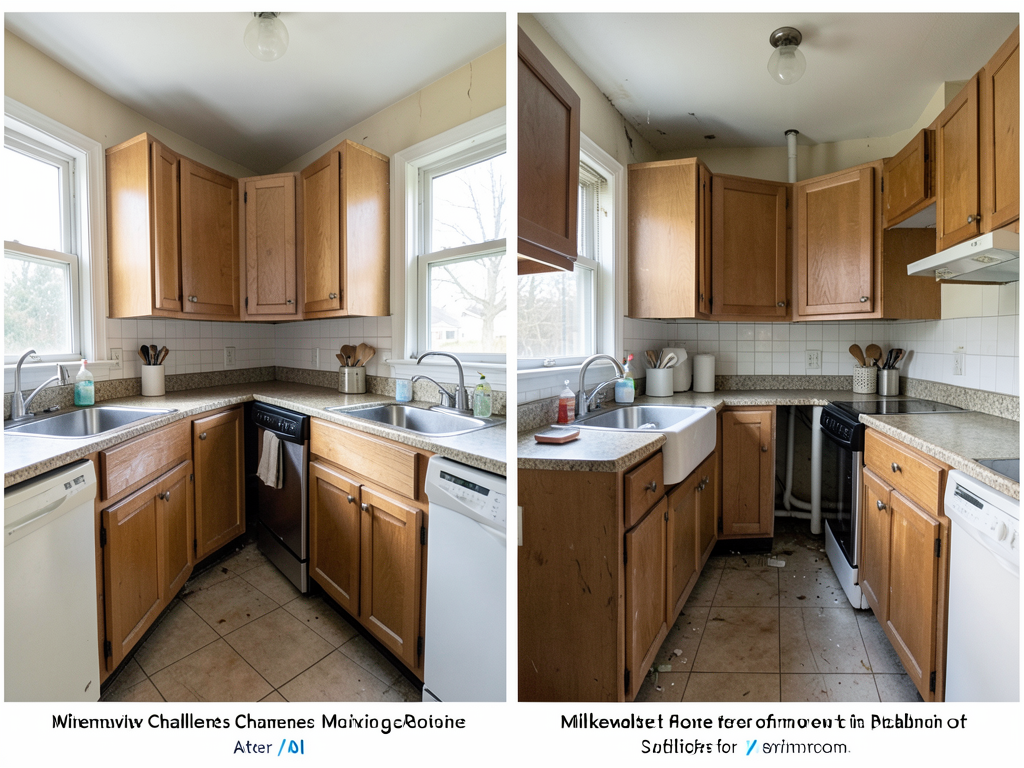
Upgrading Older Milwaukee Homes: Lead and Galvanized Pipe Challenges
Many homes in neighborhoods like Bay View and Riverwest still have lead service lines or galvanized supply pipes. Lead pipes pose health risks and violate current EPA Lead and Copper Rule requirements. Galvanized steel corrodes internally, reducing flow and causing discolored water.. Read more about How to hide those ugly exposed pipes in your finished Riverwest basement.
Replacing these lines during a kitchen move is the perfect opportunity to upgrade to PEX or copper. PEX resists Milwaukee’s hard Lake Michigan water and handles freeze-thaw cycles better than copper. If your main water line enters near the original kitchen, rerouting it to a new location may require Milwaukee Water Works permits and coordination with the city.. Read more about Comparing the best kitchen faucet finishes that won’t show water spots in Franklin.
Cast iron drain stacks in older homes can be cracked or sagging. A video camera inspection reveals hidden damage before you commit to moving fixtures. Replacing a damaged section during the remodel prevents emergency repairs later.
Permit Process and Cost Factors in Milwaukee County
Moving plumbing fixtures triggers a plumbing permit from the city or county. In Milwaukee the permit fee for a kitchen remodel with moved fixtures typically ranges from $150 to $300 depending on project scope. Shorewood and Wauwatosa have similar fees but may add historic district review if your home is in a preservation zone.
Permit applications require a detailed plumbing plan showing fixture locations, pipe sizes, and vent routes. Submitting incomplete plans delays approval by up to two weeks. Hiring a licensed Wisconsin Master Plumber ensures your plans meet code and pass inspection the first time.
Unexpected costs often come from structural surprises. Removing a load-bearing wall to open the kitchen may require an engineer’s stamp and a building permit. Moving supply lines across the house can mean cutting into concrete slabs in ranch homes common in Franklin and Greenfield.
Water Pressure and Drainage Considerations
Milwaukee’s water supply pressure averages 40 to 60 PSI. Most fixtures work well in this range, but long supply runs to a new kitchen location can cause pressure drop. Installing a pressure booster pump solves this but adds $500 to $800 in equipment and electrical work.
Drainage capacity matters when adding fixtures. A standard 1.5-inch kitchen sink drain handles typical use, but adding a pot filler or second sink means upsizing to two-inch drains to prevent backups. The main stack must also be checked for capacity; adding too many fixture units can overload an undersized stack.
Floor drains in basements near new kitchen additions help manage potential leaks or overflows. These drains tie into the main sewer line and require a trap primer to keep the trap sealed against sewer gas. Who to call when your Bay View basement floods at 3 AM.
Island Venting Options Compared
| Vent Type | Installation Complexity | Code Compliance in WI | Maintenance Needs | Cost Range |
|---|---|---|---|---|
| Air Admittance Valve (AAV) | Low – one hole in cabinet | Allowed per SPS 382.05(4) | Check annually for clogs | $50 – $150 |
| Loop Vent | High – ceiling penetration | Always compliant | No moving parts | $300 – $600 |
| Studor Mini-Vent | Medium – roof vent | Allowed with approval | Occasional cleaning | $100 – $200 |
Material Choices for Modern Milwaukee Kitchens
PEX piping resists scale buildup from Lake Michigan’s moderately hard water. It flexes around obstacles and expands slightly if water freezes, reducing burst risk. Copper lasts longer but costs more and can develop pinhole leaks in aggressive water conditions.
For drains, PVC is standard for new construction. Cast iron is quieter but heavier and requires more support. In multi-story homes cast iron reduces noise between floors if budget allows.
Supply line connectors should use stainless steel braided hoses for durability. Avoid plastic fittings that can crack under stress or UV exposure if installed near windows.
Smart Technology Integration
Modern kitchens often include touchless faucets, leak detectors, and water quality monitors. These devices connect to your home’s plumbing but require low-voltage wiring and sometimes Wi-Fi integration. Planning for these during the rough-in phase avoids cutting into finished walls later.
Leak detectors placed under sinks or near dishwashers can shut off supply valves automatically. This feature protects against the water damage that costs Milwaukee homeowners thousands in insurance claims each year.
Water softeners benefit homes with high hardness. Softened water extends the life of PEX and reduces scale on fixtures. If you install a softener, provide a bypass line for drinking water to avoid excess sodium intake.
Final Inspection and Testing
After installation, the system must pass a pressure test. Plumbers close all fixtures and apply air or water pressure to check for leaks. A drop in pressure over 15 minutes indicates a problem that must be fixed before covering walls.
Flow testing ensures each fixture receives adequate water. A bucket test measures how long it takes to fill a one-gallon container; anything over 30 seconds suggests a supply issue.
Finally, the drain-waste-vent system is tested with water to confirm traps hold and vents work. Gurgling or slow drainage at this stage means revisiting vent connections.
Cost-Saving Tips Without Cutting Corners
Keep new fixtures close to existing plumbing to reduce labor and material costs. Reuse cabinets if possible and only replace doors and hardware for a fresh look. Choose standard fixture sizes to avoid custom fittings.
Bundle plumbing work with electrical and HVAC upgrades if you’re doing a full remodel. Contractors often discount combined projects, and coordinating trades prevents timeline delays.
Ask your plumber to mark all pipes clearly before closing walls. Future repairs become faster and cheaper when the system layout is documented.
Why Milwaukee’s Climate Matters for Plumbing Moves
Milwaukee winters bring freeze-thaw cycles that stress pipes. Exterior walls housing new supply lines need proper insulation and sometimes heat tape. Even interior pipes on north-facing walls can freeze if a cold snap hits during a power outage.
Spring rains raise the water table, especially near Lake Michigan. Basements with new kitchen additions may need sump pumps upgraded to handle extra drainage. A failed pump during a storm can flood a newly remodeled kitchen within hours.
Humidity in summer causes condensation on cold supply lines. Insulating these lines prevents moisture damage to cabinets and reduces mold risk.
Choosing the Right Contractor
Look for a Wisconsin Master Plumber license and proof of liability insurance. Ask for references from recent kitchen projects in your area. A good contractor explains code requirements clearly and provides a written scope of work.
Avoid contractors who skip permits or suggest illegal venting methods. Saving a few hundred dollars upfront can cost thousands if work fails inspection or causes damage.
Communication matters. Your plumber should update you on inspection results and coordinate with your general contractor to keep the project on schedule.
Preparing for the Unexpected
Older homes often hide problems until walls open. Mold behind drywall, rotted subfloor, or outdated wiring can delay your project. Build a 15 percent contingency into your budget for surprises.
If lead pipes are found, replacing the entire service line is the safest option. Partial replacements can actually increase lead levels temporarily as disturbed pipes release particles.
Structural issues like sagging floors or cracked joists need engineering review before moving heavy fixtures like cast iron sinks.
Long-Term Maintenance After the Move
Once your kitchen is operational, annual plumbing checks prevent emergencies. Inspect supply lines for corrosion, test shut-off valves, and clean faucet aerators to maintain flow.
Drain cleaning every few years keeps the system healthy, especially if you use a garbage disposal. Avoid pouring grease down the sink; it solidifies in pipes and causes backups.
Know where your main water shut-off valve is located. In a burst pipe emergency, shutting off water within minutes limits damage.
Conclusion: Your Milwaukee Kitchen Plumbing Move
Moving kitchen plumbing is a technical process that blends design goals with code compliance and local building conditions. From selecting the right venting method to upgrading old pipes, every decision affects performance and longevity.
Milwaukee’s mix of historic homes and modern builds means each project has unique challenges. Planning with a licensed plumber ensures your new kitchen works flawlessly and passes inspection without delays.
Ready to start your kitchen remodel? Call (414) 375-7955 today to schedule your inspection. Our Milwaukee plumbing experts will guide you through every step, from design to final sign-off.
Frequently Asked Questions
Can I move my kitchen sink to an island without major construction?
Moving a sink to an island usually requires cutting into the floor to run new drain and supply lines. If your home has a basement or crawl space, routing pipes underneath is easier. In slab homes, installation becomes more invasive and costly.
How long does it take to move kitchen plumbing?
Basic moves take two to three days for rough-in work, plus inspection time. Complex reroutes involving structural changes or permit delays can extend the timeline to one or two weeks.
Will moving plumbing increase my home’s value?
A well-executed kitchen remodel with updated plumbing can boost home value by 60 to 80 percent of project cost. Modern, efficient layouts appeal to buyers and prevent future repair expenses.
Do I need a permit to move kitchen plumbing in Milwaukee?
Yes. Any change to fixture location or drain/vent configuration requires a plumbing permit from the city or county. Work without a permit risks fines and insurance issues.
What is the best pipe material for a kitchen remodel in Milwaukee?
PEX is popular for its freeze resistance and cost-effectiveness. Copper offers longevity but costs more. For drains, PVC is standard; cast iron is an option if noise reduction is a priority.
Golden Nuggets
- Milwaukee’s Lake Michigan water hardness averages 5-7 grains per gallon, affecting pipe longevity and requiring specific material choices.
- Older Milwaukee homes often have floor joists spaced 24 inches on center, limiting drain line routing options without structural modifications.
- Milwaukee’s freeze-thaw cycles stress pipes, requiring extra insulation for exterior wall supply lines even in interior remodels.
- Spring rains raise the water table near Lake Michigan, potentially requiring sump pump upgrades for basement kitchen additions.
- Milwaukee’s Department of Neighborhood Services enforces SPS 382 code, with some inspectors in Shorewood requiring loop vents even when AAVs are technically allowed.
- Lead service lines still exist in older Milwaukee neighborhoods like Bay View and Riverwest, requiring full replacement during kitchen moves for safety compliance.
- Milwaukee Water Works permits are required when rerouting main water lines, adding coordination time to kitchen plumbing projects.
You may also find this helpful. Designing a walk-in shower for seniors in West Milwaukee who want to stay at home.
{
“@context”: “https://schema.org”,
“@type”: “BlogPosting”,
“headline”: “Moving your kitchen to a different wall? Here is how the plumbing works”,
“description”: “Planning a kitchen remodel in Milwaukee? Learn how to move plumbing fixtures safely with local code compliance, venting options, and material choices for your home.”,
“wordCount”: 2412,
“datePublished”: “2026-05-03T08:32:00.000Z”,
“dateModified”: “2026-05-03T08:32:00.000Z”,
“inLanguage”: “en-US”,
“mainEntityOfPage”: {
“@type”: “WebPage”,
“@id”: “https://eliteplumbingmilwaukee.com”
},
“publisher”: {
“@type”: “LocalBusiness”,
“name”: “Elite Plumbing Milwaukee”,
“url”: “https://eliteplumbingmilwaukee.com”
},
“author”: {
“@type”: “Organization”,
“name”: “Elite Plumbing Milwaukee”,
“url”: “https://eliteplumbingmilwaukee.com”
},
“image”: {
“@type”: “ImageObject”,
“url”: “https://eliteplumbingmilwaukee.com/wp-content/uploads/2026/03/moving-your-kitchen-to-a-different-wall-here-is-ho-1.png”
}
}
{
“@context”: “https://schema.org”,
“@type”: “Plumber”,
“name”: “Elite Plumbing Milwaukee”,
“url”: “https://eliteplumbingmilwaukee.com”,
“address”: {
“@type”: “PostalAddress”,
“addressLocality”: “Milwaukee”
},
“areaServed”: {
“@type”: “City”,
“name”: “Milwaukee”
}
}
{
“@context”: “https://schema.org”,
“@type”: “FAQPage”,
“mainEntity”: [
{
“@type”: “Question”,
“name”: “Can I move my kitchen sink to an island without major construction?”,
“acceptedAnswer”: {
“@type”: “Answer”,
“text”: “Moving a sink to an island usually requires cutting into the floor to run new drain and supply lines. If your home has a basement or crawl space, routing pipes underneath is easier. In slab homes, installation becomes more invasive and costly.”
}
},
{
“@type”: “Question”,
“name”: “How long does it take to move kitchen plumbing?”,
“acceptedAnswer”: {
“@type”: “Answer”,
“text”: “Basic moves take two to three days for rough-in work, plus inspection time. Complex reroutes involving structural changes or permit delays can extend the timeline to one or two weeks.”
}
},
{
“@type”: “Question”,
“name”: “Will moving plumbing increase my home’s value?”,
“acceptedAnswer”: {
“@type”: “Answer”,
“text”: “A well-executed kitchen remodel with updated plumbing can boost home value by 60 to 80 percent of project cost. Modern, efficient layouts appeal to buyers and prevent future repair expenses.”
}
},
{
“@type”: “Question”,
“name”: “Do I need a permit to move kitchen plumbing in Milwaukee?”,
“acceptedAnswer”: {
“@type”: “Answer”,
“text”: “Yes. Any change to fixture location or drain/vent configuration requires a plumbing permit from the city or county. Work without a permit risks fines and insurance issues.”
}
},
{
“@type”: “Question”,
“name”: “What is the best pipe material for a kitchen remodel in Milwaukee?”,
“acceptedAnswer”: {
“@type”: “Answer”,
“text”: “PEX is popular for its freeze resistance and cost-effectiveness. Copper offers longevity but costs more. For drains, PVC is standard; cast iron is an option if noise reduction is a priority.”
}
}
]
}
{
“@context”: “https://schema.org”,
“@type”: “BreadcrumbList”,
“itemListElement”: [
{
“@type”: “ListItem”,
“position”: 1,
“name”: “Home”,
“item”: “https://eliteplumbingmilwaukee.com”
},
{
“@type”: “ListItem”,
“position”: 2,
“name”: “Blog”,
“item”: “https://eliteplumbingmilwaukee.com/blog”
},
{
“@type”: “ListItem”,
“position”: 3,
“name”: “Moving your kitchen to a different wall? Here is how the plumbing works”
}
]
}
{
“@context”: “https://schema.org”,
“@type”: “Service”,
“serviceType”: “Plumbing”,
“provider”: {
“@type”: “LocalBusiness”,
“name”: “Elite Plumbing Milwaukee”,
“url”: “https://eliteplumbingmilwaukee.com”
},
“areaServed”: {
“@type”: “City”,
“name”: “Milwaukee”
},
“description”: “Planning a kitchen remodel in Milwaukee? Learn how to move plumbing fixtures safely with local code compliance, venting options, and material choices for your home.”
}