
Why your second-floor laundry room needs a floor drain and a drip pan in Wauwatosa
Moving your laundry upstairs in your Wauwatosa home might seem like a convenient upgrade, but without the right plumbing safeguards, it could lead to catastrophic water damage. Second-floor laundry rooms face unique risks that first-floor setups simply don’t have. A burst hose, leaking washer, or overflowing drain can send hundreds of gallons cascading through your floors and walls before you even notice. That’s why proper floor drains and drip pans aren’t just recommended—they’re essential for protecting your home’s structure and your family’s belongings. Professional drain cleaning in Shorewood for stubborn kitchen clogs.
Wisconsin winters create additional challenges for upstairs plumbing. When temperatures plummet below zero, supply lines in exterior walls become vulnerable to freezing. A frozen pipe in your second-floor laundry room can burst while you’re away, flooding multiple levels of your home. The Milwaukee area’s freeze-thaw cycles also cause pipes to expand and contract, weakening connections over time. These local conditions make proper drainage and containment systems even more critical for Wauwatosa homeowners. Wisconsin Plumbing Code requirements.
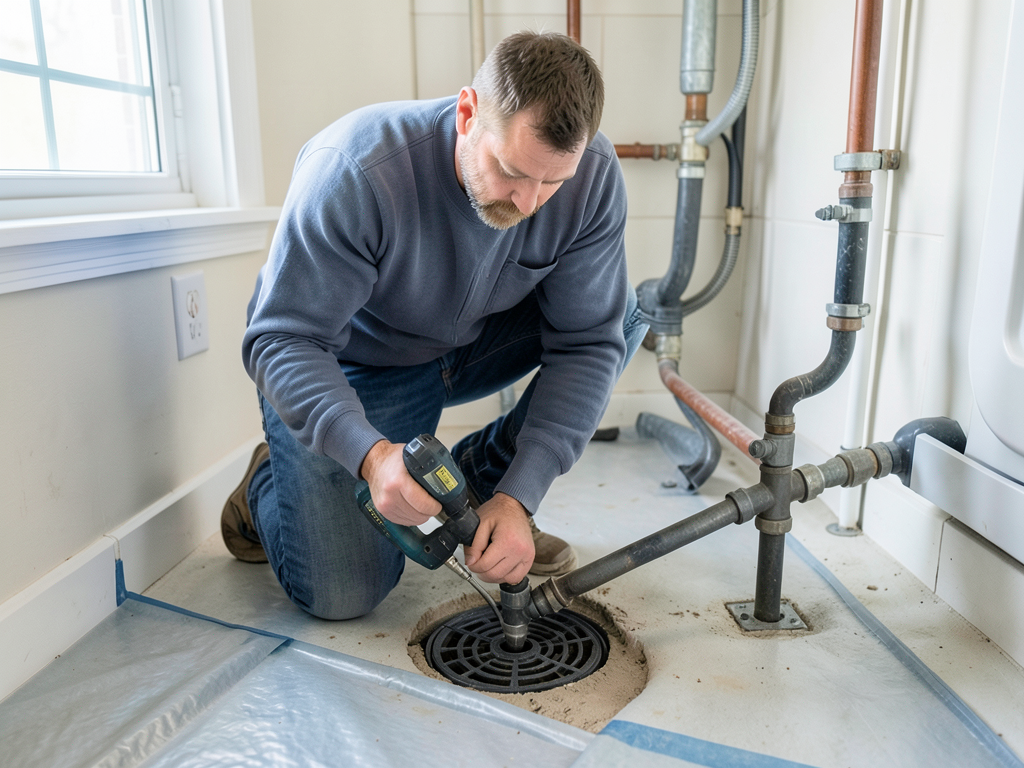
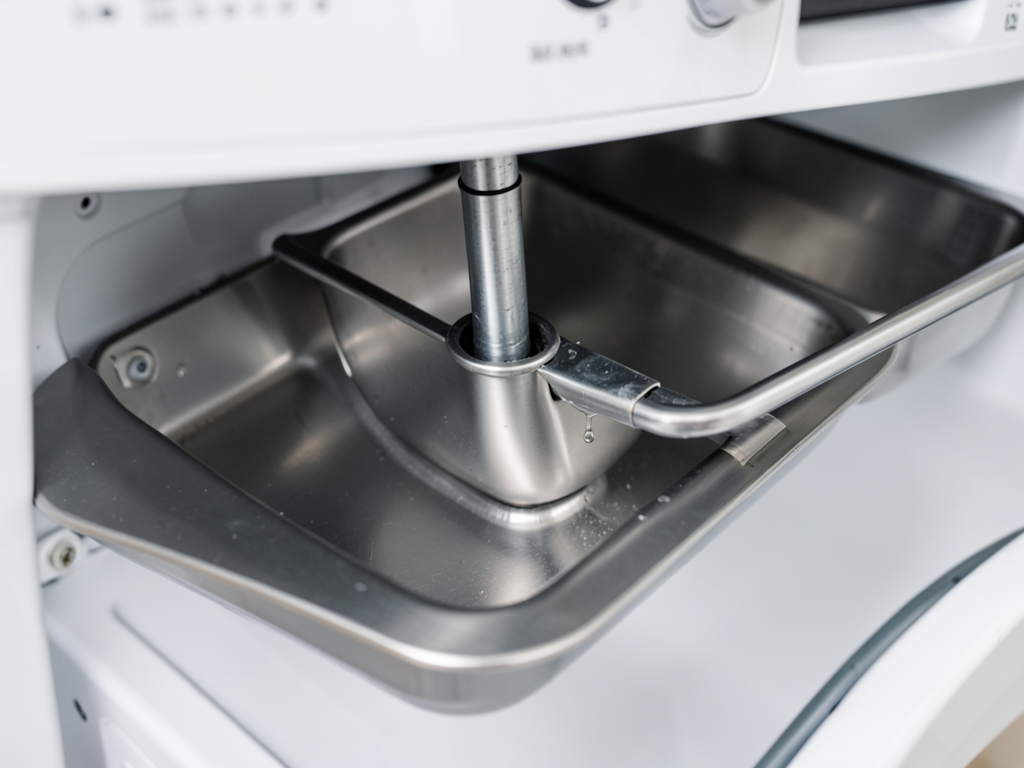
Building codes in Wauwatosa and throughout Milwaukee County now require specific protections for second-floor laundry installations. The Wisconsin Plumbing Code mandates that all second-floor laundry rooms have either a floor drain connected to the home’s drainage system or a properly installed drip pan with an auxiliary drain line. These requirements aren’t arbitrary—they’re based on decades of water damage claims and the high cost of structural repairs. Ignoring these codes could leave you liable for code violations and uninsured damage. EPA water efficiency guidelines.
The cost of installing proper drainage systems is minimal compared to the potential damage from a single water incident. A floor drain installation typically runs between $500 and $1,200, while a quality drip pan with auxiliary drainage costs $300 to $600. Compare that to the average water damage claim of $10,000 to $15,000 for second-floor laundry floods, and the math becomes clear. Professional installation ensures your system meets all local codes and functions properly when you need it most. Who to call when your Bay View basement floods at 3 AM.
Modern laundry appliances also create unique vibration challenges for second-floor installations. Front-loading washers can generate significant movement during spin cycles, potentially loosening connections over time. This vibration can cause supply line failures, drain hose disconnections, and even structural damage to floor joists. Proper installation includes vibration-dampening pads and secure mounting hardware specifically designed for second-story applications.
Beyond the immediate water damage concerns, second-floor laundry rooms can create humidity problems that affect your entire home. Moisture from washing machines and dryers can lead to mold growth in wall cavities and under flooring. Proper ventilation, combined with moisture barriers and drainage systems, protects not just against catastrophic floods but also against the slow, insidious damage of chronic moisture exposure. The best options for water heater replacement in Wauwatosa.
Insurance companies have taken notice of the risks associated with second-floor laundry rooms. Many Wauwatosa homeowners have discovered their policies exclude coverage for certain types of water damage from upstairs appliances. Some insurers now require documentation of proper drainage systems before providing coverage. Installing the right protections not only safeguards your home but also ensures your insurance remains valid when you need it most.. Read more about Why tree roots are destroying your Wauwatosa sewer lines (and how to stop them).
Smart home technology offers additional layers of protection for second-floor laundry rooms. Water sensors placed under washers can detect the first signs of a leak and automatically shut off supply valves. These systems can send alerts to your phone, allowing you to respond to problems even when you’re away from home. While not a substitute for proper drainage, these technologies provide valuable early warning and automatic response capabilities.
The age and construction of your Wauwatosa home also affects your laundry room plumbing needs. Older homes with plaster walls and hardwood floors are particularly vulnerable to water damage. Water can travel through wall cavities and under flooring for hours before becoming visible. Modern construction techniques and materials can help contain water, but they require proper installation and maintenance to function as intended.
Professional assessment is crucial before installing a second-floor laundry room. A licensed plumber can evaluate your home’s structure, identify potential problem areas, and recommend the right combination of drainage, containment, and monitoring systems. They can also ensure your installation meets all local building codes and manufacturer requirements for appliance warranties.. Read more about The pros and cons of installing a utility sink in your West Allis garage.
Maintenance plays a vital role in preventing laundry room disasters. Supply hoses should be inspected annually and replaced every five years, regardless of visible condition. Drain lines should be checked for proper slope and secure connections. Floor drains need regular testing to ensure they remain clear and functional. These simple maintenance steps can prevent most laundry room water emergencies.
Energy efficiency and water conservation also factor into second-floor laundry room design. High-efficiency washers use less water but can create unique drainage challenges due to their lower water volume. Proper trap design and drain sizing become even more important with these modern appliances. A professional plumber can ensure your system handles both the water volume and the air pressure created by these efficient machines.
The location of your laundry room within your second floor also affects plumbing requirements. Rooms over kitchens or bathrooms often have easier access to existing plumbing lines, reducing installation costs. However, these locations may also mean shared drainage systems that require careful design to prevent cross-contamination and ensure proper flow rates.
Future home modifications should be considered when planning your second-floor laundry room. If you might finish your basement or add a bathroom later, your laundry room plumbing should be designed with these possibilities in mind. Proper pipe sizing and strategic valve placement can make future renovations much simpler and less expensive.
Environmental concerns extend beyond just preventing water damage. Proper drainage systems help protect local waterways by ensuring that any detergent or chemical residues are properly treated rather than entering storm drains. This is particularly important in Wauwatosa, where the local watershed connects to Lake Michigan and surrounding wetlands.
The resale value of your home can be affected by how well your second-floor laundry room is equipped. Potential buyers often view proper drainage and containment systems as signs of quality construction and responsible homeownership. Conversely, the absence of these systems can raise red flags and potentially reduce your home’s market value.
Emergency response planning should include your second-floor laundry room. Know where your main water shutoff valve is located and ensure all family members understand how to use it. Keep emergency contact numbers readily available, including your plumber’s 24/7 service line. Quick action during the first few minutes of a leak can prevent thousands of dollars in damage.
Professional installation of second-floor laundry systems requires specific expertise. Not all plumbers are familiar with the unique challenges of upstairs installations. Look for contractors with specific experience in second-floor plumbing, proper licensing for your area, and good references from other Wauwatosa homeowners. The right professional can mean the difference between a trouble-free installation and ongoing problems.
Understanding the complete system is crucial for second-floor laundry success. It’s not just about the washer and dryer—it’s about the entire plumbing network, including supply lines, drain systems, ventilation, and containment measures. Each component must work together to provide reliable, safe operation for years to come. Reliable Milwaukee sump pump repair services to keep your basement dry.
Seasonal changes in Wisconsin affect second-floor laundry room performance. Summer humidity can cause condensation on cold water pipes, while winter freezing risks increase dramatically. Your plumbing system should be designed to handle these seasonal variations without compromising performance or safety. What to do if your pipes freeze during a Milwaukee cold snap.
The right combination of technology, professional installation, and ongoing maintenance creates a second-floor laundry room that’s both convenient and safe. While the initial investment might seem significant, it pales in comparison to the cost and disruption of dealing with water damage. For Wauwatosa homeowners, these protections aren’t optional—they’re essential for modern, worry-free living.. Read more about Dealing with orange stains and iron in your Waukesha well water.
Comparing drainage options for second-floor laundry rooms
| System Type | Installation Cost | Maintenance Needs | Best For |
|---|---|---|---|
| Floor Drain | $500 – $1,200 | Annual cleaning | High-risk areas |
| Drip Pan with Auxiliary Drain | $300 – $600 | Quarterly inspection | Budget-conscious |
| Combination System | $800 – $1,800 | Semi-annual service | Maximum protection |
Essential components for second-floor laundry safety
- Floor drain or drip pan installation
- Stainless steel braided supply lines
- Automatic water shutoff valves
- Moisture detection sensors
- Proper ventilation system
- Vibration-dampening pads
- Emergency shutoff valve access
Installation steps for second-floor laundry protection
- Assessment and Planning
Evaluate existing plumbing, structural support, and local code requirements before beginning any work.
- Floor Preparation
Install moisture barriers and reinforce floor joists if needed to support equipment weight and vibration.
- Drainage System Installation
Install floor drain or drip pan with proper connections to existing waste lines, ensuring correct slope and venting.
- Supply Line Installation
Run new hot and cold water lines with proper shutoff valves and hammer arrestors to prevent water hammer damage.
- Appliance Mounting
Install vibration-dampening pads and secure mounting hardware to prevent movement during operation.
- Testing and Inspection
Pressure test all connections, verify proper drainage, and schedule final inspection with local building department.
Frequently Asked Questions
Is a floor drain legally required for second-floor laundry rooms in Wauwatosa?
Yes, the Wisconsin Plumbing Code requires either a floor drain connected to the home’s drainage system or a properly installed drip pan with an auxiliary drain line for all second-floor laundry installations. These requirements are enforced through the local building permit process.
How much does it cost to install proper drainage for a second-floor laundry room?
Installation costs typically range from $300 to $1,800 depending on the system chosen. A basic drip pan with auxiliary drain costs $300-$600, while a complete floor drain installation runs $500-$1,200. Combination systems with advanced features cost $800-$1,800.
Can I install these systems myself or do I need a professional plumber?
Professional installation is strongly recommended and often required by local codes. Second-floor plumbing involves structural modifications, code compliance, and proper drainage connections that require licensed expertise. DIY installation could void warranties and create code violations.
What happens if I don’t install proper drainage systems?
Without proper drainage, a single hose failure or drain backup can cause thousands of dollars in water damage. You may also face code violations, insurance claim denials, and potential liability issues. The risk of structural damage to floors and ceilings below is significant.
How often should I maintain my second-floor laundry drainage system?
Floor drains should be cleaned annually, drip pans inspected quarterly, and supply lines checked every six months. Annual professional inspections can identify potential problems before they cause damage. Replace supply hoses every five years regardless of visible condition.
Don’t wait for a water disaster to strike your second-floor laundry room. The combination of Wisconsin’s harsh winters, Wauwatosa’s older home construction, and the inherent risks of upstairs plumbing makes proper drainage and containment systems essential. Whether you’re planning a new installation or upgrading an existing setup, professional assessment and installation ensures your home stays dry and your family stays protected.
Call (414) 375-7955 today to schedule your second-floor laundry room inspection. Our licensed plumbers understand Wauwatosa’s specific building codes and can recommend the right protection system for your home. Don’t let a simple laundry room upgrade turn into a costly nightmare—get the peace of mind that comes with professional installation and proper protection.
Pick up the phone and call (414) 375-7955 before the next storm hits or the next freeze-thaw cycle weakens your plumbing connections. Your home deserves the best protection available, and our team has the local expertise to deliver it right the first time.
You may also find this helpful. Why your Historic Concordia home smells like sewer gas (and how to fix the venting).
{
“@context”: “https://schema.org”,
“@type”: “BlogPosting”,
“headline”: “Why your second-floor laundry room needs a floor drain and a drip pan in Wauwatosa”,
“description”: “Protect your Wauwatosa home from water damage. Learn why second-floor laundry rooms need floor drains, drip pans, and proper plumbing to prevent costly floods.”,
“wordCount”: 1939,
“datePublished”: “2026-04-14T08:07:00.000Z”,
“dateModified”: “2026-04-14T08:07:00.000Z”,
“inLanguage”: “en-US”,
“mainEntityOfPage”: {
“@type”: “WebPage”,
“@id”: “https://eliteplumbingmilwaukee.com”
},
“publisher”: {
“@type”: “LocalBusiness”,
“name”: “Elite Plumbing Milwaukee”,
“url”: “https://eliteplumbingmilwaukee.com”
},
“author”: {
“@type”: “Organization”,
“name”: “Elite Plumbing Milwaukee”,
“url”: “https://eliteplumbingmilwaukee.com”
},
“image”: {
“@type”: “ImageObject”,
“url”: “https://eliteplumbingmilwaukee.com/wp-content/uploads/2026/03/why-your-second-floor-laundry-room-needs-a-floor-d-1.png”
}
}
{
“@context”: “https://schema.org”,
“@type”: “Plumber”,
“name”: “Elite Plumbing Milwaukee”,
“url”: “https://eliteplumbingmilwaukee.com”,
“address”: {
“@type”: “PostalAddress”,
“addressLocality”: “Milwaukee”
},
“areaServed”: {
“@type”: “City”,
“name”: “Milwaukee”
}
}
{
“@context”: “https://schema.org”,
“@type”: “FAQPage”,
“mainEntity”: [
{
“@type”: “Question”,
“name”: “Is a floor drain legally required for second-floor laundry rooms in Wauwatosa?”,
“acceptedAnswer”: {
“@type”: “Answer”,
“text”: “Yes, the Wisconsin Plumbing Code requires either a floor drain connected to the home’s drainage system or a properly installed drip pan with an auxiliary drain line for all second-floor laundry installations. These requirements are enforced through the local building permit process.”
}
},
{
“@type”: “Question”,
“name”: “How much does it cost to install proper drainage for a second-floor laundry room?”,
“acceptedAnswer”: {
“@type”: “Answer”,
“text”: “Installation costs typically range from $300 to $1,800 depending on the system chosen. A basic drip pan with auxiliary drain costs $300-$600, while a complete floor drain installation runs $500-$1,200. Combination systems with advanced features cost $800-$1,800.”
}
},
{
“@type”: “Question”,
“name”: “Can I install these systems myself or do I need a professional plumber?”,
“acceptedAnswer”: {
“@type”: “Answer”,
“text”: “Professional installation is strongly recommended and often required by local codes. Second-floor plumbing involves structural modifications, code compliance, and proper drainage connections that require licensed expertise. DIY installation could void warranties and create code violations.”
}
},
{
“@type”: “Question”,
“name”: “What happens if I don’t install proper drainage systems?”,
“acceptedAnswer”: {
“@type”: “Answer”,
“text”: “Without proper drainage, a single hose failure or drain backup can cause thousands of dollars in water damage. You may also face code violations, insurance claim denials, and potential liability issues. The risk of structural damage to floors and ceilings below is significant.”
}
},
{
“@type”: “Question”,
“name”: “How often should I maintain my second-floor laundry drainage system?”,
“acceptedAnswer”: {
“@type”: “Answer”,
“text”: “Floor drains should be cleaned annually, drip pans inspected quarterly, and supply lines checked every six months. Annual professional inspections can identify potential problems before they cause damage. Replace supply hoses every five years regardless of visible condition.”
}
}
]
}
{
“@context”: “https://schema.org”,
“@type”: “HowTo”,
“name”: “How to install second-floor laundry protection”,
“step”: [
{
“@type”: “HowToStep”,
“position”: 1,
“name”: “Assessment and Planning”,
“text”: “Evaluate existing plumbing, structural support, and local code requirements before beginning any work.”
},
{
“@type”: “HowToStep”,
“position”: 2,
“name”: “Floor Preparation”,
“text”: “Install moisture barriers and reinforce floor joists if needed to support equipment weight and vibration.”
},
{
“@type”: “HowToStep”,
“position”: 3,
“name”: “Drainage System Installation”,
“text”: “Install floor drain or drip pan with proper connections to existing waste lines, ensuring correct slope and venting.”
},
{
“@type”: “HowToStep”,
“position”: 4,
“name”: “Supply Line Installation”,
“text”: “Run new hot and cold water lines with proper shutoff valves and hammer arrestors to prevent water hammer damage.”
},
{
“@type”: “HowToStep”,
“position”: 5,
“name”: “Appliance Mounting”,
“text”: “Install vibration-dampening pads and secure mounting hardware to prevent movement during operation.”
},
{
“@type”: “HowToStep”,
“position”: 6,
“name”: “Testing and Inspection”,
“text”: “Pressure test all connections, verify proper drainage, and schedule final inspection with local building department.”
}
],
“image”: “https://eliteplumbingmilwaukee.com/wp-content/uploads/2026/03/why-your-second-floor-laundry-room-needs-a-floor-d-1.png”
}
{
“@context”: “https://schema.org”,
“@type”: “BreadcrumbList”,
“itemListElement”: [
{
“@type”: “ListItem”,
“position”: 1,
“name”: “Home”,
“item”: “https://eliteplumbingmilwaukee.com”
},
{
“@type”: “ListItem”,
“position”: 2,
“name”: “Blog”,
“item”: “https://eliteplumbingmilwaukee.com/blog”
},
{
“@type”: “ListItem”,
“position”: 3,
“name”: “Why your second-floor laundry room needs a floor drain and a drip pan in Wauwatosa”
}
]
}
{
“@context”: “https://schema.org”,
“@type”: “Service”,
“serviceType”: “Plumbing”,
“provider”: {
“@type”: “LocalBusiness”,
“name”: “Elite Plumbing Milwaukee”,
“url”: “https://eliteplumbingmilwaukee.com”
},
“areaServed”: {
“@type”: “City”,
“name”: “Milwaukee”
},
“description”: “Protect your Wauwatosa home from water damage. Learn why second-floor laundry rooms need floor drains, drip pans, and proper plumbing to prevent costly floods.”
}