




Menu

Mold in Bathroom Cabinets in Milwaukee | Expert Diagnosis and Plumbing-Based Solutions

We diagnose the plumbing failures behind mold in bathroom cabinets, repair hidden leaks under sinks and vanities, and restore airflow to prevent mold growth inside vanity units across Milwaukee homes.

Slider Image 1
Slider Image 2
Slider Image 3
Slider Image 4
Slider Image 5
Slider Image 7
Slider Image 8
Slider Image 9
Slider Image 10
Slider Image 11

Why Milwaukee Homes Struggle with Bathroom Vanity Mold

Milwaukee's humid summers and subzero winters create a cycle that accelerates mold under bathroom sinks. When temperatures drop below freezing, condensation forms inside unventilated bathroom cupboards. When humidity spikes above 60 percent in July and August, that moisture feeds mildew in bathroom cabinets faster than you can wipe it down.

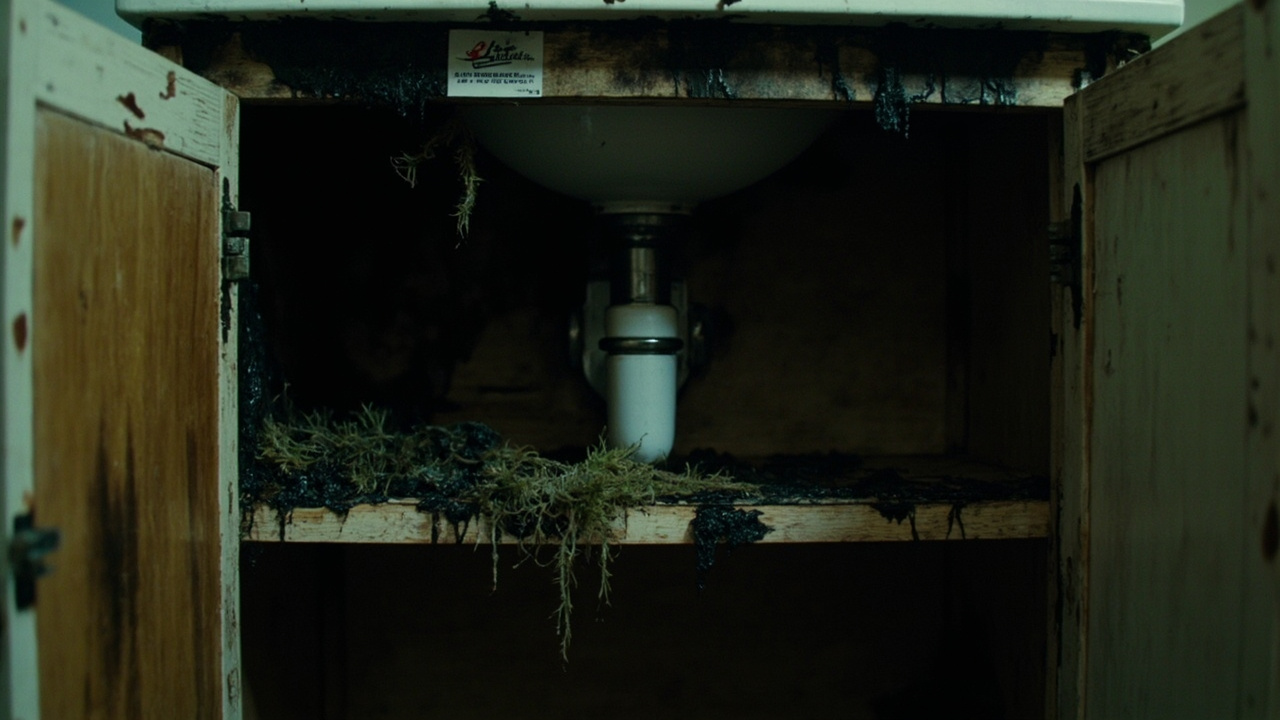
Most homeowners discover bathroom vanity mold when they smell it first. That musty, sour odor means spores are already circulating. The black or green patches you see on cabinet walls are just the surface. Mold growth inside vanity units often starts behind the plumbing trap, where a slow drip from a corroded P-trap or loose supply line soaks particle board for months.

Milwaukee's older housing stock compounds the problem. Many homes built before 1970 have galvanized drain lines that corrode from the inside out. You will not see the leak until you pull the vanity forward. The water seeps into the cabinet floor, then wicks up the sides. By the time you notice discoloration, the subfloor underneath may already be compromised.

Cabinet mold is not just a cleaning problem. It signals a plumbing failure. That failure could be a pinhole leak in a shutoff valve, a cracked wax ring allowing sewer gas and moisture to escape, or a vent stack issue that creates negative pressure and pulls humid air into the cavity. Until you fix the source, bleach and fans are temporary fixes that waste your time.

Why Milwaukee Homes Struggle with Bathroom Vanity Mold
How We Find and Fix the Plumbing Problems Causing Mold

How We Find and Fix the Plumbing Problems Causing Mold

We start with a leak detection protocol that goes beyond visual inspection. We use moisture meters to measure the water content inside cabinet walls, under the vanity deck, and along the adjoining wall cavities. Readings above 17 percent indicate active water intrusion. Readings above 25 percent mean structural damage is likely.

Next, we pressurize the drain system. We plug the drain outlet and introduce air pressure to identify cracks in the trap arm or leaks at the slip joint connections. Most bathroom cupboard mold originates from a loose connection at the tailpiece or a degraded rubber gasket inside the pop-up assembly. Those leaks drip slowly, so they evade casual inspection.

We also inspect the supply lines. Braided stainless steel lines can develop internal corrosion that allows pinhole leaks. Older copper stub-outs can crack at the solder joint if the vanity was overtightened during installation. We remove the shutoff valves and inspect the threads for calcium buildup or green oxidation, both of which indicate chronic seepage.

If mold growth inside vanity units is extensive, we remove the vanity entirely to inspect the subfloor and wall framing. We check for rot in the plywood, swelling in the drywall, and rust on any metal brackets. We also inspect the drain shoe connection at the floor flange, because a failed seal there introduces sewer gas and moisture directly into the cabinet cavity.

Once we locate the failure point, we replace the defective component, seal penetrations with plumber's putty or silicone, and verify zero leakage under full water flow. We do not reinstall the vanity until the substrate is dry and structurally sound.

What Happens During Your Mold Remediation Appointment

Mold in Bathroom Cabinets in Milwaukee | Expert Diagnosis and Plumbing-Based Solutions
01

Moisture and Leak Assessment

We measure moisture levels in all cabinet surfaces using calibrated meters and pressurize your drain system to detect hidden leaks at trap connections, tailpieces, and supply line fittings. This diagnostic phase identifies whether the problem originates from a plumbing failure, condensation, or ventilation deficiency. We document all findings with photos and moisture readings for your records.
02

Component Replacement and Sealing

We replace all failed components, including corroded P-traps, deteriorated gaskets, leaking shutoff valves, and cracked supply lines. We seal all penetrations with marine-grade silicone or plumber's putty to prevent future moisture intrusion. If the vanity cabinet itself is compromised, we coordinate removal and recommend mold remediation specialists for structural cleaning before reinstallation.
03

Verification and Prevention Plan

We run water at full pressure for several minutes and reinspect all connections under load. We verify zero leakage and dry conditions throughout the cabinet interior. Before leaving, we explain ventilation improvements you can make, such as installing an exhaust fan or leaving cabinet doors open after showers, to reduce humidity buildup and prevent future mildew in bathroom cabinets.

Why Milwaukee Homeowners Trust Us with Hidden Plumbing Failures

Most plumbers treat mold in bathroom cabinets as a surface issue. They wipe it down, tighten a connection, and leave. That approach ignores the underlying failure that caused the mold in the first place. Elite Plumbing Milwaukee approaches every mold case as a plumbing diagnostic problem, not a cosmetic one.

We understand Milwaukee's building history. Homes in neighborhoods like Bay View and Riverwest often have original cast iron stacks and galvanized branch lines that fail from the inside. We know that many bathroom remodels in the 1980s used particle board vanities that swell when exposed to even minor moisture. We recognize that older homes lack proper ventilation, which traps humidity inside tight cabinet spaces.

Our technicians carry moisture detection equipment on every service call. We do not guess about whether a cabinet is wet. We measure it. We also carry a full inventory of replacement traps, gaskets, shutoff valves, and supply lines so we can complete repairs in a single visit. You will not wait days for parts to arrive while mold continues to spread.

We also provide honest assessments. If your vanity cabinet is structurally compromised by rot, we tell you. If the subfloor needs replacement, we explain why and refer you to qualified remediation contractors. We do not hide problems or downplay the severity to close a service call faster.

Milwaukee homeowners rely on us because we respect their time and their property. We protect floors with drop cloths, we contain water during disassembly, and we clean up completely before we leave. You will not find standing water or debris in your bathroom after we finish.

What to Expect During Your Mold Inspection and Repair

Same-Day Service Availability

We schedule most mold inspections within 24 hours of your call. Our technicians arrive with moisture meters, leak detection equipment, and replacement parts. Most bathroom vanity mold repairs take two to four hours, depending on the extent of the plumbing failure and whether the vanity needs to be removed. If we discover structural damage that requires remediation by a specialist, we provide referrals and coordinate timing so your bathroom is not out of service longer than necessary.

Comprehensive Plumbing Diagnostics

We do not assume the obvious leak is the only leak. We inspect every connection under your sink, test the drain system under pressure, check supply line integrity, and measure moisture in adjacent walls. We also inspect the vent stack connection if we suspect negative pressure is pulling humid air into the cabinet. You receive a written summary of all findings, including moisture readings and photos of any defects. This documentation is useful if you need to file an insurance claim or if you plan to sell your home.

Permanent Leak Resolution

We replace failed components with code-compliant, durable materials. That means PVC or ABS traps instead of thin-wall plastic, braided stainless steel supply lines rated for high pressure, and quarter-turn shutoff valves that seal reliably. We apply silicone sealant to all penetrations and verify zero leakage under full flow conditions. You will not experience recurring mold growth from the same plumbing failure after we complete the repair. If the cabinet itself is damaged, we explain your options and refer you to qualified contractors for replacement.

Prevention Guidance and Follow-Up

We explain why the mold developed and what you can do to prevent it from returning. That includes simple steps like running your bathroom exhaust fan during showers, leaving cabinet doors open to promote airflow, and checking under your sink monthly for new leaks. We also offer annual plumbing inspections that catch small leaks before they cause mold growth inside vanity units. If you notice new moisture or odors after our repair, we return to diagnose the issue at no additional diagnostic fee within 30 days.

Frequently Asked Questions

You Have Questions,
We Have Answers

Why is there mold in my bathroom cabinet? +

Mold grows in your bathroom cabinet because of trapped moisture and poor ventilation. When you shower or run hot water, humidity rises. Cabinets under sinks often have slow leaks from supply lines or drains that go unnoticed for weeks. Milwaukee's freeze-thaw cycles can also crack pipes hidden behind walls, adding moisture. Dark, enclosed cabinet spaces create perfect conditions for spores to colonize. Check for plumbing leaks first. Look for water stains, soft spots, or musty odors. Fix any drips immediately. Wipe down interior surfaces regularly and leave cabinet doors cracked open after showers to improve airflow.

Will mold go away if it dries out? +

No. Mold does not die when it dries out. It goes dormant. Dried mold can reactivate the moment moisture returns. The spores remain viable for years, waiting for humidity or water exposure. You still have a contamination problem even if the surface looks dry. Mold also leaves behind mycotoxins and allergens that irritate your respiratory system. You need to physically remove the growth and treat the affected material. Simply drying the area is not enough. Address the moisture source, then clean or replace contaminated materials. Milwaukee's humid summers will reactivate dormant growth quickly if you skip proper remediation.

Is black mold in bathrooms toxic? +

Yes. Black mold, often Stachybotrys chartarum, produces mycotoxins that cause respiratory issues, headaches, fatigue, and skin irritation. Prolonged exposure worsens symptoms, especially for children, elderly residents, or anyone with asthma. Not all black-colored mold is Stachybotrys, but you should treat any bathroom mold seriously. Milwaukee's older homes with original plumbing and poor bathroom ventilation increase risk. Testing identifies the species, but do not wait for lab results if you see visible growth. Remove it immediately or call a professional. Disturbing mold releases spores into the air, so proper containment during removal protects your health.

What to do if you find mold in cabinets? +

Stop using the cabinet immediately. Mold spreads fast. Identify and fix the moisture source first, whether it is a leaking pipe, condensation, or poor ventilation. Wear gloves and an N95 mask before touching anything. For small patches on non-porous surfaces, scrub with detergent and water, then dry completely. Porous materials like particleboard or drywall must be removed and replaced because spores penetrate deep. If growth covers more than ten square feet, or if you smell mold but cannot see it, call a remediation specialist. Milwaukee's high humidity means incomplete cleanup will fail within weeks.

What are the first signs of mold sickness? +

Early mold sickness symptoms mimic allergies or a cold. You might notice a persistent cough, sneezing, itchy eyes, or a runny nose that does not go away. Headaches, fatigue, and difficulty concentrating are common. Skin rashes or irritation can develop after touching contaminated surfaces. If symptoms improve when you leave your home and return when you come back, mold exposure is likely. Milwaukee residents with older bathrooms or basements often overlook these signs. Do not ignore chronic respiratory issues. Inspect your bathroom cabinets, under sinks, and behind walls. Prolonged exposure worsens symptoms and can trigger asthma attacks.

What kills mold permanently? +

Nothing kills mold permanently if moisture remains. You must eliminate the water source first. For non-porous surfaces like tile or metal, scrub with detergent and water, then apply a disinfectant like diluted bleach or hydrogen peroxide. These solutions kill surface mold but do not penetrate porous materials like wood or drywall. Encapsulants seal dead spores, preventing release into the air. Replace contaminated porous materials entirely. Milwaukee's humidity requires exhaust fans and proper ventilation to prevent regrowth. Clean surfaces monthly and fix leaks immediately. Without moisture control, mold will return within days, no matter what cleaner you use.

Will a dehumidifier get rid of mold? +

A dehumidifier helps prevent mold but does not eliminate existing growth. It lowers indoor humidity below 60 percent, making conditions less favorable for spores to colonize. Milwaukee summers bring high humidity, so a dehumidifier is useful for basements and poorly ventilated bathrooms. However, if mold already exists, you must physically remove it first. The dehumidifier will not kill active colonies or reverse damage to cabinets or drywall. Use it as a preventive tool after remediation. Pair it with exhaust fans, proper ventilation, and regular cleaning. Address plumbing leaks immediately because dehumidifiers cannot fix water intrusion.

What is commonly mistaken for black mold? +

Mildew, dirt, soot, and efflorescence are commonly mistaken for black mold. Mildew appears powdery and gray, while mold looks slimy or fuzzy and spreads deeper. Dirt accumulates in corners and wipes away easily without returning. Soot from candles or fireplaces creates black smudges. Efflorescence, a white or gray mineral deposit from water evaporation, looks crystalline and appears on concrete or masonry. Black mold grows in patches, feels slimy when wet, and has a musty odor. If you are unsure, treat it as mold. Milwaukee's older homes often have multiple issues that look similar. Professional testing confirms the species.

Does wiping mold release spores? +

Yes. Wiping mold releases spores into the air, where they spread to other surfaces and get inhaled. Dry brushing or scrubbing without containment makes the problem worse. Always mist the area lightly with water or detergent solution before cleaning to weigh down spores. Wear an N95 mask and gloves. Use disposable rags and seal them in plastic bags immediately after use. Avoid sweeping or vacuuming moldy surfaces unless you have a HEPA-filtered vacuum. Milwaukee's older homes with poor ventilation trap airborne spores for hours. Open windows and run exhaust fans during cleanup to reduce exposure.

Does putting the heating on help mold? +

No. Heating alone does not stop mold. It can actually make the problem worse if humidity stays high. Warm air holds more moisture, and without proper ventilation, condensation forms on cold surfaces like pipes or exterior walls. Milwaukee winters tempt homeowners to crank heat, but this traps moisture indoors. Mold thrives between 60 and 80 degrees Fahrenheit. Heat without airflow creates ideal growth conditions. You need to lower humidity below 60 percent and fix moisture sources. Use exhaust fans during showers, crack windows periodically, and inspect cabinets for leaks. Heating dries surfaces temporarily but does not kill existing colonies.

How Milwaukee's Freeze-Thaw Cycles Accelerate Bathroom Cabinet Leaks

Milwaukee experiences an average of 35 freeze-thaw cycles per winter. Those temperature swings cause copper supply lines and plastic drain fittings to expand and contract repeatedly. Over time, that movement loosens threaded connections and cracks solder joints. Homeowners often discover leaks in spring, after months of hidden dripping inside bathroom cupboards created ideal conditions for mold growth. The longer you wait to address the leak, the deeper the mold penetrates into the cabinet substrate and surrounding drywall.

Milwaukee building codes require proper venting for all plumbing fixtures, but many older homes have inadequate vent sizing or improperly sloped drain lines. Those deficiencies create negative pressure that pulls moisture into cabinet cavities and slows drainage, which increases the likelihood of leaks at trap connections. Elite Plumbing Milwaukee understands these local code requirements and identifies violations that contribute to chronic moisture problems. Choosing a local plumber who knows Milwaukee's plumbing challenges means faster diagnosis and more accurate repairs.
Plumbing Services in The Milwaukee Area

View our service area on the map to see how we can serve you. We proudly provide top-tier plumbing services throughout the Milwaukee region and its surrounding communities. Our dedicated team is just a call or click away, ready to deliver the reliable solutions you need, right to your doorstep. We are committed to being your trusted local plumbing experts for any and all jobs.

Address:
Elite Plumbing Milwaukee, 2201 N Doctor M.L.K. Jr Dr, Milwaukee, WI, 53212

Additional Services We Offer

Our news updates

Latest Articles & News from The Blogs

Why your South Milwaukee basement drains smell like a swamp after a heavy storm The first heavy rain hits South…

Why your South Milwaukee basement drains smell like a swamp after a heavy storm

Why your South Milwaukee basement drains smell like a swamp after a heavy storm The first heavy rain hits South…

What to consider before installing a gas line for a professional range in New Berlin

What to consider before installing a gas line for a professional range in New Berlin Installing a gas line for…

Where you can legally drain your sump pump water in Greenfield

Where you can legally drain your sump pump water in Greenfield Your sump pump works hard to keep your Greenfield…

Contact Us

If you smell mildew or see discoloration inside your bathroom cabinets, call (414) 375-7955 now. We diagnose the plumbing failure causing the mold and fix it permanently so you can protect your home and your health.