



Menu

Plumbing Inspection Checklist for Milwaukee Homes – Protect Your Investment From Costly Freeze Damage

A complete residential plumbing checkup list designed for Milwaukee's freeze-thaw cycles, aging infrastructure, and hard water conditions that threaten your home's plumbing system year-round.

Slider Image 1
Slider Image 2
Slider Image 3
Slider Image 4
Slider Image 5
Slider Image 7
Slider Image 8
Slider Image 9
Slider Image 10
Slider Image 11

Why Milwaukee Homes Need a Preventative Plumbing Maintenance Checklist

Milwaukee's brutal winter temperatures drop below zero multiple times each season. That freeze-thaw cycle puts enormous stress on your home's plumbing system. Water expands when it freezes, creating pressure inside pipes that can crack copper lines, burst galvanized steel, and split PEX connections at the fittings.

Add Milwaukee's aging housing stock to the equation. Many homes in Riverwest, Bay View, and the East Side were built between 1900 and 1950. Original cast iron drain lines corrode from the inside out. Galvanized supply pipes narrow as mineral deposits accumulate. You cannot see this damage until a pipe fails during the coldest week of January.

Milwaukee water contains high levels of calcium and magnesium. This hard water builds scale inside water heaters, reducing efficiency and shortening tank life. The same minerals clog aerators, restrict flow through fixtures, and damage valve seats in shut-off valves.

A home plumbing inspection list helps you identify problems before they become emergencies. You catch small leaks before they rot floor joists. You spot corrosion before a pipe bursts at 2 AM. You maintain your plumbing system the same way you change your furnace filter or clean your gutters.

Regular inspections using a plumbing maintenance checklist save you thousands in emergency repairs. They extend the life of your fixtures and appliances. They give you control over when repairs happen instead of waiting for a crisis during the holidays when your house is full of guests.

Why Milwaukee Homes Need a Preventative Plumbing Maintenance Checklist
What Belongs on Your Residential Plumbing Checkup List

What Belongs on Your Residential Plumbing Checkup List

A proper plumbing system inspection guide covers every component that moves water through your home. You need to check supply lines, drain lines, fixtures, appliances, and the connection points where most failures occur.

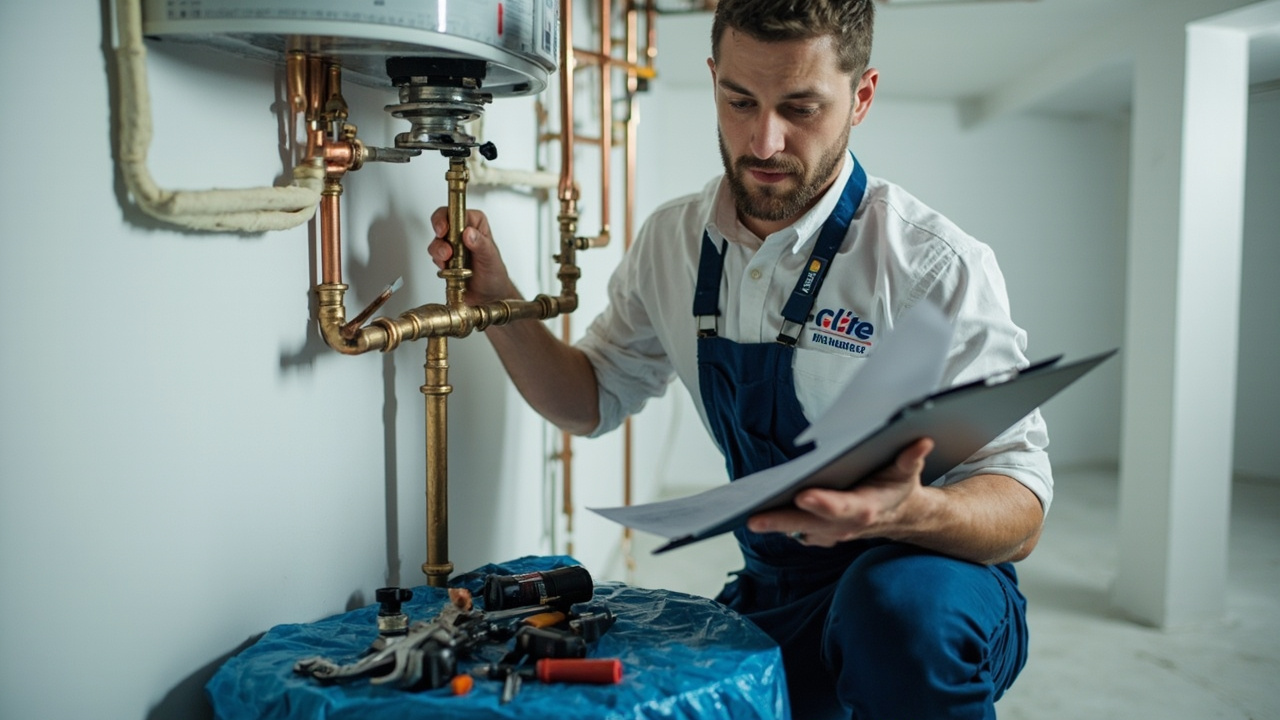
Start with your water heater. Check the temperature and pressure relief valve by lifting the test lever. Look for rust stains on the tank top, which signal a failing anode rod. Listen for popping sounds when the burner fires, indicating sediment buildup on the tank bottom. Inspect the flue pipe for proper slope and secure connections if you have a gas unit.

Examine all exposed supply lines in your basement or crawl space. Look for green corrosion on copper pipes, which indicates pinhole leaks forming. Check for water stains on floor joists near pipe hangers. Feel along pipes for dampness. Inspect shut-off valves under sinks and behind toilets. Turn each valve a quarter turn to prevent the stem from seizing.

Test your main water shut-off valve. You need this valve to work during an emergency. If it leaks when you turn it or will not close completely, replace it before you face a burst pipe situation.

Check every drain for slow drainage. Pour water down floor drains in your basement and laundry room to keep the trap seal intact. A dry trap allows sewer gas into your home. Inspect visible drain pipes for corrosion, especially where horizontal pipes meet vertical stacks.

Your preventative plumbing maintenance checklist should include toilet inspections. Check for tank leaks by adding food coloring to the tank. If color appears in the bowl within 15 minutes without flushing, the flapper needs replacement. A running toilet wastes 200 gallons per day.

How to Conduct a Thorough Home Plumbing Inspection

Plumbing Inspection Checklist for Milwaukee Homes – Protect Your Investment From Costly Freeze Damage
01

Visual Assessment Phase

Begin your inspection in the basement or lowest level where main supply and drain lines are accessible. Use a flashlight to examine every visible pipe, joint, and fitting. Look for water stains, mineral deposits, corrosion, and dampness. Check pipe hangers for secure attachment. Document problem areas with photos. This visual sweep identifies obvious issues before you start functional testing of fixtures and appliances.
02

Functional Testing Phase

Test every fixture in your home systematically. Run each faucet and check for proper flow and temperature. Flush every toilet and listen for refill sounds that indicate a running toilet. Operate all shut-off valves to confirm they close completely. Test your sump pump by pouring water into the pit. Check your washing machine hoses for bulges or cracks. Run your dishwasher through a cycle and inspect underneath for leaks during operation.
03

Documentation and Action

Record your findings on a dated checklist. Prioritize issues by severity. A dripping faucet is different from a corroded supply line that could burst. Schedule repairs based on risk level. Replace washing machine hoses every five years regardless of appearance. Service your water heater annually. Keep your inspection records to track recurring problems and identify patterns. This documentation helps you plan your maintenance budget and avoid surprise failures.

Why Milwaukee Homeowners Trust Elite Plumbing Milwaukee

Milwaukee plumbing systems face challenges that require local knowledge. We understand how the city's soil conditions affect foundation drains. We know which neighborhoods have clay soil that shifts and stresses underground pipes. We recognize the plumbing patterns in Milwaukee's common housing styles, from cream city brick bungalows to Polish flats in the South Side.

Our technicians know Milwaukee's plumbing code requirements and permit processes. We work with the city's inspection department regularly. When you need a plumbing system inspection guide that accounts for local code compliance, we provide documentation that satisfies both your needs and municipal requirements.

We have seen every type of failure that occurs in Milwaukee homes. We know that homes near the lake deal with higher humidity that accelerates pipe corrosion. We understand that the city's water pressure variations between neighborhoods affect fixture performance. We recognize how Milwaukee's temperature swings create thermal expansion issues in rigid piping.

When you use a plumbing maintenance checklist, you need a plumber who can interpret the findings correctly. A small drip under a sink might be a worn washer or it might signal a corroded pipe that will fail completely within weeks. We provide accurate diagnosis because we have handled thousands of similar situations in Milwaukee homes just like yours.

Elite Plumbing Milwaukee responds quickly when your inspection reveals a problem that needs immediate attention. We stock parts for the fixtures and pipe materials common in Milwaukee homes. We carry repair components for older plumbing systems found in the city's historic neighborhoods. When you need a repair done right the first time, we have the experience and inventory to complete the job without delays.

What You Get From a Professional Plumbing Inspection

Same-Day Inspection Scheduling

We schedule residential plumbing inspections to fit your availability. Most homeowners book inspections during spring or fall when weather cooperates and before seasonal stress hits your plumbing system. A complete inspection takes two to three hours depending on your home's size and plumbing complexity. We examine every accessible component of your system. You receive immediate feedback about urgent issues during the inspection. We provide a written report with photos documenting our findings within 24 hours.

Comprehensive System Evaluation

Our inspection covers your entire plumbing system from the main water line to individual fixtures. We test water pressure at multiple locations to identify restriction problems. We inspect your water heater for sediment, corrosion, and proper venting. We examine drain lines for blockages and proper slope. We check sump pumps, backflow preventers, and pressure-reducing valves. We test shut-off valves and document their condition. You get a complete picture of your plumbing system's health with specific recommendations prioritized by urgency and importance.

Detailed Written Report

Your inspection report includes photographs of problem areas, descriptions of issues found, and explanations of why each problem matters. We provide repair recommendations with priority ratings. Critical issues that could cause immediate damage receive urgent classification. Maintenance items that can wait six months to a year receive lower priority. The report includes estimated timelines for addressing each issue. You use this information to plan your maintenance budget and schedule repairs strategically instead of reactively.

Ongoing Maintenance Support

We provide follow-up support after your inspection. You receive a customized plumbing maintenance checklist specific to your home's needs. We schedule reminder calls for seasonal maintenance tasks like water heater flushing and outdoor faucet winterization. When you complete recommended repairs through Elite Plumbing Milwaukee, we document the work in your home's service file. This creates a maintenance history that helps with future troubleshooting and adds value when you sell your home. Our maintenance plan customers receive priority scheduling and preferred pricing.

Frequently Asked Questions

You Have Questions,
We Have Answers

What does a plumbing inspection consist of? +

A plumbing inspection examines all visible water supply lines, drain lines, fixtures, and water heaters for leaks, corrosion, or damage. The plumber checks water pressure, tests faucets and toilets for proper operation, and inspects exposed pipes in basements and crawl spaces. In Milwaukee homes, inspectors pay close attention to galvanized piping common in older properties, sump pump function due to high water tables, and freeze protection for exterior hose bibs. The inspection also includes checking shut-off valves, evaluating drain flow, and identifying code violations that could affect safety or resale value.

What are the 5 main items you should inspect for at a drain detail? +

At a drain detail, inspect the trap for proper venting and water seal, check the drain pipe slope to ensure gravity flow, examine connections for leaks or corrosion, verify the cleanout access is functional, and assess drain flow speed. In Milwaukee, where freeze-thaw cycles stress drain systems, also check for cracks in cast iron or clay pipes common in older neighborhoods. Look for signs of slow drainage, standing water, or foul odors that indicate blockages. Proper trap installation prevents sewer gas entry, which is critical for indoor air quality in tightly sealed Milwaukee homes during winter months.

What are 5 very important things that are inspected in a home inspection? +

Five critical items in a home inspection include the foundation for cracks or settling, the roof for leaks or damage, the electrical system for safety hazards, the HVAC system for proper operation, and the plumbing for leaks or outdated materials. In Milwaukee, inspectors focus on basement waterproofing due to clay soil and high groundwater levels. Freeze damage to pipes, old galvanized supply lines, and sump pump reliability are Milwaukee-specific concerns. These items directly affect home safety, structural integrity, and resale value. Addressing plumbing issues early prevents costly water damage common in older Milwaukee housing stock.

What should be included in the inspection checklist? +

An inspection checklist should include all water supply lines, drain and waste lines, water heater condition and age, fixture operation, shut-off valve functionality, and visible pipe condition. Check for leaks, corrosion, water pressure issues, and proper venting. In Milwaukee, add sump pump testing, exterior hose bib freeze protection, and inspection of clay or cast iron sewer laterals common in pre-1970 homes. Document any galvanized piping that may need replacement. Include water meter location, main shut-off access, and note any modifications that may violate local code. Photos of problem areas help prioritize repairs.

What are the 7 steps of the inspection process? +

The seven steps of the inspection process are scheduling and preparation, visual assessment of all accessible plumbing, testing fixtures and water pressure, checking water heater operation and safety devices, inspecting drain flow and venting, evaluating pipe materials and connections, and documenting findings with photos and recommendations. In Milwaukee, this process includes basement and crawl space inspection for moisture issues common in the area. The plumber tests sump pumps, checks for proper winterization of outdoor fixtures, and identifies outdated materials like lead service lines or polybutylene piping. The final report prioritizes immediate safety concerns versus long-term maintenance needs.

How much should a plumbing inspection cost? +

A basic plumbing inspection typically ranges from moderate to higher fees depending on home size, age, and scope. Older Milwaukee homes with multiple bathrooms or complex systems cost more due to additional time required. Inspections that include camera scoping of sewer lines add to the total. Factors affecting price include whether you need just a visual inspection or comprehensive testing with specialized equipment. Milwaukee's older housing stock often requires more thorough evaluation of galvanized pipes and clay sewer laterals. Get quotes from licensed plumbers familiar with local code requirements and common regional issues.

What is the biggest red flag in a home inspection? +

The biggest red flag in a home inspection is active water damage or signs of repeated flooding, especially in basements. In Milwaukee, where clay soil and high water tables create drainage challenges, water staining, efflorescence on foundation walls, or a musty smell indicates chronic moisture problems. Failed sump pumps, cracked sewer laterals, or outdated galvanized supply lines that could fail soon are major concerns. Water damage leads to mold growth, structural deterioration, and expensive repairs. These issues affect insurability and resale value. Address plumbing-related water intrusion immediately to prevent escalating damage.

What is a 7 point inspection? +

A seven point inspection is a focused evaluation covering key home systems. For plumbing, this includes checking water heater function, testing water pressure, inspecting visible supply and drain lines, evaluating fixture operation, assessing shut-off valve access, checking for leaks, and examining sewer line condition. In Milwaukee homes, this inspection should include sump pump testing due to regional groundwater issues and verification that exterior fixtures have proper freeze protection. The seven point approach provides a snapshot of plumbing health without the depth of a full inspection, useful for quick assessments or pre-listing evaluations.

How much does a drain inspection cost? +

A drain inspection with camera scoping typically costs more than a basic visual inspection, with prices varying based on line length and accessibility. In Milwaukee, inspecting older clay or cast iron sewer laterals common in pre-1970 homes often requires specialized equipment. The camera inspection identifies blockages, root intrusion, cracks, or collapsed sections that visual inspection cannot detect. This service is valuable before purchasing an older Milwaukee home or when experiencing chronic drainage issues. The investment prevents surprise sewer line replacement costs. Many plumbers include the camera inspection fee if they perform subsequent repair work.

What items will fail a home inspection? +

Items that fail a home inspection include active leaks, non-functional fixtures, improper venting, cross-connections between potable and non-potable water, missing or faulty pressure relief valves on water heaters, galvanized supply pipes showing significant corrosion, and sewage backup evidence. In Milwaukee, failed sump pumps, frozen or burst pipes, and deteriorated cast iron drain stacks are common failure points. Code violations like improper shut-off valve placement or DIY work not meeting standards also fail inspection. Lead service lines, while grandfathered in many Milwaukee homes, get flagged for disclosure. These issues require correction before closing or occupancy.

How Milwaukee's Hard Water Affects Your Plumbing Inspection Priorities

Milwaukee's water supply contains 120 to 180 milligrams per liter of dissolved minerals, classifying it as moderately hard to hard. This mineral content accumulates inside your water heater, reducing efficiency by 20 to 30 percent over three years. Scale builds up at the bottom of the tank, creating an insulating layer that forces the burner to fire longer. The same minerals restrict flow through fixture aerators, clog shower heads, and damage cartridge valves in single-handle faucets. Your home plumbing inspection list must account for hard water damage that Milwaukee homeowners face continuously. We check for scale buildup in your water heater and inspect fixtures for restricted flow during every inspection.

Elite Plumbing Milwaukee specializes in the plumbing challenges specific to southeastern Wisconsin homes. We understand Milwaukee's plumbing code requirements for backflow prevention, proper venting, and drain sizing. We recognize construction methods and materials used during different eras of the city's development. When you need a residential plumbing checkup list that addresses Milwaukee-specific issues, we provide inspection services based on decades of local experience. Our technicians live in the neighborhoods we serve. They understand the plumbing problems common to your area because they see them every day in homes throughout Milwaukee County.
Plumbing Services in The Milwaukee Area

View our service area on the map to see how we can serve you. We proudly provide top-tier plumbing services throughout the Milwaukee region and its surrounding communities. Our dedicated team is just a call or click away, ready to deliver the reliable solutions you need, right to your doorstep. We are committed to being your trusted local plumbing experts for any and all jobs.

Address:
Elite Plumbing Milwaukee, 2201 N Doctor M.L.K. Jr Dr, Milwaukee, WI, 53212

Additional Services We Offer

Our news updates

Latest Articles & News from The Blogs

Why Your Enderis Park Shower Gets Cold When the Toilet Flushes That sudden blast of cold water when someone flushes…

Why your Enderis Park home has fluctuating water temperatures when you flush the toilet

Why Your Enderis Park Shower Gets Cold When the Toilet Flushes That sudden blast of cold water when someone flushes…

Deciding between a battery or water-powered backup sump pump for your Mequon basement

The Spring Thaw Threat: Why Mequon Basements Need Backup Protection Mequon homeowners know the drill. When Lake Michigan ice melts…

How to protect your pool house pipes from the first freeze in River Hills

How to protect your pool house pipes from the first freeze in River Hills Milwaukee’s first hard freeze typically hits…

Contact Us

Stop guessing about your plumbing system's condition. Get a professional inspection that identifies problems before they become expensive emergencies. Call Elite Plumbing Milwaukee at (414) 375-7955 to schedule your comprehensive plumbing system inspection. We provide same-day scheduling and detailed written reports.